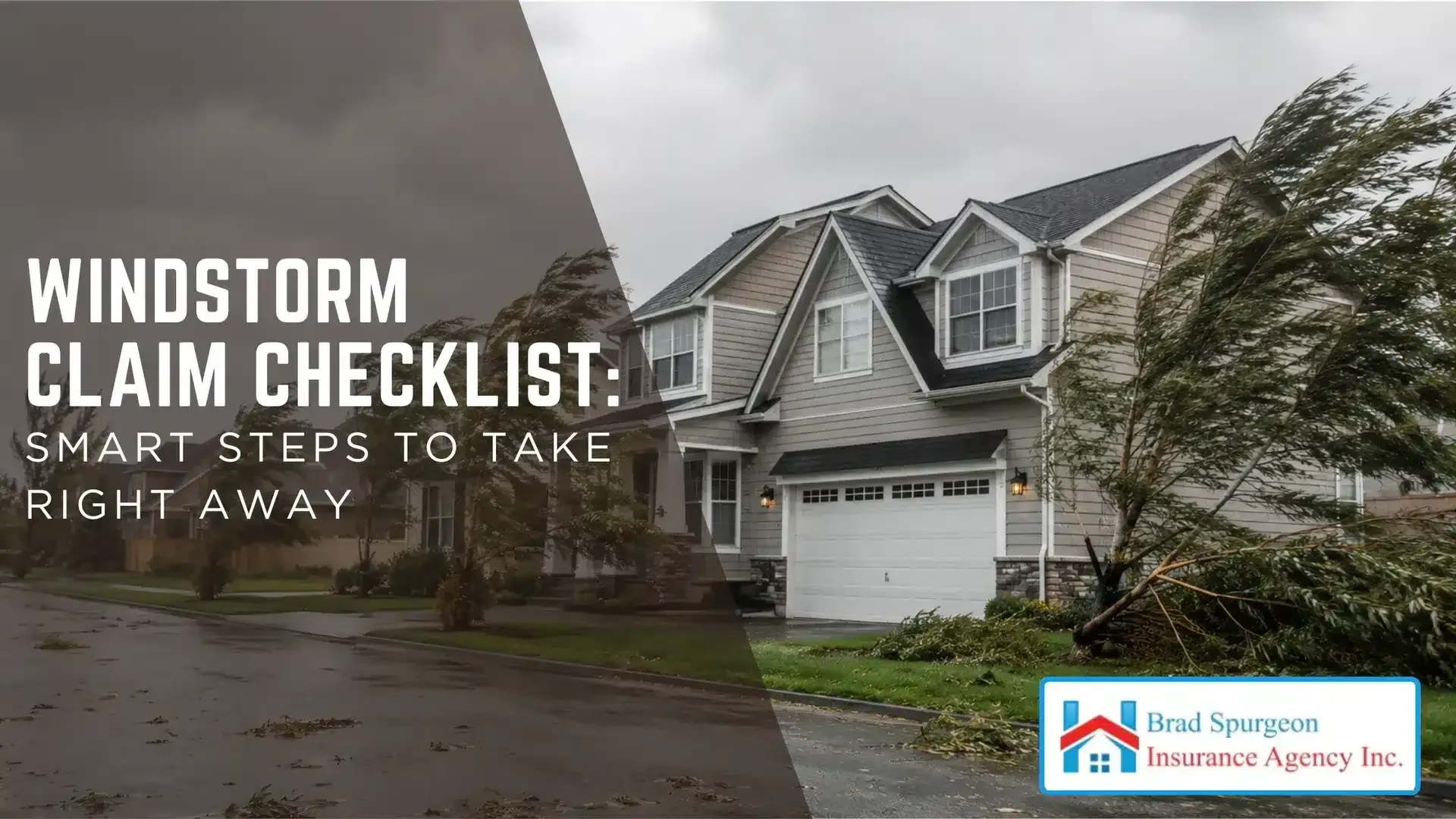
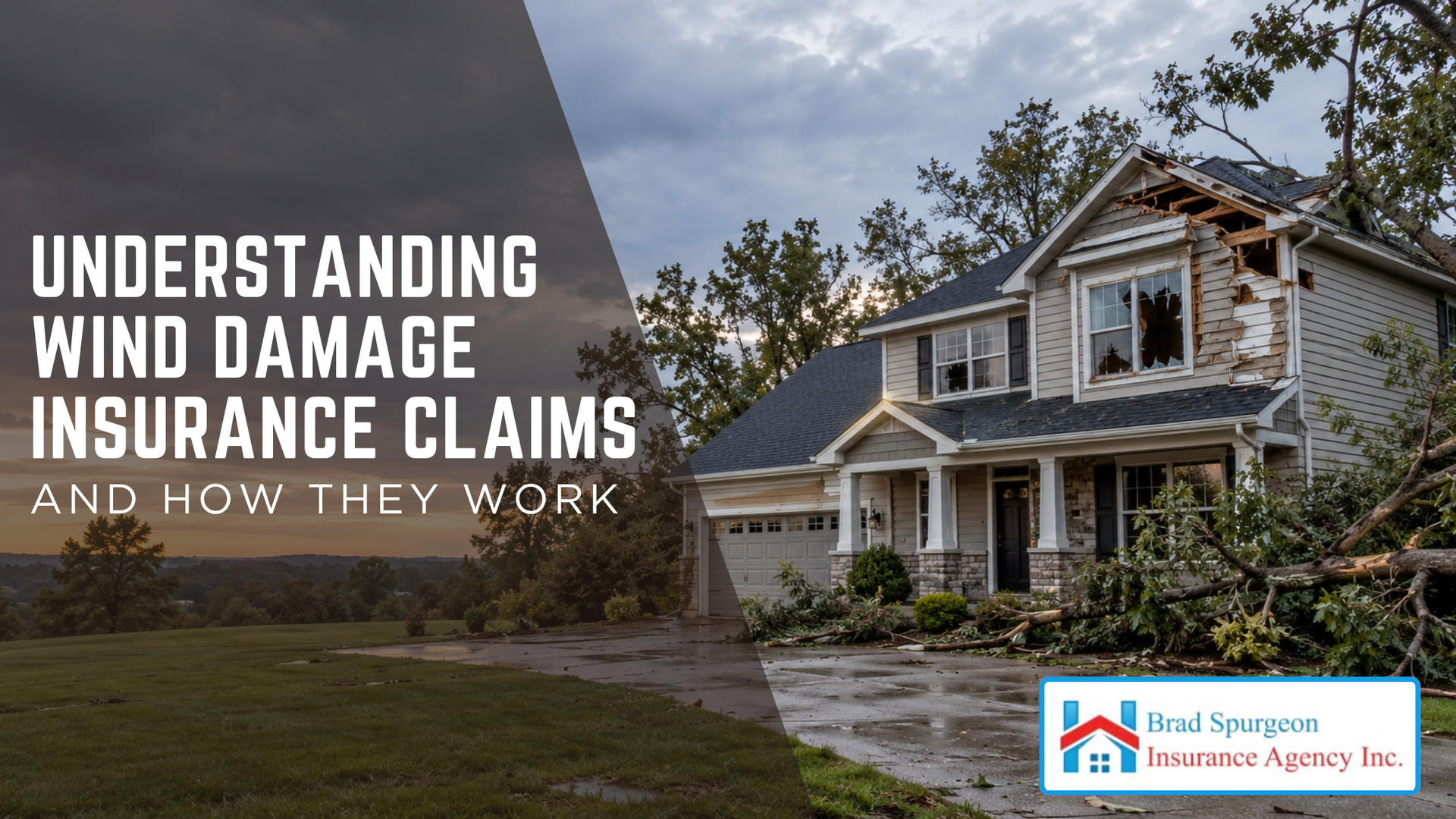
A windstorm may damage only one section of a roof, siding, flooring, or exterior finish, yet repairing that section can leave a home with an obvious mismatch. For homeowners in Texas City, TX, understanding how matching coverage works can help set realistic expectations before a disagreement develops over the scope of repairs.
What Is a “Patch and Match” Insurance Dispute?
A patch-and-match dispute occurs when an
insurance company agrees to repair the physically damaged portion of a home but does not agree to replace surrounding undamaged materials so the finished work has a reasonably consistent appearance.
For example, wind may tear shingles from one slope of a roof while leaving the remaining slopes intact. The insurer may approve replacement of the damaged slope, but the original shingles may be faded, discontinued, or unavailable. Installing new shingles could result in one part of the roof looking noticeably different from the rest.
Similar disputes can involve:
- Vinyl, aluminum, or fiber-cement siding
- Roofing shingles, tiles, or metal panels
- Interior and exterior paint
- Hardwood or laminate flooring
- Cabinets and countertops
- Brick, stone, or exterior finishes
- Wall and ceiling textures
The central question is usually not whether direct physical damage occurred. It is whether the policy requires the insurer to pay for additional work on undamaged areas to achieve a consistent result.
How Matching Coverage Helps
Matching coverage is designed to address situations in which damaged materials cannot be repaired or replaced with materials of reasonably comparable appearance, quality, or function.
Depending on the policy, matching protection may pay toward replacing undamaged materials that are part of the same surface, room, roof section, or exterior elevation. Some policies include this protection within the standard loss-settlement language, while others provide it through an endorsement with a separate limit.
Matching coverage does not automatically require replacement of every similar material throughout the property. The amount available and the area eligible for replacement depend on the policy language, the type of material, the extent of direct damage, and whether a comparable replacement can be obtained.
A policy may also define matching in terms of reasonable uniformity rather than a perfect visual match. That distinction can become important when materials differ slightly because of age, weathering, dye lots, or normal fading.
Why Windstorm Claims Often Create Matching Problems
Wind and hail frequently cause isolated damage rather than destroying an entire building component. A storm may affect only the side of a home facing Galveston Bay, one section of siding, or several roofing squares.
The challenge is that building materials change over time. Manufacturers discontinue product lines, revise colors, alter dimensions, or update installation systems. Even when the original product is technically available, a new item may look different beside material that has been exposed to sunlight and weather for years.
Coastal conditions can make differences more noticeable. Salt air, humidity, strong sunlight, and repeated storms may gradually change the color or finish of roofing and exterior materials. A new panel installed beside an older one may be structurally appropriate but visually inconsistent.
Matching Coverage Is Not the Same as Replacement Cost Coverage
Replacement cost coverage and matching coverage address related but different issues.
Replacement cost coverage generally determines whether depreciation will be deducted from the amount paid to repair or replace covered property. Matching coverage addresses whether surrounding undamaged materials may also be replaced when a comparable match is unavailable.
A homeowner can have replacement cost coverage and still face a matching dispute. The insurer may agree to pay the current cost of replacing the damaged siding panels while maintaining that the undamaged elevations do not need replacement.
Conversely, a matching endorsement may help pay for additional undamaged material, but the claim can still be subject to:
- The
windstorm or hurricane deductible
- Coverage limits
- Endorsement sublimits
- Depreciation provisions
- Cosmetic-damage exclusions
- Actual cash value settlement terms
- Policy exclusions and conditions
Texas insurance guidance emphasizes that policies differ and that homeowners should review the specific contract or speak with their agent or insurer to determine what is covered.
Common Reasons Matching Claims Are Disputed
Matching disagreements often arise because the policyholder, contractor, adjuster, and insurer evaluate the repair differently.
Common points of disagreement include:
- Whether the original material is truly discontinued
- Whether an available substitute is reasonably comparable
- How much color variation is acceptable
- Whether the affected area is one continuous surface
- Whether undamaged materials must be removed to complete repairs
- Whether the difference is functional or only cosmetic
- Whether the policy contains a matching endorsement
- Whether a matching limit has already been exhausted
A contractor may recommend replacing an entire roof or elevation for visual consistency, but that recommendation does not automatically establish what the
insurance policy must pay. Contractors evaluate construction and appearance; insurers evaluate coverage under the contract.
In our work with clients, a common problem is relying on a verbal statement that matching is included without reviewing the endorsement, limit, and applicable exclusions. Written policy terms should be checked before a loss occurs whenever possible.
How Cosmetic-Damage Exclusions Can Affect a Claim
Some
windstorm and homeowners policies contain exclusions or limitations for cosmetic damage, particularly involving metal roofs or other exterior surfaces. Cosmetic damage generally refers to a change in appearance that does not prevent the material from performing its intended function.
For example, hail may dent a metal roof without creating openings or affecting its ability to shed water. If the policy excludes cosmetic damage, the insurer may determine that replacement is not covered even though the dents are visible.
Matching coverage may not override a separate cosmetic-damage exclusion. Each provision must be reviewed together to understand how the claim may be adjusted. Texas insurance materials note that some policies pay replacement cost while others reduce roof payments based on age, condition, materials, and policy terms.
How to Document a Matching Issue
Strong documentation can help distinguish a legitimate matching problem from a general preference for new materials.
After windstorm damage:
- Photograph the damaged and undamaged areas in consistent lighting.
- Locate receipts, product labels, warranties, or prior repair records.
- Ask the contractor to identify the original manufacturer and product.
- Request written confirmation if the material has been discontinued.
- Obtain samples of proposed replacement materials when possible.
- Compare color, size, profile, texture, and installation method.
- Request the insurer’s written repair estimate and coverage explanation.
- Keep damaged materials until the adjuster confirms they may be discarded.
Homeowners near Bay Street Park should document storm damage as soon as conditions are safe. Texas regulators recommend taking photographs or video, making temporary repairs to prevent additional damage, saving receipts, and avoiding permanent repairs before the insurer has had an opportunity to inspect the loss.
What to Do If You Disagree With the Settlement
Begin by asking the adjuster to explain which policy provision supports the repair scope. Request the complete estimate, photographs, measurements, material research, and any matching endorsement considered during the evaluation.
If information is incorrect or incomplete, submit a written response supported by:
- Contractor estimates
- Manufacturer documentation
- Product discontinuation notices
- Material samples
- Photographs showing the proposed mismatch
- Independent inspection findings
- Relevant policy language
Keep the discussion focused on measurable differences and contract terms. Statements that the repair will simply “look bad” are less persuasive than evidence showing that no reasonably comparable material is available.
The policy may also provide an appraisal process for disputes about the amount of loss. Appraisal generally addresses valuation or repair-cost disagreements rather than every question about whether coverage exists. Homeowners should understand the potential costs and limitations before invoking it.
Texas policyholders who believe a claim was underpaid or unfairly denied may also review the complaint and dispute resources available through the Texas Department of Insurance.
Questions to Ask Before the Next Storm
Homeowners in Texas City, TX should ask their
insurance professional:
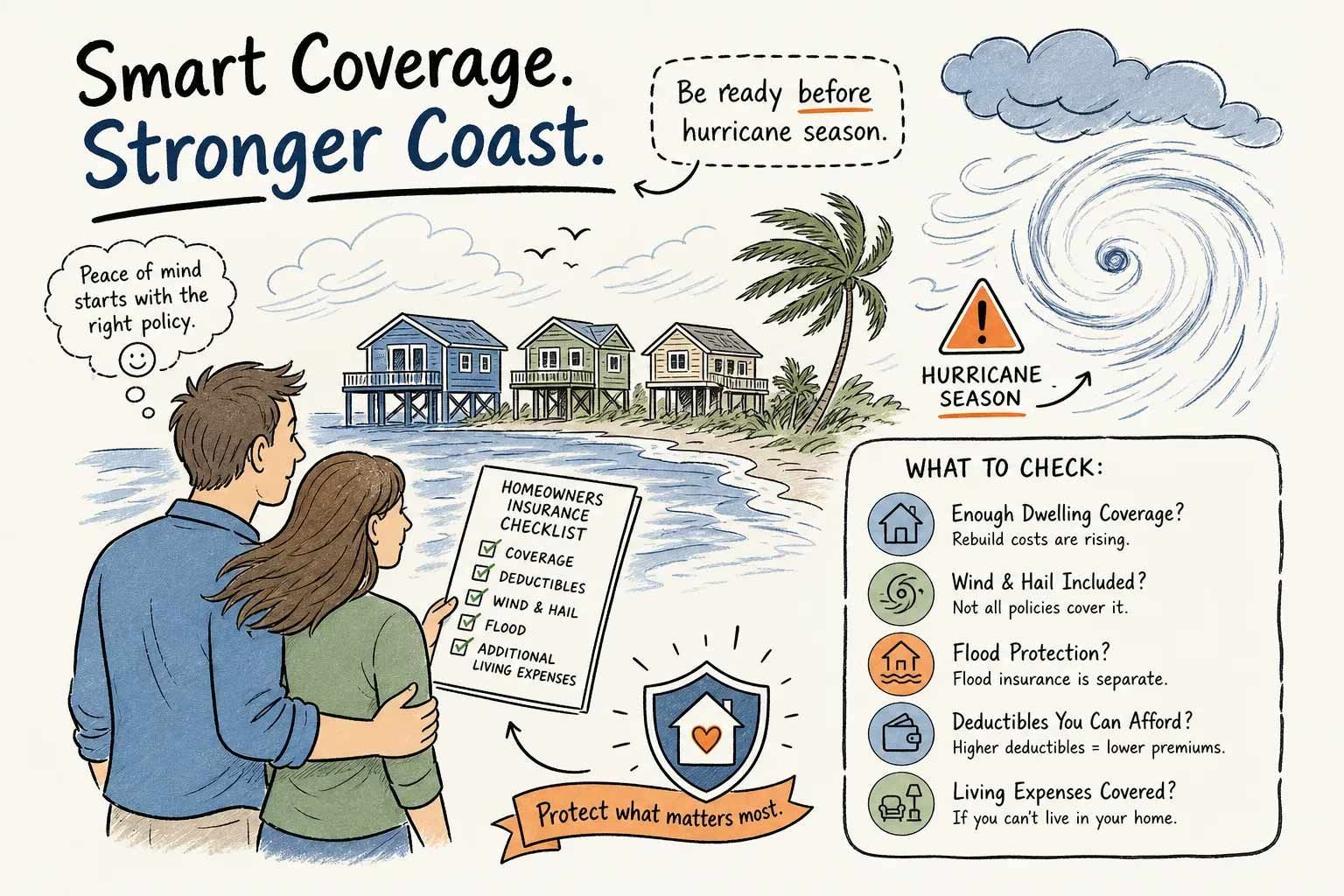
- Does my policy include matching coverage?
- Is matching coverage subject to a separate limit?
- How does the policy define a matching problem?
- Are roof or siding surfaces treated separately?
- Does the policy exclude cosmetic wind or hail damage?
- Is the roof covered at replacement cost or actual cash value?
- What windstorm or hurricane deductible applies?
- Are exterior materials subject to special endorsements?
These questions are particularly important when a home has older roofing, discontinued siding, custom finishes, or materials that may be difficult to source.
Conclusion
Patch-and-match disputes occur when covered
windstorm damage can be repaired but the replacement material does not reasonably blend with the surrounding property. Matching coverage may help pay for additional replacement work, but its protection depends on the exact policy language, limits, exclusions, and facts of the loss.
At Brad Spurgeon Insurance Agency Inc., we aim to provide comprehensive insurance policies that make your life easier. We want to help you get insurance that fits your needs. You can get more information about our products and services by calling our agency at (409) 945-4746. Get your free quote today by
CLICKING HERE.
Disclaimer: The information presented in this blog is intended for informational purposes only and should not be considered as professional advice. It is crucial to consult with a qualified insurance agent or professional for personalized advice tailored to your specific circumstances. They can provide expert guidance and help you make informed decisions regarding your insurance needs.
Brad Spurgeon Insurance Agency
Texas City, TX
(409) 945-4746
https://www.privatewindstorm.com