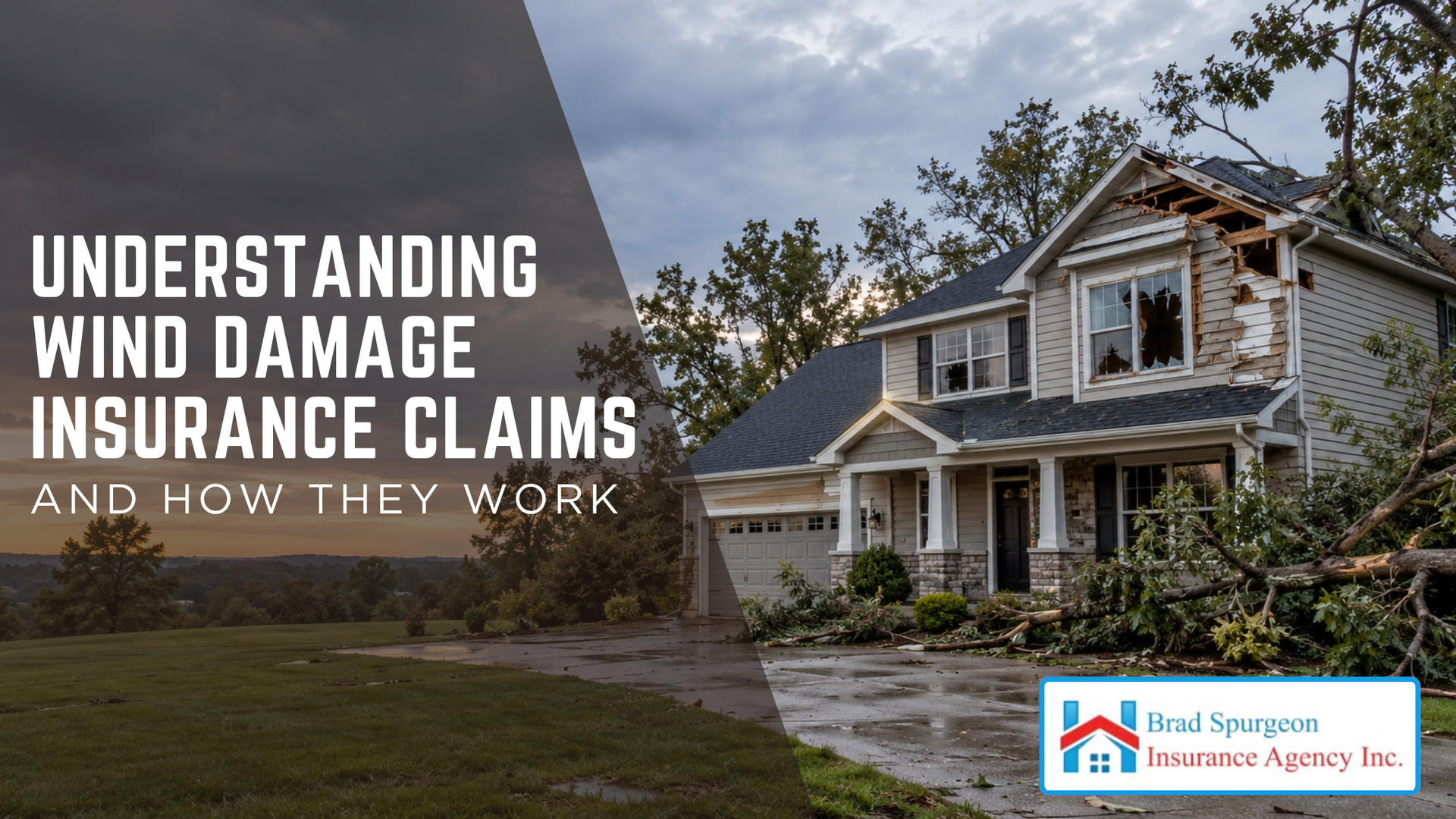
Strong winds from thunderstorms, hurricanes, and tropical storms can cause significant property damage. Missing roof shingles, broken windows, damaged siding, and fallen trees are just a few problems homeowners may discover after severe weather.
Understanding how wind damage insurance claims work can help you respond promptly, document your losses, and navigate the repair process.
Wind damage insurance claims generally involve reporting the loss, documenting the damage, having the insurer evaluate coverage and repair costs, and receiving an applicable claim settlement after deductibles and policy provisions are considered. However, the process can vary depending on your insurance company, the cause of damage, and whether you have a homeowners policy or separate
windstorm coverage.
For homeowners in Texas City, TX, understanding these distinctions is particularly important because properties along the Texas Gulf Coast may require separate insurance protection against wind and hail.
What Does Wind Damage Insurance Typically Cover?
Wind damage insurance is designed to provide financial protection when covered property is damaged by windstorms, including qualifying hurricanes, tornadoes, and severe thunderstorms.
Depending on the
policy, coverage may apply to damage involving roofing materials, exterior walls, windows, and other insured components of the home.
For example, strong winds may remove roof shingles and expose the underlying structure to rain. If the wind damage and resulting water intrusion satisfy the policy's coverage requirements, eligible repairs may be covered.
Some policies also provide protection for detached structures, personal belongings, and additional living expenses. These benefits depend on the specific policy and may be limited or unavailable under certain windstorm-only forms.
Coverage is not automatic for every storm-related loss. Insurers evaluate the cause of damage, applicable exclusions, deductibles, and policy limits.
Is Wind Damage Covered by Homeowners Insurance in Texas?
Many standard homeowners insurance policies include protection against wind and hail damage.
However, homeowners insurance policies in certain coastal areas of Texas may exclude
windstorm and hail coverage.
When these risks are excluded, property owners may need a separate windstorm insurance policy to obtain the protection they want or to satisfy mortgage requirements.
What Is the Texas Windstorm Insurance Association?
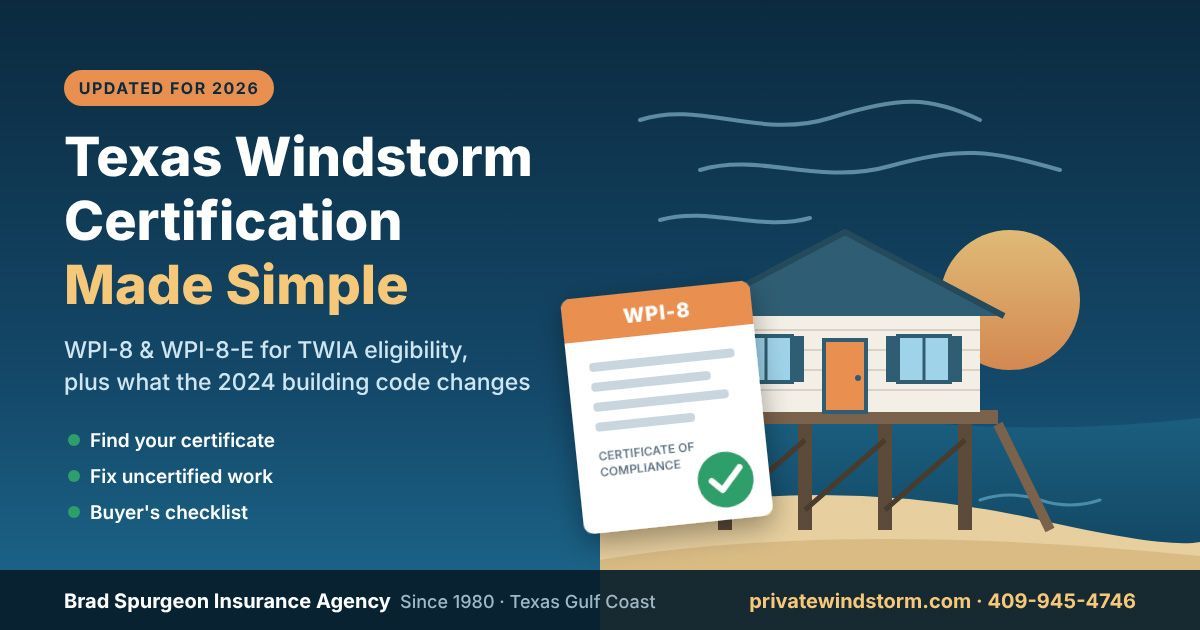
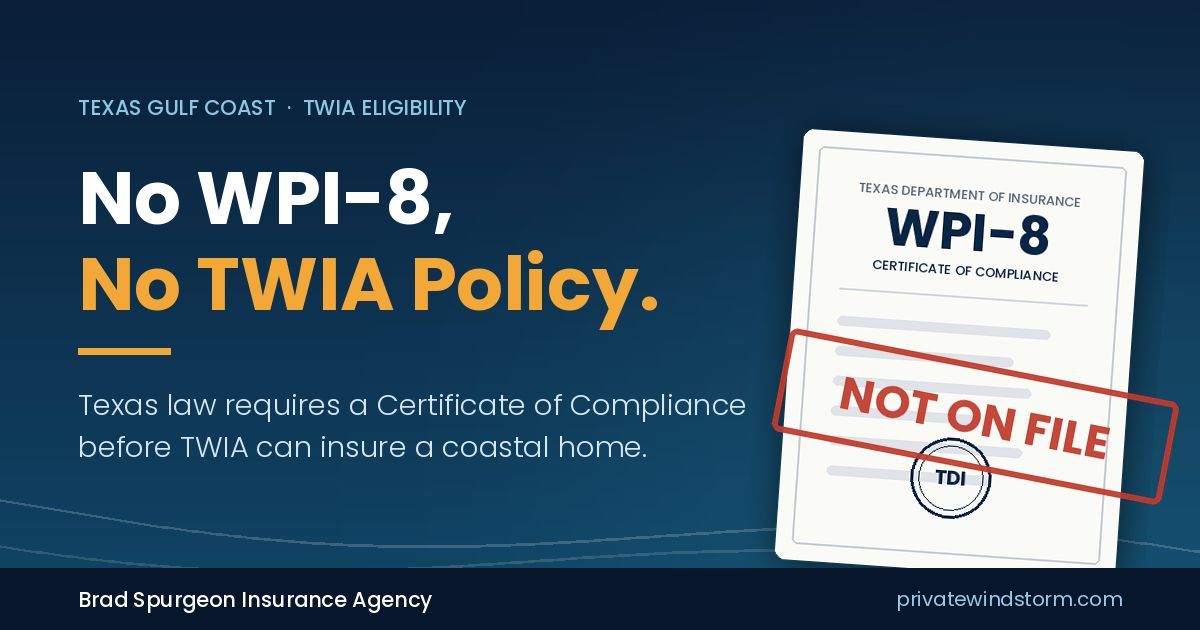
The Texas Windstorm Insurance Association (TWIA) provides windstorm and hail insurance to eligible properties in designated coastal areas where qualifying coverage is not available through the private insurance market.
TWIA serves eligible properties in 14 Texas coastal counties and certain portions of Harris County.
However, not every coastal homeowner is required to purchase insurance through TWIA.
Eligibility generally depends on the property's location, availability of private
windstorm coverage, and compliance with applicable construction and inspection requirements.
Windstorm insurance is not universally required by Texas law, although mortgage lenders may require it as a condition of financing.
For Texas City homeowners, reviewing whether wind and hail coverage is included in an existing homeowners policy is an important first step.
How Do You File a Wind Damage Insurance Claim?
Although procedures vary among insurers, most wind damage insurance claims follow several general steps.
Step 1: Check Your Property for Damage Safely
After a storm, inspect your property only when local authorities indicate that conditions are safe.
Look for missing shingles, broken windows, damaged siding, fallen branches, and visible signs of water entering the home.
Avoid climbing onto roofs or entering areas with damaged electrical wiring, unstable structures, or downed power lines.
When necessary, hire a qualified professional to assess damage that cannot be safely examined from the ground.
Step 2: Document the Damage
Take photographs and videos of affected areas before cleanup or repairs, whenever it is safe and practical.
Document damage to the roof, exterior walls, windows, fences, detached structures, and personal belongings.
Record the date of the storm and maintain copies of relevant repair estimates, receipts, and communications.
Detailed documentation can help your insurer evaluate the circumstances and extent of the loss.
Step 3: Prevent Additional Damage
Homeowners insurance policies generally require policyholders to take reasonable steps to protect insured property from further damage after a loss.
This may include arranging temporary roof coverings, securing broken windows, or removing standing water when safe.
Avoid performing dangerous repairs yourself.
Keep receipts for emergency materials and professional mitigation services.
Coverage for these expenses depends on the underlying loss, policy provisions, and reasonableness of the work performed.
Step 4: Report the Claim Promptly
Contact your
insurance company or agent as soon as reasonably possible.
Provide your policy number, the date of the damage, and a general description of what occurred.
Ask which documents are required and whether an insurance adjuster will inspect the property.
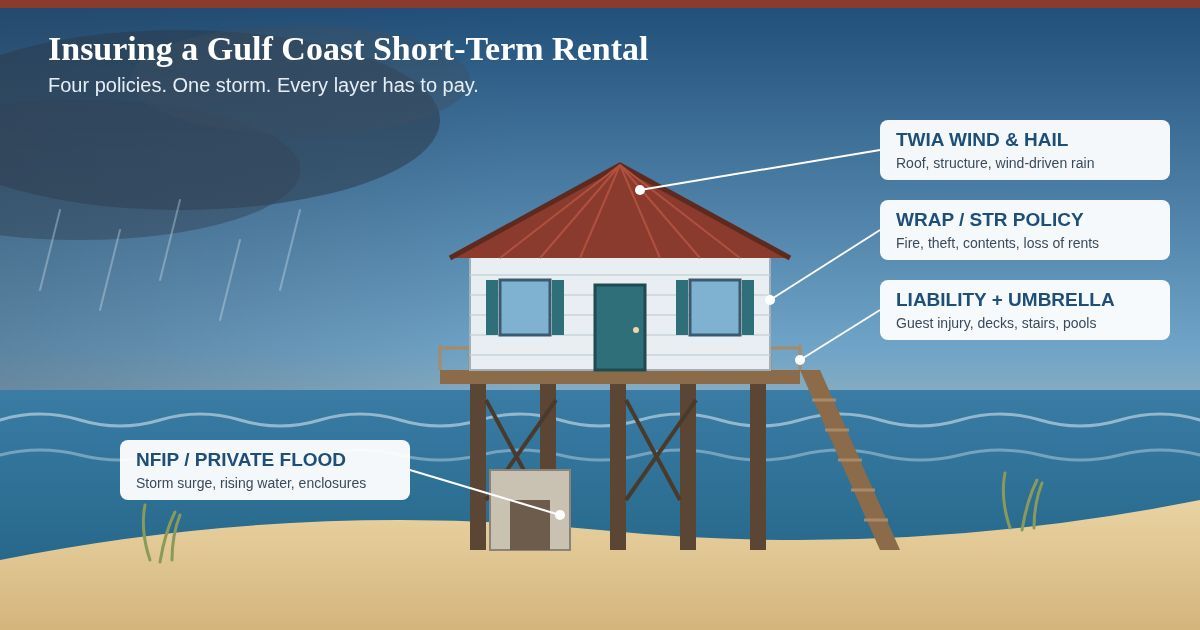
If you have separate homeowners, windstorm, and flood policies, you may need to report different types of damage to different insurers.
For TWIA claims, policyholders generally have one year from the date of loss to file a claim, subject to applicable law and any authorized extensions.
Other insurers may have different reporting requirements.
Step 5: Complete the Insurance Inspection
Your
insurance company may assign an adjuster to investigate the claim.
The adjuster may inspect the property, review photographs, request documentation, and prepare an estimate of covered damage.
You can provide contractor estimates and point out damage you believe should be evaluated.
Keep a record of the adjuster's contact information and any documents submitted.
The adjuster's assessment helps inform the insurer's claim decision, but the final coverage determination depends on the insurance contract and applicable law.
Step 6: Review the Settlement and Repair Process
If the claim is covered, the insurer will calculate payment according to the policy's coverage limits, deductible, valuation method, and other applicable provisions.
Some claims involve an initial payment followed by additional reimbursement after eligible repairs are completed.
Before authorizing major repairs, review the settlement estimate and confirm what work is covered.
If your contractor identifies additional damage, contact your insurer about the procedure for submitting a supplemental estimate.
How Do Windstorm Insurance Deductibles Work?
A deductible is the amount the policyholder must pay toward an insured loss under the applicable policy terms.
Windstorm deductibles are sometimes higher than deductibles for other covered property losses.
Some insurers express windstorm or hurricane deductibles as a percentage of the insured dwelling value.
For example, suppose a homeowner has a $300,000 dwelling coverage limit with a 2% windstorm deductible.
The applicable deductible would be $6,000.
If a covered windstorm causes $20,000 in eligible damage, the insurer's payment might be $14,000 after applying that deductible, assuming no other limitations or adjustments apply.
This is only an illustration. Actual claim payments depend on the policy and circumstances of the loss.
Homeowners should confirm whether their policy has separate windstorm, hail, hurricane, or named-storm deductibles.
Will Insurance Pay to Repair or Replace a Wind-Damaged Roof?
Roof damage is one of the most common concerns after a major
windstorm.
Insurance may cover eligible repairs when a covered event damages roofing materials.
However, an insurer is not automatically required to replace an entire roof whenever some shingles are damaged.
The appropriate settlement depends on the policy's coverage terms, the extent of covered damage, repair feasibility, and any applicable building requirements.
Replacement Cost Coverage
Replacement cost coverage generally values eligible repairs or replacement without deducting depreciation, subject to policy conditions.
An insurer may initially issue a payment reflecting depreciation and release additional eligible funds after repairs are performed and required documentation is submitted.
Actual Cash Value Coverage
Actual cash value generally considers depreciation when determining the value of damaged property.
Consequently, an older roof insured on an actual cash value basis may produce a lower settlement than the same roof insured under qualifying replacement cost provisions.
Some
policies also contain roof payment schedules, cosmetic damage exclusions, or other special endorsements.
Normal wear, deterioration, and preexisting damage generally do not qualify for payment merely because a storm occurred.
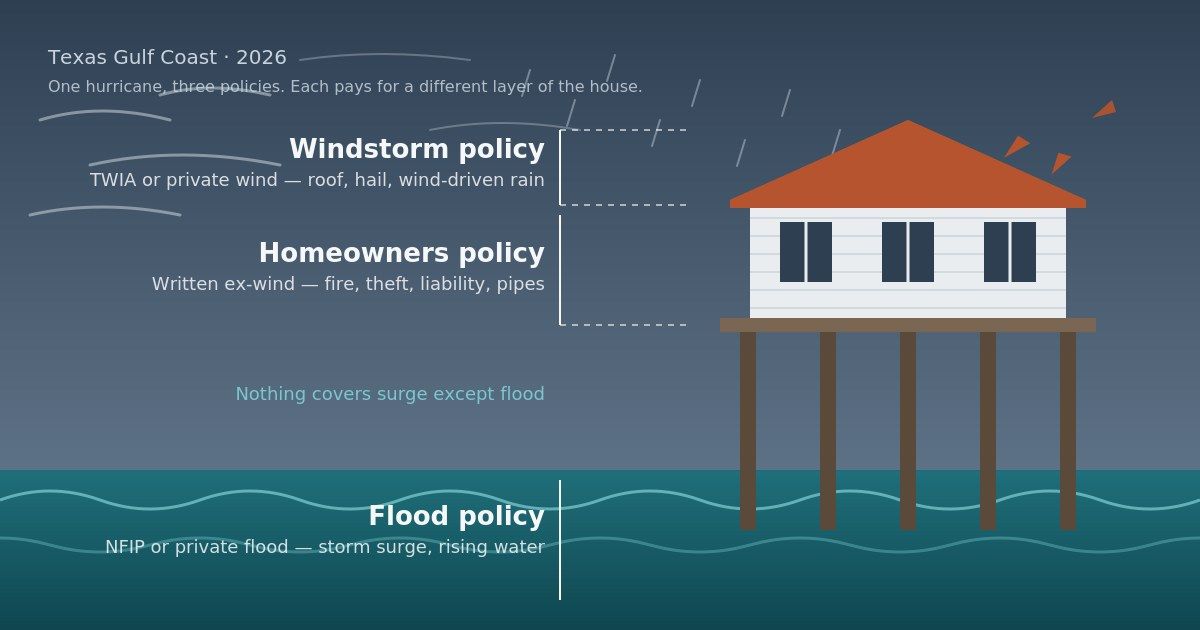
What Happens When Wind and Flooding Cause Damage During the Same Storm?
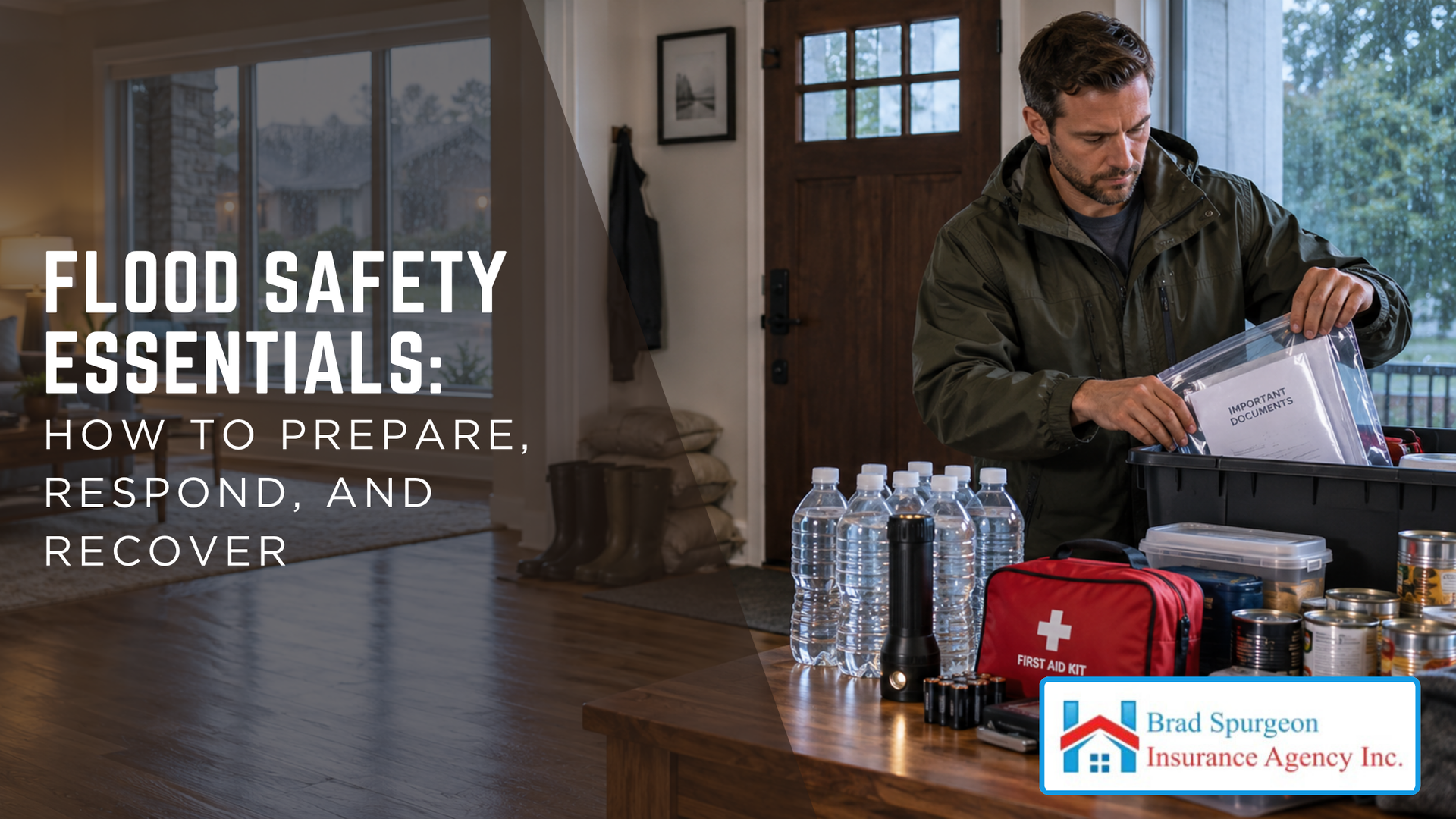
Hurricanes and tropical storms can produce several types of damage at the same property.
Wind may damage the roof or exterior walls, while storm surge or rising surface water may flood the building.
These causes of loss can involve different insurance policies.
Windstorm insurance generally addresses covered wind and hail damage. Flood insurance generally addresses covered losses caused by flooding.
Standard homeowners policies typically exclude flooding.
Understanding Concurrent-Causation Clauses
Some property insurance contracts contain anti-concurrent-causation provisions.
These clauses may affect coverage when excluded and covered causes contribute to the same damage, whether they occur together or in a sequence.
However, the presence of wind and flooding during the same storm does not automatically mean that every part of the loss is excluded.
The outcome depends on the policy language, evidence establishing the cause of damage, applicable law, and whether particular losses can be distinguished.
For example, roof damage directly attributable to wind may require a different coverage analysis from damage caused by storm surge entering the home.
Homeowners should avoid assuming that either insurance policy will cover all storm-related damage.
When the cause of loss is disputed, request a written explanation from the insurer and consider obtaining appropriate professional assistance.
How Long Does a Wind Damage Insurance Claim Take in Texas?
Texas law establishes claim-handling requirements for many property insurance claims, although the applicable rules and exceptions depend on the insurer and policy.
For many standard claims, insurers generally must acknowledge the claim and begin their investigation within 15 business days.
After receiving the information reasonably needed to evaluate a claim, an insurer generally has 15 business days to notify the policyholder whether the claim is accepted or rejected.
Certain extensions and catastrophe-related exceptions may apply.
TWIA claims are governed by a distinct statutory framework and should not be assumed to follow the same deadlines as ordinary homeowners claims.
The total time required to settle a claim can vary based on damage severity, documentation, inspections, disputes, and repair conditions.
Homeowners should respond promptly to reasonable information requests and keep written records throughout the process.
What If Your Wind Damage Insurance Claim Is Denied or Underpaid?
If you believe the insurer overlooked damage or calculated an insufficient settlement, begin by requesting a written explanation and a copy of the estimate.
Review the relevant coverage provisions and compare the insurer's findings with photographs, inspection reports, and contractor estimates.
Ask whether the insurer will reconsider its decision or review newly discovered damage.
Understanding Appraisal and Dispute Resolution
Some insurance
policies provide an appraisal procedure for disagreements over the amount of a covered loss.
Appraisal generally addresses valuation disputes rather than automatically resolving every coverage disagreement.
Texas has established specific appraisal requirements for certain residential property policies issued or renewed after January 1, 2026.
TWIA has its own requirements and deadlines for appraisal, supplemental payments, and claim disputes.
These deadlines can be particularly important. Depending on the TWIA policy and type of coverage, certain disputes may involve a 60-day deadline or a longer period tied to replacement cost repairs.
Before pursuing appraisal or other dispute resolution options, review the applicable requirements and obtain qualified assistance when necessary.
Policyholders may also contact the Texas Department of Insurance for help understanding the complaint process.
How Can You Choose a Reliable Storm Damage Contractor?
After severe weather, homeowners may receive offers from roofing and restoration companies seeking repair work.
Select contractors carefully and avoid signing agreements before understanding the scope of work and payment terms.
Request written estimates and check references, business information, and appropriate insurance coverage.
Be cautious of unusually large upfront payment requests, high-pressure sales tactics, or promises of guaranteed insurance settlements.
Texas law prohibits contractors from waiving, rebating, or absorbing an insured property owner's deductible.
A contractor performing repair work also cannot act as the public insurance adjuster for that same project.
For coastal properties, confirm whether permanent repairs require local permits or windstorm construction inspections.
Conclusion
Understanding wind damage insurance claims can help homeowners make informed decisions after severe weather.
Documenting damage, reporting losses promptly, arranging safe temporary repairs, and reviewing settlement estimates are important steps in the claims process.
Homeowners should also understand the differences between homeowners,
windstorm, and flood insurance, particularly when multiple causes contribute to property damage.
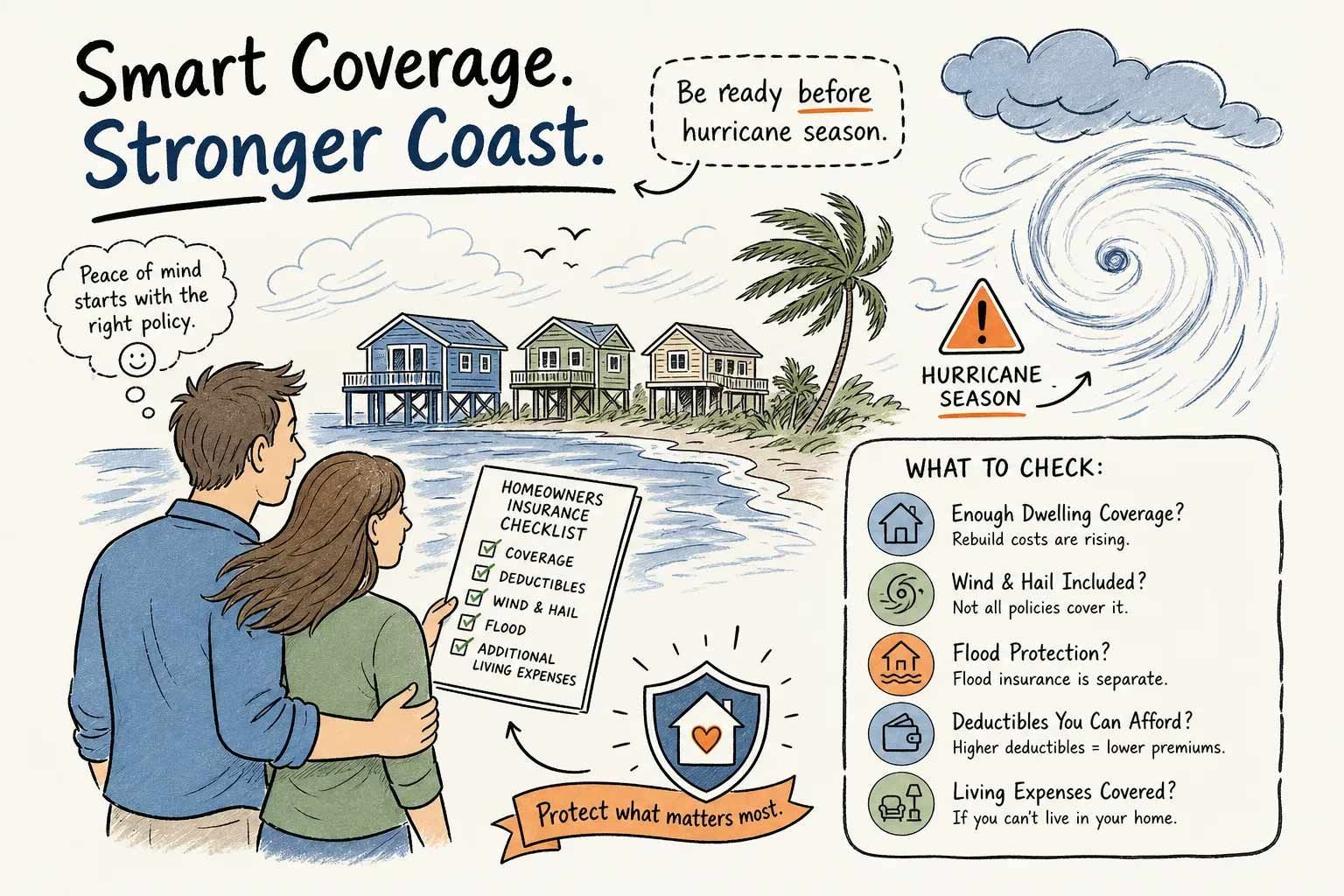
For residents of Texas City, TX, reviewing wind and hail coverage before hurricane season can help identify potential gaps and clarify which insurance company should receive a claim.
Explore Windstorm Insurance With Brad Spurgeon Insurance Agency
At Brad Spurgeon Insurance Agency, we help Texas homeowners explore windstorm, homeowners, and flood insurance options suited to their property protection needs.
Whether you want to review existing coverage, understand windstorm deductibles, or compare available policies, our team can help you evaluate your insurance options.
Brad Spurgeon Insurance Agency
Texas City, TX
Phone: (409) 945-4746
Email: brad@bradspurgeonins.com
Website: https://www.privatewindstorm.com/
Contact Brad Spurgeon Insurance Agency today to discuss your windstorm insurance needs and explore coverage options for your Texas property.
Insurance benefits, claim deadlines, exclusions, settlement procedures, deductibles, and coverage eligibility depend on the specific policy and applicable law. This article provides general educational information and does not guarantee claim approval or payment.