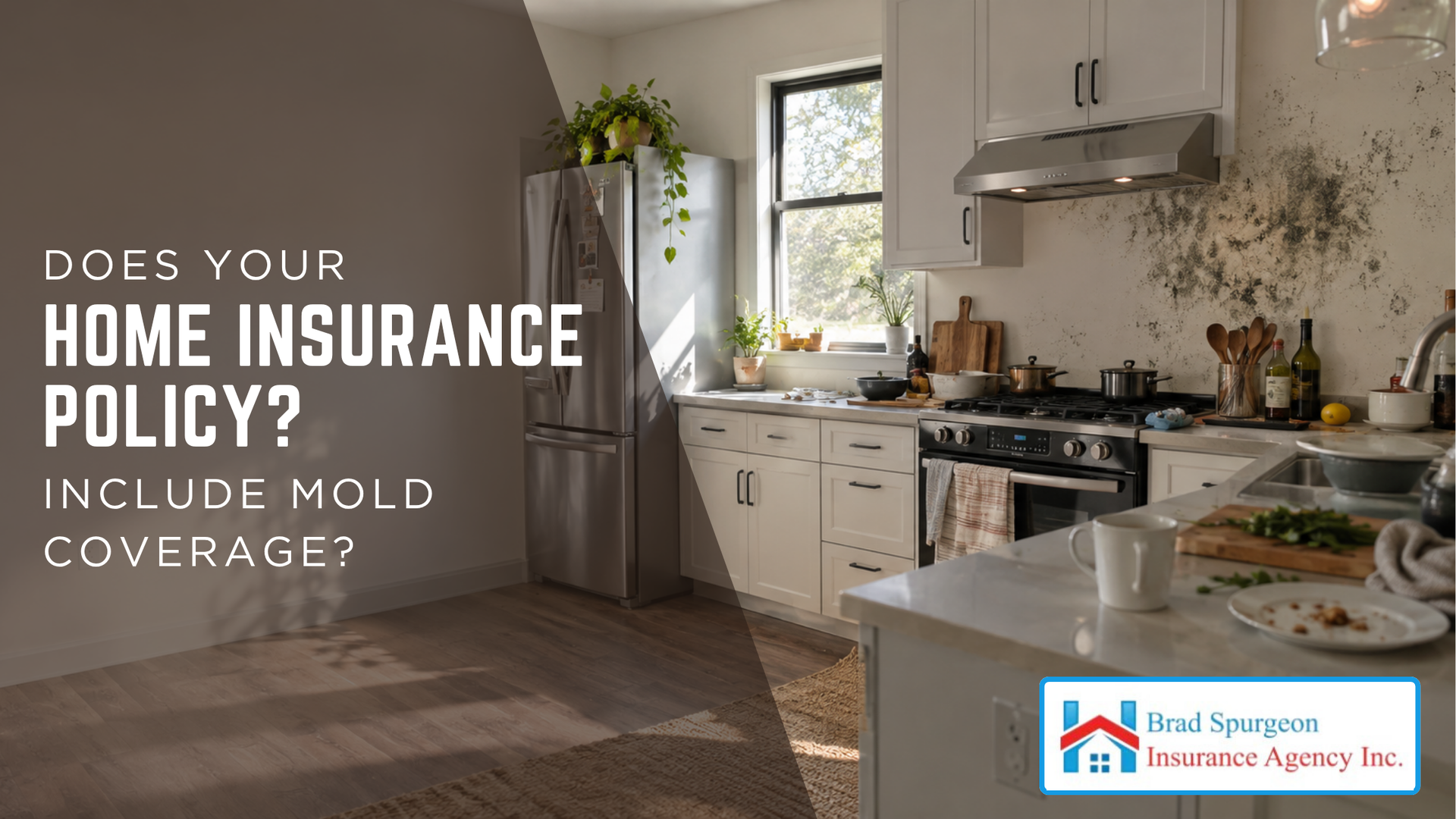
Mold has a way of showing up in Texas City homes when you least expect it, and Gulf Coast humidity doesn't make it any easier to
avoid. Between hurricane-season moisture, everyday humidity, and the occasional leaky pipe or roof, it's one of the more common issues local homeowners run into, and also one of the more misunderstood when it comes to insurance.
Whether mold damage is covered under your homeowners policy usually comes down to one question: what caused the moisture in the first place. Understanding that distinction now, before you're filing a claim, can save you a lot of frustration later.
Why Mold Coverage Depends on the Source of the Moisture
Mold needs moisture to grow, and it becomes a problem specifically when that moisture goes undetected or unaddressed. Flooding, high indoor humidity, and slow leaks from a damaged roof or pipe are the most common culprits along the coast, and each one gets treated differently by an insurance policy.
Most standard
homeowners policies exclude mold damage outright. That said, exclusion doesn't automatically mean denial. When mold growth results from a sudden, accidental, and otherwise covered peril, like a burst pipe or storm-related roof damage, the cost of remediation is often covered as part of that claim. Where insurers draw the line is neglect. If mold develops because a leak went unnoticed or unaddressed for weeks or months, that claim is far more likely to be denied.
It's worth pulling out your policy and reading the water damage section closely, specifically for any mold limitations or exclusions. If anything in that language is unclear, that's exactly the kind of question your agent should be answering before a claim, not during one.
How Much Mold Coverage a Standard Policy Actually Provides
Even when mold coverage applies, it's rarely unlimited. Most
standard homeowners policies cap mold remediation and repair coverage somewhere between $1,000 and $10,000, which can disappear quickly once contractors, testing, and materials get factored in.
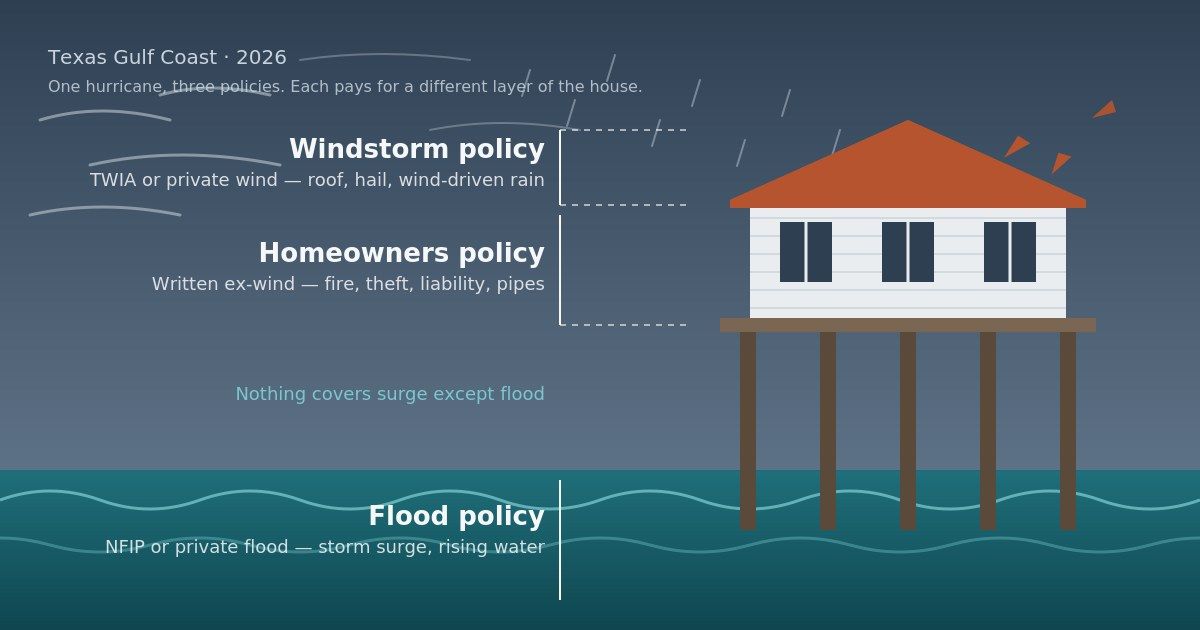
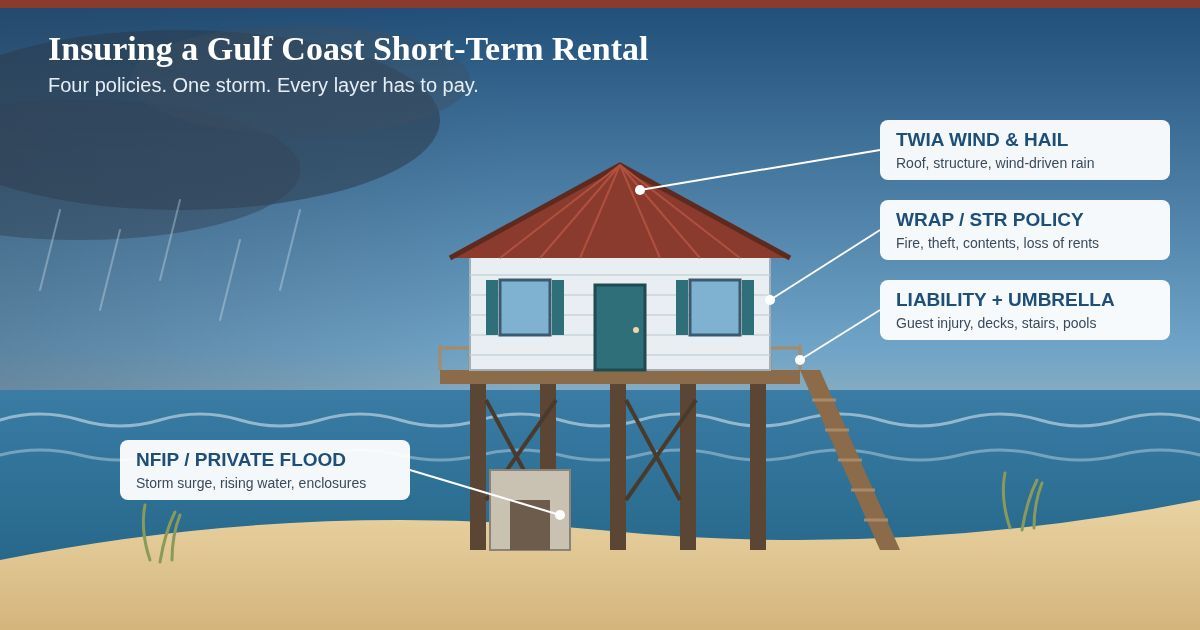
One exclusion trips up more Texas City homeowners than any other: mold damage caused by flooding is not covered under a standard homeowners policy, full stop. Since flood insurance is always a separate policy purchased through the NFIP or a private carrier, any mold that develops after a flood event falls outside your homeowners coverage entirely and needs to be addressed through your flood policy instead.
When Additional Mold Coverage Makes Sense
For homeowners who want a stronger safety net, additional mold coverage can be added on top of a standard
policy. Premiums for that extra protection vary based on where you live and your home's value, typically running anywhere from $100 to $1,500 annually.
A few factors tend to push that cost up or down. Older homes in humid coastal climates generally cost more to insure against mold than newer homes built in drier regions, and homes constructed within the last several years are more likely to use mold-resistant woods, paints, and drywall, which lowers the underlying risk an insurer is pricing for.
Practical Ways to Keep Mold From Becoming a Claim
The most effective way to avoid a denied mold claim is never needing to file one. A handful of routine habits go a long way toward keeping moisture, and the mold that follows it, out of your home:
- Choose paints and primers with built-in mold inhibitors for humid or damp-prone rooms
- Clean gutters regularly and check your roof for signs of leaks, especially before hurricane season
- Inspect hoses and fittings on toilets, sinks, and major appliances for slow leaks
- Run air conditioners, dehumidifiers, or exhaust fans to keep indoor humidity in check
- Use mold-eliminating household cleaners in bathrooms, kitchens, and other high-moisture areas
- Avoid carpeting in bathrooms, basements, and other spaces prone to standing moisture
- If your home does take on water, remove and dry out carpet, padding, and upholstery within 48 hours to limit growth
Protecting Your Home Starts With the Right Policy
Staying ahead of mold with good maintenance habits matters, but knowing exactly what your
policy covers, and what it doesn't, matters just as much. As an independent agency, Brad Spurgeon Insurance Agency helps Texas City homeowners find coverage they can actually rely on when something goes wrong. Call us at (409) 945-4746 or request a free home insurance quote online, and let's make sure your policy is built to handle whatever Gulf Coast humidity throws at it.
At Brad Spurgeon Insurance Agency, we've been helping
homeowners across the Texas Gulf Coast navigate these decisions since 1980, working with 50 Texas carriers to build coverage that actually holds up when it's tested. Call our Texas City office at (409) 945-4746 or request a free quote online, and let's make sure your policy is ready for whatever the season brings.
Disclaimer: The information presented in this blog is intended for informational purposes only and should not be considered as professional advice. It is crucial to consult with a qualified insurance agent or professional for personalized advice tailored to your specific circumstances. They can provide expert guidance and help you make informed decisions regarding your insurance needs.
Brad Spurgeon Insurance Agency
Texas City, TX
(409) 945-4746
brad@bradspurgeonins.com
https://www.privatewindstorm.com