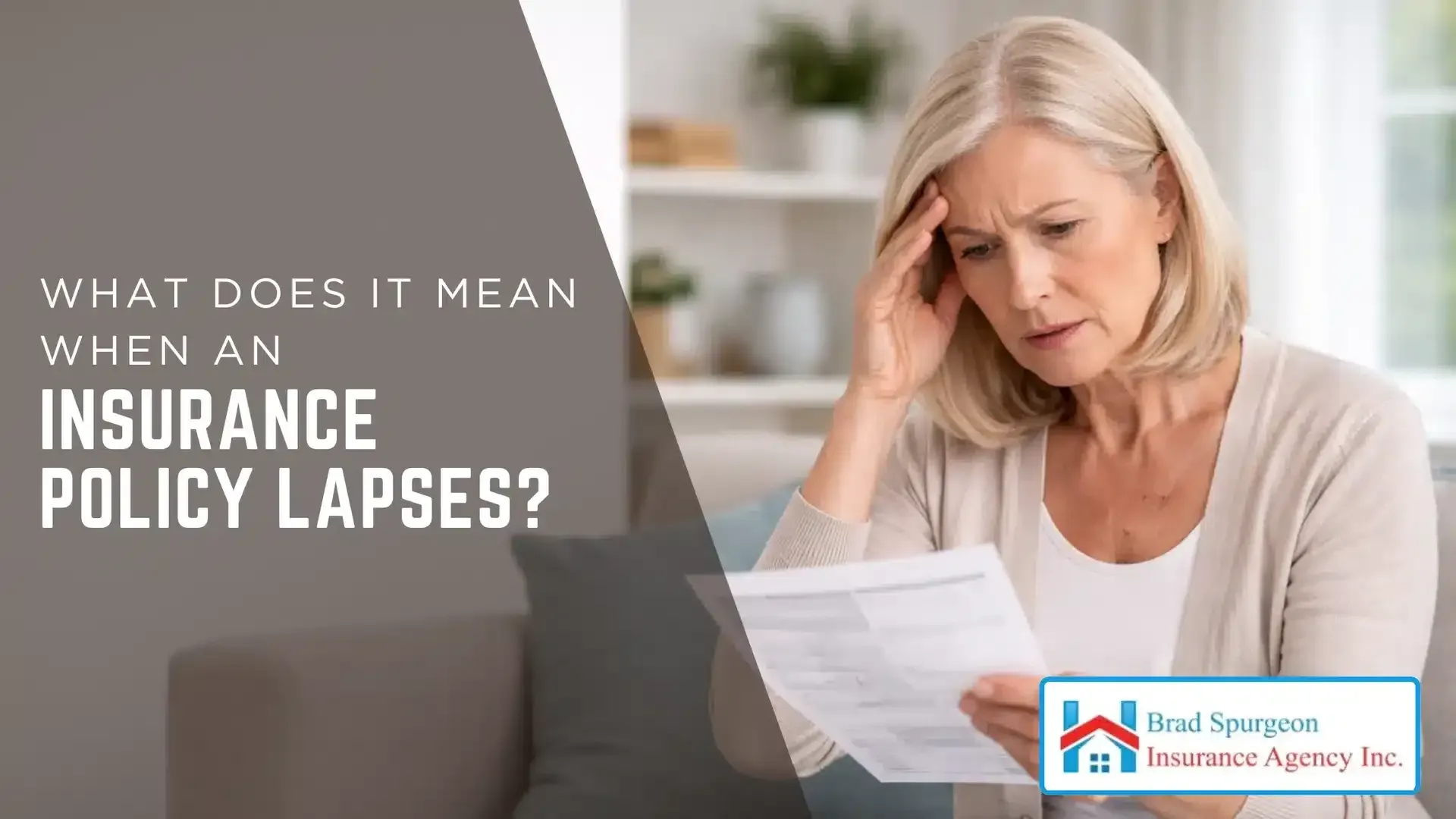
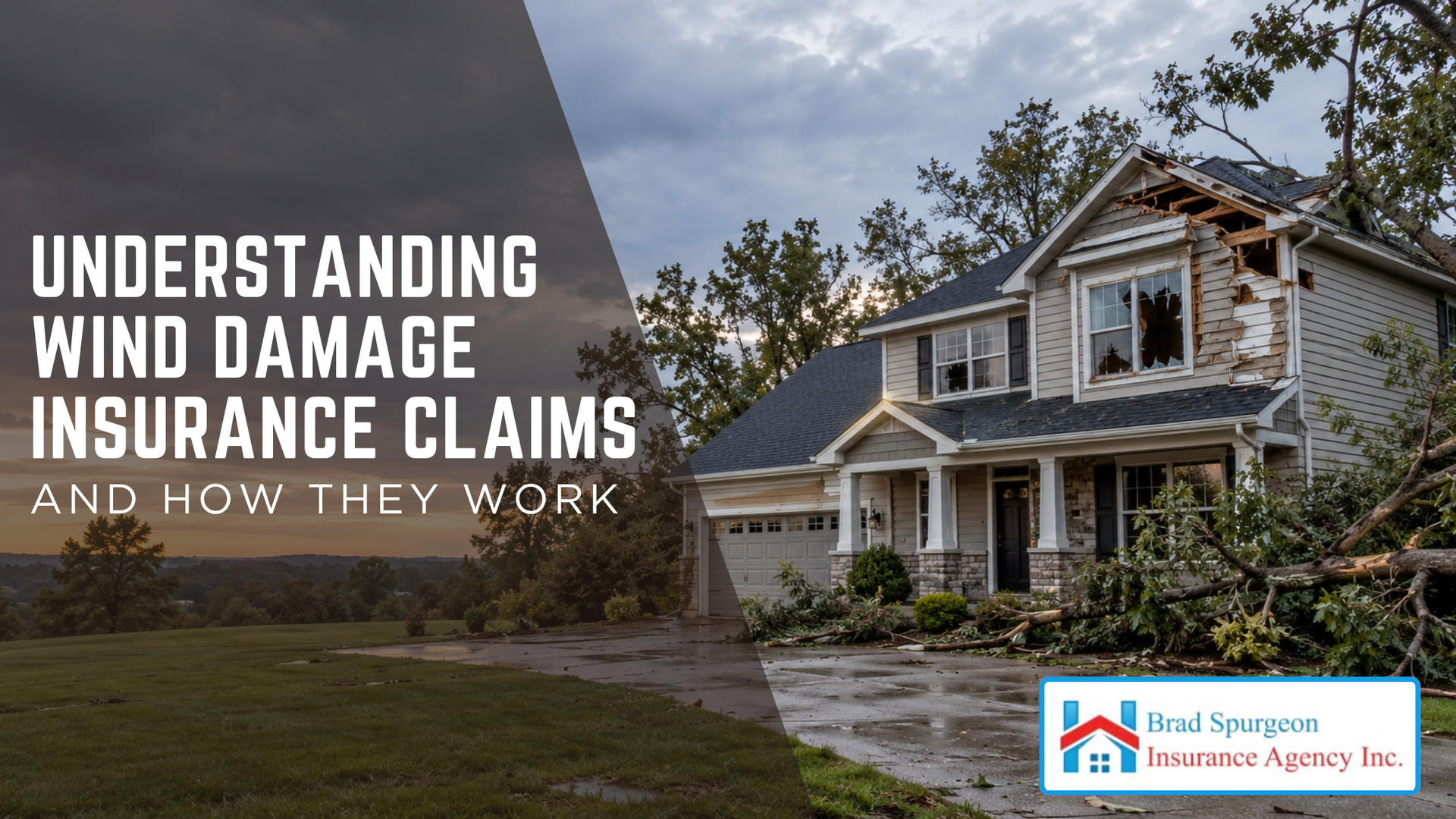
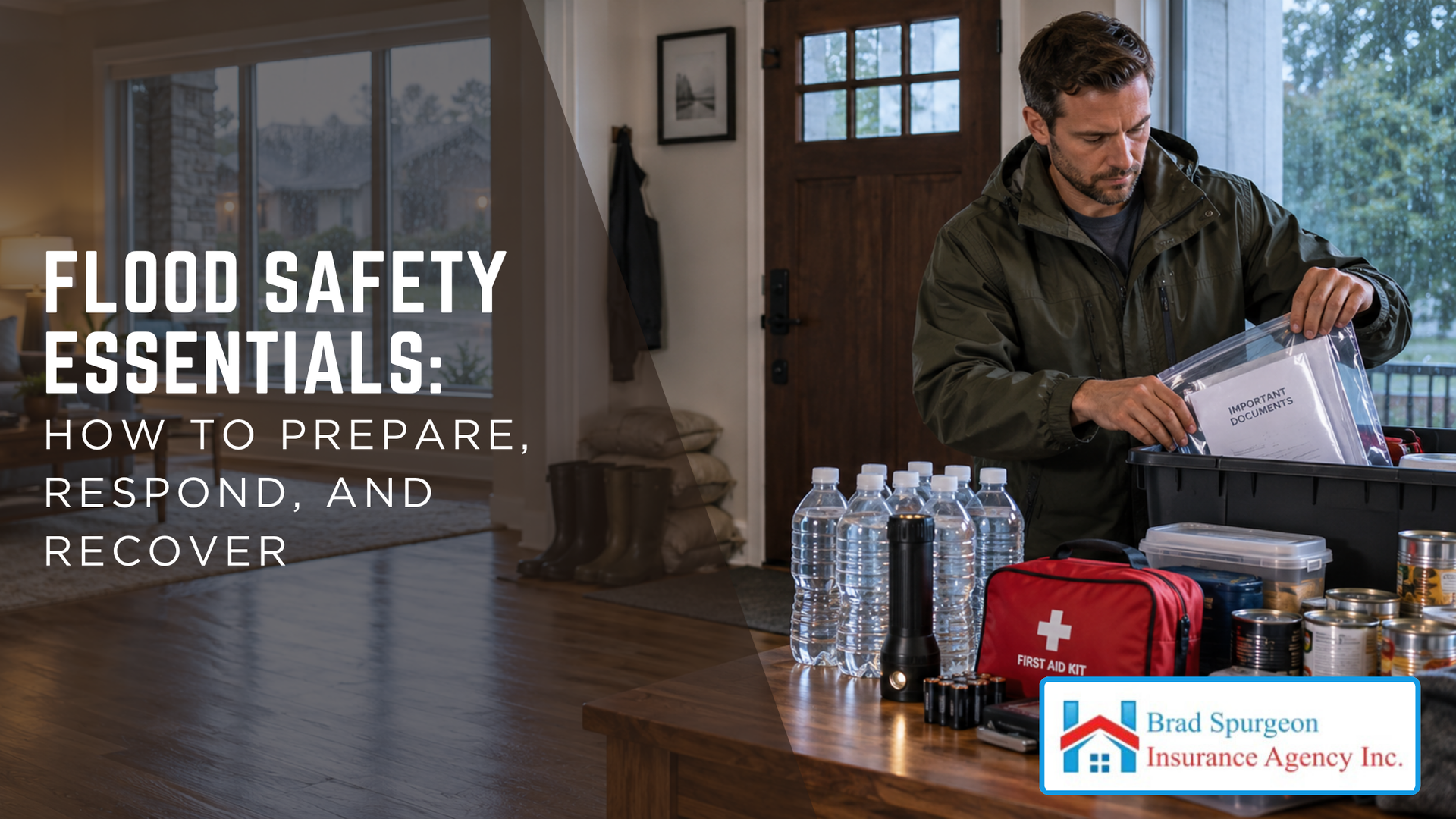
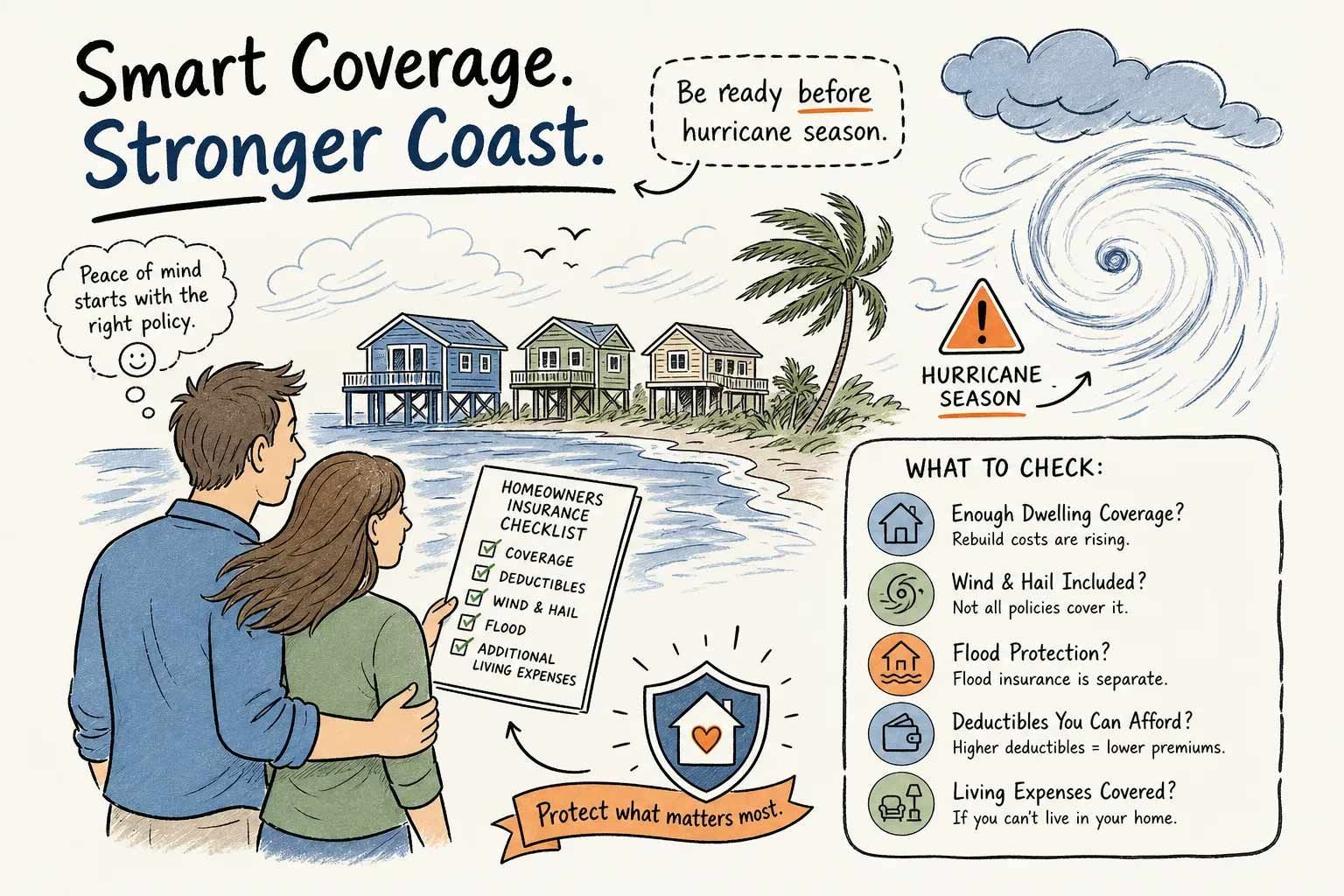
An insurance lapse can create serious financial exposure, especially when it happens without the policyholder realizing coverage has ended. For individuals and businesses in Texas City, TX, understanding why policies lapse and what to do next can help prevent avoidable gaps, penalties, and uninsured losses.
What Is an Insurance Policy Lapse?
An
insurance policy lapses when coverage ends because the policyholder did not meet one or more requirements necessary to keep the policy active. The most common reason is nonpayment of premium, but a lapse may also result from incomplete renewal paperwork, an expired payment method, missed documentation requests, or failure to satisfy underwriting conditions.
Once a policy has lapsed, the insurance company is generally no longer responsible for losses that occur after the effective cancellation date. Even a short gap can matter. If a fire, collision, theft, liability claim, or storm loss occurs during the lapse period, the insurer may deny coverage because the policy was not active when the event happened.
A lapse is different from a claim denial under an active policy. With a lapse, the central issue is whether coverage existed at all on the date of loss.
Common Reasons Insurance Policies Lapse
Policies can lapse for several reasons, and some are less obvious than simply forgetting to make a payment.
Common causes include:
- A premium payment was missed or returned.
- A debit or credit card expired.
- Automatic payments were not updated after a bank change.
- Renewal documents were not signed or returned.
- The insurer requested inspections, repairs, or records that were not completed.
- The policyholder moved and did not receive notices.
- The mortgage company stopped paying premiums from escrow.
- A policy was replaced, but the new coverage never became effective.
- The insurer declined to renew the policy and replacement coverage was not secured in time.
In our work with clients, one frequent problem is assuming that automatic payment guarantees uninterrupted coverage. If an account is closed, a card expires, or a bank rejects the transaction, the payment may fail without the policyholder noticing immediately.
How Grace Periods Work
Some insurance policies include a grace period that provides additional time to make a past-due payment before coverage terminates. The length and availability of a grace period depend on the policy type, insurer, payment arrangement, and applicable state requirements.
A grace period should not be treated as extra time built into every billing cycle. In some cases, coverage may remain active during the grace period. In others, reinstatement may depend on receiving payment before a stated deadline.
Life insurance policies commonly include a defined grace period for missed premiums. Auto, home, flood, commercial, and specialty policies may follow different cancellation procedures.
Policyholders should review all billing notices carefully and contact the insurer or agent immediately when a payment is late. Waiting until the final day can create additional risk if electronic processing is delayed or the payment is rejected.
What Happens After a Policy Lapses?
The consequences depend on the type of insurance and how long the policy has been inactive.
Homeowners Insurance
If
homeowners insurance lapses while a mortgage is active, the lender may purchase force-placed insurance. This coverage is typically designed to protect the lender’s financial interest rather than provide the same protection as a standard homeowners policy.
Force-placed insurance may cost significantly more and may offer limited protection for personal property, liability, temporary living expenses, or other homeowner needs. The cost is usually charged to the borrower.
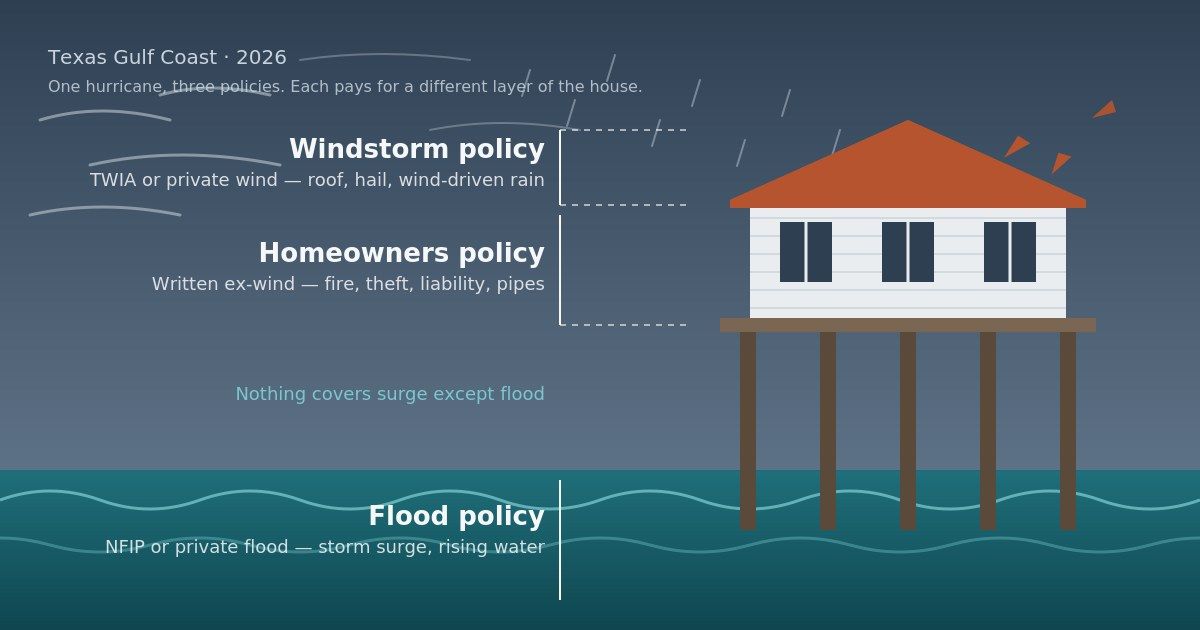
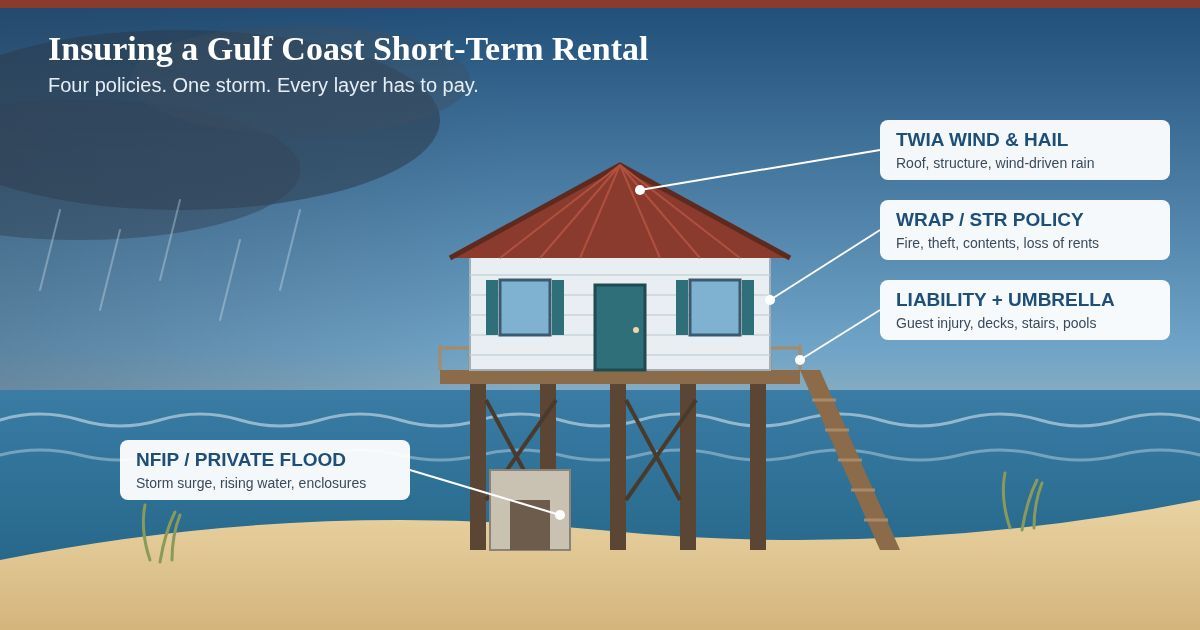
For coastal properties near Bay Street Park or neighborhoods closer to Galveston Bay, a lapse can be especially concerning because wind, hail, water, and storm-related exposures may arise with little warning.
Auto Insurance
An
auto insurance lapse can result in uninsured driving, registration problems, lender violations, fines, or higher future premiums. If the vehicle is financed or leased, the contract usually requires continuous comprehensive and collision coverage.
Driving during a lapse may also leave the vehicle owner personally responsible for property damage, injuries, legal expenses, and vehicle repairs after an accident.
Life Insurance
When a
life insurance policy lapses, the death benefit may no longer be available. Some permanent policies may remain in force temporarily through cash value provisions, reduced paid-up insurance, or automatic premium loans, depending on the contract.
Policyholders should not assume a policy still has value simply because premiums were paid for many years. The insurer should confirm the current status in writing.
Business Insurance
A lapse in general liability, commercial property, workers compensation, professional liability, or commercial auto insurance can expose a
business to substantial losses. It may also violate lease agreements, client contracts, licensing requirements, or loan terms.
A certificate of insurance does not keep coverage active. It only reflects policy information as of the date issued and does not override a cancellation or lapse.
Can a Lapsed Policy Be Reinstated?
Some insurers allow reinstatement when the lapse is recent and the outstanding premium is paid. However, reinstatement is not automatic.
The insurer may require:
- Payment of all past-due premiums
- A signed no-loss statement
- Updated underwriting information
- A property inspection
- Evidence of repairs
- A new application
- Proof that no loss occurred during the lapse
A no-loss statement confirms that the policyholder is not aware of any accident, damage, claim, or circumstance that occurred during the uninsured period. Providing inaccurate information may lead to claim denial, cancellation, or allegations of material misrepresentation.
The effective date is also critical. A reinstated policy may resume retroactively without a gap, or it may begin only when the insurer approves reinstatement. Policyholders should obtain written confirmation instead of relying solely on a verbal discussion.
How a Lapse Can Affect Future Premiums
Insurance companies often consider prior coverage history when evaluating a new application. A lapse may lead to higher premiums, reduced eligibility, stricter payment requirements, or fewer carrier options.
The impact can depend on:
- The length of the lapse
- The reason coverage ended
- The type of policy
- Prior claims
- The property or vehicle condition
- Whether a lender or state requirement was violated
- The applicant’s broader insurance history
A brief administrative gap that is corrected quickly may be treated differently from a prolonged period without coverage. Still, continuous insurance history is generally preferable.
What to Do When You Discover a Lapse
If you learn that a policy has lapsed, act promptly:
- Contact the insurance agency or carrier.
- Confirm the exact date and time coverage ended.
- Ask whether reinstatement is available.
- Request the amount required to restore coverage.
- Verify whether coverage will be retroactive.
- Disclose any loss or damage that occurred during the gap.
- Secure replacement coverage immediately if reinstatement is unavailable.
- Notify the lender, landlord, or contracting party when required.
- Obtain written proof of the new effective date.
Do not delay purchasing replacement insurance while disputing the lapse. A disagreement with the prior insurer does not provide temporary protection.
How to Prevent Future Coverage Gaps
Policyholders in Texas City, TX can reduce lapse risk by reviewing payment and renewal procedures regularly.
Practical safeguards include:
- Enrolling in automatic payments
- Keeping a backup payment method available
- Updating contact and mailing information
- Reviewing escrow statements
- Opening all insurer notices promptly
- Tracking renewal dates
- Confirming requested inspections or repairs
- Verifying that replacement coverage is active before canceling an old policy
- Keeping copies of payment confirmations and policy documents
A common mistake is canceling an existing policy after receiving a quote for new coverage but before the replacement policy is formally issued. A quote is not proof of insurance.
Conclusion
An
insurance policy lapse means coverage has ended, often because of missed payment, incomplete renewal requirements, or unresolved underwriting issues. Because claims occurring during the gap may not be covered, policyholders should confirm effective dates, seek reinstatement quickly, and secure replacement insurance when necessary.
At Brad Spurgeon Insurance Agency Inc., we aim to provide comprehensive insurance policies that make your life easier. We want to help you get insurance that fits your needs. You can get more information about our products and services by calling our agency at (409) 945-4746. Get your free quote today by
CLICKING HERE.
Disclaimer: The information presented in this blog is intended for informational purposes only and should not be considered as professional advice. It is crucial to consult with a qualified insurance agent or professional for personalized advice tailored to your specific circumstances. They can provide expert guidance and help you make informed decisions regarding your insurance needs.
Brad Spurgeon Insurance Agency
Texas City, TX
(409) 945-4746
https://www.privatewindstorm.com/