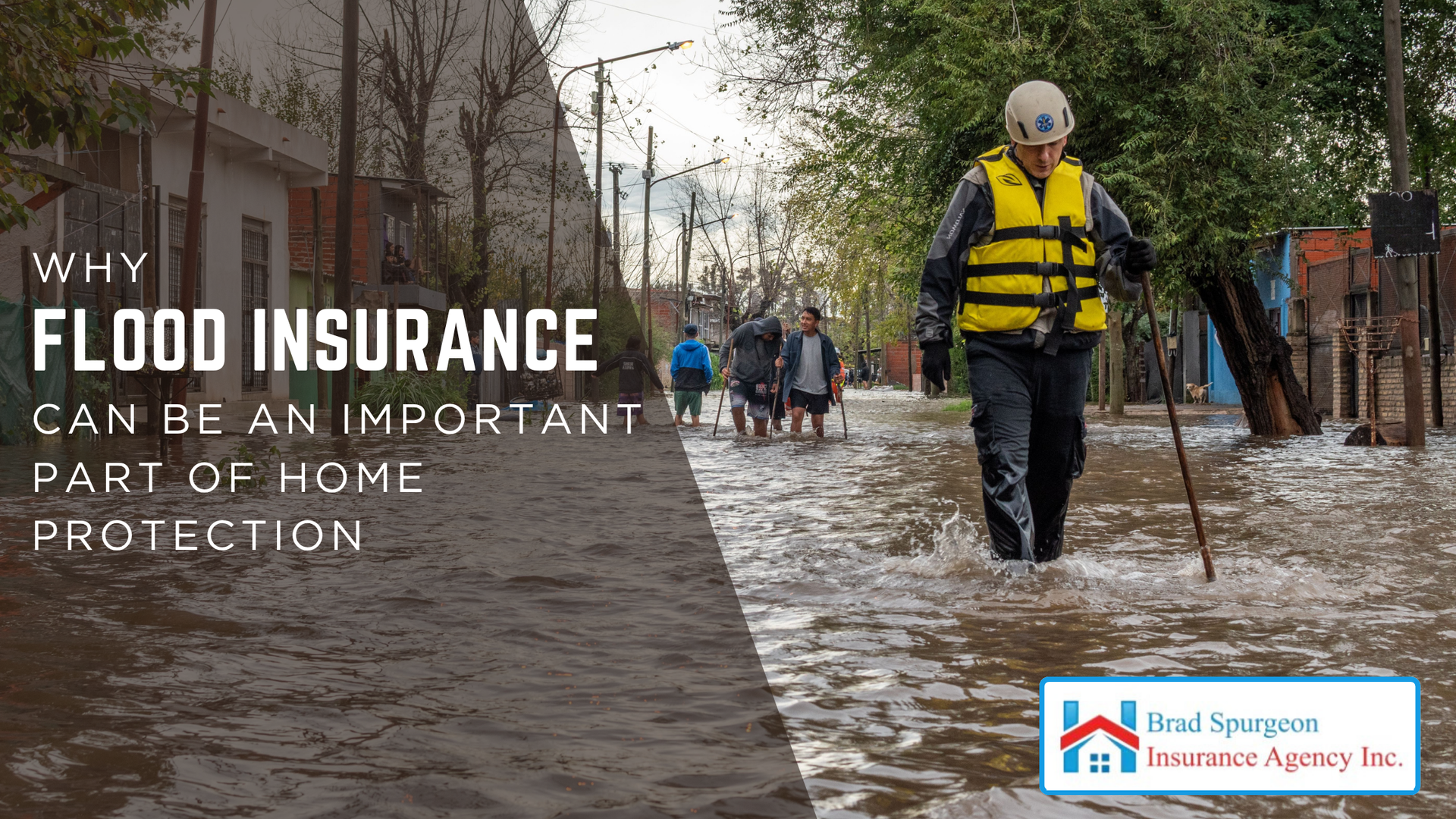
Flooding can happen quickly, leaving families with little time to protect their homes and reach safety. Heavy rainfall, overflowing waterways, tropical storms, and storm surge can create dangerous conditions, particularly in coastal communities.
The most important flood safety steps are to prepare an emergency plan, assemble essential supplies, follow evacuation instructions, avoid floodwater, and return home only when authorities confirm it is safe. Taking these precautions can reduce the risk of injury and help families respond more effectively during an emergency.
For residents of Texas City, TX, flood preparedness is especially important because of the area's proximity to Galveston Bay and the Texas Gulf Coast.
How Can You Prepare Before a Flood?
Flood preparation begins well before severe weather appears in the forecast. Understanding your property's exposure and establishing a household emergency plan can help you make decisions quickly when conditions change.
Understand Your Property's Flood Risk
Flooding is not limited to properties located in designated high-risk flood zones. Heavy rainfall, drainage problems, coastal storm surge, and overflowing waterways can affect properties outside these areas.
Homeowners can review flood risk information through FEMA's Flood Map Service Center and follow local emergency management guidance.
Because flood maps cannot predict every potential flooding event, residents should also consider their property's drainage conditions, elevation, and history of nearby flooding.
Create a Family Emergency Plan
Every household should have a plan that explains what to do if flooding threatens the home.
Identify evacuation routes, possible shelter locations, and a safe meeting place in case family members become separated.
Consider the needs of children, older adults, individuals with disabilities, and household pets.
Keep emergency contact information accessible and discuss how family members will communicate if phone service becomes unreliable.
Practice the evacuation plan periodically so everyone understands what to do when authorities issue instructions.
What Emergency Supplies Should You Keep Ready?
An emergency supply kit can help your household manage temporary interruptions to electricity, clean water, transportation, and other essential services.
Prepare enough supplies for at least three days, and consider maintaining additional supplies when practical.
Drinking Water and Nonperishable Food
Store at least one gallon of drinking water per person per day for several days, allowing additional water for medical needs, hot weather, and pets.
Choose sealed drinking water containers and store them according to manufacturer recommendations.
Keep a supply of nonperishable foods that do not require refrigeration or extensive preparation.
Canned foods, shelf-stable meals, nutrition bars, and other ready-to-eat items are practical options.
Include a manual can opener, infant formula when needed, and food appropriate for household members with dietary restrictions.
First Aid and Prescription Medications
A well-stocked first-aid kit should include bandages, sterile gauze, antiseptic supplies, disposable gloves, and other basic medical items.
Keep necessary prescription medications accessible and discuss emergency refill arrangements with your pharmacist or healthcare provider.
Households using powered medical equipment should plan for electricity interruptions and identify appropriate backup arrangements.
Emergency Tools and Personal Supplies
Useful emergency supplies include:
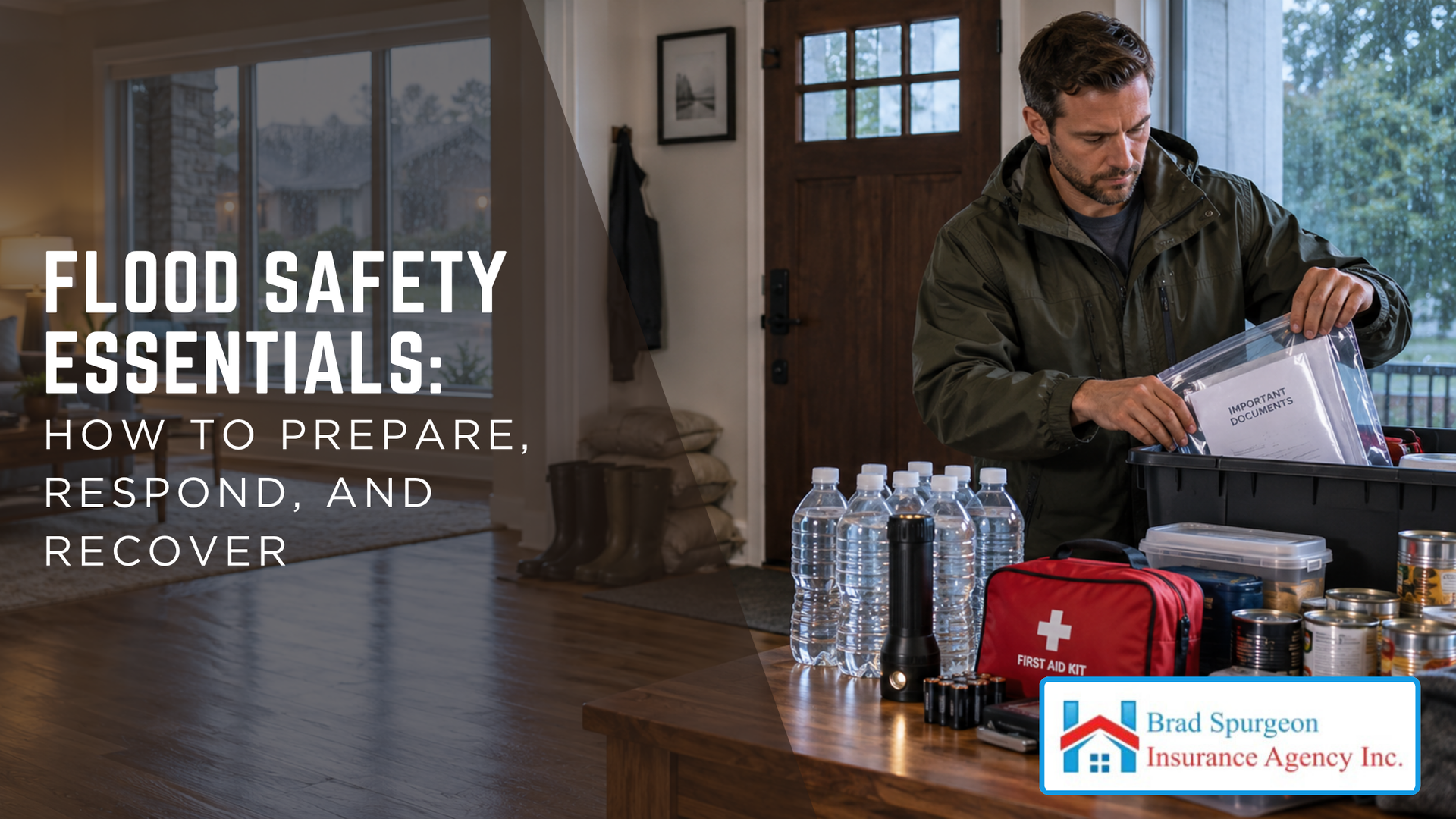
- Battery-powered or hand-crank NOAA Weather Radio
- Flashlights, spare batteries, and portable phone chargers
- First-aid supplies and essential medications
- Drinking water and nonperishable food
- Hygiene products, soap, and sanitation supplies
- Waterproof copies of important documents
- Sturdy footwear, protective clothing, and rain gear
- A whistle, emergency contact list, and local maps
- Pet food, carriers, and necessary pet medications
- Cash in small denominations
Store supplies in an accessible location and inspect them regularly to replace expired food, medications, and batteries.
Prepare an Emergency Go-Bag
A go-bag contains essential items you can carry when leaving your home quickly.
Pack medications, identification, important documents, clothing, water, snacks, phone chargers, and personal necessities.
Keep the bag somewhere accessible rather than in an attic, garage, or other area that could become difficult to reach during an emergency.
What Should You Do When a Flood Warning Is Issued?
Weather alerts provide valuable information about developing hazards.
A
flood watch generally means flooding is possible, while a flood warning indicates that flooding is occurring, imminent, or expected based on available information.
Follow announcements from the National Weather Service and local emergency management authorities.
If officials issue an evacuation order, leave promptly using recommended routes. Do not delay evacuation to collect belongings or attempt last-minute property repairs.
Move to Higher Ground
If flooding is approaching, move away from low-lying areas and seek higher ground.
If you become trapped inside a building, move to a higher level. Avoid entering a closed attic where rising water could leave you without an escape route.
If necessary, move onto the roof and signal emergency responders for assistance.
Never attempt to swim through moving floodwater to reach another location.
Never Walk or Drive Through Floodwater
Floodwater can be deeper and more powerful than it appears.
According to the National Weather Service, approximately six inches of fast-moving water can knock an adult off their feet, while around 12 inches can carry away a small vehicle.
Flooded roadways may also conceal damaged pavement, open drainage systems, debris, and other hazards.
Never drive around barricades or attempt to cross a flooded road, even if other vehicles have passed through.
Follow the National Weather Service's guidance: Turn Around, Don't Drown.
Avoid Electrical Hazards and Contaminated Water
Floodwater may contain sewage, chemicals, sharp objects, and harmful microorganisms.
Avoid direct contact whenever possible, especially if you have open wounds.
Never touch downed power lines or electrical equipment near standing water.
If electrical service needs to be disconnected, do so only when the controls can be reached safely from a dry location. Otherwise, contact the utility company or a qualified professional.
How Can You Stay Safe After a Flood?
The danger does not necessarily end when floodwater begins to recede. Damaged buildings, contaminated materials, unstable electrical systems, and hidden debris can create additional hazards.
Wait Before Returning Home
Return to your property only after local authorities indicate that it is safe.
Inspect the exterior for visible structural damage before entering. If the building appears unstable, avoid entering until an appropriate professional has assessed its condition.
Use battery-powered lighting rather than candles or open flames.
Do not operate electrical appliances that have been exposed to floodwater until they have been inspected and determined safe.
Clean and Dry Your Home Carefully
Floodwater can contaminate furniture, flooring, walls, and personal belongings.
Wear appropriate protective equipment when cleaning affected areas, including waterproof boots, gloves, eye protection, and respiratory protection when recommended.
Remove standing water only when electrical and structural conditions are safe.
Dry affected materials as quickly as practical to help limit mold growth.
Some porous materials may require disposal because they cannot be cleaned adequately after floodwater contamination.
For extensive damage, consider hiring qualified water damage restoration professionals.
Prevent Carbon Monoxide Poisoning
Portable generators can provide temporary electricity during an outage, but improper operation creates a serious carbon monoxide hazard.
Operate fuel-powered generators outdoors, at least 20 feet from doors, windows, and vents.
Never use generators inside homes, garages, carports, or other enclosed or partially enclosed spaces.
Use battery-powered carbon monoxide detectors when operating fuel-burning equipment.
Check Drinking Water and Food Safety
Do not drink floodwater or assume tap water is safe after a major flood.
Follow local boil-water notices and instructions from public health authorities.
Discard food that has come into contact with floodwater, along with perishable food that may have become unsafe during an extended power outage.
When uncertain about food safety, discard the affected items.
Does Homeowners Insurance Cover Flood Damage?
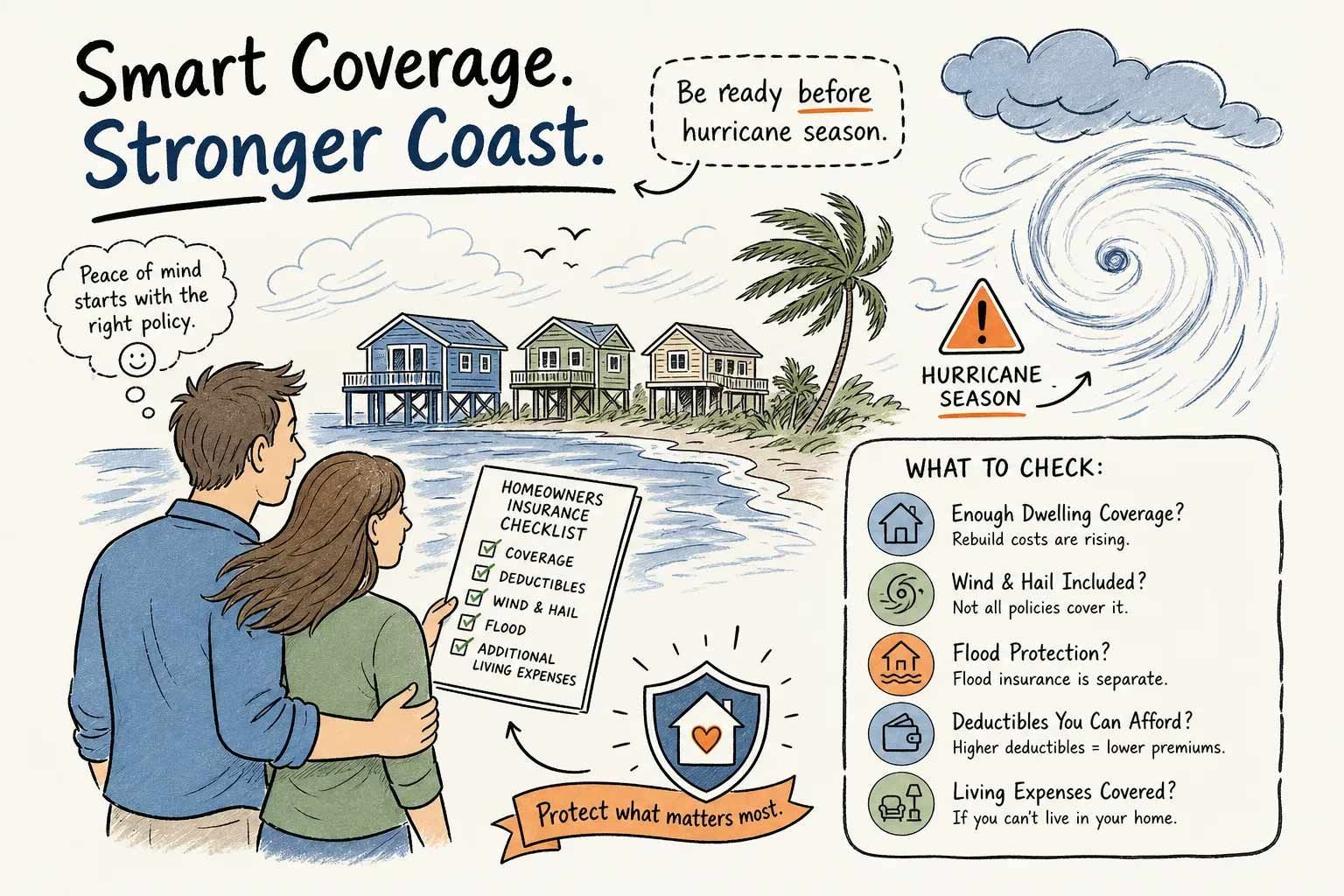
Preparing for flooding also involves understanding how insurance protects your property.
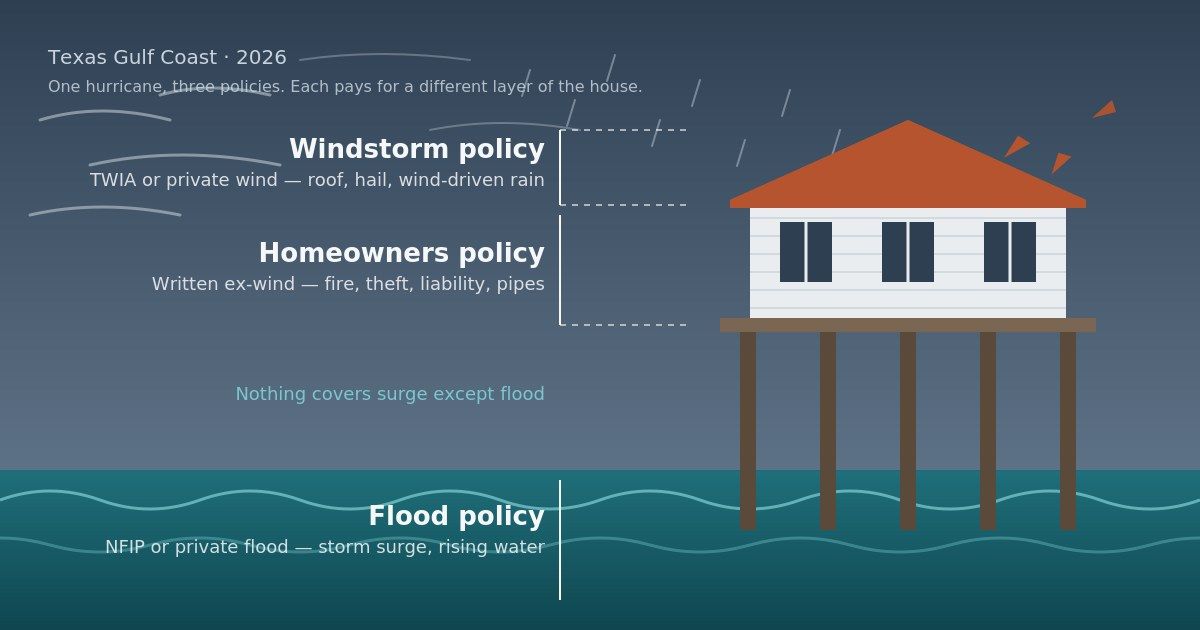
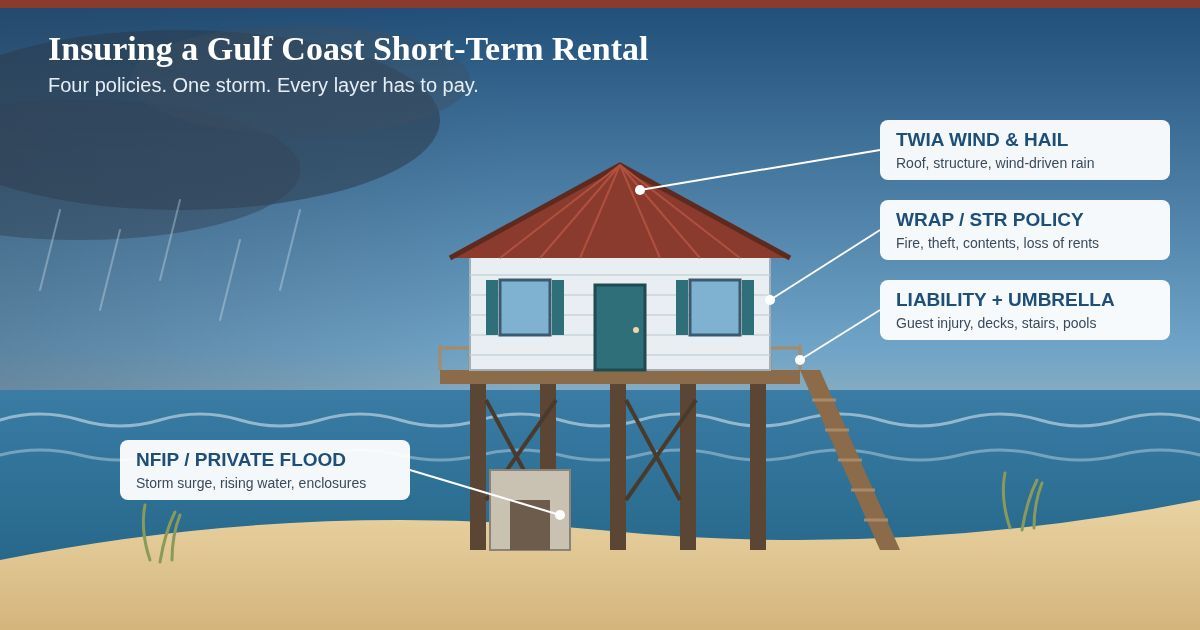
Standard homeowners insurance generally does not cover damage caused by flooding, including storm surge and rising surface water.
Flood insurance is typically purchased separately through the National Flood Insurance Program (NFIP) or a participating private insurance company.
Why Flood Insurance Matters in Texas City
Properties along the Texas Gulf Coast may face flooding from hurricanes, tropical storms, prolonged rainfall, or storm surge.
Flood insurance can help cover eligible damage to insured buildings and belongings, depending on the policy.
Building coverage and personal property coverage may have different limits, deductibles, and exclusions.
Homeowners should also understand that
flood insurance and windstorm insurance protect against different causes of damage.
For example, storm surge may fall under flood coverage, while certain wind-related damage may be addressed by homeowners or separate windstorm coverage.
When Does Flood Insurance Take Effect?
New NFIP
flood insurance policies generally have a 30-day waiting period before coverage becomes effective.
Certain exceptions apply, including qualifying mortgage transactions and specific flood map changes.
Private flood insurance policies may have different effective-date requirements.
Because coverage is not necessarily available immediately, homeowners should consider their options before severe weather threatens their community.
What Should You Do When Filing a Flood Insurance Claim?
If your property experiences flood damage, contact your
insurance company or agent as soon as reasonably possible.
Take photographs and videos of affected areas before beginning cleanup when it is safe to do so.
Document damaged belongings, retain repair receipts, and maintain records of communications with insurers and contractors.
Make reasonable efforts to prevent additional damage without putting yourself at risk.
Do not dispose of damaged property before documenting it and checking applicable claim instructions, unless immediate disposal is necessary for health or safety.
NFIP policies generally require a signed and sworn Proof of Loss within 60 days of the flood loss, unless FEMA extends or otherwise modifies the deadline for a particular event.
Private
flood policies may impose different documentation requirements and deadlines.
Review your policy and follow your insurer's claim procedures carefully.
Conclusion
Flood safety starts with preparation and continues through evacuation, emergency response, and recovery.
Maintaining emergency supplies, understanding warning systems, avoiding floodwater, and following official safety instructions can help protect your household during severe weather.
For homeowners in Texas City, TX, reviewing flood insurance options is another important part of preparing for the unexpected.
Although no plan can eliminate every flood-related risk, taking preventive measures and understanding your insurance coverage can help you respond with greater confidence.
Explore Flood Insurance Options With Brad Spurgeon Insurance Agency
At Brad Spurgeon Insurance Agency, we help Texas homeowners explore flood insurance and other property insurance options suited to their needs.
Whether you want to review your existing coverage, understand the difference between flood and windstorm insurance, or request a flood insurance quote, our team can help you evaluate available options.
Brad Spurgeon Insurance Agency
Texas City, TX
Phone: (409) 945-4746
Email: brad@bradspurgeonins.com
Website: https://www.privatewindstorm.com/
Contact Brad Spurgeon Insurance Agency today to discuss your flood insurance needs and explore coverage options for your property.
Flood insurance coverage, limits, deductibles, exclusions, waiting periods, and claim requirements vary by insurance provider and policy. This article provides general educational information and does not replace official emergency instructions or the terms of an insurance contract.