Flood Survival Essentials

March 15, 2017
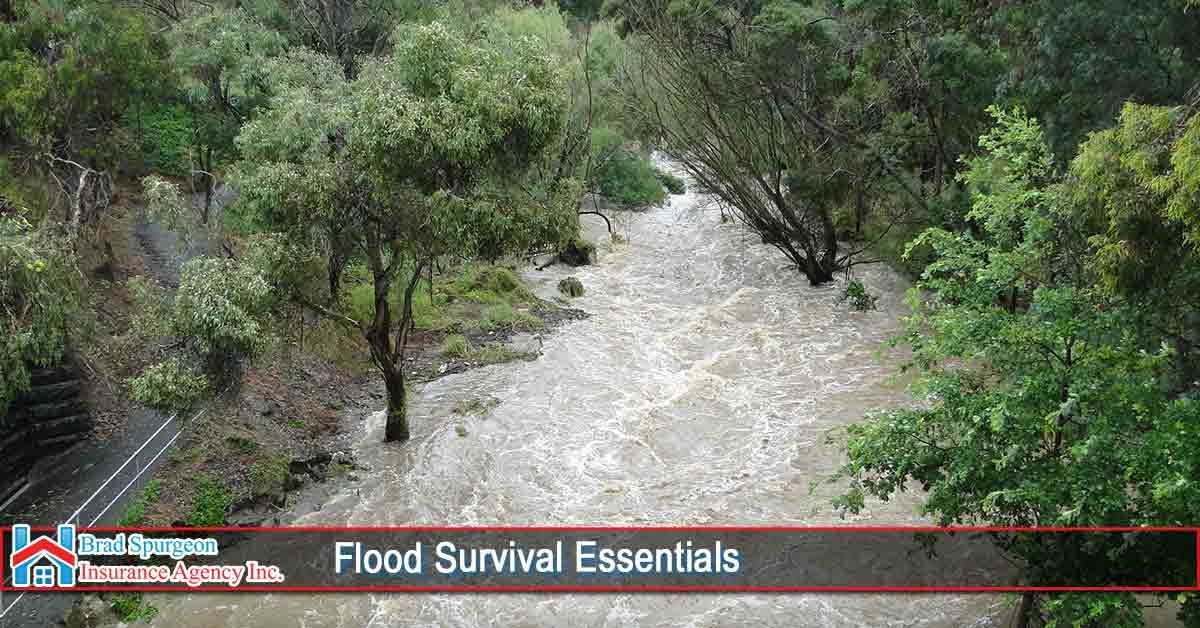
A fast-moving, murky river floods a wooded area, with the overlay text


Natural disasters like floods and flash floods can cause drastic outcomes to people and their properties. As the water level rises, authorities may ask you to evacuate to higher grounds for your own safety. Because situations like these can be very unpredictable, it is important to be proactive in discussing and developing a flood plan ahead of time.


When preparing for the worst case scenario, you should identify places to go and alternative routes to travel for the evacuation process. Moreover, you should assemble significant disaster supplies that can aid in your evacuation and make sure that it will last until the waters have receded. During floods, monitoring your surroundings and reviewing your disaster plan is a good practice for disaster safety, ensuring a systematic way of handling issues that may arise.


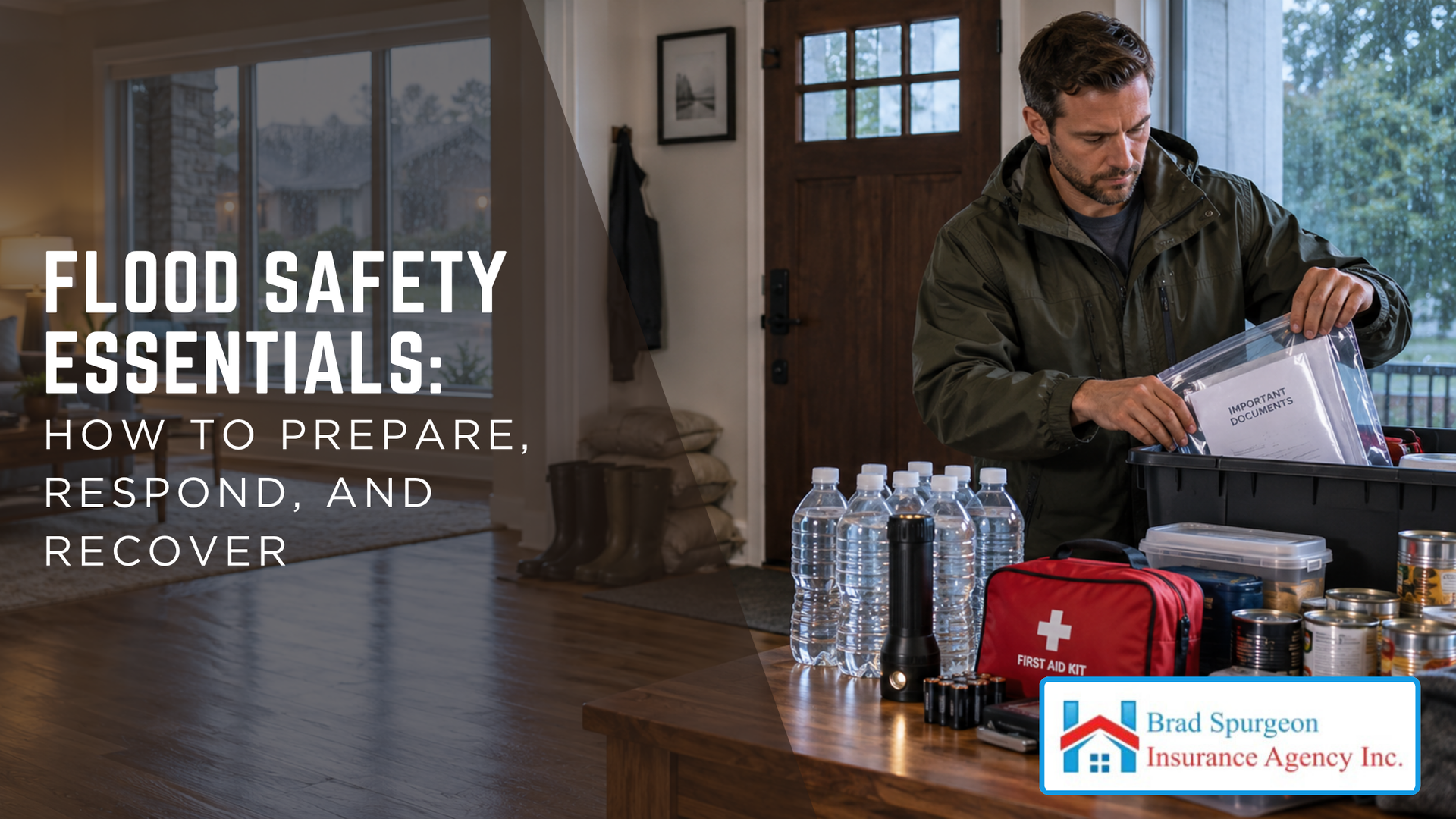
Below are the disaster supplies and tips you need to survive a flood.


Drinking Water

It is essential to have clean drinking water during disasters as it could help in body hydration. When flood is imminent, fill clean plastic containers with at least 72-hours’ worth of drinking water (approximately 1 gallon per person). It is significant to note that drinking water is highly recommended as it is safe and is less likely to cause any diseases.


Non-perishable Food

Store at least a 3-day stash of food that does not require refrigeration or cooking like dehydrated foods, canned goods and cereals. Special considerations may apply for family members needing special food like milk formulas for infants and special diet plans for those with health conditions so you must prepare all these things ahead of time as well. As much as possible, have a food supply that does not need a lot of water to prepare them.


Hygienic Measures and Items

Being sanitary and maintaining good hygiene is important to protect you from contracting diseases. Frequent hand washing and hygienic measures are effective ways of deterring infection caused by contaminated flood waters which may cause serious health problems. As far as sanitation is concerned, the following items are helpful especially during disasters: soap, toilet paper, hand wipes or towels, bleach, personal hygiene items and feminine hygiene essentials.


Disaster Supplies

The following tools and supplies are recommended to be pre-packed and be centrally located. It is very important that all family members know its location and purpose thus including it in your disaster plan discussion, as it may help save lives should an emergency situation or any natural disaster happen.


Your disaster tool kit should include but not be limited to: flashlights, extra battery packs, battery-operated radio, wrench, pliers, multipurpose tools, signal flares, propane stove, ABC variety fire extinguisher, manual can opener, duct tape, matches (waterproof), floatation devices, tube tent, survival manual and maps, trash bags, disposable plates, cups and utensils, whistle, compass and most importantly some extra cash.


First Aid Kit

First-aid and medical supplies along with prescribed medications should be made available during disasters thus keeping a supply of these items ahead of time is very important. Items in your first-aid kit should include absorbent dressings, bandages, adhesive tapes, antiseptic solutions and wipes, gloves, scissors, gauze pads, some medications and a first-aid instruction booklet among others.


Pack a Go-Bag

A go-bag or bug out bag is a portable kit packed with essential items needed for survival in the event of emergencies and disasters where you are to evacuate your home for 72 hours or so. If such is the case, a person who kept ready a go-bag ready is much more likely to make it through the 72 hours without much incident.


A go-bag should contain enough supply of food, water, clothing and even shelter that would last at least for three days as it may take 72 hours for disaster and relief management to reach affected people and offer some help. It is also a good practice for disaster safety to have another bug out bag in your car as it may be helpful when you have to evacuate or leave your home at once.


Avoid the following during a flood:


  • Wading through flood waters – As mentioned above, flood waters can be contaminated with certain microorganisms and bacteria. Once you are exposed to these germs, there is a great possibility of being infected with illnesses and diseases especially if you have broken or exposed skin. Moreover, some objects may become more dangerous as the flood water rises. Things such as sharp objects, fallen electric lines and holes in the ground may cause fatal injuries to people wading through the waters.


  • Drinking the flood water – Common microorganisms like E. Coli, Giardia, Toxoplasmosis, Norovirus, and Cryptosporidium and non-edible elements such as traces of metals, leads or fertilizers can be present in flood waters. When these are ingested and absorbed in your system, it can cause serious health problems and even lead to death.


  • Driving through flood waters – During heavy rains and flooding, the roadbed may be washed out. You can lose control of your vehicle when driving in flood water as your car may float or be swept away thus posing danger to your safety. Never try to drive through flood waters, even if they don’t look deep at first glance.


Brad Spurgeon Insurance Agency, Inc. specializes in homeowners and flood insurance and provides superior customer service and low rates. Protect your homes now by calling us at (409) 945-4746 or visit our office today. If you have inquiries, send us an email at brad@bradspurgeonins.com. You may also get a free quote from us by clicking here.

August 25, 2026
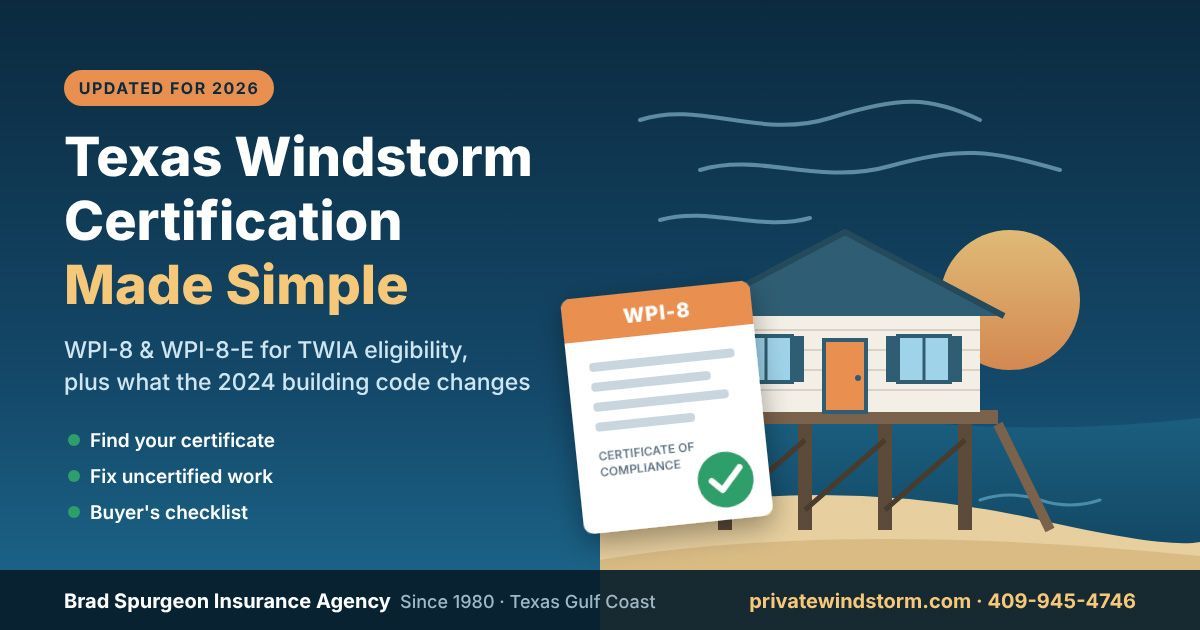
Learn why TWIA requires WPI-8 certification, which Texas coastal homes need it, key exceptions, and what to do if your certificate is missing.
A smiling parent sits on a couch and lifts a happy young child
August 19, 2026
Kids explore everything, and that curiosity is part of what makes childhood fun — but it also means everyday spaces in your home can hide risks you might not think twice about as an adult. A few thoughtful changes around the house can prevent the kinds of accidents that send families to the emergency room every year.
A view of two suburban houses
August 17, 2026
It's a question we hear often in Texas City, especially once a tropical system starts showing up in the forecast: can I still get flood insurance now, or is it too late? The honest answer is that it depends on your policy type and timing, and understanding how flood insurance waiting periods work can save you from a co
An American Red Cross emergency kit with supplies like water, a flashlight, goggles, and a poncho for flood survival.
August 10, 2026
Living near the Texas Gulf Coast means flooding isn't a rare or distant threat — it's a real possibility every hurricane season, and sometimes even after a heavy afternoon thunderstorm. Whether you're right along the water or a few miles inland, knowing how to prepare, evacuate, and recover safely can make all the diff
Two people holding hands while walking along a paved path in a sunlit park.
By Brad Spurgeon August 4, 2026
Explore activities like dancing, gardening, & yoga to keep seniors healthy. Contact us for tailored insurance solutions today!
A suburban street with modern houses against a mountain backdrop
August 4, 2026
Learn 9 ways to protect your home from windstorms. Ensure safety & get windstorm insurance. Contact Brad Spurgeon Insurance Agency today!
A brown shingled home with a wrap-around porch, featuring text overlays about roofing maintenance and home insurance.
By Brad Spurgeon August 4, 2026
Learn 4 roofing maintenance tips to protect your home. Update your home insurance for better coverage. Contact Brad Spurgeon Insurance Agency today!
Close-up of a white car parked on gravel, with text at the bottom asking,
August 4, 2026
Understand when to inflate your tires for safety & efficiency. Contact Brad Spurgeon Insurance Agency for your insurance needs.
Flood water surrounds buildings under a bridge. Brown water, trees, and houses are visible.
August 4, 2026
Learn essential tips for flash flood safety, including preparation & recovery. Contact Brad Spurgeon Insurance Agency for flood insurance solutions.
Debris from a windstorm scatters across a neighborhood with damaged houses and broken trees.
August 3, 2026
If you've lived on the Gulf Coast for any length of time, you already know that windstorms aren't a matter of if but when. Between tropical systems rolling in off the water and the strong seasonal gusts that sweep through Galveston County, Texas City homeowners face wind exposure most of the year. The good news is that
Show More