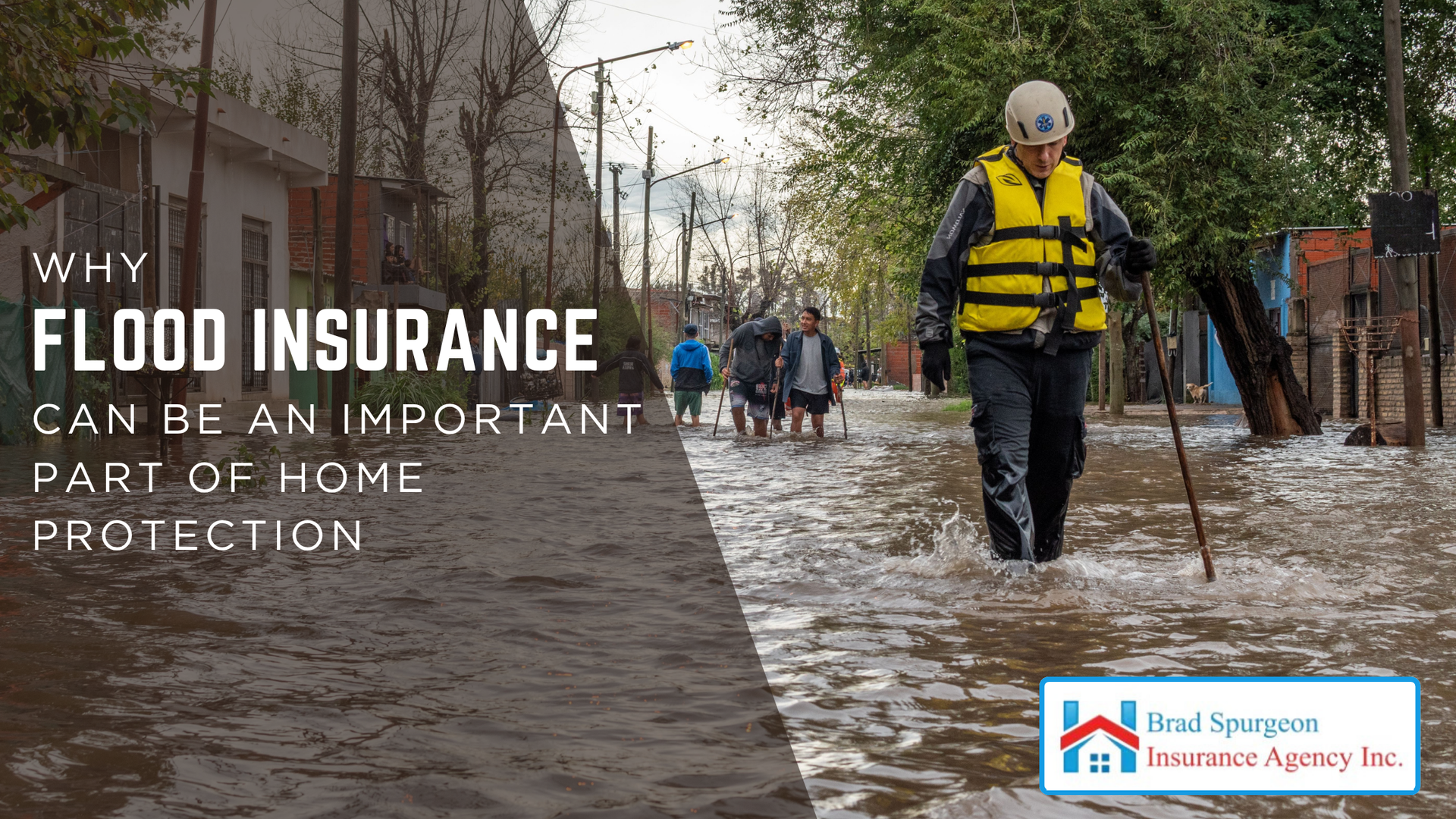
Understanding The Basics Of Flooding: Causes And Effects

July 22, 2024
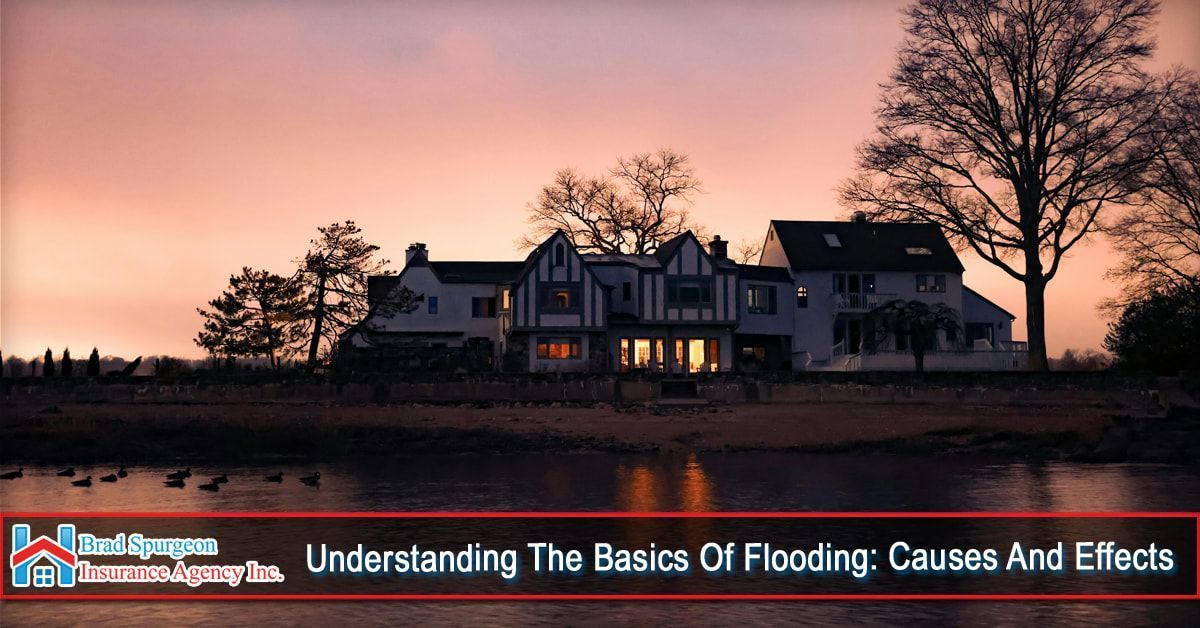
A sunset behind a house situated near water

Flooding is one of the most common and devastating natural disasters, impacting millions of people worldwide every year. It can cause extensive damage to property, infrastructure, and ecosystems, as well as pose significant risks to human life. Understanding the causes and effects of flooding is crucial for developing effective prevention and mitigation strategies. This article explores the fundamental aspects of flooding, its causes, and its far-reaching effects on communities and the environment.


Causes of Flooding

Flooding can result from various natural and human-induced factors. The primary causes of flooding include:


  1. Heavy Rainfall: Prolonged or intense rainfall can overwhelm drainage systems and riverbanks, leading to flash floods and river floods. This is particularly common in regions with monsoon seasons or frequent thunderstorms.

  2. Snowmelt: In colder climates, the rapid melting of snow and ice in the spring can lead to increased water levels in rivers and streams, causing floods.

  3. Storm Surges: Coastal areas are susceptible to flooding from storm surges, which occur when strong winds from hurricanes or tropical storms push seawater inland, often exacerbated by high tides.

  4. River Overflows: Rivers can overflow their banks due to excessive rainfall, upstream dam releases, or natural blockages like ice jams or debris.

  5. Urbanization: The expansion of urban areas with impermeable surfaces like concrete and asphalt reduces the ground’s natural ability to absorb water, increasing runoff and flood risks.

  6. Deforestation: The removal of trees and vegetation reduces the land’s ability to absorb rainfall, leading to increased runoff and erosion, which can contribute to flooding.

Effects of Flooding

The effects of flooding are widespread and can have long-term impacts on communities, economies, and ecosystems. Key effects include:


  • Property Damage: Flooding can cause extensive damage to homes, businesses, and infrastructure. This includes structural damage, destruction of personal belongings, and the loss of important documents.

  • Economic Impact: The cost of repairing flood damage can be substantial. Businesses may suffer from interruptions, leading to lost revenue and economic downturns in affected areas.

  • Human Health: Floodwaters can pose significant health risks, including the spread of waterborne diseases, contamination of drinking water supplies, and the increased likelihood of injuries and fatalities.

  • Environmental Damage: Floods can disrupt ecosystems, erode soils, and destroy habitats. They can also lead to pollution as contaminants from industrial sites, sewage systems, and agricultural areas are washed into water bodies.

  • Displacement: Flooding often forces people to evacuate their homes, leading to temporary or permanent displacement. This can create humanitarian crises, particularly in regions with limited resources for emergency response and recovery.

  • Psychological Effects: The trauma of experiencing a flood and the stress of recovery can have long-lasting psychological impacts on individuals and communities.

The Role of Flood Insurance

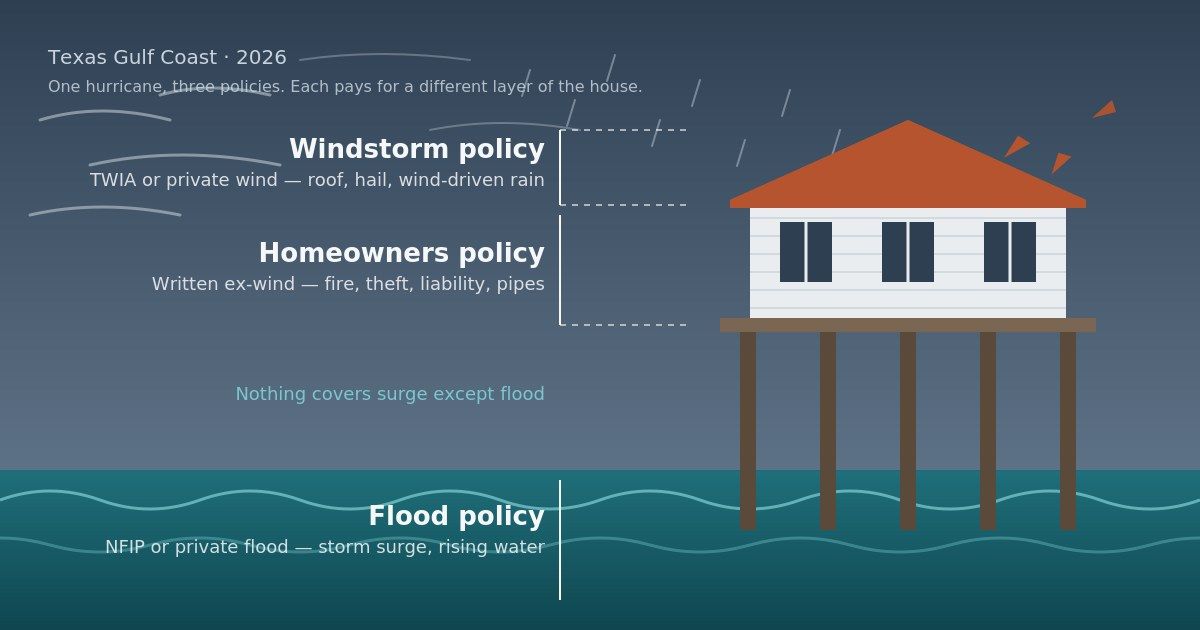
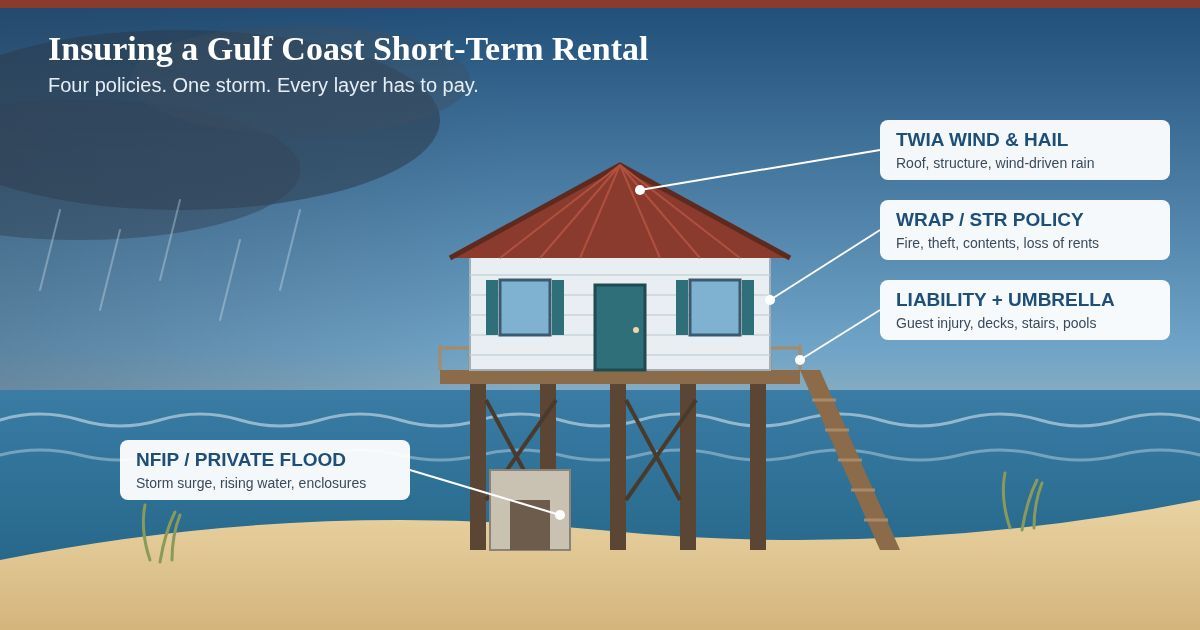
Flood insurance is a critical tool in managing the financial risks associated with flooding. Unlike standard homeowners insurance, which typically does not cover flood damage, flood insurance provides specific coverage for property losses due to flooding. This type of insurance helps homeowners and businesses recover more quickly by providing funds to repair or rebuild damaged structures and replace lost belongings. Having flood insurance can significantly reduce the financial burden on individuals and communities, allowing for a smoother and more efficient recovery process. It is especially important for those living in high-risk flood zones to invest in flood insurance to protect against the unpredictable nature of flooding.


Prevention and Mitigation

Preventing and mitigating the impacts of flooding require a combination of strategies:


  • Improved Infrastructure: Investing in robust drainage systems, flood barriers, and levees can help manage water flow and protect vulnerable areas.

  • Urban Planning: Implementing zoning regulations and building codes that account for flood risks can reduce the vulnerability of new developments.

  • Reforestation: Planting trees and restoring natural landscapes can enhance the land’s ability to absorb water and reduce runoff.

  • Early Warning Systems: Developing and maintaining reliable flood forecasting and early warning systems can provide critical lead time for evacuations and preparations.

  • Community Awareness: Educating communities about flood risks and preparedness measures can empower individuals to take proactive steps to protect themselves and their property.

Conclusion

Flooding is a complex and multifaceted natural disaster with significant causes and effects. Understanding these aspects is essential for developing effective strategies to prevent and mitigate flood damage. Flood insurance plays a vital role in providing financial protection and facilitating recovery for those affected by floods. By investing in infrastructure, planning, and education, communities can better prepare for and respond to the challenges posed by flooding.


At Brad Spurgeon Insurance Agency Inc., we aim to provide comprehensive insurance policies that make your life easier. We want to help you get insurance that fits your needs. You can get more information about our products and services by calling our agency at (409) 945-4746. Get your free quote today by CLICKING HERE


Disclaimer: The information presented in this blog is intended for informational purposes only and should not be considered as professional advice. It is crucial to consult with a qualified insurance agent or professional for personalized advice tailored to your specific circumstances. They can provide expert guidance and help you make informed decisions regarding your insurance needs.

Insurance industry steady going into 2026: A positive outlook for life and nonlife
By Brad Spurgeon March 18, 2026
The insurance industry shows stability heading into 2026. Contact us for expert home, flood, & windstorm insurance solutions.
March 17, 2026
Inflation raises home insurance costs because it increases the price of labor, building materials, repairs, and replacement after a covered loss. When it costs more to rebuild a roof, replace flooring, restore water damage, or repair storm-related destruction, insurers usually adjust premiums and coverage calculations
March 17, 2026
Private flood insurance and NFIP flood insurance both protect against flood damage, but they are not built the same way. NFIP policies follow standardized federal rules and coverage limits, while private flood policies may offer higher limits, broader options, and more flexibility depending on the carrier.
Windstorm Insurance “Direct Physical Loss” Explained: How It Impacts Your Claim
March 17, 2026
“Direct physical loss” in windstorm insurance generally means there must be real, physical damage to ..
March 12, 2026
Roof age can directly affect your home insurance premium, eligibility, and claim experience because insurers view older roofs as more likely to suffer damage or fail during severe weather. In many cases, the older the roof, the higher the risk profile, especially if maintenance is unclear or the roofing material is nea
A beach house stands under a dark, stormy sky with wind-blown trees. Text reads:
February 16, 2026
Windstorms are typically categorized by the type of event—thunderstorms and straight-line winds, tropical storms,..
A rainy, evening street scene featuring a coffee shop storefront, with overlay text about business flood insurance.
February 16, 2026
Flood insurance is one of the most important tools for business continuity because a single flood event can shut down operations..
A person in a hard hat inspects a room under renovation, with text about updating windstorm insurance after home repairs.
February 10, 2026
Renovations can quietly create windstorm insurance gaps because they change what your property would cost to rebuild and can introduce new materials, ..
A couple sitting on the floor among moving boxes. Text reads:
February 10, 2026
Renters insurance protects your personal belongings, liability, and temporary living expenses—but it does not insure the building itself.
Two construction workers repair a residential roof under a bright blue sky, with overlaid text about home insurance.
January 14, 2026
Compare comprehensive vs basic auto coverage. Learn key benefits, risks, and how to protect your vehicle from theft, weather, and costly damage.
Show More