
The Social And Psychological Impact Of Windstorm Disasters

July 15, 2024
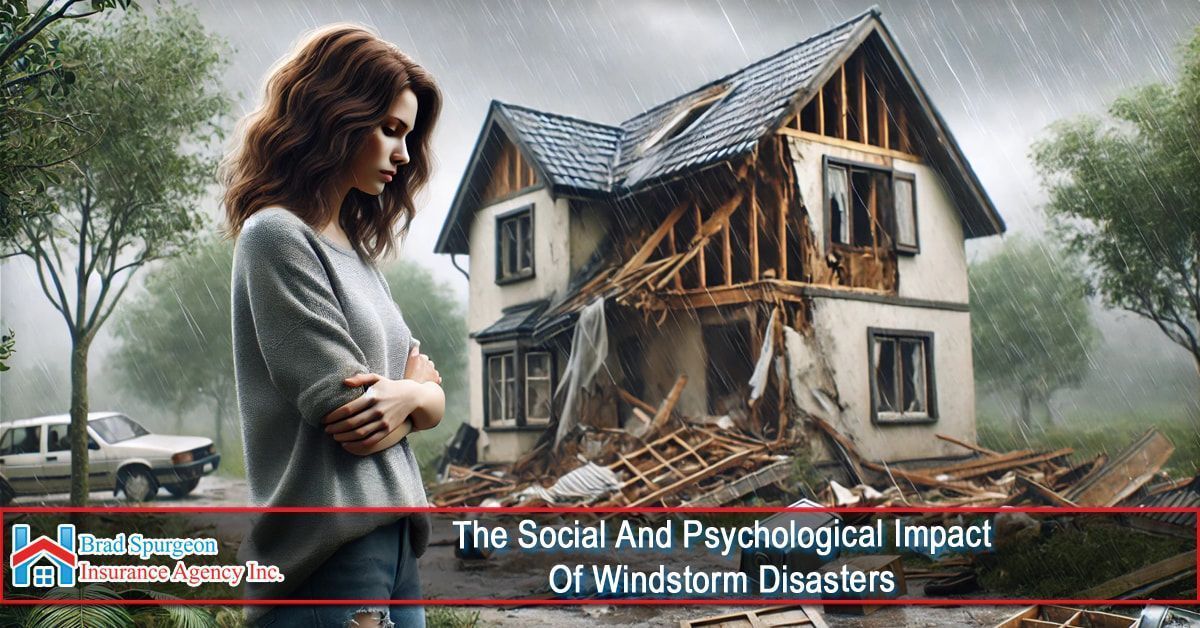
A person stands with arms crossed, looking at a house severely damaged by a storm

​

Windstorm disasters, such as hurricanes, tornadoes, and severe storms, can cause extensive physical damage, but their impact goes far beyond the visible destruction. These events can have profound social and psychological effects on individuals and communities. Understanding these impacts is essential for developing effective support systems and recovery strategies. This article explores the various ways windstorm disasters affect mental health, social dynamics, and the importance of windstorm insurance in mitigating these effects.


Psychological Impact on Individuals

The immediate aftermath of a windstorm disaster can be overwhelming and traumatic for those affected. The sudden loss of homes, possessions, and, in some cases, loved ones can lead to acute stress reactions. Symptoms may include anxiety, depression, insomnia, and post-traumatic stress disorder (PTSD). The disruption of daily routines and the uncertainty about the future can exacerbate these conditions. Children and the elderly are particularly vulnerable, with children experiencing regression in behavior and academic performance, and the elderly facing increased risks of isolation and deteriorating health.


Social Impact on Communities

Windstorm disasters also disrupt the social fabric of communities. The destruction of infrastructure, such as schools, hospitals, and community centers, hampers social services and disrupts communal activities. This can lead to a breakdown in social cohesion and a sense of community identity. Displaced families may struggle with the loss of social support networks, and the strain on local resources can create tension among residents. Recovery efforts often require significant time and resources, during which community members must navigate new living arrangements and altered social dynamics.


Long-Term Psychological Effects

Long after the windstorm has passed, the psychological effects can persist. Chronic stress due to prolonged displacement, financial strain, and the slow process of rebuilding can lead to long-term mental health issues. Individuals may experience feelings of hopelessness and helplessness, particularly if they lack access to mental health services. Community-wide trauma can also manifest in increased rates of substance abuse, domestic violence, and other social problems. Addressing these issues requires a comprehensive approach that includes mental health support, community rebuilding, and economic assistance.


The Role of Windstorm Insurance

Windstorm insurance plays a critical role in mitigating the social and psychological impacts of windstorm disasters. By providing financial protection, windstorm insurance helps individuals and families recover more quickly and reduces the stress associated with rebuilding their lives. Insurance payouts can cover the costs of repairing or replacing damaged property, reducing the financial burden on affected individuals. This financial security allows survivors to focus on their mental health and well-being, access necessary support services, and reestablish their daily routines more effectively.


Supporting Recovery and Resilience

Building resilience in the face of windstorm disasters involves more than just physical reconstruction. It requires addressing the emotional and social needs of affected individuals and communities. Mental health services, such as counseling and support groups, are crucial for helping survivors process their experiences and cope with the aftermath. Community programs that foster social connections and provide resources for rebuilding can help restore a sense of normalcy and community identity. Additionally, public education on disaster preparedness and the availability of windstorm insurance can empower individuals to take proactive steps to protect themselves and their families.


Conclusion

The social and psychological impact of windstorm disasters is profound and far-reaching. Addressing these impacts requires a multifaceted approach that includes mental health support, community rebuilding, and economic assistance. Windstorm insurance is a vital tool in this process, providing financial protection and enabling quicker recovery. By understanding and addressing the emotional and social dimensions of windstorm disasters, we can build more resilient communities better equipped to face future challenges.


At Brad Spurgeon Insurance Agency Inc., we aim to provide comprehensive insurance policies that make your life easier. We want to help you get insurance that fits your needs. You can get more information about our products and services by calling our agency at (409) 945-4746. Get your free quote today by CLICKING HERE. 


Disclaimer: The information presented in this blog is intended for informational purposes only and should not be considered as professional advice. It is crucial to consult with a qualified insurance agent or professional for personalized advice tailored to your specific circumstances. They can provide expert guidance and help you make informed decisions regarding your insurance needs.

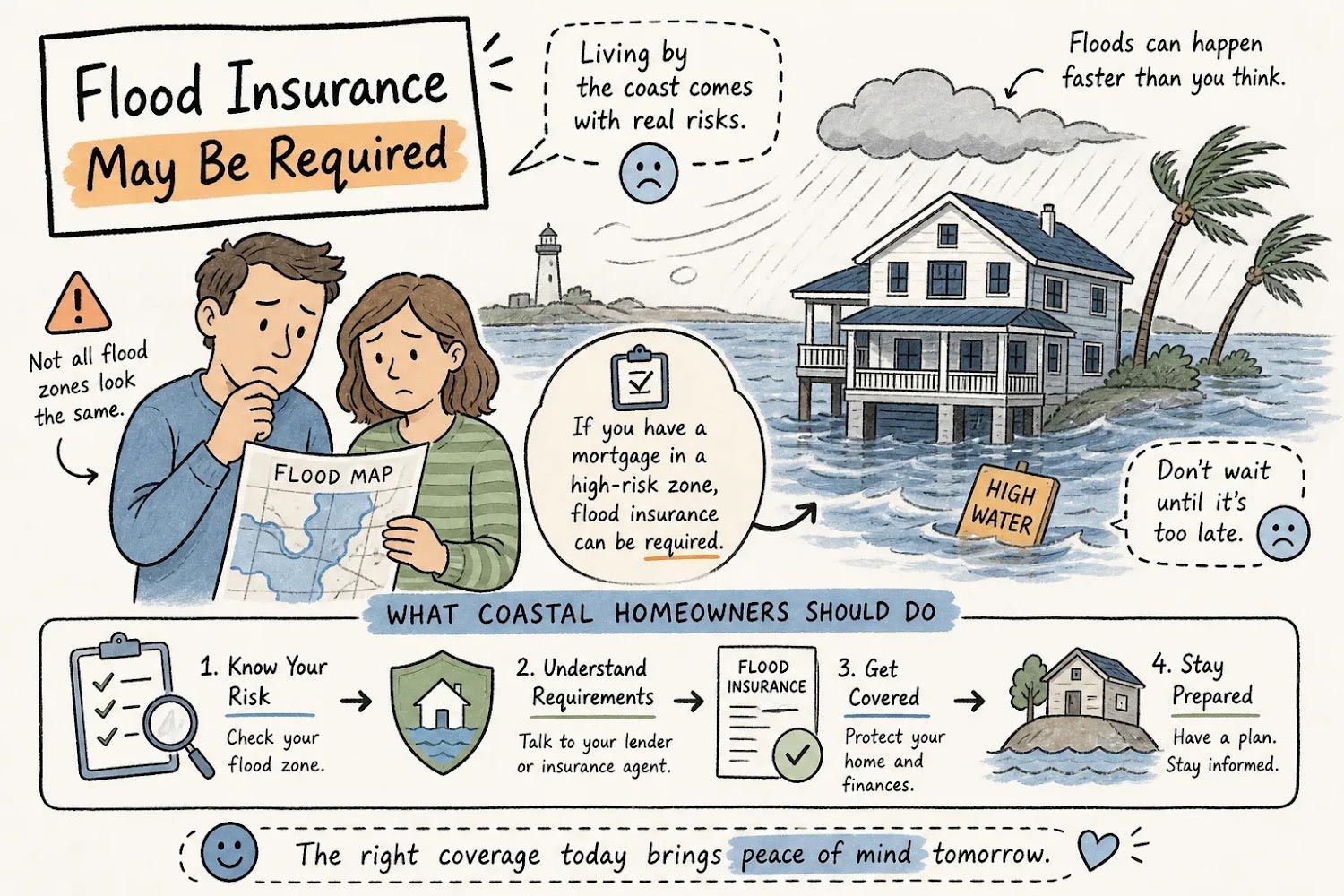
Flood insurance explainer infographic with a house, worried couple, and tips about flood risk and coverage
By Brad Spurgeon • November 16, 2026
Flood insurance is required for properties located in a FEMA-designated Special Flood Hazard Area when the mortgage is federally backed or made by a federally regulated lender. Both conditions must be true at the same time. Having a federally backed loan does not trigger the requirement on its own, and being in a high-risk flood zone does not trigger it either if your financing is fully private. When both boxes are checked, coverage is mandatory for the life of the loan, and your lender enforces it. For Texas Gulf Coast homeowners, flood risk does not arrive alone. Storm surge, windstorm exposure, and hurricane activity all layer on top of the basic flood question, and the gaps between standard insurance policies can leave a claim partially or entirely uncovered. This article walks through the key situations that trigger mandatory flood coverage, how to verify your flood zone, and how to build a complete coastal insurance strategy.

Collage of travel scrapbook pages with “Cover the Gap,” a couple by the sunset, and a desert road trip theme
By Brad Spurgeon • November 16, 2026
Gap coverage insurance pays the difference between what you still owe on your car loan or lease and what your insurer actually pays out after a total loss. Guaranteed asset protection, the full name behind the acronym, is the product that closes that hole. If you financed or leased a vehicle in the last few years, this article is worth reading before you assume you're fully covered.
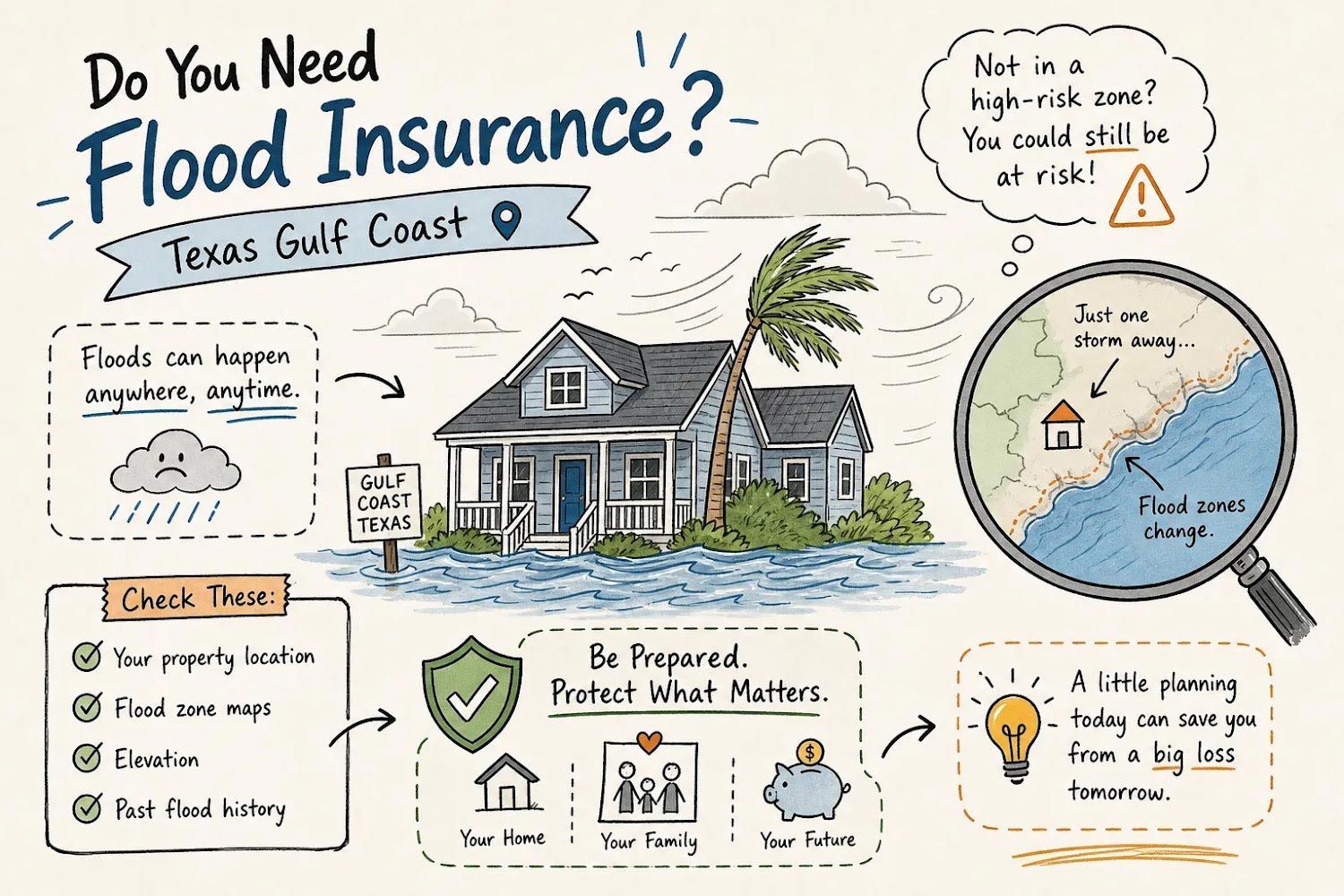
Flood insurance infographic for Texas Gulf Coast homes, with storm surge map and preparedness tips.
By Brad Spurgeon • November 16, 2026
Does my property require flood insurance? If you have a federally backed mortgage and your home sits in a FEMA-designated AE or VE flood zone, flood insurance is required by federal law. That is the short answer. If you are not sure which zone your property falls into, or you have heard conflicting things from your lender, your real estate agent, and your neighbor, conflicting guidance is common along the Texas Gulf Coast due to frequent remapping and local ordinance variability. The Gulf Coast carries unique flood exposure. Roughly 23,000 to 25,000 residential properties in Galveston County alone are mapped inside FEMA Special Flood Hazard Areas, according to a residence-level FEMA-zone analysis. The question homeowners here face is rarely as simple as "do I need it?" More often, it is "does the law require it, and is what I have actually enough?" This guide walks through the exact steps to check your flood zone, understand your lender's requirements, weigh NFIP against private coverage, and figure out your next move.
November 11, 2026
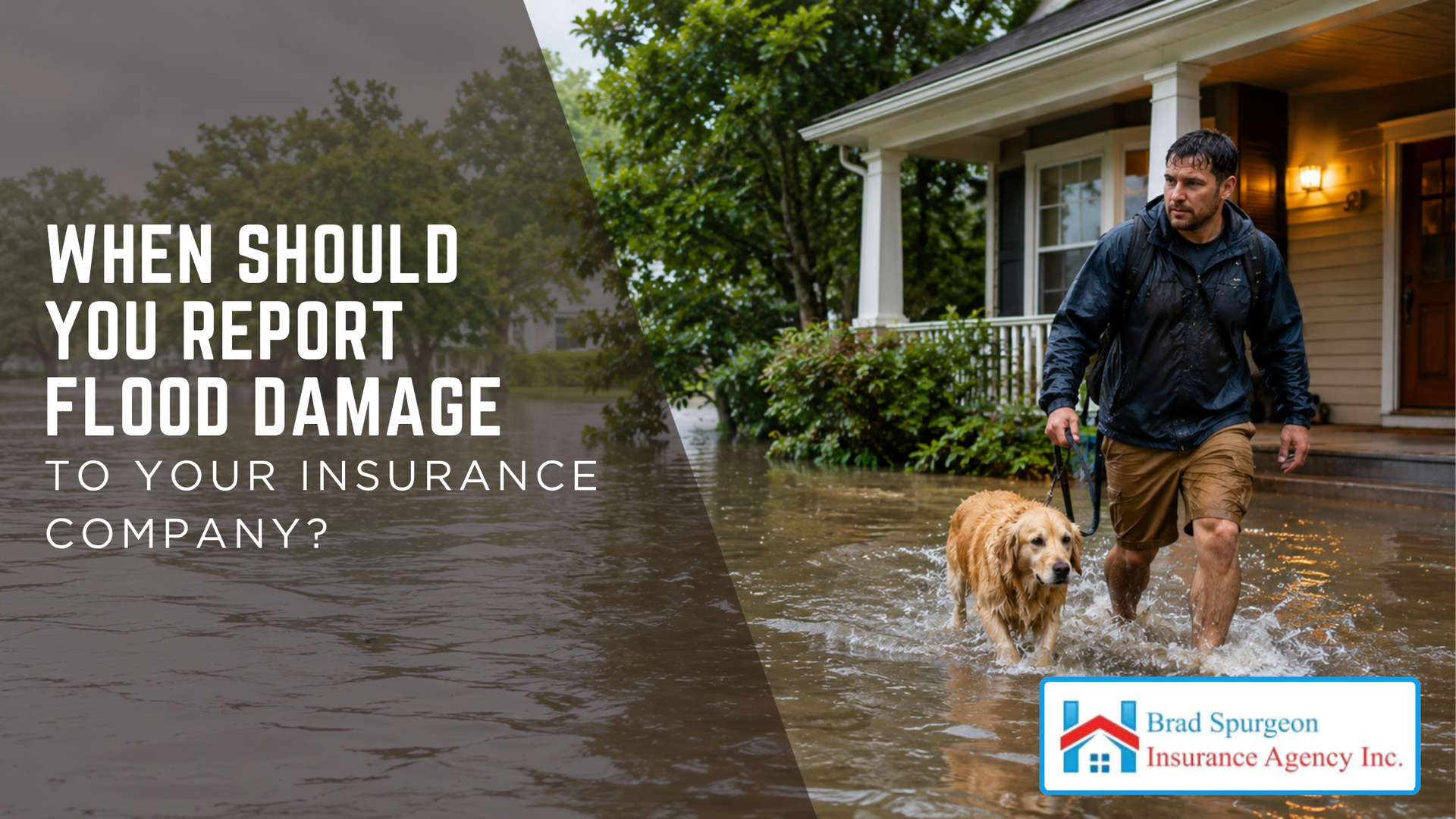
Flooding can cause extensive property damage, leaving homeowners with important decisions about repairs, documentation, and insurance claims. For residents of Texas City, TX, understanding when to report flood damage is especially valuable because coastal storms and heavy rainfall can create unexpected flooding risks.
November 11, 2026
Living along the Texas Gulf Coast means preparing for powerful winds, hurricanes, and unpredictable weather conditions. For homeowners in Texas City, TX, having windstorm insurance is an important step, but understanding additional coverage options can make a meaningful difference. Windstorm insurance riders may provid
November 10, 2026
A burst pipe can release significant amounts of water into a home, damaging floors, walls, furniture, and personal belongings within minutes. For homeowners in Texas City, TX, understanding how insurance responds to unexpected plumbing problems is an important part of protecting their property. Knowing which types of w
November 10, 2026
Protecting a home along the Texas Gulf Coast requires understanding how different insurance policies respond to property damage. For homeowners in Texas City, TX, comparing homeowners insurance and windstorm insurance is especially important because coastal properties may have unique coverage requirements. Knowing how
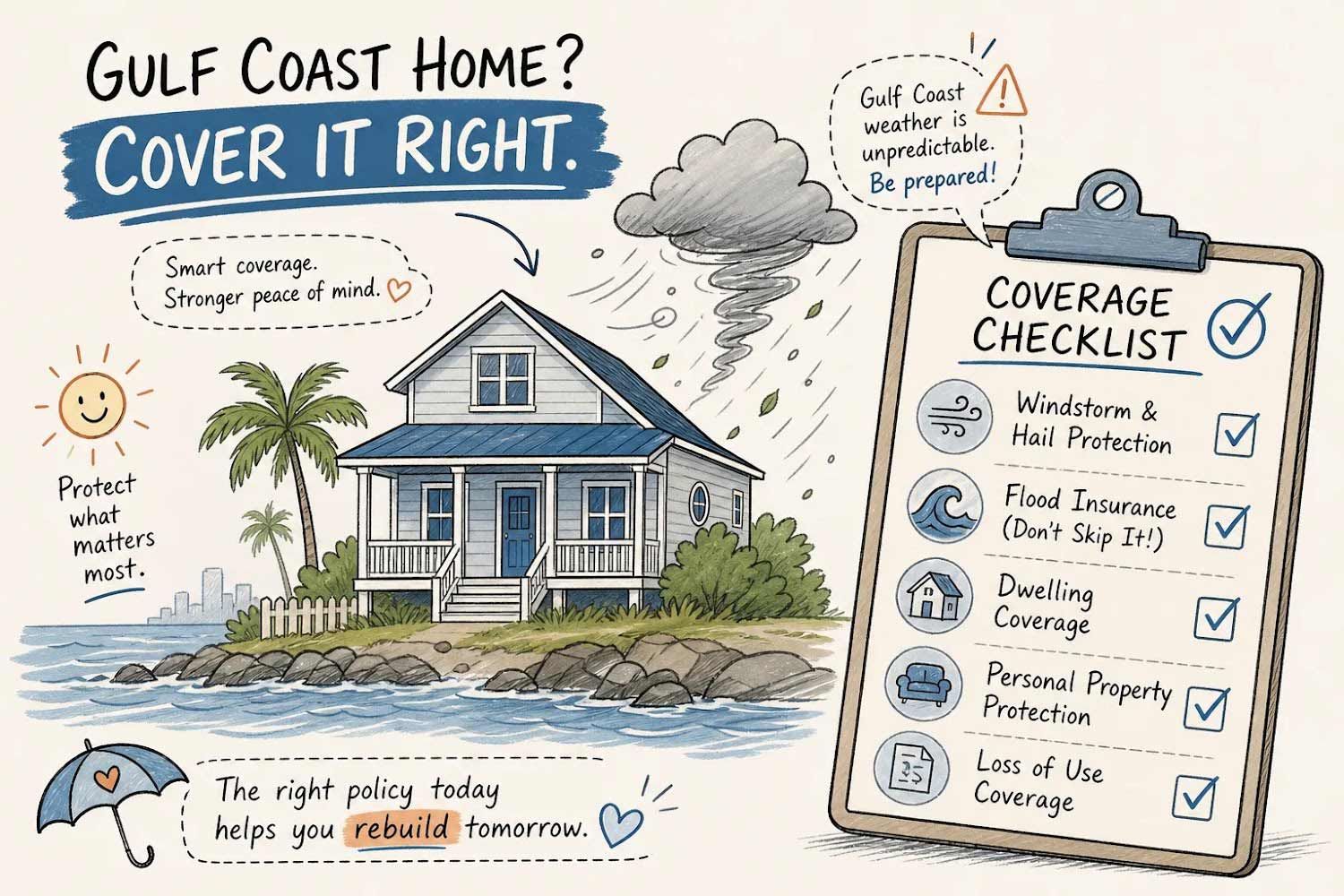
Illustrated coastal home under storm clouds with roof and drainage checklist for hurricane preparedness
By Brad Spurgeon • November 2, 2026
When buying on the Gulf Coast, understanding home owners insurance in Texas is essential, because a standard HO-3 policy covers fire, theft, and many everyday perils, but excludes windstorm, hail, and flood in most coastal counties. That means a single hurricane can trigger three separate claims under three separate policies, and if you only carry one policy, two of those losses come out of your own pocket. This checklist walks through what each layer covers, what it costs in 2026, and which option closes all three gaps most efficiently. Whether you're closing on a home next week or reviewing a policy you've had for years, the sequence below gives you a clear path forward.
TW login screen with woman at laptop, smiling and pointing at a sign-in panel with security icons and house illustration
By Brad Spurgeon • November 2, 2026
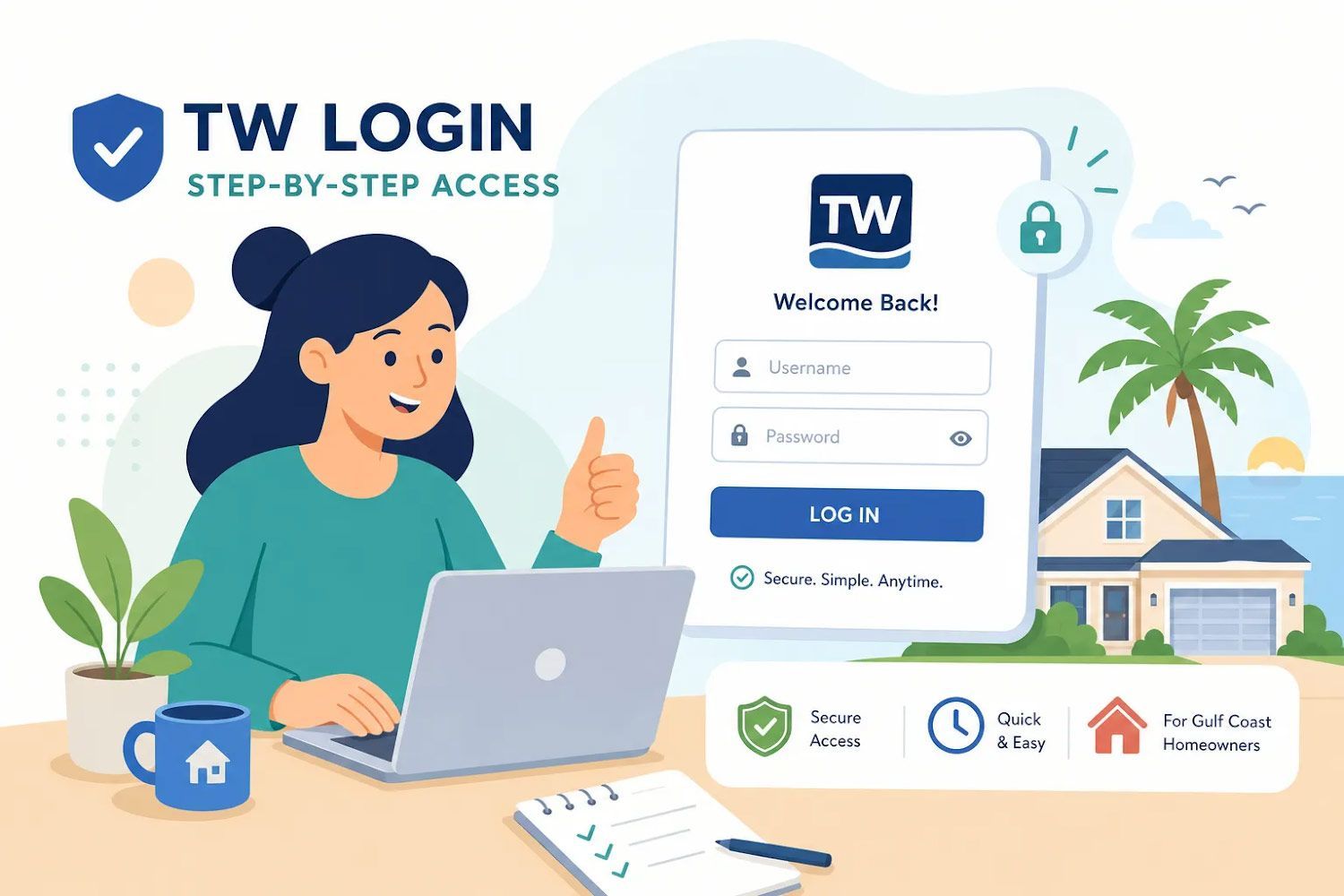
If you're searching for a TW login and you live on the Texas Gulf Coast, you're likely trying to reach one of two portals: the Texas Windstorm Insurance Association (TWIA) policyholder site or your insurance agency's online client account. TWIA uses "TW" prominently in its name and branding, and it's the essential portal for managing windstorm and coastal home coverage. Knowing which portal you need, and what to expect at the sign-in screen, makes the whole process much simpler. This guide covers the most common TW portals Gulf Coast homeowners land on, how to log into each one, how to fix errors that block access, how to recover a forgotten password, and how to verify you're on a legitimate page before you type a single credential. And if you still can't get through, Brad Spurgeon Insurance Agency Inc., a third-generation family-owned agency serving the Texas Gulf Coast since 1986, can walk you through it directly.
Progressive ad: “A good fit for Texas Gulf Coast homes?” with beach house, storm surf, and map graphic
By Brad Spurgeon • October 29, 2026
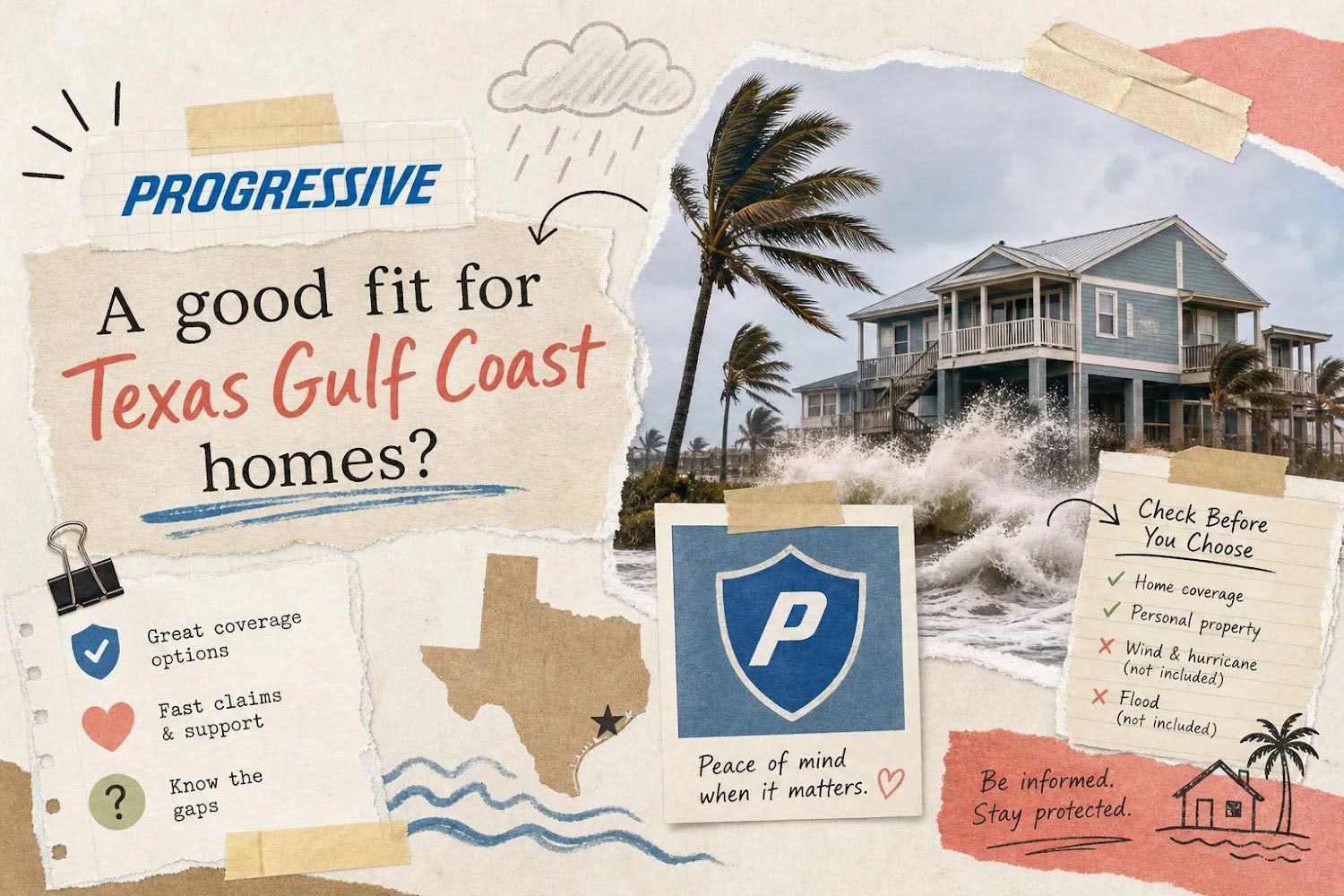
Progressive home insurance offers standard HO-3 coverage that works well for most American homeowners, but for Texas Gulf Coast properties, that base policy typically excludes the two biggest threats in the region: windstorm damage and flooding. Those aren't minor omissions for a home in Galveston County or along the Brazoria coastline. They're exactly what a hurricane or tropical storm delivers. Texas already carries some of the highest home insurance premiums in the country, and coastal ZIP codes push that figure even further above the national average. Spending that much on a policy that leaves windstorm and flood damage uncovered is a critical mistake. This article breaks down what progressive home insurance actually includes, where it falls short for coastal properties, and what a complete coverage picture looks like.
Show More