Comprehensive vs. Basic Coverage: The Benefits Drivers Can’t Ignore
December 15, 2025

Choosing the right auto insurance isn’t just about meeting legal requirements—it’s about protecting your vehicle, your finances, and your peace of mind. Many drivers only carry the minimum coverage required by their state, not realizing how vulnerable they still are to unexpected accidents, theft, weather events, and everyday mishaps.


Understanding the difference between basic auto coverage and comprehensive coverage is essential for making an informed decision. Whether you're a new driver, a seasoned commuter, or someone reviewing their policy in a coastal city like Texas City, TX, knowing what each policy includes helps ensure you’re never caught off guard.


What Is Basic Auto Coverage?

Basic auto insurance typically includes only the minimum coverage required by state law. While this keeps premiums lower, it provides limited protection.


Common Components of Basic Auto Coverage

1. Liability Insurance

Covers damage or injuries you cause to others.

  • Bodily Injury Liability: Medical costs for injured parties
  • Property Damage Liability: Repairs to the other driver’s vehicle or property


2. Personal Injury Protection (PIP) or Medical Payments

Depending on your state, this may cover:

  • Medical bills
  • Lost wages
  • Certain rehabilitation expenses


3. Uninsured/Underinsured Motorist Coverage

Protects you if the at-fault driver has no insurance or not enough coverage.


What basic coverage DOES NOT cover:

  • Damage to your vehicle
  • Theft
  • Vandalism
  • Weather-related damage
  • Collision with animals


Drivers who rely solely on basic coverage often face large out-of-pocket expenses after an unexpected incident.


What Is Comprehensive Auto Coverage?

Comprehensive coverage is optional but highly recommended because it protects your vehicle from non-collision-related damage.


What Comprehensive Coverage Includes

  • Theft and Vandalism
    If your car is stolen or damaged intentionally.

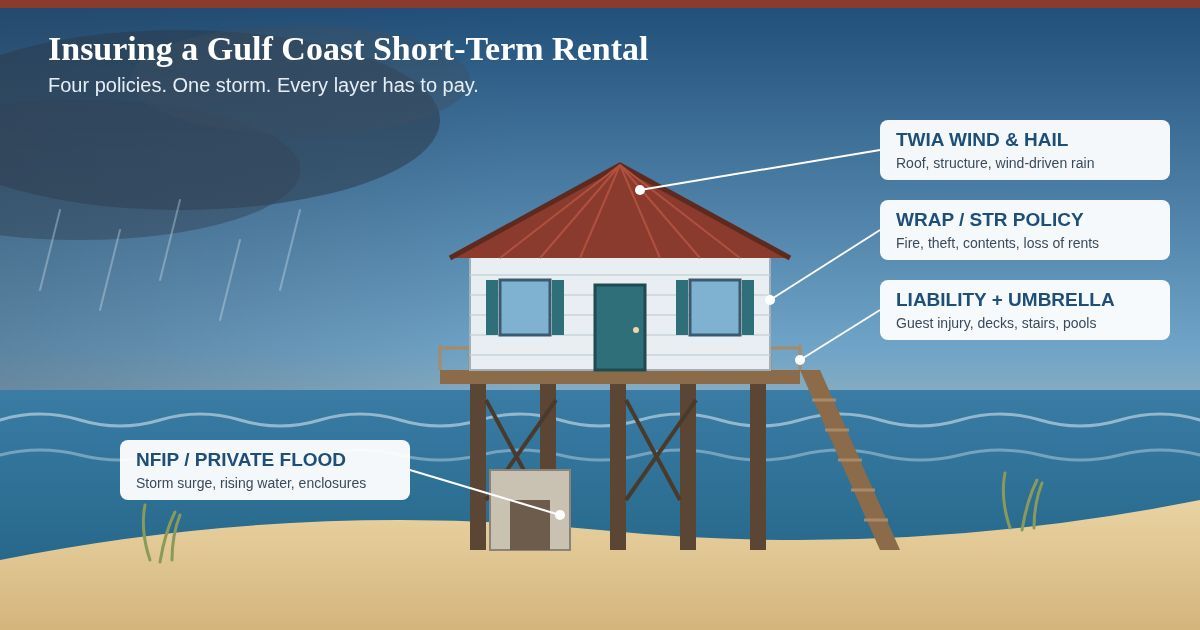
  • Fire, Flood, and Natural Disasters
    Critical for drivers in areas prone to storms or flooding—such as regions along the Gulf Coast and cities like Texas City, TX.

  • Falling Objects
    Tree branches, debris, or other impacts.

  • Weather Damage
    Hail, windstorms, lightning, and more.

  • Animal Collisions
    Coverage for hitting a deer or other wildlife.

  • Glass/Window Damage
    Often includes or can be expanded to cover windshield repair or replacement.


Unlike basic coverage, comprehensive insurance helps pay for damage to your OWN vehicle—even when you're not driving.

Who Benefits Most from Comprehensive Coverage?

Comprehensive coverage is especially important if you:

  • Live in an area prone to hurricanes, hail, flooding, or severe storms
  • Park outdoors or on the street
  • Drive a newer or high-value vehicle
  • Want protection from theft, vandalism, or random accidents
  • Cannot afford major out-of-pocket repair bills


In coastal cities like Texas City, TX, where weather risks and environmental conditions are more unpredictable, comprehensive auto insurance becomes a strong—and often essential—financial safeguard.


Why Drivers Shouldn’t Ignore the Added Protection

1. It Protects Your Investment

Vehicles are expensive. Comprehensive coverage keeps repair or replacement costs manageable.


2. Weather Can Cause Major, Unexpected Damage

Storms, hail, wind, and flooding are increasingly common—and expensive to repair.


3. Theft and Vandalism Are Always Possible

Even in safe neighborhoods, vehicle crimes happen. Comprehensive coverage ensures you’re not left to pay the full cost.


4. It Provides Peace of Mind

Knowing you’re protected from almost every non-collision scenario makes driving far less stressful.


5. It Helps Maintain the Value of Your Car

Without adequate protection, unrepaired damage can quickly reduce resale value.


How to Choose the Right Level of Coverage

  • Evaluate Your Risks
    Consider weather patterns, crime rates, and road conditions in your area.

  • Consider Your Vehicle’s Value
    Newer and financed vehicles often require comprehensive coverage.

  • Review Your Budget
    Weigh premium costs against potential repair expenses.

  • Check Lender Requirements
    If your car is leased or financed, comprehensive coverage is often mandatory.

  • Speak With a Licensed Insurance Professional
    An expert can help tailor a policy that fits your needs and budget.


Conclusion

While basic auto insurance may meet legal requirements, it often falls short when it comes to protecting your vehicle and financial stability. Comprehensive coverage fills the gaps—covering theft, weather damage, vandalism, animal collisions, and many unexpected events that drivers can’t control.

Whether you drive daily through busy metropolitan areas or along the beautiful coastlines near Texas City, TX, investing in the right level of protection ensures you can handle the unexpected with confidence.


At Brad Spurgeon Insurance Agency Inc., we aim to provide comprehensive insurance policies that make your life easier. We want to help you get insurance that fits your needs. You can get more information about our products and services by calling our agency at (409) 945-4746. Get your free quote today by 
CLICKING HERE


Disclaimer: The information presented in this blog is intended for informational purposes only and should not be considered as professional advice. It is crucial to consult with a qualified insurance agent or professional for personalized advice tailored to your specific circumstances. They can provide expert guidance and help you make informed decisions regarding your insurance needs.

December 15, 2025
Buying a home is one of the biggest financial decisions you’ll ever make—and when the property is located in a flood-prone area, the stakes become even higher. Flooding can cause extensive damage, disrupt daily life, and dramatically impact long-term property value. Yet, many buyers are still drawn to these areas for their affordability, waterfront access, or investment potential. Before committing to a purchase in a flood-risk zone, it’s crucial to understand how these risks affect home value, insurance requirements, and your long-term financial security. With the right knowledge and preparation, you can make a confident, informed, and strategic buying decision. Understanding Flood-Prone Properties What Makes a Property “Flood-Prone”? A flood-prone property is one located in an area with a statistically higher chance of flooding, such as: Coastal regions Low-lying neighborhoods Areas near rivers, lakes, or bayous Regions with inadequate drainage or older infrastructure FEMA flood maps are updated regularly and classify regions by risk level, influencing both insurance requirements and lender guidelines. How Flood Risk Impacts Property Value 1. Insurance Costs Increase Long-Term Ownership Expenses Properties in high-risk areas often require separate flood insurance , especially if the buyer has a federally backed mortgage. Higher flood insurance premiums can: Reduce affordability Limit a home’s resale appeal Influence market pricing 2. Maintenance and Repair Costs Can Be Higher Homes in flood-prone zones often require: Foundation inspections Water mitigation systems Elevated utilities or structural components Frequent repairs after major storms These recurring costs can affect total ownership value over time. 3. Property Appreciation May Be Slower Buyers may be hesitant to purchase in high-risk regions, which can cause: Slower appreciation Lower resale prices Longer listing times 4. Severe Flood Events Can Reduce Value Immediately After significant floods, some properties experience: Decreased buyer interest Lower appraisal values Stricter insurance requirements What Buyers Should Evaluate Before Purchasing 1. Review FEMA Flood Zone Maps Determine whether the home is in: A high-risk flood zone (AE, VE) A moderate-risk zone (X shaded) A low-risk zone (X unshaded) This affects insurance, resale value, and available financing. 2. Request the Property’s Flood History Ask the seller or agent for: Past flooding incidents Insurance claim history Mitigation efforts or improvements Knowing the property’s real-world performance is just as important as its zoning. 3. Examine the Elevation Certificate This document shows the home’s elevation relative to flood levels and directly affects flood insurance rates. 4. Inspect the Home for Flood-Resistant Features Smart buyers look for: Elevated HVAC systems Flood-resistant building materials Proper drainage and grading Functional sump pumps or backflow valves 5. Understand Local Insurance Requirements Some states and communities—coastal areas especially—may have additional rules or programs that influence insurance costs and availability. For buyers considering properties in Texas City, T , it’s especially important to review local flood maps, insurance requirements, and property elevation due to the community’s access to waterways and proximity to the Gulf. Proactive research helps ensure you’re making a safe and financially sound decision in a region where flood awareness is essential. Financial Safeguards for Buyers in Flood-Risk Zones Consider Flood Insurance Early Even if it's not required, purchasing optional flood insurance in lower-risk areas can be a smart move. Budget for Future Mitigation Improvements Flood vents, foundation upgrades, and drainage corrections can add long-term protection. Evaluate Long-Term Resale Potential Choose areas with strong demand, good infrastructure, and ongoing community development. Work With Local Agents and Inspectors Professionals who understand the flood-related challenges in your region can help identify risks you may not notice. Smart Questions to Ask Before Buying a Flood-Prone Home Has the property ever flooded? What were the repair costs? What is the current flood insurance premium? Are there existing mitigation features? Are there any upcoming community drainage or infrastructure projects? How many times has the neighborhood flooded in the last decade? Buying with clarity minimizes financial surprises later. Conclusion Purchasing a home in a flood-prone area requires careful evaluation and preparation—but it doesn’t have to be risky. By understanding the true impact on property value, reviewing insurance obligations, and thoroughly researching the area’s flood history, you can confidently choose a property that fits your needs and financial goals. With the right information and proactive planning, even homes in higher-risk locations can be smart, long-term investments. At Brad Spurgeon Insurance Agency Inc., we aim to provide comprehensive insurance policies that make your life easier. We want to help you get insurance that fits your needs. You can get more information about our products and services by calling our agency at (409) 945-4746. Get your free quote today by CLICKING HERE . Disclaimer: The information presented in this blog is intended for informational purposes only and should not be considered as professional advice. It is crucial to consult with a qualified insurance agent or professional for personalized advice tailored to your specific circumstances. They can provide expert guidance and help you make informed decisions regarding your insurance needs.
December 10, 2025
Your home is one of your biggest investments—financially and emotionally. But many homeowners don ’t realize they’re underinsured until disaster strikes. Whether it’s a house fire, storm damage, or a major plumbing failure, inadequate home coverage can turn an already stressful event into a financial crisis. Understanding what happens when you don’t have enough home insurance is essential for protecting your property, your wallet, and your peace of mind. This guide explains the risks of being underinsured and how to make sure your policy truly safeguards your home. What Does It Mean to Be Underinsured? Being underinsured means your homeowner’s insurance policy does not provide enough coverage to fully repair or rebuild your home after a loss. This often happens because homeowners: Select covera ge based on their home’s market value, not its replacement cost Forget to update their policy after renovations or additions Choose lower coverage limits to reduce premiums Don’t fully understa nd included (and excluded) protections In fast-growing areas or coastal regions like Texas City, TX, repair and labor costs can rise quickly—making accurate coverage more important than ever. What Happens When Your Home Is Underinsured? 1. You May Have to Pay Thousands—Or More—Out of Pocket If the cost to rebuild your home exceeds your coverage limit, you are responsible for the remainder. Even a small gap can add up fast. Example: If your home requires $300,000 to rebuild but you’re only insured for $220,000, you must pay the additional $80,000 yourself. 2. You Could Face a Coinsurance Penalty Many homeowners policies include a coinsurance clause, which requires you to insure your home for a specific percentage of its replacement cost (usually 80%–100%). If you fall below that threshold—even by accident—you may receive only a partial payout for your claim. 3. You May Not Have Enough Coverage for Detached Structures Detached garages, sheds, fencing, and other outdoor features are often covered as a percentage of your dwelling amount. If your dwelling coverage is too low, every other structure’s coverage automatically drops as well. 4. Your Personal Belongings May Be Underprotected Your personal property coverage is typically set as a percentage of your dwelling limit. Underinsuring your home also underinsures your belongings—including furniture, electronics, clothing, and valuables. 5. Temporary Living Expenses Might Not Be Fully Covered If your home becomes uninhabitable, loss of use coverage helps pay for hotel stays or temporary housing. But if your main policy limit is too low, these benefits may cap out quickly—leaving you to cover the remaining costs. 6. Renovations or Improvements May Not Be Covered Many homeowners complete upgrades—new kitchens, flooring, room additions—without notifying their insurance carrier. If your home value increases but your coverage doesn’t, your policy will not reflect the true cost of repairs. 7. Mortgage Requirements Could Be Impacted Lenders require adequate insurance to protect their investment. If they determine your coverage is too low, they may: Require additiona l insurance Place costly lender-issued coverage on your policy Delay refinancing or hom e-equity approvals For homeowners in Texas City, TX, choosing adequate home coverage is especially important due to storm risks, rising construction costs, and ongoing property development. Ensuring your policy reflects accurate replacement costs can help prevent financial hardship after a major loss. How to Make Sure You Have Enough Home Coverage Insure Your Home to Its Full Replacement Cost This is the amount needed to rebuild—not sell—your home. Review Your Policy Every Year Costs change, and your insurance should too. Update Your Carrier After Renovations Even small improvements affect your replacement value. Inventory Your Belongings Photo or video documentation makes claim processing easier. Consider Extended or Guaranteed Replacement Cost Coverage These upgrades provide protection if rebuilding costs exceed your limits. Ask About Ordinance & Law Coverage This covers the extra costs of bringing your home up to current building codes after a loss. The Long-Term Impact of Being Underinsured Choosing lower coverage to save money may feel smart in the short term—but it can lead to: S ignificant debt Delayed repairs Incomplete rebuilding Loss of property value Financial strain for your family Adequate home insurance ensures you can rebuild your life—not just your house—after a major loss. Conclusion Not having enough home coverage can leave you financially vulnerable when disaster strikes. From out-of-pocket repair costs to coinsurance penalties and insufficient personal property protection, the consequences can be overwhelming. By reviewing your policy regularly, understanding your replacement costs, and adjusting your coverage as needed, you can protect your home, your investment, and your future. At Brad Spurgeon Insurance Agency Inc., we aim to provide comprehensive insurance policies that make your life easier. We want to help you get insurance that fits your needs. You can get more information about our products and services by calling our agency at (409) 945-4746. Get your free quote today by CLICKING HERE . Disclaimer: The information presented in this blog is intended for informational purposes only and should not be considered as professional advice. It is crucial to consult with a qualified insurance agent or professional for personalized advice tailored to your specific circumstances. They can provide expert guidance and help you make informed decisions regarding your insurance needs.
December 10, 2025
Windstorms can cause sudden and costly damage—especially in coastal and storm-prone areas. Yet many homeowners don’t realize they’ve made critical mistakes with their windstorm insurance until after a major storm hits. By then, fixing coverage gaps becomes impossible, and the financial consequences can be devastating. Understanding how windstorm insurance works and avoiding common errors can protect your home, your budget, and your peace of mind. Whether you live on the Gulf Coast, inland, or in a high-risk coastal town like Texas City, TX, taking proactive steps ensures you’re never caught off guard when severe weather strikes. What Is Windstorm Insurance and Why Does It Matter? Windstorm insurance provides coverage for damage caused by high winds, hurricanes, hailstorms, and tropical storms. Many standard homeowners insurance policies exclude windstorm damage—especially in coastal states like Texas—making a separate policy essential. Windstorm insurance can cover: Roof and structural damage Exterior repairs, such as windows and siding Damage caused by debris Interior damage resulting from wind-created openings Detached structures, depending on the policy Because storms can be unpredictable, understanding your coverage before hurricane season is crucial. Common Windstorm Insurance Errors—and How to Avoid Them 1. Assuming Wind Damage Is Automatically Covered One of the biggest misconceptions is thinking homeowners insurance includes all types of storm damage. Many policies in high-risk areas exclude or limit wind coverage. Avoid the mistake: Review your policy’s exclusions carefully Ask your agent if you need a separate windstorm policy Confirm hurricane deductible requirements 2. Not Understanding Your Windstorm Deductible Windstorm or hurricane deductibles often work differently from standard deductibles. Instead of a set dollar amount, they’re usually a percentage of your home’s insured value. Example: If your home is insured for $350,000 and your windstorm deductible is 2%, you’ll pay $7,000 out of pocket before coverage begins. Avoid the mistake: Know your deductible percentage Evaluate whether you can comfortably afford it during a storm Adjust your policy if it’s too high 3. Failing to Meet Inspection or Certification Requirements Some states—such as Texas—may require windstorm inspections or certifications for eligibility, especially near the coast. Skipping these steps can result in denied claims, even if you believe your home is properly protected. Avoid the mistake: Sched ule regular inspections Ensure your roof and structural components meet state wind-resistant standards Keep documentatio n handy for future claims 4. Underinsuring Your Home A major error is insuring your home for less than its full replacement cost. If a storm causes total or severe damage, this can leave homeowners paying thousands out of pocket. Avoid the mistake: Verify your ho me is insured for replacement cost (not market value) Update your policy after renovations or upgrades Account for rising ma terial and labor costs 5. Forgetting to Review Coverage for Detached Structures Sheds, fences, garages, and other detached structures may have limited coverage or require specific endorsements. Avoid the mistake: Check which structures are included Add endorsements if needed Photograph any ex ternal structures for documentation 6. Not Preparing Documentation Before a Storm When a storm hits, filing a claim becomes much easier if you already have proof of your home’s condition. Avoid the mistake: Take photos or videos of your property annually Keep receipts for roofing, windows, and upgrades Store documents d igitally in case paper copies are lost 7. Waiting Too Late to Update Your Policy Most insurers won’t allow you to update or purchase coverage when a storm is already approaching. This is especially true in storm-sensitive regions like Texas City, TX, where insurers may freeze policy changes days before a hurricane. Avoid the mistake: Rev iew your coverage each spring Update your policy before hurricane season begins Don’t wait until a storm forms in the Gulf In coastal communities such as Texas City, TX, where strong winds and tropical weather events are common, it’s essential for homeowners to review their windstorm policies regularly and ensure they meet state certification requirements. Proactive preparation can make a significant difference during peak storm seasons. Additional Tips for Stronger Windstorm Protection Add Impact-Resistant Roofing Many insurers offer discounts for reinforced or code-compliant roofing materials. Secure Windows and Doors Shutters, impact glass, and storm panels reduce structural damage. Trim Trees and Clear Debris Loose branches and outdoor items become dangerous projectiles during storms. Keep Emergency Supplies Ready Maintain water, flashlights, chargers, and a portable generator if possible. Conclusion Windstorm insurance protects your home from some of the most devastating weather events. But having a policy isn’t enough—you must understand it fully to avoid costly mistakes when you need coverage the most. By reviewing your policy regularly, verifying deductible amounts, ensuring proper inspections, and maintaining updated documentation, you can weather any storm with greater confidence. Preparation today ensures you don’t get caught off guard tomorrow. At Brad Spurgeon Insurance Agency Inc., we aim to provide comprehensive insurance policies that make your life easier. We want to help you get insurance that fits your needs. You can get more information about our products and services by calling our agency at (409) 945-4746. Get your free quote today by CLICKING HERE . Disclaimer: The information presented in this blog is intended for informational purposes only and should not be considered as professional advice. It is crucial to consult with a qualified insurance agent or professional for personalized advice tailored to your specific circumstances. They can provide expert guidance and help you make informed decisions regarding your insurance needs.
November 17, 2025
Owning a bo at brings freedom, adventure, and relaxation—but it also comes with responsibility. Whether you enjoy fishing, cruising, or weekend trips on the water, boat insurance is essential for protecting both your vessel and your financial well-being. Many boat owners are surprised to learn that damage or liability from boating accidents isn’t covered under standard homeowners or auto insurance policies. That’s where boat insurance comes in. This guide explains what boat insurance typically covers, what may require additional protection, and how to make sure you have the right policy for your needs. What Is Boat Insurance? Boat insurance is a type of policy that helps cover the cost of damage, loss, or liability associated with owning and operating a watercraft. It can apply to a range of vessels, including: Fis hing boats Sailboats Pontoon boats Personal watercraft (Jet Skis, WaveRunners) Yachts Policies vary based on the boat type, size, value, and how and where you use it. Core Coverages in a Boat Insurance Policy Boat insurance typically includes several key coverage features: 1. Physical Damage Coverage This helps repair or replace your boat if it’s damaged due to: Collision with another vessel Dock or pier impact Storm or wind damage Fire, theft, or van dalism What’s covered: Hull, motor(s), anchors, sails, and permanently attached equipment. 2. Liability Coverage If your boat causes injury to someone else or damages another vessel or property, liability coverage helps pay for: Repa ir costs Medical bills Legal expenses (if you are sued) This is one of the most important forms of protection for boat owners. 3. Medical Payments Coverage Regardless of who is at fault, this helps pay for medical expenses if you or your passengers are injured while boating. Examples include: Emergency room visits Ambulance services X-rays and basic follow-up care 4. Uninsured/Underinsured Boater Coverage Just like with auto insurance, not everyone on the water carries adequate coverage. This helps protect you if your boat or passengers are injured by someone without insurance or with too little insurance. Additional Coverages You May Want to Consider Depending on your boating lifestyle, you may want extra protection:
November 17, 2025
Flooding has always been a natural part of weather cycles, but in recent years, the frequency and severity of flood events have increased dramatically. Climate change is reshaping weather patterns, raising sea levels, and contributing to more powerful storms. All of this has made flooding one of the most significant environmental and financial threats facing homeowners today. Understanding how climate change affects flood risks—and what you can do to prepare—can help protect your home, your property, and your peace of mind. How Climate Change Is Increasing Flood Risk Climate change influences weather systems in multiple ways that contribute to flooding: 1. Rising Sea Levels As global temperatures increase, glaciers and ice sheets melt, causing sea levels to rise. Communities along coastlines are now more vulnerable to: Higher storm surge Permanent erosion Coastal flooding during high tides 2. Stronger and More Frequent Storms Warmer ocean temperatures fuel stronger hurricanes and tropical storms that carry more moisture. This means: Hea vier rainfall over short periods Increased flash flooding Greater storm intensity and damage potential 3. Shifts in Seasonal Weather Patterns Some regions are experiencing more extreme rainfall during certain seasons, while others experience prolonged dry spells followed by sudden heavy rain—both of which exacerbate flood risks. Types of Flooding Homeowners May Face Not all flooding looks the same. Climate change is contributing to different forms of flooding in urban and rural environments:
November 11, 2025
When reviewing your home insurance policy, you’ll often see two major coverage components: dwelling coverage and personal property coverage. While both are designed to protect your home and belongings, they each serve different purposes. Understanding the distinction helps ensure you’re fully protected in the event of damage, theft, or disaster. Below, we break down what each type of coverage includes, how they work, and why both are essential parts of a well-rounded home insurance plan. What Is Dwelling Coverage? Dwelling coverage protects the structure of your home—the physical building itself. This includes the materials and features that make up your house. Dwelling Coverage Typically Includes: The roof Exterior and interior walls Flooring and ceilings Built-in appliances (e.g., water heater, furnace) Attached structures such as: - Garages - Porches - Decks This coverage is designed to help pay for repairs or rebuilding if your home is damaged by covered events such as: Fire Lightning Hail Windstorm Vandalism Certain types of water damage It does not cover: general wear and tear, poor maintenance, or damage caused by excluded hazards like flooding (unless you add separate flood insurance). What Is Personal Property Coverage? Personal property coverage protects your belongings, not the house itself. If you could pick it up and take it when you move, it’s generally covered under personal property insurance. Personal Property Coverage Typically Includes: Furnitu re and décor Clothing and footwear Electronics (TVs, laptops, gaming systems) Kitchen appliances and cookware Tools and lawn equipment Jewelry and collectibles (often with coverage limits unless scheduled separately) This coverage helps reimburse you if your items are damaged or stolen—whether they were inside your home, in your car, or sometimes even while traveling. Personal property claims are often based on either: Actual Cash Value (ACV): depreciated value at the time of loss Replacement C ost Value (RCV): cost to replace the item with a new one Make sure you know which applies to your policy.
November 11, 2025
Windstorms can occur without much warning, bringing strong, damaging gusts that can impact homes, property, and local communities. F or homeowners, understanding your windstorm risk isn’t just about knowing the weather—it’s about protecting your home, safety, and financial well-being. Whether you live near the coast or inland, certain areas are more prone to wind-related hazards than others. By learning how to assess your home’s location and vulnerability, you can be better prepared and take steps to reduce risk. What Is Windstorm Risk? Windstorm risk refers to the likelihood of severe wind events in a specific area. This may include: Hurricanes Tropical storms Tornadoes High-wind thunderstorms Derechos (large-scale windstorms) These events can cause: Roof damage Broken windows Fallen trees Structural compromise Property loss Assessing your windstorm risk helps ensure your home is reinforced and insured appropriately. Factors That Influence Windstorm Risk 1. Geographic Location Your home's location plays a major role. Coastal regions and plains often experience higher windstorm activity. 2. Local Weather History If your area has a history of hurricanes, tornadoes, or strong seasonal winds, the risk is elevated. 3. Terrain and Surroundings Open landscapes allow stronger winds. Dense neighborhoods, hills, or forest areas may offer slight shielding. 4. Building Age and Construction Older homes or those without wind-resistant features are more susceptible to damage. How to Assess Your Home’s Windstorm Risk 1. Check Local Windstorm Maps Many state and federal agencies provide hazard maps showing vulnerability levels for specific ZIP codes. 2. Review Historical Weather Patterns Storm tracking data helps reveal how often severe windstorms have impacted your region. 3. Examine Building Codes and Local Requirements Areas with higher wind risk often have stricter construction codes—knowing these can help you upgrade accordingly. 4. Inspect Your Home’s Construction Features Look for: Roof type and fastening method Window impact protection (shutters or reinforced glass) Wall-to-foundation anchoring Condition of siding and doors 5. Speak with Local Experts Contractors, insurance agents, and inspectors can provide insight based on regional trends. For example, homeowners in Texas City, TX are encouraged to evaluate windstorm protection features because the region experiences seasonal storms and coastal weather patterns that can increase exposure. Ways to Reduce Your Windstorm Risk Reinforce roofing systems Install storm shutters or impact-resistant windows Trim trees and remove weak branches Secure outdoor furniture and features Upgrade garage doors to wind-rated models Seal gaps to prevent wind uplift pressure Small improvements can significantly reduce damage during high winds. Why It’s Important to Have Home Insurance Even with preparation, no home is completely immune to windstorm damage. That’s why having reliable home insurance is essential. Key Benefits of Home Insurance: Financ ial Protection: Helps pay for repairs after wind-related damage. Coverage for Personal Belongings: Replaces damaged or lost property. Liability Protection: Covers injuries occurring on your property. Required by Lender s: Mortgage providers typically require home insurance for loan approval. Who Home Insurance Best Serves Homeo wners in storm-prone regions Those with valuable property to protect Families seeking financial peace of mind Anyone concerned about unexpected home repair costs Home insurance acts as your safety net—ensuring recovery is possible even when nature is unpredictable. Conclusion Understanding windstorm risk is an important part of responsible homeownership. By assessing your home’s location, analyzing local climate patterns, and taking steps to secure your property, you can reduce damage and protect your investment. Pairing preparation with the right home insurance ensures that when severe weather does strike, you’re not facing the aftermath alone. Awareness, prevention, and protection together create a stronger, safer home environment—no matter the forecast. At Brad Spurgeon Insurance Agency Inc., we aim to provide comprehensive insurance policies that make your life easier. We want to help you get insurance that fits your needs. You can get more information about our products and services by calling our agency at (409) 945-4746. Get your free quote today by CLICKING HERE . Disclaimer: The information presented in this blog is intended for informational purposes only and should not be considered as professional advice. It is crucial to consult with a qualified insurance agent or professional for personalized advice tailored to your specific circumstances. They can provide expert guidance and help you make informed decisions regarding your insurance needs.
October 13, 2025
No matter how carefully you design, manufacture, or sell your products, there’s always a chance that something can go wrong once it reaches the consumer. A single product defect or customer injury can lead to costly lawsuits that threaten your company’s finances and reputation. That’s where product liability insurance comes in. This type of coverage protects your business from claims related to defective products—helping you stay focused on growth, not legal battles. Whether you run a small retail shop, a manufacturing plant, or an e-commerce business in Texas City, Texas, understanding product liability insurance is essential for long-term success and stability. What Is Product Liability Insurance? Product liability insurance is a type of business insurance that protects companies from financial losses if a product they make, sell, or distribute causes injury or property damage. Even if your business follows every regulation and safety standard, accidents and defects can still occur. This coverage helps you pay for legal defense costs, settlements, and medical expenses related to product-related incidents. Who Needs Product Liability Insurance? Virtually any business involved in the product chain can benefit, including: Manu facturers – design and produce the product. Wholesalers or distributors – move products through supply chains. Retailers – sell products directly to consumers. Online sellers – operate t hrough e-commerce platforms like Amazon, Etsy, or Shopify. If your business touches a product at any point before it reaches the customer, you could be held liable for damages. What Does Product Liability Insurance Cover? 1. Design Defects If a flaw in the product’s design makes it inherently dangerous, product liability insurance helps cover the resulting claims. Example: A toy manufacturer creates a children’s toy with small detachable parts that pose a choking hazard. If a child is injured, the company may face lawsuits for design negligence. 2. Manufacturing Defects Even with strict quality control, mistakes can happen during production. This coverage applies when a product is safely designed but becomes dangerous due to a manufacturing error. Example: A batch of kitchen appliances leaves the factory with faulty wiring, causing electrical fires. The manufacturer’s product liability policy would help cover claims and damages. 3. Marketing and Labeling Errors Sometimes, products cause harm because consumers weren’t adequately warned of risks or given proper usage instructions. This is where failure-to-warn claims come into play. Example: A cleaning product lacks sufficient warning labels about toxic fumes. If a user falls ill, the company could face claims for insufficient labeling or inadequate safety instructions. 4. Property Damage or Bodily Injury Product liability insurance also covers: Medical ex penses if someone is injured by your product. Repair or replacement costs if a defective product damages another person’s property. Legal defense fees and court costs associated with lawsuits. What’s Not Covered While comprehensive, product liability insurance doesn’t cover everything. Exclusions may include: Intentional misconduct or fraud Product recalls (often available as separate coverage) Employee injuries (covered under workers’ compensation) Damage to your own pro ducts Always review your policy closely or consult an insurance professional to understand specific exclusions. Why Product Liability Insurance Is Essential Even one lawsuit can financially cripple a small business. Product liability insurance offers multiple benefits that help protect your operations and reputation. 1. Financial Protection Covers expensive legal fees, settlements, and court judgments that could otherwise drain your business’s resources. 2. Credibility and Trust Having proper coverage shows customers and business partners that you take responsibility for your products, which builds credibility and strengthens relationships. 3. Peace of Mind Running a business involves enough risks already. Knowing you’re protected against unforeseen product-related claims allows you to focus on growth, innovation, and customer satisfaction. 4. Contractual Requirements Many retailers, distributors, and business partners require proof of product liability insurance before doing business with you—especially in industries like manufacturing or food production. Product Liability Insurance in Texas City, Texas Businesses in Texas City, Texas, face unique challenges due to the area’s industrial economy and proximity to Gulf Coast shipping and manufacturing hubs. Whether you’re producing goods, distributing components, or selling retail products locally, the potential for product-related claims is always present. Working with an experienced local insurance agent ensures you get customized coverage that fits your business type, risk level, and regulatory environment. Local professionals understand the Texas legal landscape and can help you navigate compliance requirements while keeping your premiums affordable. How Much Coverage Do You Need? The amount of coverage your business needs depends on several factors: Indus try type and risk level – Medical devices and automotive parts carry higher risk than clothing or candles. Business size and revenue – Larger operations usually need higher limits. Product reach – Nationwide or international distribution increases exposure. Client or partner require ments – Some contracts specify minimum coverage amounts. Most small to mid-sized businesses start with $1 million to $2 million in product liability coverage, but it’s best to consult your insurer for an assessment tailored to your risk profile. Tips for Reducing Product Liability Risk Implem ent strict quality control: Inspect raw materials, test products, and maintain clear production logs. Keep documentation: Save design records, testing data, and customer feedback. Use clear labeling: Provide detailed instructions and safety warnings. Train employees: Ensure all staff understand manufacturing and safety standards. Stay compliant: Follow all local, st ate, and federal safety regulations. Reducing risk not only improves safety but can also lower your insurance premiums over time. The Bottom Line Product liability insurance is more than just another business policy—it’s a critical layer of protection that shields your company from lawsuits, financial losses, and reputational damage. If you own a business in Texas City, Texas, or anywhere in the Gulf Coast region, now is the perfect time to review your coverage and ensure your operations are properly protected. A local insurance expert can help tailor a policy that meets your specific needs and keeps your business resilient, no matter what challenges come your way. At Brad Spurgeon Insurance Agency Inc., we aim to provide comprehensive insurance policies that make your life easier. We want to help you get insurance that fits your needs. You can get more information about our products and services by calling our agency at (409) 945-4746. Get your free quote today by CLICKING HERE . Disclaimer: The information presented in this blog is intended for informational purposes only and should not be considered as professional advice. It is crucial to consult with a qualified insurance agent or professional for personalized advice tailored to your specific circumstances. They can provide expert guidance and help you make informed decisions regarding your insurance needs.
October 13, 2025
Flooding can strike with little warning—and when it does, the aftermath ca n be devastating. Even a few inches of water can cause thousands of dollars in property damage, and homeowners are often left wondering how they’ll recover. Many assume that government disaster aid will cover the costs, but the truth is, flood insurance and federal assistance work very differently—and they often complement each other rather than overlap. Understanding how these two forms of protection work together can help you make better financial and recovery decisions, especially if you live in a flood-prone coastal area like Texas City, Texas. Understanding Flood Insurance Flood insurance is a specialized policy that provides financial protection against damage caused by flooding—something standard homeowners or renters insurance doesn’t cover. In most cases, flood insurance is purchased through the National Flood Insurance Program (NFIP), which is managed by FEMA. Some private insurers also offer flood policies, but the NFIP remains the most common source for homeowners in flood-risk zones. What Flood Insurance Covers A standard NFIP policy offers two primary types of coverage: 1. Building Property Coverage Covers damage to the physical structure of your home, including: Foundati on, walls, and roof Electrical and plumbing systems Appliances like water heaters, furnaces, and built-in dishwashers Permanently installed carpeting and cabinets 2. Personal Property (Contents) Coverage Covers personal belongings such as: Furniture, cl othing, and electronics Curtains, rugs, and smaller appliances Portable air conditioners and microwaves Note: Flood insurance usually does not cover temporary housing, vehicles, or items stored outside the home. Why Flood Insurance Is So Important Flooding is one of the most common natural disasters in the United States, yet many homeowners are unprepared. Just one inch of floodwater can cause more than $25,000 in damage. If you live near coastal or low-lying areas—like Texas City, Texas—you’re especially vulnerable to hurricanes, tropical storms, and heavy rainfall events that can lead to severe flooding. Flood insurance: Provide s guaranteed coverage regardless of federal disaster declarations Pays claims faster than federal aid (usually within weeks, not months) Offers peace of mind knowing you’re financially protected before disaster strikes How Government Aid Works After a Flood Government disaster aid, typically managed by the Federal Emergency Management Agency (FEMA), becomes available only after a Presidential Disaster Declaration. While this assistance can be helpful, it’s important to understand its limitations: Types of Government Aid 1.Grants: Small am ounts of money to cover temporary housing or emergency repairs. Usually do not exceed a few thousand dollars per household. Do not have to be repaid, but are not designed to restore your home completely. 2.Low-Interest Loans (through the SBA): Offered by the U.S. Small Business Administration (SBA) to homeowners, renters, and businesses. Must be repaid with interest, though rates are typically lower than private loans. Can help cover rebuilding costs, replacing belongings, or repairing property damage. 3.Temporary Housing Assistance: Covers rent or hotel costs if your home is uninhabitable after a disaster. Short-term and limite d in scope. Flood Insurance vs. Federal Aid: Key Differences
October 13, 2025
When you purchase a homeowners insurance policy, one of the first documents you receive is the Declarations Page—sometimes called the “Dec Page.” This single page (or sometimes a few pages) acts as the summary of your coverage, showing what your policy includes, how much protection you have, and what you’re paying for it. For many homeowners, this document can seem confusing at first glance. But understanding what’s on your declarations page helps ensure you’re properly covered—and not paying for coverage you don’t need. Whether you’re a first-time homeowner or reviewing your policy renewal in Texas City, Texas, this guide will help you make sense of what’s on your home insurance declarations page. What Is a Home Insurance Declarations Page? Your home insurance declarations page is a key part of your policy packet. It provides a high-level overview of your coverage, limits, deductibles, discounts, and endorsements. Think of it as the “snapshot” of your homeowners policy. If you ever need to file a claim or verify what’s covered, this is the first place to look. Why It’s Important to Review Your Declarations Page Many homeowners rarely look at their declarations page after signing up for insurance—but doing so can save you time, stress, and money. Reviewing it ensures that: Your co verage limits match your home’s current replacement value Your name, address, and mortgage details are correct Discounts (like security system or bundle discounts) are applied You understand your deductib les before a claim arises Taking a few minutes to read your declarations page can help you avoid unpleasant surprises when disaster strikes. What You’ll Find on a Home Insurance Declarations Page Your declarations page typically includes the following sections. Each one serves a specific purpose and gives you insight into how your policy works. 1. Policy Information This section outlines the basic details of your policy, including: Policy number Effective and expiration dates Name and address of the insured (that’s you!) Insurance company’s contact information Agent or agency name a nd contact details Tip: Make sure your property address and contact information are correct—especially if you live in a community like Texas City, Texas, where mailing addresses may differ from property locations. 2. Coverage Summary This is the most crucial part of your declarations page. It lists the different types of coverage in your homeowners policy and their respective limits. Here’s what you’ll typically see: Dwel ling Coverage (Coverage A): Protects the structure of your home—walls, roof, and foundation. Other Structures (Coverage B): Covers detached structures like garages, fences, or sheds. Personal Property (Coverage C): Reimburses you for damage or loss of personal belongings such as furniture, clothing, or electronics. Loss of Use (Coverage D): Pays for living expenses if your home becomes uninhabitable due to a covered loss. Personal Liability (Coverage E): Protects you if someone is injured on your property and sues you. Medical Payments to Othe rs (Coverage F): Covers minor medical expenses for guests injured at your home. Each section shows the coverage limit—the maximum amount your insurance will pay for that category. Review these numbers to ensure they’re appropriate for your home’s value and lifestyle. 3. Deductibles Your deductible is the amount you pay out of pocket before your insurance company pays the rest. Common types of homeowners insurance deductibles include: Flat Deductible: A fixed dollar amount (e.g., $1,000). Percentage Deductible: A percentage of your home’s insured value (e.g., 1% of $300,000 = $3,000). Windstor m or Hurricane Deductible: Especially relevant in coastal areas of Texas, this applies specifically to wind or hail damage. If you live in Texas City, Texas, confirm whether your policy includes a separate windstorm deductible, as coastal homeowners often have different requirements. 4. Premium and Discounts This section lists your total annual premium and any discounts that help reduce your costs, such as: Multi -policy discount (bundling home and auto insurance) Security system or smoke alarm discount Claim-free history discount Loyalty or long-term customer discount Pro Tip: If you notice missing discounts, ask your insurance agent about ways to qualify for more savings. 5. Endorsements and Riders Endorsements are optional add-ons that expand or modify your coverage. They’re listed near the bottom of the declarations page. Common examples include: Repla cement cost coverage for personal belongings Water backup coverage for sump pump or drain issues Scheduled personal property for jewelry, art, or collectibles Extended dwelling coverage for rebuilding costs that exceed your base limit If you’ve made major home improvements or purchased valuable new items, it’s a good idea to review your endorsements and update your policy as needed. 6. Mortgagee or Lienholder Information If you have a mortgage, your lender is typically listed on your declarations page. This ensures they’re notified if your policy lapses or if there’s a significant claim. Always double-check that your lender’s information is accurate—especially if you’ve refinanced or changed mortgage companies. How Often Should You Review Your Declarations Page? Experts recommend reviewing your home insurance declarations page: Once a year when your policy renews After major life changes—such as home renovations, new valuables, or a refinance Before hurricane se ason if you live in coastal Texas regions like Texas City, Texas Regular reviews help you confirm your coverage keeps up with inflation, home improvements, and changing insurance regulations. Tips for Understanding and Managing Your Policy Ask questions. Your agent can clarify unfamiliar terms or limits. Bundle smartly. Combine your home, auto, and flood insurance for discounts and convenience. Keep a copy handy. St ore a digital and printed copy of your declarations page for quick reference during emergencies. The Bottom Line Your home insurance declarations page is more than just paperwork—it’s your roadmap to understanding what’s protected and how much coverage you have. By taking time to review it carefully, you can ensure your policy reflects your current needs and offers peace of mind when you need it most. If you live in or near Texas City, Texas, contact a local insurance professional to walk you through your policy details and make sure your home is fully covered before the next storm season. At Brad Spurgeon Insurance Agency Inc., we aim to provide comprehensive insurance policies that make your life easier. We want to help you get insurance that fits your needs. You can get more information about our products and services by calling our agency at (409) 945-4746 . Get your free quote today by CLICKING HERE . Disclaimer: The information presented in this blog is intended for informational purposes only and should not be considered as professional advice. It is crucial to consult with a qualified insurance agent or professional for personalized advice tailored to your specific circumstances. They can provide expert guidance and help you make informed decisions regarding your insurance needs.
Show More