A denied home insurance claim does not automatically mean you’re out of options. Many denials are based on documentation issues, policy interpretation, or correctable errors rather than final decisions. In our years of professional service helping homeowners in Texas City, TX, we’ve seen that informed, timely action can often change the outcome.
Why Home Insurance Claims Get Denied
Insurance claim denials are frustrating, but they are also more common—and more nuanced—than most homeowners realize. A denial does not always mean the damage isn’t covered; it often means the insurer believes a specific condition of the policy was not met.
Common Reasons for Claim Denials
Some of the most frequent causes include:
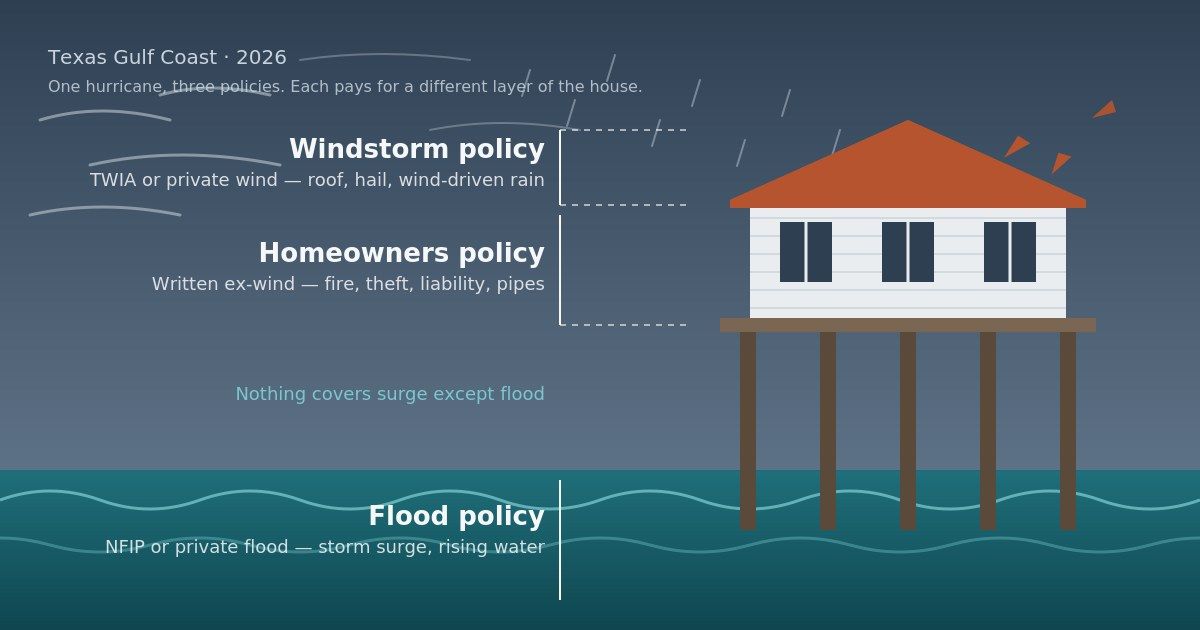
- Damage excluded by the policy (such as flooding under a standard homeowners policy)
- Insufficient documentation or delayed reporting
- Wear and tear misclassified as sudden damage
- Disputes over the cause of loss
- Policy limits or deductibles affecting payout eligibility
In our professional experience, many homeowners receive denial letters that are difficult to interpret without guidance, leading them to assume the decision is final when it may not be.
Step One: Review the Denial Letter Carefully
The denial letter is the foundation of your next steps. It explains why the insurer denied the claim and references specific policy language.
What to Look for in the Letter
When reviewing the denial, focus on:
- The stated reason for denial
- The policy section or exclusion being cited
- Any deadlines for appeals or additional documentation
- Instructions for requesting reconsideration
We’ve found that denials are often based on narrow interpretations of policy wording, which can sometimes be challenged with supporting evidence.
Step Two: Compare the Denial to Your Policy
Your
insurance policy—not the denial letter—is the controlling document. Carefully compare the insurer’s explanation to the actual policy language.
Key Policy Sections to Review
Pay close attention to:
- Covered perils and exclusions
- Definitions of damage types
- Deductible structure
- Endorsements or special provisions
In our years of professional service, we’ve seen cases where coverage applied, but the insurer initially overlooked an endorsement or misapplied an exclusion.
Step Three: Document and Support Your Claim
Strong documentation can make the difference between a closed claim and a reconsidered one.
Evidence That Can Strengthen Your Case
Depending on the situation, useful documentation may include:
- Photos or videos taken immediately after the loss
- Repair estimates from licensed contractors
- Maintenance records showing the home was properly cared for
- Weather reports or third-party assessments
- Written statements explaining the timeline of events
For homeowners near coastal infrastructure like the Texas City Dike, external factors such as wind patterns or storm timing can be especially relevant when clarifying cause of loss.
Step Four: Request a Reinspection or File an Appeal
Many
policies allow you to formally dispute a claim decision.
Options After a Denial
Your next steps may include:
- Requesting a reinspection by the insurer
- Submitting additional documentation for reconsideration
- Filing a written appeal within the insurer’s timeframe
- Engaging a public adjuster in complex cases
In Texas City, TX, we’ve helped homeowners understand when an appeal is appropriate versus when a different coverage solution is needed for future protection.
Step Five: Understand When the Denial Is Valid
Not every denial is incorrect. Some losses are legitimately excluded, and recognizing this can help you avoid unnecessary frustration.
Examples of Valid Denials
Common legitimate exclusions include:
- Flood damage under a standard homeowners policy
- Long-term seepage or maintenance-related damage
- Certain wind or named-storm exclusions without endorsements
When a denial is valid, the most productive step is often reviewing your coverage gaps and adjusting your policy to prevent future exposure.
How Denials Can Reveal Coverage Gaps
A denied claim often highlights weaknesses in a policy that weren’t obvious at purchase.
Coverage Improvements to Consider
After a denial, homeowners may want to review:
- Windstorm or named-storm endorsements
- Flood insurance options
- Deductible structures and percentage deductibles
- Coverage limits for high-risk exposures
In our professional experience, claim denials frequently serve as a turning point that leads to stronger, more resilient insurance protection.
Why Professional Guidance Matters After a Denial
Insurance policies are legal contracts, and claim decisions are not always straightforward. Having an experienced professional review your situation can help clarify your options and prevent costly mistakes.
We’ve worked with homeowners near Bay Street Park and surrounding neighborhoods who initially believed they had no recourse, only to discover that additional steps were available once the policy details were properly reviewed.
Moving Forward With Confidence
A denied
home insurance claim can feel overwhelming, but it does not have to be the end of the road. With the right documentation, a clear understanding of your policy, and informed guidance, many homeowners are able to either challenge a denial or strengthen their coverage for the future.
At Brad Spurgeon Insurance Agency Inc., we aim to provide comprehensive insurance policies that make your life easier. We want to help you get insurance that fits your needs. You can get more information about our products and services by calling our agency at
(409) 945-4746. Get your free quote today by
CLICKING HERE.
Brad Spurgeon Insurance Agency Inc.
Address:
Texas City, TX
Phone:
(409) 945-4746
Website:
https://www.privatewindstorm.com/