Understanding Exclusions In Home Insurance Policies

July 29, 2024
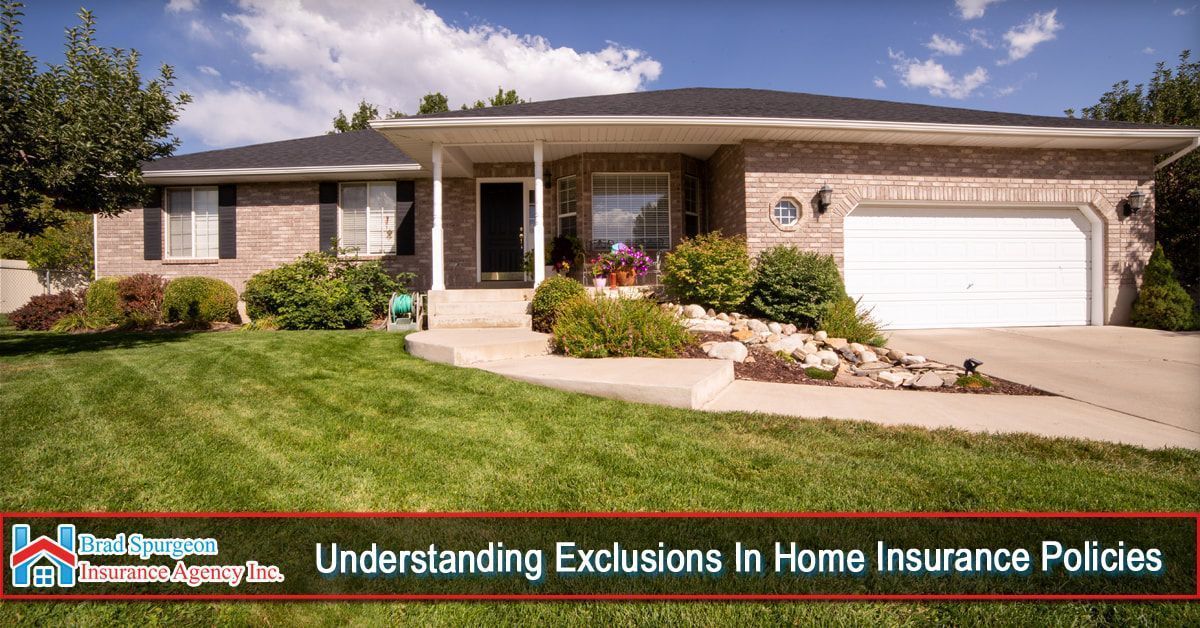
A suburban brick house with a white garage and a green lawn under a blue sky

Home insurance is a vital safeguard for homeowners, providing financial protection against a wide range of risks. However, not all potential hazards are covered by a standard home insurance policy. Understanding the exclusions in home insurance policies is crucial for homeowners to ensure they have the right coverage and are not caught off guard in the event of a loss. This article will explain what exclusions are, common exclusions in home insurance policies, and how to address these gaps in coverage.


What Are Exclusions in Home Insurance Policies?

Exclusions are specific conditions or circumstances that are not covered by an insurance policy. They define the limits of the insurance company’s liability and outline situations where the policyholder will not receive compensation for damages or losses. Exclusions help insurance companies manage risk and keep premiums affordable by excluding coverage for events that are either too common, too costly, or outside the scope of standard insurance.


Common Exclusions in Home Insurance Policies

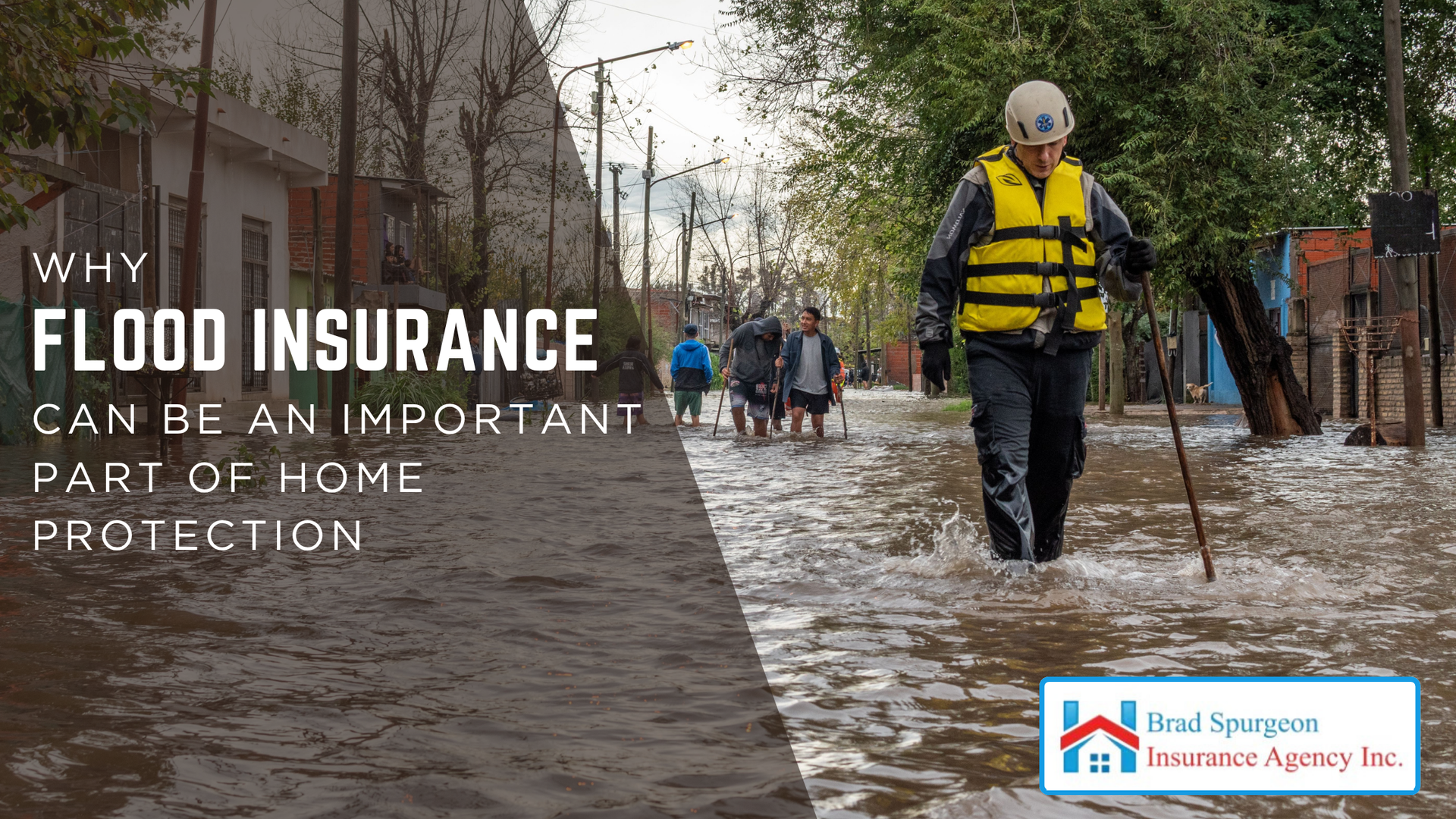
  1. Flood Damage
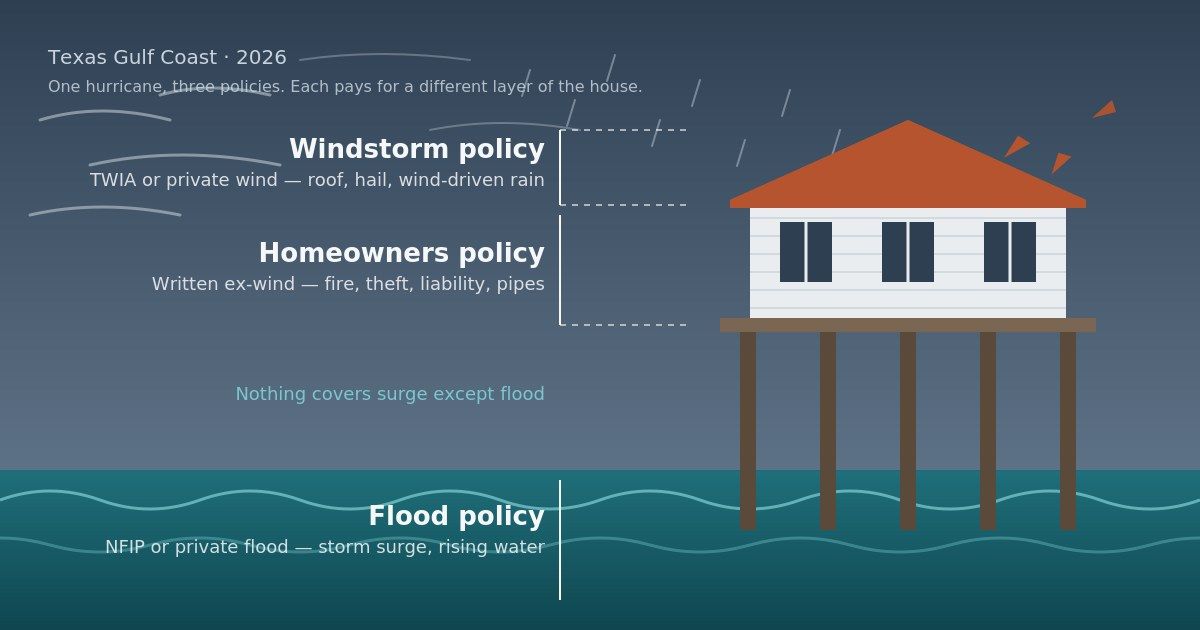
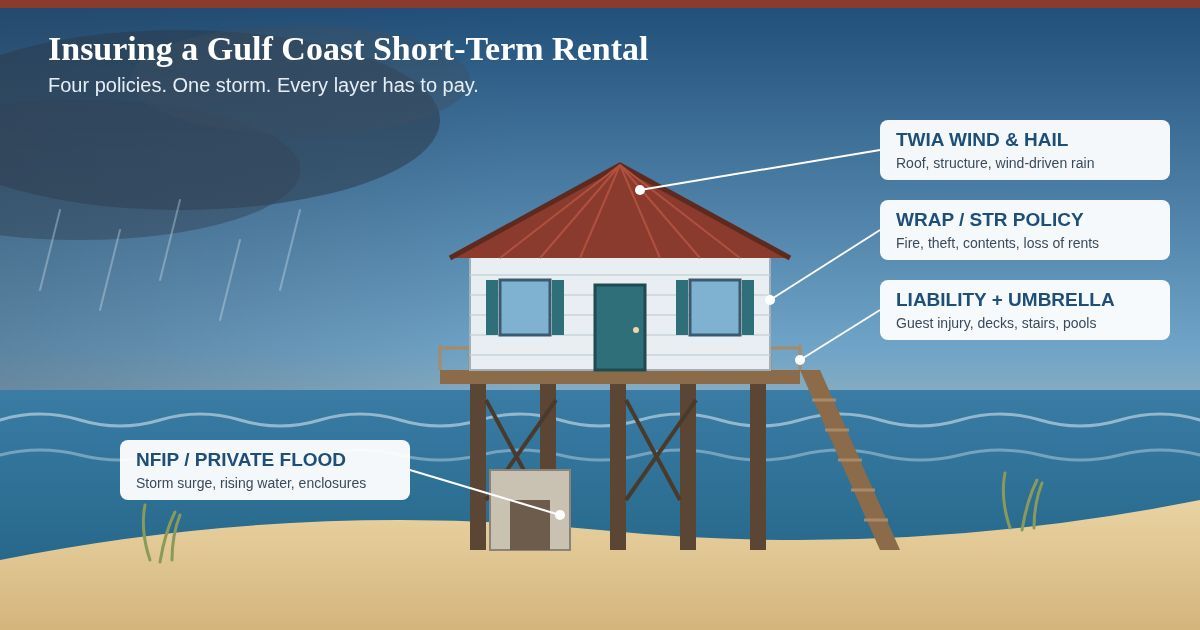
    Flooding is one of the most common exclusions in home insurance policies. Standard policies typically do not cover damage caused by floodwaters, including those from hurricanes, heavy rains, or overflowing rivers. Homeowners in flood-prone areas are advised to purchase separate flood insurance through the National Flood Insurance Program (NFIP) or private insurers.

  2. Earthquake Damage
    Like flooding, earthquake damage is usually excluded from standard home insurance policies. Homeowners in regions prone to seismic activity should consider purchasing separate earthquake insurance to cover potential damages.

  3. Wear and Tear
    Home insurance policies are designed to cover sudden and accidental damage, not damage resulting from regular wear and tear or lack of maintenance. Issues such as plumbing leaks due to aging pipes, roof damage from general deterioration, and other maintenance-related problems are typically excluded.

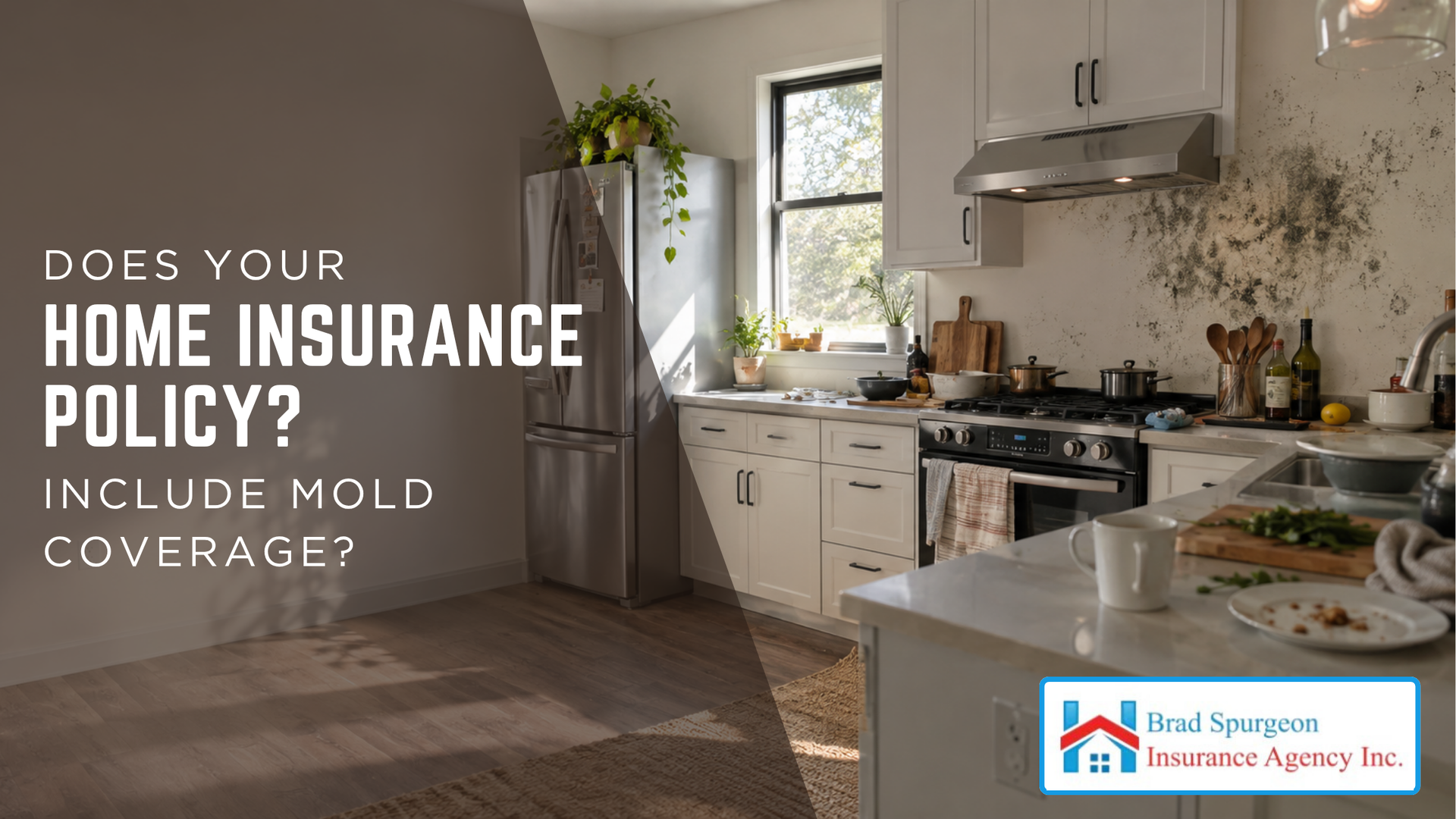
  4. Mold Damage
    Mold growth caused by prolonged moisture or humidity is generally excluded from standard policies. Some policies may offer limited mold coverage, but significant mold remediation is often not covered unless it results from a covered peril, such as a burst pipe.

  5. Sewer Backup
    Damage from sewer backups or sump pump failures is not typically covered under standard home insurance policies. Homeowners can add a sewer backup endorsement to their policy for an additional premium to cover such incidents.

  6. Acts of War or Terrorism
    Most home insurance policies exclude damage caused by acts of war or terrorism. While terrorism coverage can sometimes be added as an endorsement, war-related damage is almost universally excluded.

  7. Intentional Damage
    Any damage caused intentionally by the homeowner or someone acting on their behalf is excluded. Insurance is intended to cover accidental and unforeseen events, not deliberate actions.

  8. Business-Related Risks
    Standard home insurance does not cover business activities conducted from home. This includes damages related to business equipment, inventory, or liability issues arising from business operations. Homeowners running a business from their residence should consider a separate business insurance policy or add a home business endorsement.

Addressing Coverage Gaps

While exclusions are a necessary part of home insurance policies, there are ways homeowners can address coverage gaps:


  1. Endorsements and Riders
    Adding endorsements or riders to a home insurance policy can provide coverage for specific exclusions. For example, homeowners can add endorsements for sewer backup, mold remediation, or high-value items like jewelry and electronics.

  2. Separate Policies
    In some cases, purchasing separate insurance policies is necessary to cover excluded risks. This is common for flood and earthquake insurance, which are typically not covered under standard home insurance.

  3. Regular Maintenance
    Preventing damage through regular maintenance and timely repairs can help avoid issues related to wear and tear or mold. Keeping the home in good condition not only reduces the risk of excluded damages but also ensures the home remains insurable.

  4. Reviewing and Updating Policies
    Homeowners should regularly review their insurance policies to ensure they understand the exclusions and make necessary adjustments as their needs change. Consulting with an insurance agent can help identify potential gaps and recommend appropriate coverage options.

Conclusion

Understanding exclusions in home insurance policies is essential for homeowners to ensure they have comprehensive protection. By being aware of what is not covered and taking proactive steps to address these gaps, homeowners can avoid unexpected financial burdens and ensure their homes and belongings are adequately protected. Regularly reviewing and updating insurance coverage, adding endorsements, and purchasing separate policies where necessary can provide peace of mind and robust protection against a wide range of risks.


At Brad Spurgeon Insurance Agency Inc., we aim to provide comprehensive insurance policies that make your life easier. We want to help you get insurance that fits your needs. You can get more information about our products and services by calling our agency at (409) 945-4746. Get your free quote today by CLICKING HERE


Disclaimer: The information presented in this blog is intended for informational purposes only and should not be considered as professional advice. It is crucial to consult with a qualified insurance agent or professional for personalized advice tailored to your specific circumstances. They can provide expert guidance and help you make informed decisions regarding your insurance needs.

Insurance industry steady going into 2026: A positive outlook for life and nonlife
By Brad Spurgeon March 18, 2026
The insurance industry shows stability heading into 2026. Contact us for expert home, flood, & windstorm insurance solutions.
March 17, 2026
Inflation raises home insurance costs because it increases the price of labor, building materials, repairs, and replacement after a covered loss. When it costs more to rebuild a roof, replace flooring, restore water damage, or repair storm-related destruction, insurers usually adjust premiums and coverage calculations
March 17, 2026
Private flood insurance and NFIP flood insurance both protect against flood damage, but they are not built the same way. NFIP policies follow standardized federal rules and coverage limits, while private flood policies may offer higher limits, broader options, and more flexibility depending on the carrier.
Windstorm Insurance “Direct Physical Loss” Explained: How It Impacts Your Claim
March 17, 2026
“Direct physical loss” in windstorm insurance generally means there must be real, physical damage to ..
March 12, 2026
Roof age can directly affect your home insurance premium, eligibility, and claim experience because insurers view older roofs as more likely to suffer damage or fail during severe weather. In many cases, the older the roof, the higher the risk profile, especially if maintenance is unclear or the roofing material is nea
A beach house stands under a dark, stormy sky with wind-blown trees. Text reads:
February 16, 2026
Windstorms are typically categorized by the type of event—thunderstorms and straight-line winds, tropical storms,..
A rainy, evening street scene featuring a coffee shop storefront, with overlay text about business flood insurance.
February 16, 2026
Flood insurance is one of the most important tools for business continuity because a single flood event can shut down operations..
A person in a hard hat inspects a room under renovation, with text about updating windstorm insurance after home repairs.
February 10, 2026
Renovations can quietly create windstorm insurance gaps because they change what your property would cost to rebuild and can introduce new materials, ..
A couple sitting on the floor among moving boxes. Text reads:
February 10, 2026
Renters insurance protects your personal belongings, liability, and temporary living expenses—but it does not insure the building itself.
Two construction workers repair a residential roof under a bright blue sky, with overlaid text about home insurance.
January 14, 2026
Compare comprehensive vs basic auto coverage. Learn key benefits, risks, and how to protect your vehicle from theft, weather, and costly damage.
Show More