Business Continuity And Flood Insurance: Keeping Operations Afloat
February 16, 2026

Flood insurance is one of the most important tools for business continuity because a single flood event can shut down operations, destroy inventory, and disrupt cash flow—even when the building structure survives. The right flood strategy combines proper flood coverage with a continuity plan that addresses downtime, vendors, data access, and temporary operations so your business can recover faster and avoid long-term revenue loss.


Many business owners assume flood is “rare,” or that their property policy will handle water damage. In our years of professional service, we’ve found that flood is one of the most misunderstood risks because it’s often excluded from standard commercial property policies. The result is a painful surprise: the business may be covered for wind or fire, but not for floodwater. For businesses in Texas City, TX, where storms can bring heavy rainfall, storm surge concerns, and widespread drainage issues, flood preparation is not just about property—it’s about staying open, keeping customers, and protecting payroll.


This article explains how flood insurance supports business continuity, what flood coverage does and does not do, and the operational steps that reduce downtime when water disrupts your location.


Why flood risk is a business continuity problem (not just a building problem)

 Business continuity is your ability to keep operating—or resume quickly—after a disruptive event. Floods are uniquely disruptive because they can impact multiple areas at once:

  • Roads become impassable and employees can’t reach the site
  • Power and utilities may be interrupted
  • Inventory, machinery, and electronics can be damaged beyond repair
  • Cleanup can be slow due to contaminated water and safety concerns
  • Contractors and remediation companies become scarce after widespread events


Even if your building isn’t destroyed, a few inches of water can trigger:

  • Flooring removal and replacement
  • Electrical and HVAC inspections
  • Dry-out and mold prevention
  • Equipment replacement
  • Mandatory downtime during remediation


Businesses near major routes like Highway 146 often depend on steady access and predictable customer traffic. When an area-wide weather event affects roads, parking, and surrounding neighborhoods, continuity becomes as much about logistics as it is about repairs.


What flood insurance typically covers for businesses

 Flood insurance is designed to cover direct physical damage caused by flooding—generally defined as water inundation of normally dry land (policy definitions vary). For many businesses, flood coverage is obtained through the National Flood Insurance Program (NFIP) or private flood insurance, depending on eligibility, building type, and risk profile.


Common areas flood insurance may cover (subject to policy terms):

  • Building coverage (if you own the building)
    Foundation elements, electrical systems, plumbing, HVAC components
    Certain built-in fixtures and finish elements as allowed by the policy

  • Contents coverage
    Inventory and stock (depending on policy form and valuation rules)
    Furniture, equipment, certain machinery
    Computers and electronics (coverage depends on policy wording and location of items)

  • Cleanup-related costs
    Some policies address debris removal or cleanup in defined ways, but many costs can still fall outside the policy


Important: Flood insurance focuses on physical damage. Business continuity, however, also depends on income and operating expenses during downtime—this is where many businesses discover they are underprotected.


What flood insurance usually does NOT cover (and what to add for continuity)

 Flood insurance alone may not protect your cash flow. The most common continuity gaps are:

  • Business income / interruption due to flood
    Many flood policies do not include business interruption coverage the way a commercial property policy might for covered perils like fire.
    Some private flood products may offer broader options, but it must be reviewed intentionally.
  • Lost revenue due to reduced customer traffic after a flood
  • Delays caused by government closures, curfews, or area-wide infrastructure issues (varies)
  • Damage from sewer backup (sometimes treated differently than flood; may require a separate endorsement)
  • Vehicles (handled under commercial auto)
  • Outdoor property (signage, landscaping, fencing) depending on the policy


The most resilient businesses build a “coverage stack” for continuity:

  • Flood insurance for physical flood damage
  • Commercial property coverage for non-flood perils and building/contents
  • Business income coverage (and extra expense coverage) where available
  • Equipment breakdown coverage for mechanical/electrical failure (not flood-related, but critical for operations)
  • Cyber/data coverage if systems and customer data access drive revenue


The goal is to prevent a flood event from turning into a months-long cash flow crisis.


How to build a flood-focused business continuity plan

 Insurance is only one piece. Business continuity planning reduces downtime and improves claim outcomes.

Here’s a practical plan structure:

1.Identify your critical operations and “time to failure”

 Ask:

  • What must continue within 24 hours to avoid major revenue loss?
  • What can pause for a week without severe impact?
  • What are your mission-critical assets (equipment, servers, inventory, specialized tools)?


2.Create a flood response playbook (simple and executable)

 Include:

  • Who makes the “close operations” decision
  • Emergency contact list (employees, landlord, electrician, plumber, remediation vendor)
  • Steps to protect assets before water arrives (move inventory off floors, elevate equipment, shut down electrical safely)
  • Photo documentation steps for claims


3.Plan for temporary operations and extra expense

 Continuity often depends on whether you can operate from another location or shift to a different delivery model.


Prepare options:

  • Temporary site or shared workspace
  • Remote work procedures and equipment
  • Alternate distribution/fulfillment arrangements
  • Vendor backups for key supplies
  • Customer communication templates (email, social, website banner)


4.Data access and payment continuity

 Floods often interrupt on-site systems. Plan for:

  • Cloud-based backups
  • Remote access to accounting/CRM
  • Off-site storage of critical documents
  • Ability to take payments if the location is closed


5.Test and update the plan annually

 A continuity plan that sits on a shelf won’t help when water is rising. Run a quick annual review:

  • Update vendors and contact lists
  • Confirm who has keys, codes, and authority
  • Re-evaluate inventory levels and equipment value


In Texas City, TX, businesses that prepare ahead often recover faster because they can pivot operations while physical repairs are underway, instead of waiting for a “full rebuild” to resume revenue.


Choosing flood insurance limits that match real exposure

 One of the most common continuity failures is choosing flood limits that reflect a guess, not the actual cost to replace what matters.


To set limits more accurately, evaluate:

  • Building replacement cost (if you own the building)
  • Replacement cost of equipment and furniture
  • Inventory values at peak season (not just average)
  • The cost to replace specialized tools or machinery
  • How long it would take to source replacements after an area-wide event


Helpful documentation to maintain:

  • Inventory lists (with photos and receipts where possible)
  • Equipment schedules (model/serial numbers, purchase dates)
  • Lease agreements and landlord responsibilities
  • Floor plans showing where critical assets are located (helps with mitigation planning)


Claims best practices: reduce delays and protect your payout

 In our years of professional service, claim delays often come down to documentation and communication. Flood claims can be complex because damage may be widespread and adjusters may be handling many claims at once after a major event.


To reduce friction:

  • Document everything with photos/video as soon as it’s safe
  • Separate damaged items and label them when possible
  • Keep receipts for emergency expenses and repairs
  • Don’t discard major items until your adjuster confirms it’s okay (when feasible)
  • Track downtime details: closure dates, staffing impact, lost contracts, and extra expenses


Even if business income coverage isn’t part of your flood policy, documenting operational impacts helps you make better decisions and supports any related coverages you may have.


Conclusion

 Flood insurance helps protect your building and contents from flood-related physical damage, but true business continuity requires more: a plan for downtime, temporary operations, data access, and the coverages that protect cash flow. When floodwaters disrupt operations, the businesses that recover fastest are the ones that planned ahead and built a coverage stack that matches real exposure. For business owners in Texas City, TX, a flood-focused continuity review is one of the most practical steps you can take to keep your operation afloat after the unexpected.


At Brad Spurgeon Insurance Agency Inc., we aim to provide comprehensive insurance policies that make your life easier. We want to help you get insurance that fits your needs. You can get more information about our products and services by calling our agency at (409) 945-4746. Get your free quote today by CLICKING HERE


Disclaimer: The information presented in this blog is intended for informational purposes only and should not be considered as professional advice. It is crucial to consult with a qualified insurance agent or professional for personalized advice tailored to your specific circumstances. They can provide expert guidance and help you make informed decisions regarding your insurance needs.


Brad Spurgeon Insurance Agency

 Texas City, TX

 (409) 945-4746

 https://www.privatewindstorm.com/

February 16, 2026
Windstorms are typically categorized by the type of event—thunderstorms and straight-line winds, tropical storms, hurricanes, tornadoes, and severe coastal wind events—and each category causes damage in predictable ways. Understanding how wind loads, wind-driven rain, debris impact, and pressure changes damage building
February 10, 2026
Renovations can quietly create windstorm insurance gaps because they change what your property would cost to rebuild and can introduce new materials, roof shapes, and structural features that affect how a claim is settled. The safest approach is to update your windstorm coverage immediately after major upgrades—especia
February 10, 2026
Renters insurance protects your personal belongings, liability, and temporary living expenses—but it does not insure the building itself. Homeowners insurance covers the structure plus your belongings and liability, and the right choice depends on whether you own the property, how much you’d lose in a disaster, and whi
January 14, 2026
Home insurance coverage can differ significantly between new construction and older homes due to building materials, code compliance, and risk exposure. Newer homes often benefit from modern safety standards, while older homes may require specialized coverage considerations. In our years of professional service, we’ve found that understanding these differences helps homeowners in Texas City, TX secure coverage that truly reflects their property’s risks. Why Home Age Matters in Insurance Coverage Insurance carriers evaluate risk based on how a home is built, maintained, and updated. The age of a home provides clues about everything from wiring and plumbing to wind resistance and code compliance. While both new and older homes can be well-protected, the path to proper coverage is often very different. Insurance Considerations for New Construction Homes New construction homes are typically built to meet current building codes and safety standards, which can positively influence insurance options. Advantages of Insuring New Construction Newer homes often benefit from: Modern electrical, plumbing, and HVAC systems Updated wind-mitigation standards Stronger roof attachment and materials Lower likelihood of immediate maintenance-related claims In our professional experience, insurers generally view new construction as lower risk, which can result in broader carrier availability and more favorable pricing. Coverage Still Requires Careful Review Even with newer homes, coverage should not be assumed to be “automatic.” Important considerations include: Adequate dwelling limits based on rebuild cost, not purchase price Proper coverage for upgrades or custom features Windstorm and deductible structures aligned with exposure Homes near coastal features such as the Texas City Dike may still require specialized wind or storm-related endorsements regardless of age. Insurance Challenges With Older Homes Older homes can present unique risks that insurers evaluate closely. Common Risk Factors in Older Homes Insurance carriers often look for: Outdated electrical systems Aging plumbing or galvanized pipes Older roofing materials Non-compliant construction features In Texas City, TX, older homes may have been built under standards that differ significantly from today’s requirements, which can impact both eligibility and pricing. How Older Homes Can Still Be Well-Insured Age alone does not make a home uninsurable. In our years of professional service, we’ve helped homeowners secure strong coverage by focusing on: Documented updates and renovations Roof replacements or reinforcements Plumbing and electrical system upgrades Clear maintenance records These improvements often help offset age-related concerns and expand carrier options. Replacement Cost Differences Between New and Older Homes Replacement cost is one of the most important distinctions between new and older homes. Rebuilding New Construction For newer homes, replacement cost is often easier to calculate because: Materials and designs are standardized Construction methods are current Code compliance is already built in This can reduce uncertainty when setting dwelling limits. Rebuilding Older Homes Older homes can be more complex and expensive to rebuild due to: Custom or discontinued materials Higher labor costs for specialized work Required code upgrades during rebuilding In our professional experience, underestimating replacement cost is one of the most common coverage gaps for older homes. Policy Endorsements Often Differ by Home Age Insurance policies are rarely identical across different home types. Common Endorsements for Older Homes Older properties may require or benefit from: Ordinance or law coverage for code upgrades Limited water damage endorsements Roof-specific coverage provisions Common Endorsements for New Homes Newer homes may qualify for: Wind mitigation credits Lower deductibles due to construction features Broader coverage options with fewer exclusions Homes near community areas like Bay Street Park may face similar environmental exposure regardless of age, but construction quality still plays a major role in coverage structure. Claims Experience: New vs. Older Homes Claims trends also differ between new and older properties. Typical Claims for New Construction These may include: Storm-related roof damage Isolated water losses Manufacturer or installation defects Typical Claims for Older Homes Older homes are more likely to experience: Plumbing-related water damage Electrical issues Wear-related failures misclassified as sudden losses Understanding these trends helps homeowners anticipate coverage needs and avoid surprises during claims. Choosing the Right Coverage for Your Home’s Age Whether your home is newly built or decades old, the goal is the same: align coverage with real risk. Key Questions Homeowners Should Ask Is my dwelling limit based on rebuild cost? Are my systems and roof accurately reflected in the policy? Do I have endorsements that match my home’s age and condition? Are deductibles realistic for my financial situation? In Texas City, TX, we’ve seen homeowners benefit greatly from policy reviews that account for how construction age affects both coverage and claims outcomes. Making Confident Insurance Decisions New construction and older homes each come with distinct insurance considerations. The key is not which type is “better,” but whether the policy is properly tailored to the home you own. At Brad Spurgeon Insurance Agency Inc., we aim to provide comprehensive insurance policies that make your life easier. We want to help you get insurance that fits your needs. You can get more information about our products and services by calling our agency at (409) 945-4746. Get your free quote today by CLICKING HERE. Brad Spurgeon Insurance Agency Inc. Address: Texas City, TX Phone: (409) 945-4746 Website: https://www.privatewindstorm.com/
January 14, 2026
Flood insurance i s one of the most misunderstood types of coverage, and common myths often leave homeowners dangerously underinsured. Many people assume floods are covered by standard homeowners policies or believe they are not at risk until it’s too late. In our years of professional service, we’ve seen these misconceptions lead to major financial losses for homeowners in Texas City, TX. Why Flood Insurance Is So Often Misunderstood Flood damage is one of the most frequent and costly causes of property loss, yet flood insurance remains widely misunderstood. Much of the confusion comes from assumptions about homeowners insurance and outdated ideas about who is truly at risk. Flooding doesn’t only occur during major hurricanes. Heavy rainfall, storm surge, drainage failures, and rising water levels can all lead to significant damage—sometimes far from open water. Myth #1: “My Homeowners Insurance Covers Flood Damage” This is the most common and most expensive misunderstanding. The Reality Standard homeowners insurance policies do not cover flood damage. Flooding is defined separately from other types of water damage and requires a dedicated flood insurance policy. Flood damage typically includes: Storm surge Overflowing bodies of water Heavy rainfall that accumulates on the ground Water intrusion from rising tides In our professional experience, many homeowners only discover this gap after a loss has already occurred. Myth #2: “I’m Not in a High-Risk Area, So I Don’t Need Flood Insurance” Flood risk is not limited to officially designated flood zones. The Facts About Flood Risk Important truths homeowners should understand: Flooding can occur outside high-risk zones Changes in development and drainage increase flood exposure One inch of water can cause significant interior damage FEMA data shows many flood claims come from moderate- to low-risk areas Homes near coastal infrastructure and waterways, such as areas surrounding the Texas City Dike, can face flood exposure even without a history of past flooding. Myth #3: “Flood Insurance Is Too Expensive” Cost assumptions often prevent homeowners from exploring coverage options. What Flood Insurance Really Costs While pricing varies, flood insurance is often more affordable than expected, especially when: The property is outside a high-risk flood zone Coverage limits are tailored to the home’s needs Elevation and construction details are favorable In Texas City, TX, we’ve helped homeowners discover that flood insurance premiums were far lower than the potential cost of a single flood-related repair. Myth #4: “Federal Disaster Assistance Will Cover My Losses” Relying on disaster assistance is a risky strategy. Why Disaster Aid Is Not Insurance Key differences include: Disaster aid is only available if a disaster is declared Assistance often comes as a loan, not a grant Aid amounts are limited and rarely cover full repair costs Flood insurance provides guaranteed coverage based on your policy terms, regardless of whether a disaster declaration is made. Myth #5: “Flood Insurance Only Covers the Structure” Many homeowners underestimate the scope of flood coverage. What Flood Insurance Can Cover Depending on the policy, flood insurance may include: Structural components of the home Electrical and plumbing systems Major appliances Certain personal property items Understanding what is and isn’t covered helps avoid surprises during the claims process. Why Flood Losses Are So Financially Severe Flood damage often affects multiple parts of a home simultaneously. Flooring, walls, wiring, insulation, and appliances may all need replacement after a single event. In our years of professional service, we’ve seen flood losses that far exceeded homeowners’ expectations—especially when cleanup, mold prevention, and temporary living costs are factored in. When Flood Insurance Is Most Critical Flood insurance is especially important if: Your home is near coastal or low-lying areas Drainage infrastructure is limited You’ve experienced heavy rainfall or near-flood events Your mortgage does not require flood coverage, but risk still exists Areas near Bay Street Park and similar low-elevation zones can experience flooding even during moderate storms. Replacing Myths With Preparedness Flood insurance myths persist because floods feel unlikely—until they happen. Replacing assumptions with accurate information is one of the most effective ways to protect your home and finances. We consistently advise homeowners to evaluate flood risk based on real exposure, not outdated beliefs or zone labels. Making Smart Flood Insurance Decisions Flood insurance is not about fear—it’s about preparation. Understanding the facts allows you to make informed choices that protect your property and financial stability. At Brad Spurgeon Insurance Agency Inc., we aim to provide comprehensive insurance policies that make your life easier. We want to help you get insurance that fits your needs. You can get more information about our products and services by calling our agency at (409) 945-4746. Get your free quote today by CLICKING HERE . Brad Spurgeon Insurance Agency Inc. Address: Texas City, TX Phone: (409) 945-4746 Website: https://www.privatewindstorm.com/
January 14, 2026
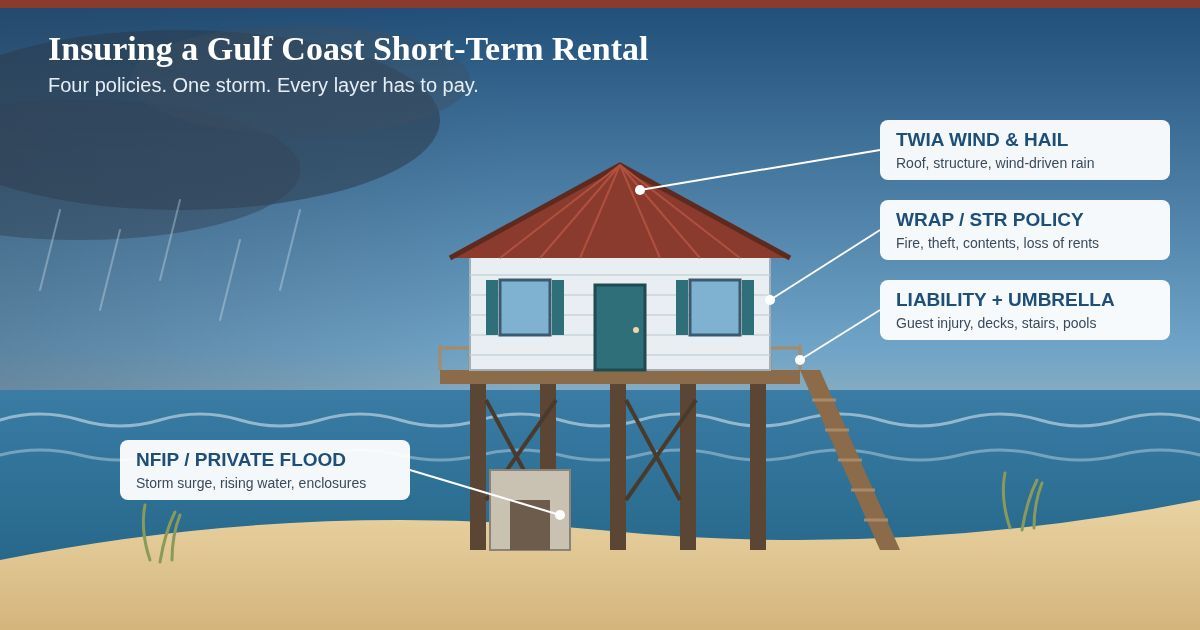
Windstorm insuranc e rates can vary widely from one homeowner to another because pricing is based on risk, construction details, and policy structure—not just location alone. Factors such as roof type, building materials, deductibles, and coverage limits all play a role in determining premiums. In our years of professional service, we’ve found that understanding these variables helps homeowners in Texas City, TX make smarter, more cost-effective coverage decisions. What Windstorm Insurance Is Designed to Cover Windstorm insurance is intended to protect homes from damage caused by high winds, including hurricanes, tropical storms, and severe wind events. Along the coast, this coverage is often excluded from standard homeowners policies and must be purchased separately or through a specialized program. Because wind damage can result in large-scale losses, insurers assess risk carefully. This is why premiums can differ significantly—even between homes that appear similar on the surface. Location Risk Is Only the Starting Point Geographic exposure is one of the first pricing considerations, but it is not the only one. How Insurers Evaluate Wind Exposure Insurance carriers consider: Proximity to the coastline or open water Historical storm frequency and severity Regional wind maps and catastrophe models Homes closer to areas like the Texas City Dike or other exposed coastal infrastructure are generally considered higher risk, but location alone does not determine the final rate. In Texas City, TX, two neighboring homes can have very different premiums depending on how well they are built and protected. Construction Features That Impact Windstorm Rates The way a home is built has a major influence on windstorm insurance pricing. Key Structural Factors Insurers Review Common construction-related factors include: Roof shape (hip roofs often perform better than gable roofs) Roof covering material and age Roof-to-wall attachment methods Wall construction (masonry vs. frame) Presence of storm shutters or impact-resistant windows In our professional experience, newer construction or homes that have been upgraded to meet modern wind-mitigation standards often qualify for lower premiums. Roof Condition and Materials Matter More Than Many Realize The roof is one of the most critical components in windstorm risk evaluation. Why Roof Details Affect Pricing Insurers closely examine: Roof age and remaining useful life Type of roofing material Installation method and maintenance history An older roof—even on an otherwise well-maintained home—can significantly increase windstorm insurance costs or limit carrier options. We frequently advise homeowners that roof improvements can have a direct and measurable impact on premiums. Deductibles Play a Major Role in Pricing Windstorm policies often use percentage-based deductibles rather than flat dollar amounts. Understanding Windstorm Deductibles Key points to consider: Deductibles are commonly based on a percentage of the dwelling limit Higher deductibles usually result in lower premiums Lower deductibles increase premiums but reduce out-of-pocket exposure In our years of professional service, we’ve found that many homeowners underestimate how percentage deductibles work until a claim occurs. Choosing the right deductible is a balance between affordability and financial preparedness. Coverage Limits and Policy Structure The amount of coverage you choose directly affects your premium. How Coverage Choices Influence Cost Insurers factor in: Dwelling coverage limits Extended or guaranteed replacement cost options Ordinance or law coverage Additional endorsements Policies with broader protection and higher limits naturally cost more, but they also reduce the risk of underinsurance after a major storm. Claims History and Insurance Score Your personal insurance profile also plays a role. Personal Factors That Can Affect Rates These may include: Prior windstorm or property claims Length of insurance history Overall insurance score While these factors don’t outweigh construction or exposure risks, they can influence which carriers are available and how competitively a policy is priced. Why Rates Can Change Over Time Even if nothing about your home changes, windstorm rates can still increase. Common Reasons for Rate Changes Rising reinsurance costs for insurers Increased frequency or severity of storms Changes in building codes or loss data Market shifts affecting carrier participation In our professional experience, regular policy reviews help homeowners stay ahead of these changes rather than reacting after a premium spike. Using Knowledge to Control Windstorm Costs While no one can control the weather, homeowners do have influence over many pricing factors. Upgrading roof materials, maintaining the property, selecting appropriate deductibles, and reviewing coverage regularly can all help manage windstorm insurance costs. We’ve worked with homeowners near Bay Street Park and surrounding neighborhoods who were able to improve their pricing position simply by understanding how insurers view risk. Making Informed Windstorm Insurance Decisions Windstorm insurance rates vary because risk varies. The more accurately your policy reflects your home’s true risk profile, the more likely you are to secure appropriate coverage at a reasonable cost. Understanding these pricing factors puts you in a stronger position to protect your home and finances. At Brad Spurgeon Insurance Agency Inc., we aim to provide comprehensive insurance policies that make your life easier. We want to help you get insurance that fits your needs. You can get more information about our products and services by calling our agency at (409) 945-4746. Get your free quote today by CLICKING HERE. Brad Spurgeon Insurance Agency Inc. Address: Texas City, TX Phone: (409) 945-4746 Website: https://www.privatewindstorm.com/
January 13, 2026
A denied home insurance claim does not automatically mean you’re out of options. Many denials are based on documentation issues, policy interpretation, or correctable errors rather than final decisions. In our years of professional service helping homeowners in Texas City, TX, we’ve seen that informed, timely action can often change the outcome. Why Home Insurance Claims Get Denied Insurance claim denials are frustrating, but they are also more common—and more nuanced—than most homeowners realize. A denial does not always mean the damage isn’t covered; it often means the insurer believes a specific condition of the policy was not met. Common Reasons for Claim Denials Some of the most frequent causes include: Damage excluded by the policy (such as flooding under a standard homeowners policy) Insufficient documentation or delayed reporting Wear and tear misclassified as sudden damage Disputes over the cause of loss Policy limits or deductibles affecting payout eligibility In our professional experience, many homeowners receive denial letters that are difficult to interpret without guidance, leading them to assume the decision is final when it may not be. Step One: Review the Denial Letter Carefully The denial letter is the foundation of your next steps. It explains why the insurer denied the claim and references specific policy language. What to Look for in the Letter When reviewing the denial, focus on: The stated reason for denial The policy section or exclusion being cited Any deadlines for appeals or additional documentation Instructions for requesting reconsideration We’ve found that denials are often based on narrow interpretations of policy wording, which can sometimes be challenged with supporting evidence. Step Two: Compare the Denial to Your Policy Your insurance policy —not the denial letter—is the controlling document. Carefully compare the insurer’s explanation to the actual policy language. Key Policy Sections to Review Pay close attention to: Covered perils and exclusions Definitions of damage types Deductible structure Endorsements or special provisions In our years of professional service, we’ve seen cases where coverage applied, but the insurer initially overlooked an endorsement or misapplied an exclusion. Step Three: Document and Support Your Claim Strong documentation can make the difference between a closed claim and a reconsidered one. Evidence That Can Strengthen Your Case Depending on the situation, useful documentation may include: Photos or videos taken immediately after the loss Repair estimates from licensed contractors Maintenance records showing the home was properly cared for Weather reports or third-party assessments Written statements explaining the timeline of events For homeowners near coastal infrastructure like the Texas City Dike, external factors such as wind patterns or storm timing can be especially relevant when clarifying cause of loss. Step Four: Request a Reinspection or File an Appeal Many policies allow you to formally dispute a claim decision. Options After a Denial Your next steps may include: Requesting a reinspection by the insurer Submitting additional documentation for reconsideration Filing a written appeal within the insurer’s timeframe Engaging a public adjuster in complex cases In Texas City, TX, we’ve helped homeowners understand when an appeal is appropriate versus when a different coverage solution is needed for future protection. Step Five: Understand When the Denial Is Valid Not every denial is incorrect. Some losses are legitimately excluded, and recognizing this can help you avoid unnecessary frustration. Examples of Valid Denials Common legitimate exclusions include: Flood damage under a standard homeowners policy Long-term seepage or maintenance-related damage Certain wind or named-storm exclusions without endorsements When a denial is valid, the most productive step is often reviewing your coverage gaps and adjusting your policy to prevent future exposure. How Denials Can Reveal Coverage Gaps A denied claim often highlights weaknesses in a policy that weren’t obvious at purchase. Coverage Improvements to Consider After a denial, homeowners may want to review: Windstorm or named-storm endorsements Flood insurance options Deductible structures and percentage deductibles Coverage limits for high-risk exposures In our professional experience, claim denials frequently serve as a turning point that leads to stronger, more resilient insurance protection. Why Professional Guidance Matters After a Denial Insurance policies are legal contracts, and claim decisions are not always straightforward. Having an experienced professional review your situation can help clarify your options and prevent costly mistakes. We’ve worked with homeowners near Bay Street Park and surrounding neighborhoods who initially believed they had no recourse, only to discover that additional steps were available once the policy details were properly reviewed. Moving Forward With Confidence A denied home insurance claim can feel overwhelming, but it does not have to be the end of the road. With the right documentation, a clear understanding of your policy, and informed guidance, many homeowners are able to either challenge a denial or strengthen their coverage for the future. At Brad Spurgeon Insurance Agency Inc., we aim to provide comprehensive insurance policies that make your life easier. We want to help you get insurance that fits your needs. You can get more information about our products and services by calling our agency at (409) 945-4746 . Get your free quote today by CLICKING HERE . Brad Spurgeon Insurance Agency Inc. Address: Texas City, TX Phone: (409) 945-4746 Website: https://www.privatewindstorm.com/
December 15, 2025
Choosing the right auto insurance isn’t just about meeting l egal requirements—it’s about protecting your vehicle, your finances, and your peace of mind. Many drivers only carry the minimum coverage required by their state, not realizing how vulnerable they still are to unexpected accidents, theft, weather events, and everyday mishaps. Understanding the difference between basic auto coverage and comprehensive coverage is essential for making an informed decision. Whether you're a new driver, a seasoned commuter, or someone reviewing their policy in a coastal city like Texas City, TX, knowing what each policy includes helps ensure you’re never caught off guard. What Is Basic Auto Coverage? Basic auto insurance typically includes only the minimum coverage required by state law. While this keeps premiums lower, it provides limited protection. Common Components of Basic Auto Coverage 1. Liability Insurance Covers damage or injuries you cause to others. Bodily Injury Liability: Medical costs for injured parties Property Damage Liability: Repairs to the other driver’s vehicle or property 2. Personal Injury Protection (PIP) or Medical Payments Depending on your state, this may cover: Medical bills Lost wages Certain rehabilitation expenses 3. Uninsured/Underinsured Motorist Coverage Protects you if the at-fault driver has no insurance or not enough coverage. What basic coverage DOES NOT cover: Damage to your vehicle Theft Vandalism Weather-related damage Collision with animals Drivers who rely solely on basic coverage often face large out-of-pocket expenses after an unexpected incident. What Is Comprehensive Auto Coverage? Comprehensive coverage is optional but highly recommended because it protects your vehicle from non-collision-related damage. What Comprehensive Coverage Includes Theft and Vandalism If your car is stolen or damaged intentionally. Fire, Flood, and Natural Disasters Critical for drivers in areas prone to storms or flooding—such as regions along the Gulf Coast and cities like Texas City, TX. Falling Objects Tree branches, debris, or other impacts. Weather Damage Hail, windstorms, lightning, and more. Animal Collisions Coverage for hitting a deer or other wildlife. Glass/Window Damage Often includes or can be expanded to cover windshield repair or replacement. Unlike basic coverage, comprehensive insurance helps pay for damage to your OWN vehicle—even when you're not driving.
December 15, 2025
Buying a home is one of the biggest financial decisions you’ll ever make—and when the property is located in a flood-prone area, the stakes become even higher. Flooding can cause extensive damage, disrupt daily life, and dramatically impact long-term property value. Yet, many buyers are still drawn to these areas for their affordability, waterfront access, or investment potential. Before committing to a purchase in a flood-risk zone, it’s crucial to understand how these risks affect home value, insurance requirements, and your long-term financial security. With the right knowledge and preparation, you can make a confident, informed, and strategic buying decision. Understanding Flood-Prone Properties What Makes a Property “Flood-Prone”? A flood-prone property is one located in an area with a statistically higher chance of flooding, such as: Coastal regions Low-lying neighborhoods Areas near rivers, lakes, or bayous Regions with inadequate drainage or older infrastructure FEMA flood maps are updated regularly and classify regions by risk level, influencing both insurance requirements and lender guidelines. How Flood Risk Impacts Property Value 1. Insurance Costs Increase Long-Term Ownership Expenses Properties in high-risk areas often require separate flood insurance , especially if the buyer has a federally backed mortgage. Higher flood insurance premiums can: Reduce affordability Limit a home’s resale appeal Influence market pricing 2. Maintenance and Repair Costs Can Be Higher Homes in flood-prone zones often require: Foundation inspections Water mitigation systems Elevated utilities or structural components Frequent repairs after major storms These recurring costs can affect total ownership value over time. 3. Property Appreciation May Be Slower Buyers may be hesitant to purchase in high-risk regions, which can cause: Slower appreciation Lower resale prices Longer listing times 4. Severe Flood Events Can Reduce Value Immediately After significant floods, some properties experience: Decreased buyer interest Lower appraisal values Stricter insurance requirements What Buyers Should Evaluate Before Purchasing 1. Review FEMA Flood Zone Maps Determine whether the home is in: A high-risk flood zone (AE, VE) A moderate-risk zone (X shaded) A low-risk zone (X unshaded) This affects insurance, resale value, and available financing. 2. Request the Property’s Flood History Ask the seller or agent for: Past flooding incidents Insurance claim history Mitigation efforts or improvements Knowing the property’s real-world performance is just as important as its zoning. 3. Examine the Elevation Certificate This document shows the home’s elevation relative to flood levels and directly affects flood insurance rates. 4. Inspect the Home for Flood-Resistant Features Smart buyers look for: Elevated HVAC systems Flood-resistant building materials Proper drainage and grading Functional sump pumps or backflow valves 5. Understand Local Insurance Requirements Some states and communities—coastal areas especially—may have additional rules or programs that influence insurance costs and availability. For buyers considering properties in Texas City, T , it’s especially important to review local flood maps, insurance requirements, and property elevation due to the community’s access to waterways and proximity to the Gulf. Proactive research helps ensure you’re making a safe and financially sound decision in a region where flood awareness is essential. Financial Safeguards for Buyers in Flood-Risk Zones Consider Flood Insurance Early Even if it's not required, purchasing optional flood insurance in lower-risk areas can be a smart move. Budget for Future Mitigation Improvements Flood vents, foundation upgrades, and drainage corrections can add long-term protection. Evaluate Long-Term Resale Potential Choose areas with strong demand, good infrastructure, and ongoing community development. Work With Local Agents and Inspectors Professionals who understand the flood-related challenges in your region can help identify risks you may not notice. Smart Questions to Ask Before Buying a Flood-Prone Home Has the property ever flooded? What were the repair costs? What is the current flood insurance premium? Are there existing mitigation features? Are there any upcoming community drainage or infrastructure projects? How many times has the neighborhood flooded in the last decade? Buying with clarity minimizes financial surprises later. Conclusion Purchasing a home in a flood-prone area requires careful evaluation and preparation—but it doesn’t have to be risky. By understanding the true impact on property value, reviewing insurance obligations, and thoroughly researching the area’s flood history, you can confidently choose a property that fits your needs and financial goals. With the right information and proactive planning, even homes in higher-risk locations can be smart, long-term investments. At Brad Spurgeon Insurance Agency Inc., we aim to provide comprehensive insurance policies that make your life easier. We want to help you get insurance that fits your needs. You can get more information about our products and services by calling our agency at (409) 945-4746. Get your free quote today by CLICKING HERE . Disclaimer: The information presented in this blog is intended for informational purposes only and should not be considered as professional advice. It is crucial to consult with a qualified insurance agent or professional for personalized advice tailored to your specific circumstances. They can provide expert guidance and help you make informed decisions regarding your insurance needs.
December 10, 2025
Your home is one of your biggest investments—financially and emotionally. But many homeowners don ’t realize they’re underinsured until disaster strikes. Whether it’s a house fire, storm damage, or a major plumbing failure, inadequate home coverage can turn an already stressful event into a financial crisis. Understanding what happens when you don’t have enough home insurance is essential for protecting your property, your wallet, and your peace of mind. This guide explains the risks of being underinsured and how to make sure your policy truly safeguards your home. What Does It Mean to Be Underinsured? Being underinsured means your homeowner’s insurance policy does not provide enough coverage to fully repair or rebuild your home after a loss. This often happens because homeowners: Select covera ge based on their home’s market value, not its replacement cost Forget to update their policy after renovations or additions Choose lower coverage limits to reduce premiums Don’t fully understa nd included (and excluded) protections In fast-growing areas or coastal regions like Texas City, TX, repair and labor costs can rise quickly—making accurate coverage more important than ever. What Happens When Your Home Is Underinsured? 1. You May Have to Pay Thousands—Or More—Out of Pocket If the cost to rebuild your home exceeds your coverage limit, you are responsible for the remainder. Even a small gap can add up fast. Example: If your home requires $300,000 to rebuild but you’re only insured for $220,000, you must pay the additional $80,000 yourself. 2. You Could Face a Coinsurance Penalty Many homeowners policies include a coinsurance clause, which requires you to insure your home for a specific percentage of its replacement cost (usually 80%–100%). If you fall below that threshold—even by accident—you may receive only a partial payout for your claim. 3. You May Not Have Enough Coverage for Detached Structures Detached garages, sheds, fencing, and other outdoor features are often covered as a percentage of your dwelling amount. If your dwelling coverage is too low, every other structure’s coverage automatically drops as well. 4. Your Personal Belongings May Be Underprotected Your personal property coverage is typically set as a percentage of your dwelling limit. Underinsuring your home also underinsures your belongings—including furniture, electronics, clothing, and valuables. 5. Temporary Living Expenses Might Not Be Fully Covered If your home becomes uninhabitable, loss of use coverage helps pay for hotel stays or temporary housing. But if your main policy limit is too low, these benefits may cap out quickly—leaving you to cover the remaining costs. 6. Renovations or Improvements May Not Be Covered Many homeowners complete upgrades—new kitchens, flooring, room additions—without notifying their insurance carrier. If your home value increases but your coverage doesn’t, your policy will not reflect the true cost of repairs. 7. Mortgage Requirements Could Be Impacted Lenders require adequate insurance to protect their investment. If they determine your coverage is too low, they may: Require additiona l insurance Place costly lender-issued coverage on your policy Delay refinancing or hom e-equity approvals For homeowners in Texas City, TX, choosing adequate home coverage is especially important due to storm risks, rising construction costs, and ongoing property development. Ensuring your policy reflects accurate replacement costs can help prevent financial hardship after a major loss. How to Make Sure You Have Enough Home Coverage Insure Your Home to Its Full Replacement Cost This is the amount needed to rebuild—not sell—your home. Review Your Policy Every Year Costs change, and your insurance should too. Update Your Carrier After Renovations Even small improvements affect your replacement value. Inventory Your Belongings Photo or video documentation makes claim processing easier. Consider Extended or Guaranteed Replacement Cost Coverage These upgrades provide protection if rebuilding costs exceed your limits. Ask About Ordinance & Law Coverage This covers the extra costs of bringing your home up to current building codes after a loss. The Long-Term Impact of Being Underinsured Choosing lower coverage to save money may feel smart in the short term—but it can lead to: S ignificant debt Delayed repairs Incomplete rebuilding Loss of property value Financial strain for your family Adequate home insurance ensures you can rebuild your life—not just your house—after a major loss. Conclusion Not having enough home coverage can leave you financially vulnerable when disaster strikes. From out-of-pocket repair costs to coinsurance penalties and insufficient personal property protection, the consequences can be overwhelming. By reviewing your policy regularly, understanding your replacement costs, and adjusting your coverage as needed, you can protect your home, your investment, and your future. At Brad Spurgeon Insurance Agency Inc., we aim to provide comprehensive insurance policies that make your life easier. We want to help you get insurance that fits your needs. You can get more information about our products and services by calling our agency at (409) 945-4746. Get your free quote today by CLICKING HERE . Disclaimer: The information presented in this blog is intended for informational purposes only and should not be considered as professional advice. It is crucial to consult with a qualified insurance agent or professional for personalized advice tailored to your specific circumstances. They can provide expert guidance and help you make informed decisions regarding your insurance needs.
Show More