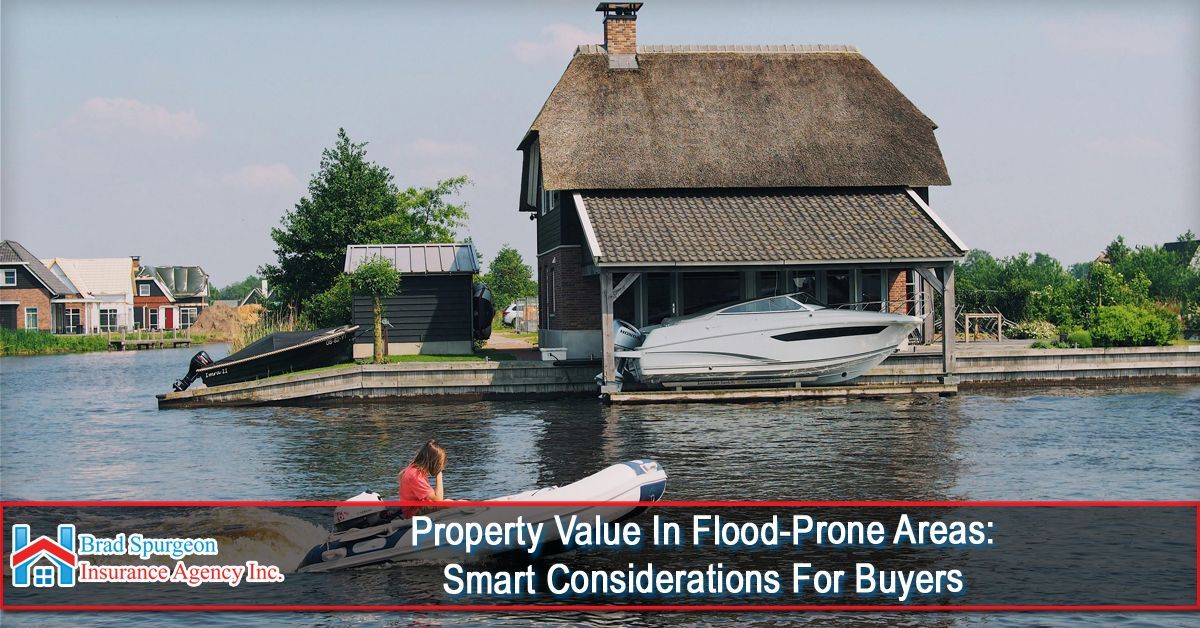
Buying a home is one of the biggest financial decisions you’ll ever make—and when the property is located in a flood-prone area, the stakes become even higher. Flooding can cause extensive damage, disrupt daily life, and dramatically impact long-term property value. Yet, many buyers are still drawn to these areas for their affordability, waterfront access, or investment potential.
Before committing to a purchase in a flood-risk zone, it’s crucial to understand how these risks affect home value, insurance requirements, and your long-term financial security. With the right knowledge and preparation, you can make a confident, informed, and strategic buying decision.
Understanding Flood-Prone Properties
What Makes a Property “Flood-Prone”?
A flood-prone property is one located in an area with a statistically higher chance of flooding, such as:
- Coastal regions
- Low-lying neighborhoods
- Areas near rivers, lakes, or bayous
- Regions with inadequate drainage or older infrastructure
FEMA flood maps are updated regularly and classify regions by risk level, influencing both insurance requirements and lender guidelines.
How Flood Risk Impacts Property Value
1. Insurance Costs Increase Long-Term Ownership Expenses
Properties in high-risk areas often require separate flood insurance, especially if the buyer has a federally backed mortgage.
Higher flood insurance premiums can:
- Reduce affordability
- Limit a home’s resale appeal
- Influence market pricing
2. Maintenance and Repair Costs Can Be Higher
Homes in flood-prone zones often require:
- Foundation inspections
- Water mitigation systems
- Elevated utilities or structural components
- Frequent repairs after major storms
These recurring costs can affect total ownership value over time.
3. Property Appreciation May Be Slower
Buyers may be hesitant to purchase in high-risk regions, which can cause:
- Slower appreciation
- Lower resale prices
- Longer listing times
4. Severe Flood Events Can Reduce Value Immediately
After significant floods, some properties experience:
- Decreased buyer interest
- Lower appraisal values
- Stricter insurance requirements
What Buyers Should Evaluate Before Purchasing
1. Review FEMA Flood Zone Maps
Determine whether the home is in:
- A high-risk flood zone (AE, VE)
- A moderate-risk zone (X shaded)
- A low-risk zone (X unshaded)
This affects insurance, resale value, and available financing.
2. Request the Property’s Flood History
Ask the seller or agent for:
- Past flooding incidents
- Insurance claim history
- Mitigation efforts or improvements
Knowing the property’s real-world performance is just as important as its zoning.
3. Examine the Elevation Certificate
This document shows the home’s elevation relative to flood levels and directly affects flood insurance rates.
4. Inspect the Home for Flood-Resistant Features
Smart buyers look for:
- Elevated HVAC systems
- Flood-resistant building materials
- Proper drainage and grading
- Functional sump pumps or backflow valves
5. Understand Local Insurance Requirements
Some states and communities—coastal areas especially—may have additional rules or programs that influence insurance costs and availability.
For buyers considering properties in Texas City, T, it’s especially important to review local flood maps, insurance requirements, and property elevation due to the community’s access to waterways and proximity to the Gulf. Proactive research helps ensure you’re making a safe and financially sound decision in a region where flood awareness is essential.
Financial Safeguards for Buyers in Flood-Risk Zones
- Consider Flood Insurance Early
Even if it's not required, purchasing optional flood insurance in lower-risk areas can be a smart move. - Budget for Future Mitigation Improvements
Flood vents, foundation upgrades, and drainage corrections can add long-term protection. - Evaluate Long-Term Resale Potential
Choose areas with strong demand, good infrastructure, and ongoing community development. - Work With Local Agents and Inspectors
Professionals who understand the flood-related challenges in your region can help identify risks you may not notice.
Smart Questions to Ask Before Buying a Flood-Prone Home
- Has the
property ever flooded?
- What were the repair costs?
- What is the current flood insurance premium?
- Are there existing mitigation features?
- Are there any upcoming community drainage or infrastructure projects?
- How many times has the neighborhood flooded in the last decade?
Buying with clarity minimizes financial surprises later.
Conclusion
Purchasing a home in a
flood-prone area requires careful evaluation and preparation—but it doesn’t have to be risky. By understanding the true impact on property value, reviewing insurance obligations, and thoroughly researching the area’s flood history, you can confidently choose a property that fits your needs and financial goals.
With the right information and proactive planning, even homes in higher-risk locations can be smart, long-term investments.
At Brad Spurgeon Insurance Agency Inc., we aim to provide comprehensive insurance policies that make your life easier. We want to help you get insurance that fits your needs. You can get more information about our products and services by calling our agency at (409) 945-4746. Get your free quote today by
CLICKING HERE.
Disclaimer: The information presented in this blog is intended for informational purposes only and should not be considered as professional advice. It is crucial to consult with a qualified insurance agent or professional for personalized advice tailored to your specific circumstances. They can provide expert guidance and help you make informed decisions regarding your insurance needs.