Flood Resilience In Urban Planning: Best Practices

August 5, 2024
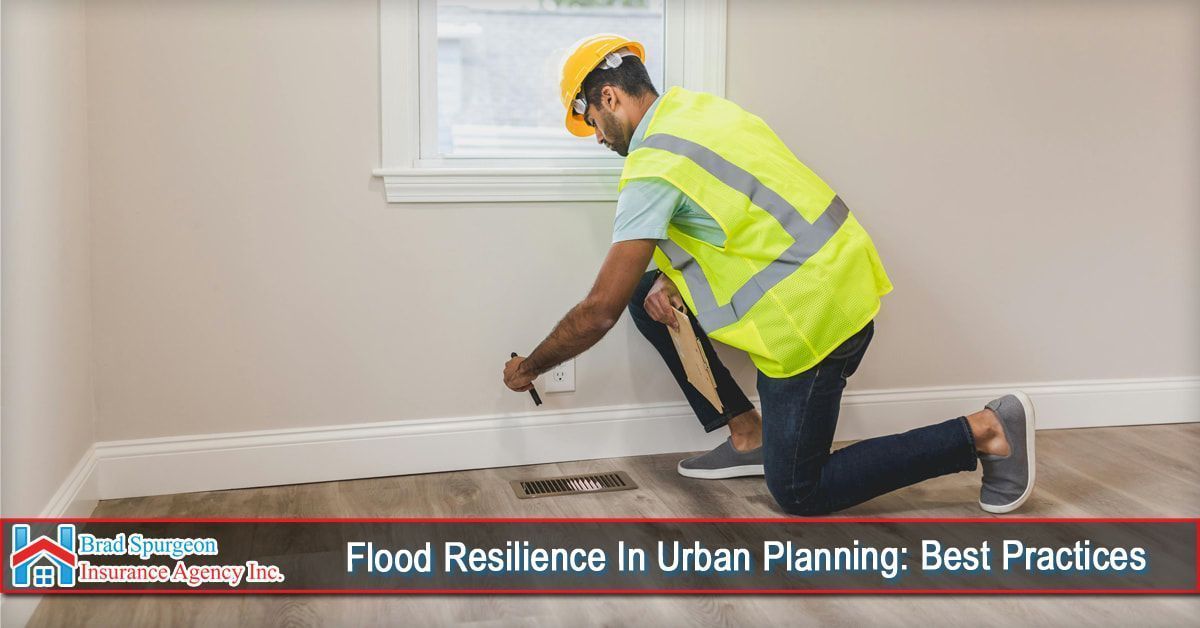
A worker in a yellow safety vest kneeling to inspect an electrical outlet near a floor vent in a room.

As urbanization continues to expand, the challenge of making cities resilient to floods becomes increasingly critical. Flood resilience in urban planning involves designing and implementing strategies that reduce the risk and impact of flooding, safeguarding both infrastructure and communities. Here are some best practices that cities can adopt to enhance their flood resilience.


  1. Comprehensive Flood Risk Assessments:
    Conducting detailed flood risk assessments is the first step in flood resilience. These assessments help identify vulnerable areas and understand the potential impact of different types of floods, such as riverine, coastal, and flash floods. By mapping out these risks, urban planners can prioritize areas for intervention and allocate resources effectively.

  2. Green Infrastructure:
    Integrating green infrastructure, such as parks, green roofs, and rain gardens, helps manage stormwater runoff and reduce the burden on drainage systems. These natural solutions not only mitigate flood risks but also enhance urban biodiversity and improve air quality.

  3. Improved Drainage Systems:
    Upgrading and maintaining drainage systems is crucial for managing heavy rainfall and preventing urban flooding. This includes installing larger pipes, creating additional drainage channels, and regularly cleaning and inspecting existing systems to ensure they function correctly.

  4. Flood-Resistant Building Design:
    Incorporating flood-resistant design principles in new constructions and retrofitting existing buildings can significantly reduce flood damage. This includes raising buildings above flood levels, using water-resistant materials, and designing buildings to withstand flood pressures.

  5. Land Use Planning:
    Effective land use planning can prevent development in high-risk flood areas. Implementing zoning laws that restrict construction in floodplains and promoting the use of open spaces for floodwater absorption are essential strategies.

  6. Early Warning Systems and Emergency Preparedness:
    Developing and maintaining robust early warning systems and emergency preparedness plans are vital components of flood resilience. These systems ensure that residents are informed about impending floods and have adequate time to evacuate or take protective measures.

  7. Community Engagement and Education:
    Engaging communities in flood resilience efforts and educating them about flood risks and preparedness can lead to more effective and sustainable outcomes. Informed residents are better equipped to protect themselves and contribute to community-wide resilience efforts.

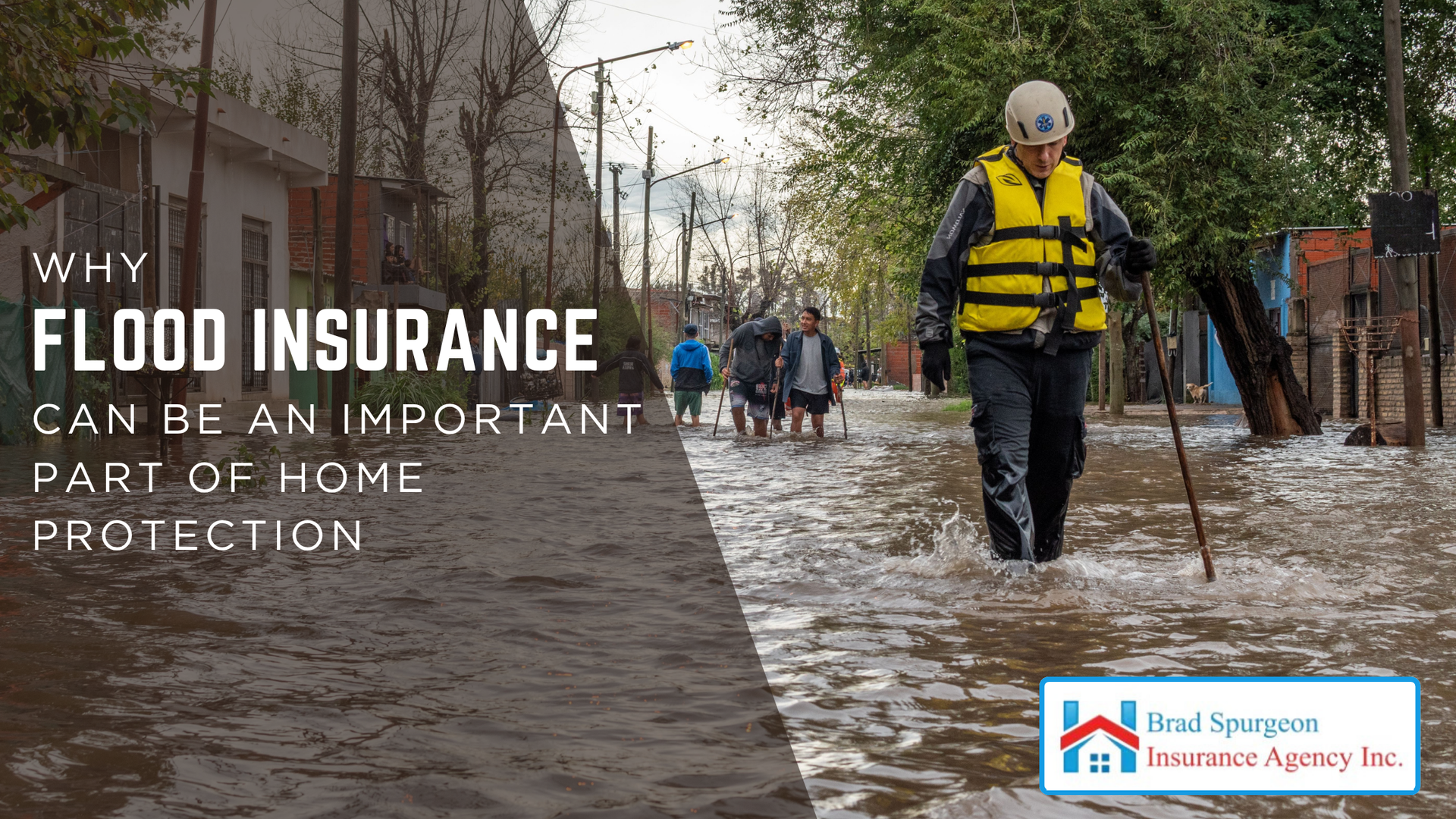
Flood insurance plays a crucial role in the broader context of flood resilience. While urban planning strategies aim to mitigate flood risks, no system can offer absolute protection against flooding. Flood insurance provides a financial safety net for homeowners and businesses, covering the costs of flood damage that urban planning measures cannot prevent. It ensures that individuals and communities can recover more quickly and completely after a flood event. By understanding the importance of flood insurance and incorporating it into their risk management strategies, urban planners and residents can build a more comprehensive approach to flood resilience, combining proactive measures with financial protection.


Conclusion:

Flood resilience in urban planning is a multifaceted challenge that requires a combination of structural, non-structural, and community-based approaches. By adopting best practices such as comprehensive risk assessments, green infrastructure, improved drainage systems, flood-resistant building designs, effective land use planning, robust early warning systems, and community engagement, cities can significantly reduce their vulnerability to floods. Integrating flood insurance into these strategies provides an additional layer of security, ensuring that urban areas are not only better prepared for floods but also more capable of recovering from them.


At Brad Spurgeon Insurance Agency Inc., we aim to provide comprehensive insurance policies that make your life easier. We want to help you get insurance that fits your needs. You can get more information about our products and services by calling our agency at (409) 945-4746. Get your free quote today by CLICKING HERE


Disclaimer: The information presented in this blog is intended for informational purposes only and should not be considered as professional advice. It is crucial to consult with a qualified insurance agent or professional for personalized advice tailored to your specific circumstances. They can provide expert guidance and help you make informed decisions regarding your insurance needs.

Insurance industry steady going into 2026: A positive outlook for life and nonlife
By Brad Spurgeon March 18, 2026
The insurance industry shows stability heading into 2026. Contact us for expert home, flood, & windstorm insurance solutions.
March 17, 2026
Inflation raises home insurance costs because it increases the price of labor, building materials, repairs, and replacement after a covered loss. When it costs more to rebuild a roof, replace flooring, restore water damage, or repair storm-related destruction, insurers usually adjust premiums and coverage calculations
March 17, 2026
Private flood insurance and NFIP flood insurance both protect against flood damage, but they are not built the same way. NFIP policies follow standardized federal rules and coverage limits, while private flood policies may offer higher limits, broader options, and more flexibility depending on the carrier.
Windstorm Insurance “Direct Physical Loss” Explained: How It Impacts Your Claim
March 17, 2026
“Direct physical loss” in windstorm insurance generally means there must be real, physical damage to ..
March 12, 2026
Roof age can directly affect your home insurance premium, eligibility, and claim experience because insurers view older roofs as more likely to suffer damage or fail during severe weather. In many cases, the older the roof, the higher the risk profile, especially if maintenance is unclear or the roofing material is nea
A beach house stands under a dark, stormy sky with wind-blown trees. Text reads:
February 16, 2026
Windstorms are typically categorized by the type of event—thunderstorms and straight-line winds, tropical storms,..
A rainy, evening street scene featuring a coffee shop storefront, with overlay text about business flood insurance.
February 16, 2026
Flood insurance is one of the most important tools for business continuity because a single flood event can shut down operations..
A person in a hard hat inspects a room under renovation, with text about updating windstorm insurance after home repairs.
February 10, 2026
Renovations can quietly create windstorm insurance gaps because they change what your property would cost to rebuild and can introduce new materials, ..
A couple sitting on the floor among moving boxes. Text reads:
February 10, 2026
Renters insurance protects your personal belongings, liability, and temporary living expenses—but it does not insure the building itself.
Two construction workers repair a residential roof under a bright blue sky, with overlaid text about home insurance.
January 14, 2026
Compare comprehensive vs basic auto coverage. Learn key benefits, risks, and how to protect your vehicle from theft, weather, and costly damage.
Show More