Helpful Tips on Flood Survival

January 25, 2017
Picture
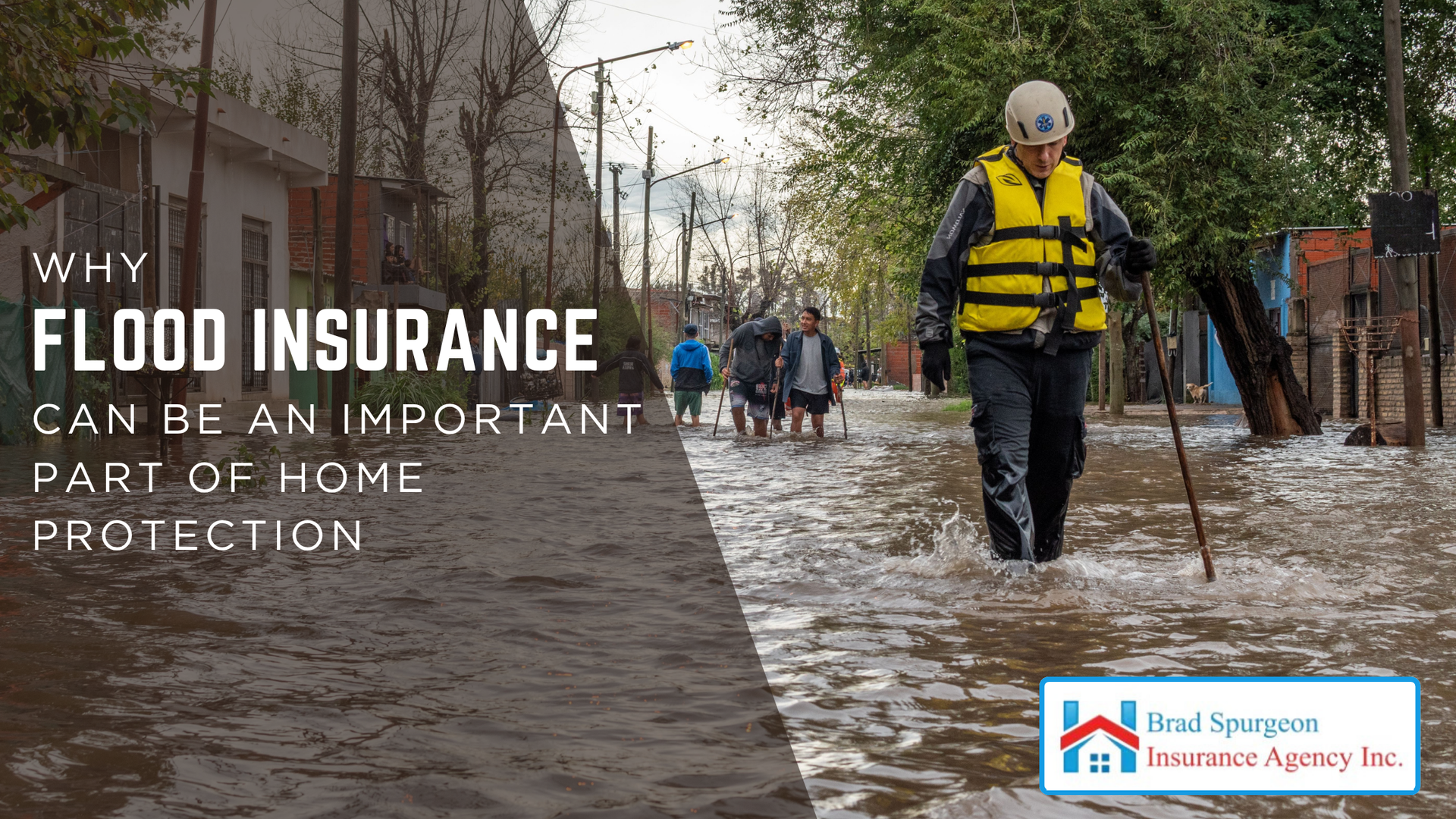
Whether or not you live in a flood-prone area, being prepared for natural disasters is important. Flooding happens when the water level rises. It is often caused by major storms or clogged waterways.  Highly susceptible areas include swamplands, plains, valleys, and areas near bodies of water.
Preparing for Flood

  • Determine which areas are known to flood suddenly such as drainage channels, canyons, and streams. Bear in mind that flash floods can happen in these areas with or without notice of rain clouds or heavy rainfall.
  • Know that flash flooding may occur anytime. If that is a possibility, move to a higher ground immediately. It’s best not to wait for instructions to move.
  • Prepare an emergency kit with at least three days of supplies for everyone in the household. This includes water, flashlight, battery-operated radio, non-perishable food, extra batteries, medication, first aid kit, personal hygiene and sanitation, multi-purpose tools, and copies of certain important documents.
  • Listen to the news for updates in your area. Understand the difference between a flood watch and a flood warning.  A “watch” means there is a possibility that a flood may happen in your area. Whereas, “warning” means a flood is already happening or will happen soon. Prepare to evacuate anytime.

Evacuating Before or During a Flood

  • When you’re warned of a flood in your area, evacuate. Go to a higher ground and stay there until it’s safe.
  • If there’s still enough time, secure your home. Move important things to an upper floor or higher ground. Bring outdoor furniture inside your home.
  • Make sure to turn off utilities at the main switches or valves when instructed to do so. Electrical appliances should be disconnected. Never touch electrical equipment if you’re wet or standing in water.
  • Never walk through moving water. But if you have to walk in water, make sure the water isn’t moving. Have a stick handy to check the firmness of the ground.
  • If you stumble upon a flowing stream and the water is already above your ankles, turn around and go the other way.
  • Make sure that you keep your children out of the water.

Driving During a Flood

  • Keep in mind that approximately six inches of water can already reach the bottom of your cars causing it to lose control. A foot of water will cause vehicles to float. Two feet of moving water can carry cars away, including pick-up trucks and SUVs.
  • If you come upon a flooded road, turn around and go the other way.
  • Never drive into flooded areas. If flood waters rise quickly around your car, abandon the vehicle and go to higher ground if it is safe to do so.

After the Flood

  • Don’t return home unless the authorities have deemed it safe.
  • Listen for updates about whether it’s safe to drink the community’s water supply already.
  • Avoid floodwaters as it may be contaminated by raw sewage, oil, or gasoline. It may also be electrically charged from downed power lines.
  • Stay away from downed power lines. Report them to the power company immediately.
  • Be mindful of areas where the flood has receded. These roads may collapse under the weight of a car.
  • Be extra cautious when entering buildings. There may be damage to its foundation, causing it to collapse.
  • Keep out of buildings surrounded by floodwaters.
  • Have your septic tanks, pits, cesspools, and leaching systems checked and repaired as soon as possible. They can cause serious health problems.
  • Remember to clean and disinfect anything that got wet.

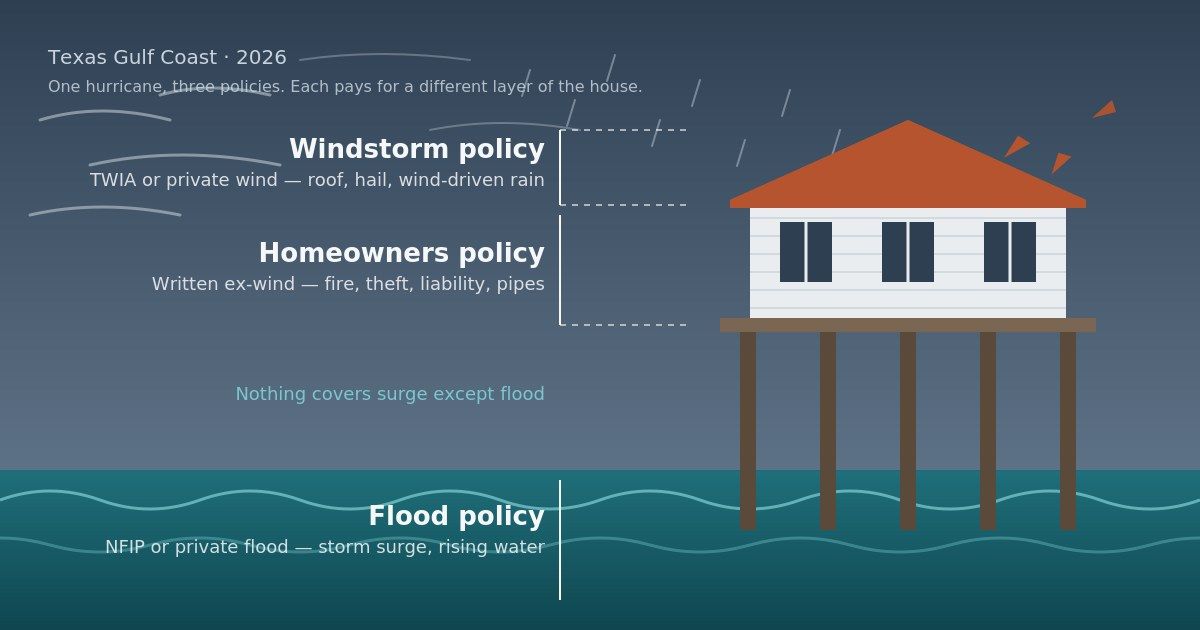
After it’s safe to go back home, call your insurer immediately about your flood insurance claim. Doing so will also give you an idea on what to do and where to start as you begin checking for damages and cleaning up your home.


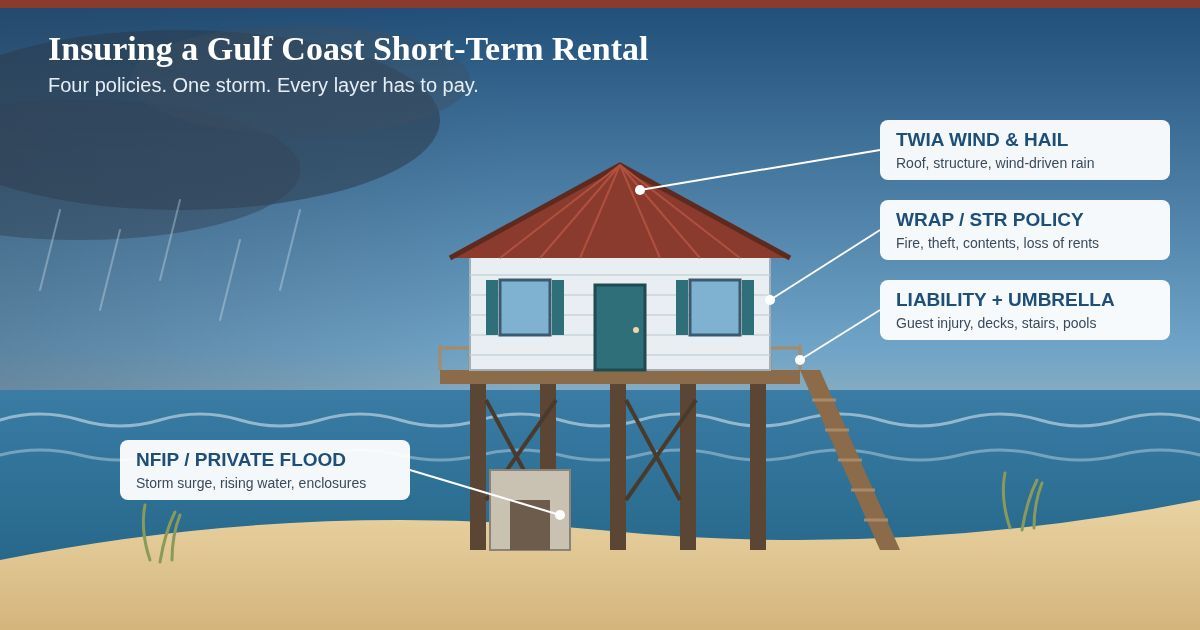
Brad Spurgeon Insurance Agency offers flood insurance products that protect you against property loss from flooding. We have a list of insurance carriers that will offer you the best policies that suit your needs at a competitive price. Get quoted by us for free and discuss your options with us. Call us at (409) 945-4746 or visit us today.

Insurance industry steady going into 2026: A positive outlook for life and nonlife
By Brad Spurgeon March 18, 2026
The insurance industry shows stability heading into 2026. Contact us for expert home, flood, & windstorm insurance solutions.
March 17, 2026
Inflation raises home insurance costs because it increases the price of labor, building materials, repairs, and replacement after a covered loss. When it costs more to rebuild a roof, replace flooring, restore water damage, or repair storm-related destruction, insurers usually adjust premiums and coverage calculations
March 17, 2026
Private flood insurance and NFIP flood insurance both protect against flood damage, but they are not built the same way. NFIP policies follow standardized federal rules and coverage limits, while private flood policies may offer higher limits, broader options, and more flexibility depending on the carrier.
Windstorm Insurance “Direct Physical Loss” Explained: How It Impacts Your Claim
March 17, 2026
“Direct physical loss” in windstorm insurance generally means there must be real, physical damage to ..
March 12, 2026
Roof age can directly affect your home insurance premium, eligibility, and claim experience because insurers view older roofs as more likely to suffer damage or fail during severe weather. In many cases, the older the roof, the higher the risk profile, especially if maintenance is unclear or the roofing material is nea
A beach house stands under a dark, stormy sky with wind-blown trees. Text reads:
February 16, 2026
Windstorms are typically categorized by the type of event—thunderstorms and straight-line winds, tropical storms,..
A rainy, evening street scene featuring a coffee shop storefront, with overlay text about business flood insurance.
February 16, 2026
Flood insurance is one of the most important tools for business continuity because a single flood event can shut down operations..
A person in a hard hat inspects a room under renovation, with text about updating windstorm insurance after home repairs.
February 10, 2026
Renovations can quietly create windstorm insurance gaps because they change what your property would cost to rebuild and can introduce new materials, ..
A couple sitting on the floor among moving boxes. Text reads:
February 10, 2026
Renters insurance protects your personal belongings, liability, and temporary living expenses—but it does not insure the building itself.
Two construction workers repair a residential roof under a bright blue sky, with overlaid text about home insurance.
January 14, 2026
Compare comprehensive vs basic auto coverage. Learn key benefits, risks, and how to protect your vehicle from theft, weather, and costly damage.
Show More