A property inspection can feel intimidating if you are not sure what the insurance adjuster is reviewing or how the visit may affect your claim. For homeowners and property owners in Texas City, TX, knowing what adjusters typically look for can help you prepare better, document damage more clearly, and avoid common claim misunderstandings.
Why The Adjuster Inspection Matters
An insurance adjuster inspection helps the
insurance company evaluate the cause, scope, and estimated cost of covered damage. The adjuster is not just looking at whether damage exists. They are also reviewing how the damage happened, whether it appears related to the reported loss, what parts of the property were affected, and how the policy may apply.
The direct answer is that adjusters usually look for visible damage, the likely cause of loss, the age and condition of materials, signs of prior damage, maintenance issues, temporary repairs, interior and exterior damage patterns, and documentation that supports the claim.
In our work with clients, a common issue we see is that property owners focus only on the most obvious damage, such as a roof leak or broken window, while missing related damage to flashing, siding, gutters, ceilings, insulation, flooring, or personal property. A more complete review before the inspection can help make the claim discussion more productive.
The Reported Cause Of Damage
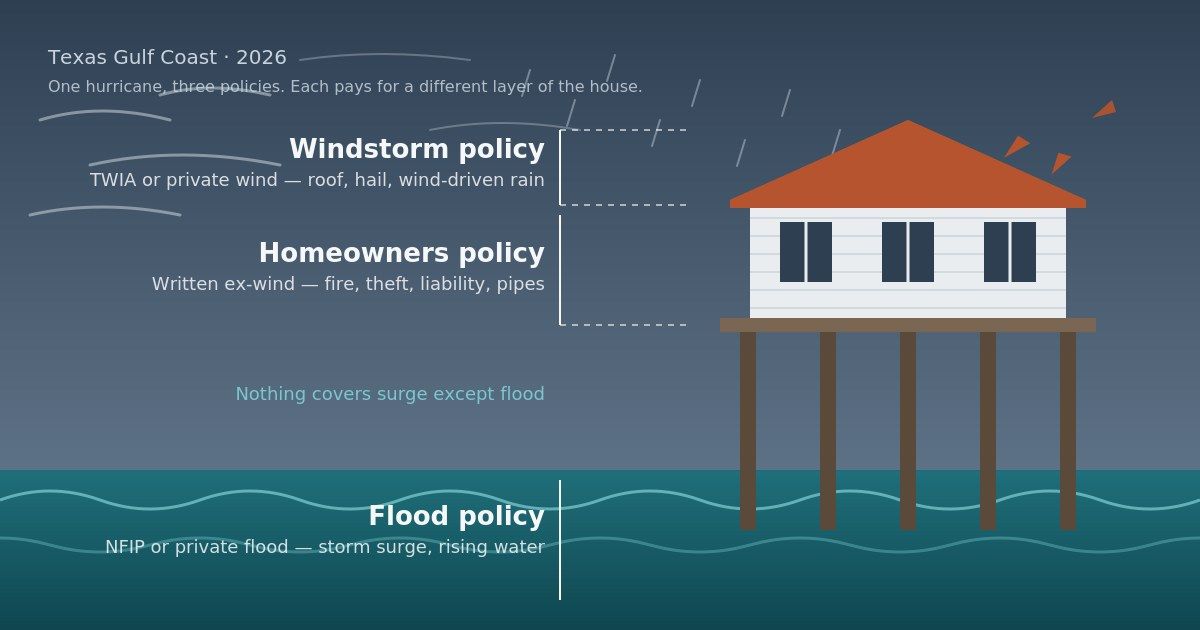
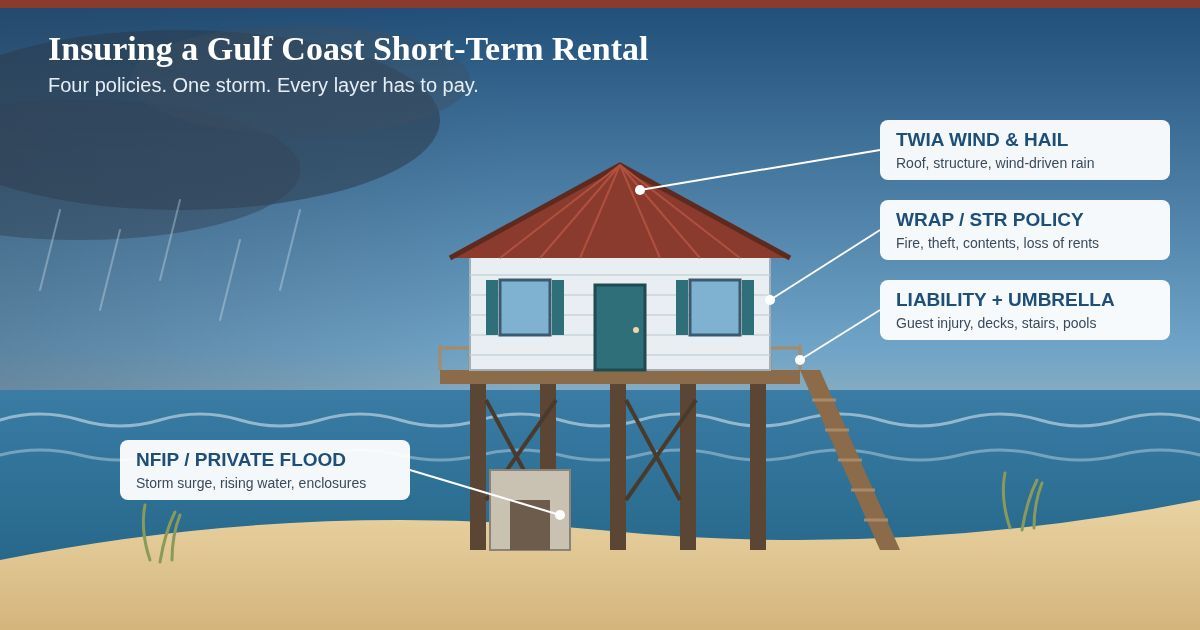
One of the first things an adjuster considers is the reported cause of loss. Was the damage caused by wind, hail, fire, theft, water backup, flood, plumbing failure, or another event? The answer matters because different causes may fall under different policies, deductibles, exclusions, or coverage rules.
For example, wind-damaged shingles may be reviewed differently from wear and tear. Water that enters through a storm-created opening may be treated differently from rising floodwater. A sudden pipe break may be evaluated differently from a long-term leak.
This is why your timeline matters. Be prepared to explain when you first noticed the damage, what weather or event happened before it, and what steps you took afterward.
Exterior Damage
For storm-related claims, the adjuster will often begin outside. The inspection may include the roof, siding, windows, doors, fencing, gutters, fascia, soffits, exterior walls, detached structures, and visible debris impact points.
On a roof, an adjuster may look for:
- Missing, lifted, creased, or torn shingles
- Hail marks or impact damage
- Damaged vents, flashing, or roof accessories
- Exposed underlayment
- Signs of prior repairs
- Wear, aging, or deterioration
- Areas where water may have entered
For properties near the Texas City Dike or other areas exposed to strong coastal weather, wind patterns can affect multiple parts of a structure. Damage may not be limited to one visible section. Fencing, roof edges, gutters, and exterior openings should be reviewed carefully before the inspection.
Interior Damage
If water entered the property or damage affected the inside of the home, the adjuster may inspect ceilings, walls, flooring, baseboards, cabinets, insulation, personal belongings, and affected rooms.
Interior signs may include:
- Water stains
- Soft drywall
- Peeling paint
- Buckled flooring
- Damp carpet
- Mold-like discoloration
- Damaged cabinets
- Warped trim
- Odor or humidity changes
A common mistake is cleaning or repairing interior damage before taking enough photos. It is understandable to want the property back to normal quickly, but documentation should happen first when conditions are safe. If emergency cleanup is needed, take photos before, during, and after the work.
Damage Patterns And Consistency
Adjusters look for consistency between the reported event and the visible damage. For example, if a policyholder reports wind damage, the adjuster may review whether the roof, vents, fencing, siding, or nearby properties show signs consistent with wind.
If a water stain appears on a ceiling, the adjuster may look for a corresponding exterior opening or plumbing source. If flooring is damaged, they may check whether the damage aligns with the direction and source of water movement.
This does not mean every claim is simple. Storms can cause complex damage. However, the more clearly the evidence connects the event to the damage, the easier it is to explain the claim.
Pre-Existing Damage And Wear
Adjusters also look for signs that damage may have existed before the reported claim. This can include old staining, repeated patchwork, rust, rot, long-term deterioration, previous repairs, aged roofing materials, or moisture issues that developed over time.
Insurance is generally designed for covered sudden and accidental losses, not normal aging or deferred maintenance. That distinction can become a major point of discussion during a claim.
This is why maintenance records, prior inspection reports, contractor invoices, and photos from before the loss can be helpful. If you recently repaired the roof, replaced a fence, updated windows, or maintained drainage systems, those records may help clarify the condition of the property before the event.
Temporary Repairs And Mitigation Efforts
Most policies require reasonable steps to prevent further damage after a loss. During the inspection, the adjuster may look for tarps, boarded windows, water extraction work, drying equipment, removed materials, or other emergency measures.
Temporary repairs are often appropriate, but they should be documented. Save receipts, invoices, photos, and contractor notes. If a roofer tarped the property, keep the invoice and any photos they took. If a mitigation company removed wet materials, ask for a written report and drying logs if available.
The goal is to show that you protected the property while preserving evidence of the damage.
Personal Property Damage
If personal belongings were damaged, the adjuster may review what items were affected and whether they are covered under the policy. This can include furniture, clothing, electronics, appliances, tools, and household items.
You can prepare by creating a simple inventory. Include the item name, approximate age, estimated value, photos, receipts if available, and whether the item can be cleaned or repaired.
Do not throw away damaged personal property too quickly unless it creates a safety or sanitation issue. If disposal is necessary, photograph the items first and keep a written list.
Contractor Estimates And Repair Scope
Many property owners obtain contractor estimates before or after the adjuster inspection. These estimates can be useful, especially when they are detailed and tied to visible damage.
A strong estimate should identify:
- The damaged area
- The recommended repair
- Materials and labor needed
- Measurements or quantities
- Photos or notes when available
- Whether repairs are temporary or permanent
A vague estimate may not help much. For example, “repair storm damage” is less useful than a line-item estimate explaining which roofing components, interior rooms, or exterior materials need work.
If you have an estimate before the inspection, have it available. The adjuster may or may not agree with every item, but it can help guide the conversation.
How To Prepare For The Inspection
Before the adjuster arrives, gather your claim information and walk through the property carefully. Make a list of damaged areas so nothing is missed.
Helpful preparation steps include:
- Take clear photos and videos
- Write down the date damage was discovered
- List affected rooms and exterior areas
- Save receipts for temporary repairs
- Keep damaged materials when possible
- Gather contractor estimates
- Note prior maintenance or repairs
- Make sure safe access is available
For property owners in Texas City, TX, where windstorm, flood, and water-related claims can overlap, it is especially important to organize documentation by damage type. Wind damage, flood damage, and backup-related damage may need to be evaluated separately.
What Not To Do During The Inspection
Do not exaggerate damage, guess about causes, or hide prior issues. Be clear, factual, and organized. If you do not know the answer to a question, say so. It is better to provide accurate information later than to speculate during the inspection.
Also avoid signing repair contracts or settlement-related documents without understanding them. Contractors can be helpful, but the
insurance policy is still the controlling document for coverage.
Conclusion
Insurance adjusters look for the cause, scope, condition, consistency, and documentation of property damage during an inspection. They review exterior and interior damage, prior wear, temporary repairs, personal property, and whether the evidence supports the reported claim. For homeowners and property owners in Texas City, TX, preparation can make the inspection more organized and help reduce confusion during the claim process.
At Brad Spurgeon Insurance Agency Inc., we aim to provide comprehensive insurance policies that make your life easier. We want to help you get insurance that fits your needs. You can get more information about our products and services by calling our agency at (409) 945-4746. Get your free quote today by
CLICKING HERE.
Disclaimer: The information presented in this blog is intended for informational purposes only and should not be considered as professional advice. It is crucial to consult with a qualified insurance agent or professional for personalized advice tailored to your specific circumstances. They can provide expert guidance and help you make informed decisions regarding your insurance needs.
Brad Spurgeon Insurance Agency
Texas City, TX
(409) 945-4746
https://www.privatewindstorm.com/