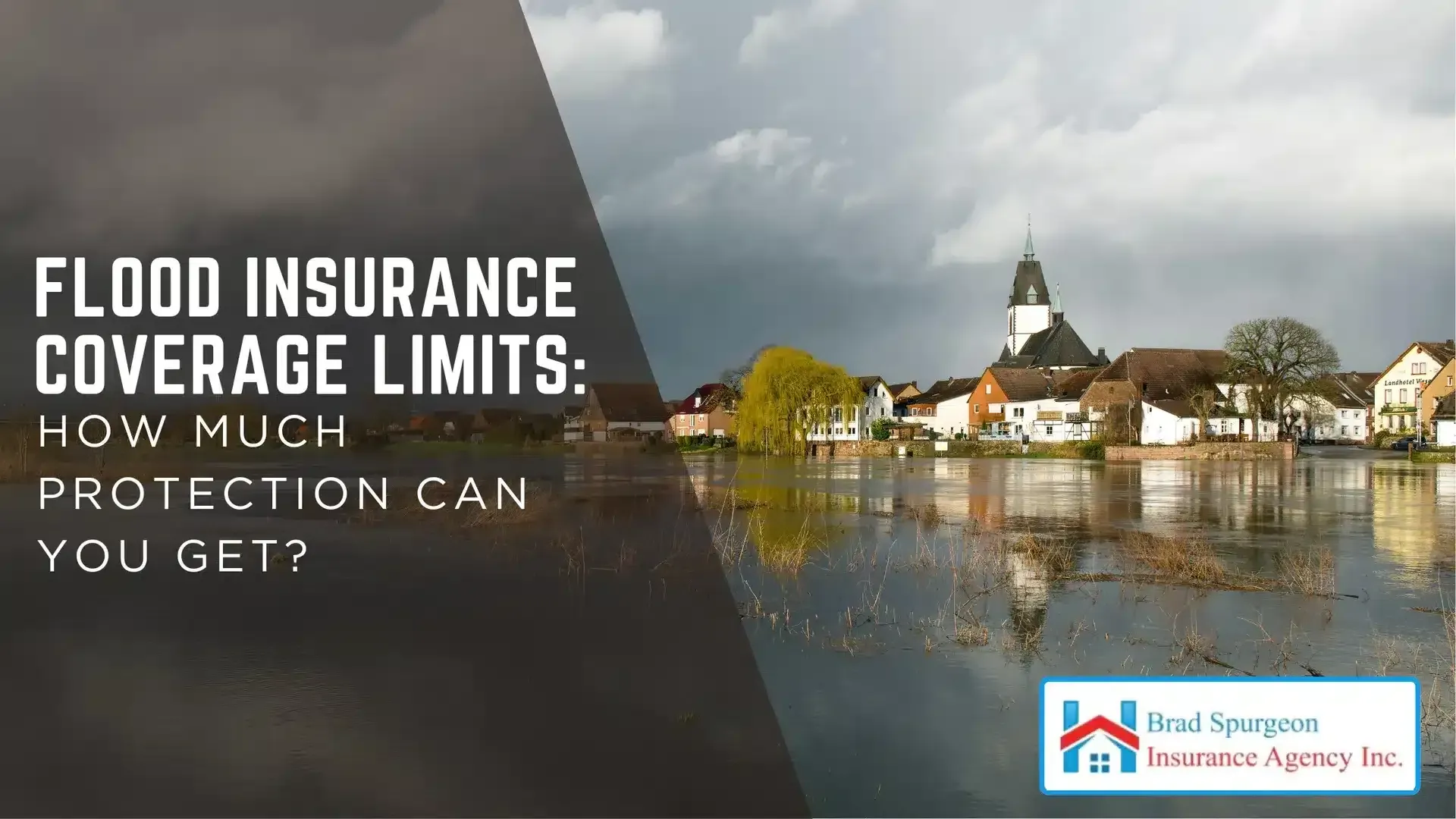
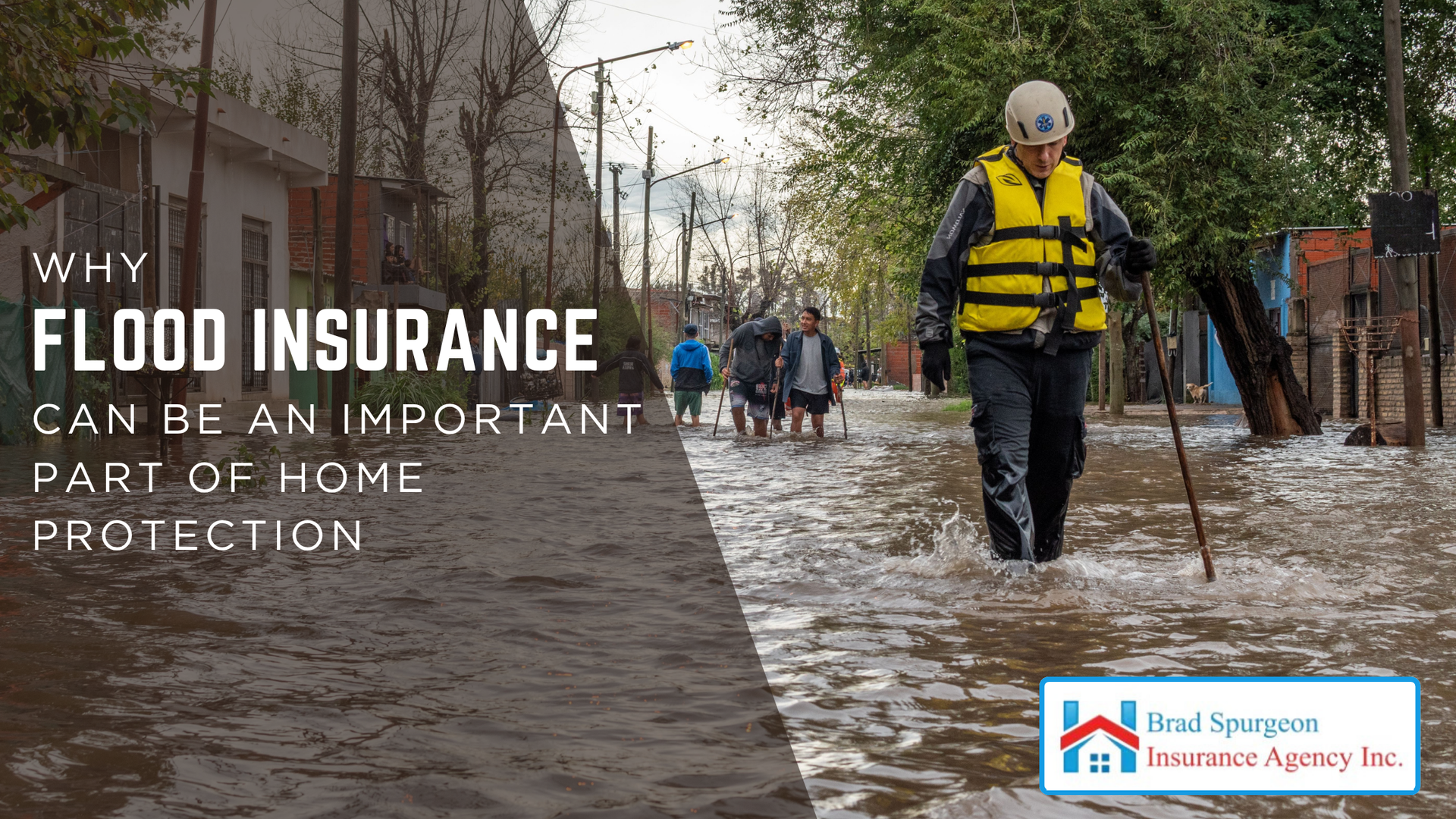
Flood insurance can be one of the most important policies a property owner carries, but many people do not realize there are limits to how much it may pay. For homeowners and property owners in Texas City, TX, understanding those limits before a storm or flood event can help you make better decisions about coverage, risk, and out-of-pocket exposure.
What Flood Insurance Coverage Limits Mean
Flood insurance coverage limits are the maximum amounts a flood policy may pay for covered damage. These limits usually apply separately to the building and to personal belongings inside the building.
The direct answer is that a standard National Flood Insurance Program policy for a residential property can provide up to $250,000 in building coverage and up to $100,000 in contents coverage. FEMA’s FloodSmart program explains that NFIP flood insurance includes two main coverage types: building coverage and contents coverage, and that flood insurance covers direct physical losses caused by flooding.
That does not mean every claim automatically pays the full limit. The actual payout depends on the covered damage, policy terms, deductibles, depreciation rules, claim documentation, and whether the damaged property falls under building coverage or contents coverage.
In our work with clients, a common issue we see is that people focus only on whether they “have flood insurance” and do not look closely at how much coverage they actually purchased.
Building Coverage Vs. Contents Coverage
Flood insurance separates the structure from the belongings inside it. This distinction is important because building coverage and contents coverage protect different things.
Building coverage may help cover parts of the physical structure, such as:
- Foundation walls and structural systems
- Electrical and plumbing systems
- Central air conditioning equipment
- Furnaces and water heaters
- Built-in appliances
- Permanently installed cabinets
- Permanently installed flooring
- Detached garages, subject to policy rules
Contents coverage may help cover personal belongings, such as:
- Furniture
- Clothing
- Electronics
- Portable appliances
- Area rugs
- Certain valuables, subject to limits
- Items not permanently attached to the building
A homeowner may have building coverage but little or no contents coverage if they did not purchase it or selected a low limit. That can be a costly surprise after a flood, especially if water damages furniture, clothing, appliances, and personal items.
The NFIP Residential Coverage Limits
For many residential properties, the most commonly discussed
flood insurance limits are the NFIP limits: up to $250,000 for the building and up to $100,000 for contents. These limits are significant, but they may not be enough for every property.
For example, a home with a replacement cost far above $250,000 may still have a large gap after a major flood loss. The same is true for a household with expensive furniture, electronics, tools, equipment, or personal belongings that exceed the contents limit.
This matters for property owners near the Texas City Dike or other coastal areas where flooding can create widespread damage. A flood policy should be reviewed based on the realistic cost to repair the structure and replace damaged belongings, not just based on the minimum required by a lender.
Private Flood Insurance May Offer Higher Limits
Some property owners may have access to private
flood insurance options. Private flood policies may offer higher building limits, higher contents limits, additional coverage options, or different underwriting terms than an NFIP policy.
However, private flood insurance is not automatically better in every situation. Coverage details, exclusions, deductibles, claim handling, lender acceptance, waiting periods, and renewal terms should all be reviewed carefully.
A private policy may be worth discussing if:
- The home’s replacement cost is higher than the NFIP building limit
- The property has valuable contents
- The owner wants broader coverage options
- A lender requires more protection
- The property does not fit well within standard NFIP pricing or limits
- The owner wants excess flood coverage above an NFIP policy
The key is to compare more than price. A lower premium is not helpful if the policy creates coverage gaps that matter after a loss.
Coverage Limits Are Not The Same As Replacement Cost
One of the biggest misunderstandings about flood insurance is assuming the policy limit equals the full cost to rebuild. A coverage limit is only the maximum the policy may pay. It does not guarantee that the amount is enough to restore the property.
If a home would cost $425,000 to rebuild and the flood policy has a $250,000 building limit, the policy may leave a major shortfall after a severe covered flood loss. The property owner would need to consider savings, financing, disaster assistance, loans, or additional insurance options.
Contents coverage can create a similar issue. Many people underestimate the value of their belongings until they try to replace them all at once. Furniture, mattresses, electronics, clothing, kitchen items, tools, and household goods can add up quickly.
Deductibles Reduce The Claim Payment
Flood insurance policies usually include deductibles. A deductible is the amount the policyholder is responsible for before the insurance payout applies.
Building coverage and contents coverage may have separate deductibles. That means if both the structure and belongings are damaged, more than one deductible may apply depending on the policy.
Choosing a higher deductible may reduce the premium, but it also increases the amount the policyholder must absorb after a covered loss. A property owner should choose a deductible that fits their budget not only at purchase, but also during a stressful claim situation.
Some Property Is Limited Or Excluded
Flood insurance does not cover everything. Even when a policy includes building and contents coverage, some property may be excluded, limited, or treated differently.
Common areas of concern include:
- Basements and areas below the lowest elevated floor
- Outdoor property
- Decks, fences, patios, and landscaping
- Currency, valuable papers, and certain collectibles
- Temporary housing or additional living expenses, unless separately provided
- Business property kept at home
- Moisture or mold damage that could have been prevented
This is why reading the policy matters. The declarations page may show the limits, but the policy form explains how coverage actually applies.
Flood Insurance And Mortgage Requirements
Some property owners buy
flood insurance because a lender requires it. That requirement may be based on the property’s flood zone and loan type. However, lender-required coverage is not always the same as the amount needed to fully protect the owner.
A lender is primarily concerned with protecting its financial interest in the property. The homeowner should be concerned with the full cost of recovery. Those are related, but they are not identical.
For property owners in Texas City, TX, it is important to review whether the lender-required limit is enough based on the property’s value, rebuilding cost, contents, and flood exposure.
How To Decide How Much Flood Coverage You Need
Choosing
flood insurance limits should be a practical decision based on real exposure. Start by estimating the cost to repair or rebuild the structure after major flood damage. Then estimate the value of personal belongings that could be damaged.
Useful questions include:
- What would it cost to rebuild the home today?
- Is the current building limit capped below that amount?
- How much would it cost to replace damaged belongings?
- Are contents covered, or only the building?
- Are there separate deductibles?
- Does the policy include replacement cost or actual cash value provisions?
- Would private or excess flood coverage help close a gap?
- Are any important items limited or excluded?
For homes near Bay Street Park or other areas affected by heavy rain, drainage issues, or coastal storm conditions, these questions should be reviewed before storm season.
Conclusion
Flood insurance coverage limits determine how much protection your policy can provide after a covered flood loss. NFIP residential policies may offer up to $250,000 for the building and up to $100,000 for contents, but those limits may not be enough for every property or household. For property owners in Texas City, TX, the right approach is to review building coverage, contents coverage, deductibles, exclusions, and whether private or excess flood options may be needed.
At Brad Spurgeon Insurance Agency Inc., we aim to provide comprehensive insurance policies that make your life easier. We want to help you get insurance that fits your needs. You can get more information about our products and services by calling our agency at (409) 945-4746. Get your free quote today by
CLICKING HERE.
Disclaimer: The information presented in this blog is intended for informational purposes only and should not be considered as professional advice. It is crucial to consult with a qualified insurance agent or professional for personalized advice tailored to your specific circumstances. They can provide expert guidance and help you make informed decisions regarding your insurance needs.
Brad Spurgeon Insurance Agency
Texas City, TX
(409) 945-4746
https://www.privatewindstorm.com/