Storm damage can be stressful, especially when you are trying to protect your property and keep a claim moving. For homeowners and property owners in Texas City, TX, better documentation can make the difference between a smoother claim process and one filled with delays, questions, or avoidable disputes.
Why Damage Documentation Matters
Good damage documentation helps support your
insurance claim by showing what happened, when it happened, and how the property was affected. It gives the insurance company, adjuster, contractor, and policyholder a clearer record to work from.
The direct answer is simple: you can strengthen your claim by taking clear photos and videos, documenting dates and conditions, saving receipts, preventing further damage when safe to do so, keeping damaged materials when possible, and organizing everything in one place.
In our work with clients, a common issue we see is that property owners know damage happened, but they do not have enough proof to show the full scope of the loss. That can create challenges when damage worsens over time, repairs are made too quickly, or the adjuster cannot see the original condition of the property.
Start With Safety First
Before taking photos or inspecting damage, make sure the property is safe. Do not walk on a damaged roof, enter rooms with electrical hazards, climb unstable structures, or move heavy debris if there is a risk of injury.
After a windstorm, hail event, or heavy rain, some damage may not be obvious right away. Missing shingles, lifted flashing, cracked siding, damaged fencing, broken windows, and water intrusion can all develop into bigger problems. If conditions are unsafe, wait for a qualified professional.
Documentation is important, but it should never come before personal safety.
Take Clear Photos From Multiple Angles
Photos are one of the most important tools in a property claim. The goal is to show both the close-up damage and the broader context.
Useful photos include:
- Wide shots of the entire damaged area
- Close-up photos of broken, missing, stained, or cracked materials
- Photos from different angles and distances
- Images showing where the damaged area is located on the property
- Photos of surrounding areas that may show related damage
- Pictures of personal property affected by water, debris, or impact
For example, if wind damages a section of roofing, take a wide photo showing that part of the roofline, then closer photos of missing shingles, exposed underlayment, damaged vents, or debris patterns. If water enters the home, photograph the ceiling stain, wall damage, flooring, baseboards, and any affected furniture.
For properties near the Texas City Dike or neighborhoods exposed to coastal weather, wind-driven rain and water intrusion can sometimes affect multiple parts of a structure. Clear photos help establish the relationship between exterior damage and interior damage.
Use Video To Capture The Full Picture
Video can be especially helpful when damage is spread across several areas. A short walkthrough can show how one damaged area connects to another.
When recording video, move slowly and narrate what you are showing. Mention the date, the area of the home, and what appears damaged. For example, you might say, “This is the back bedroom on the morning after the storm. Water is visible along the window frame, and the flooring is wet near the wall.”
Video should not replace photos, but it can add useful context. Photos freeze individual details, while video helps show the overall condition of the property.
Document The Date And Weather Conditions
One of the most important parts of a claim is connecting the damage to a specific event. Write down the date and approximate time you first noticed the damage, along with the weather conditions that occurred before it.
This can include:
- High winds
- Hail
- Heavy rain
- Rising water
- Flying debris
- Power outages
- Emergency alerts
- Local storm reports
If you can safely do so, take screenshots of weather alerts or local reports related to the event. Do not rely only on memory. Claims may take time, and details can become harder to recall later.
A common issue we see is that property owners discover damage days or weeks after a storm but cannot clearly explain when it occurred. That does not mean the claim is invalid, but it may create more questions during the review process.
Prevent Further Damage And Keep Records
Most property
insurance policies require the policyholder to take reasonable steps to prevent further damage after a loss. This may include placing a tarp over a damaged roof, boarding up broken windows, drying wet areas, or moving undamaged belongings away from water.
Only take steps that are safe and reasonable. If professional help is needed, contact a qualified contractor, mitigation company, or restoration service.
Keep all receipts and invoices for temporary repairs, emergency services, materials, tarps, fans, cleanup supplies, or storage. These records may help support the claim and show that you acted responsibly after the loss.
Before temporary repairs are made, take photos of the damage. If repairs must happen quickly, document the condition before, during, and after the work.
Do Not Throw Away Damaged Materials Too Quickly
It may be tempting to clean up immediately, especially if damaged materials are wet, dirty, or in the way. However, discarding items too soon can make it harder to prove the extent of the loss.
When possible, keep damaged materials until the adjuster has inspected them. This might include flooring samples, broken shingles, damaged siding, ruined furniture, wet insulation, or failed plumbing components if they are relevant to the claim.
If damaged items must be discarded for safety or sanitation reasons, photograph them first. Take pictures from multiple angles and, when possible, include labels, model numbers, receipts, or other identifying details.
Create A Simple Claim File
Organization can make a claim much easier to manage. Keep all claim-related information in one place, whether that is a folder on your computer, a cloud drive, or a physical file.
Your claim file should include:
- Photos and videos
- Date and time notes
- Receipts and invoices
- Contractor estimates
- Adjuster communications
- Insurance company letters
- Claim number
- Policy documents
- A list of damaged items
- Notes from phone calls
When speaking with the
insurance company, write down the date, the person you spoke with, and a short summary of the conversation. This can help prevent confusion if there are follow-up questions later.
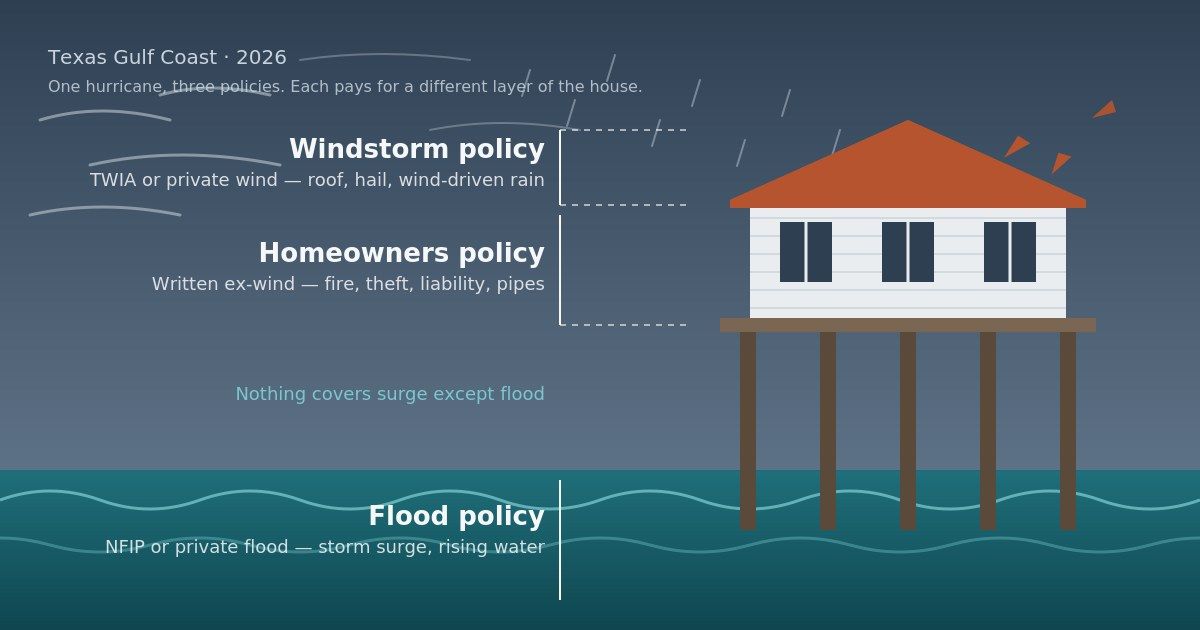
For property owners in Texas City, TX, where windstorm, flood, and
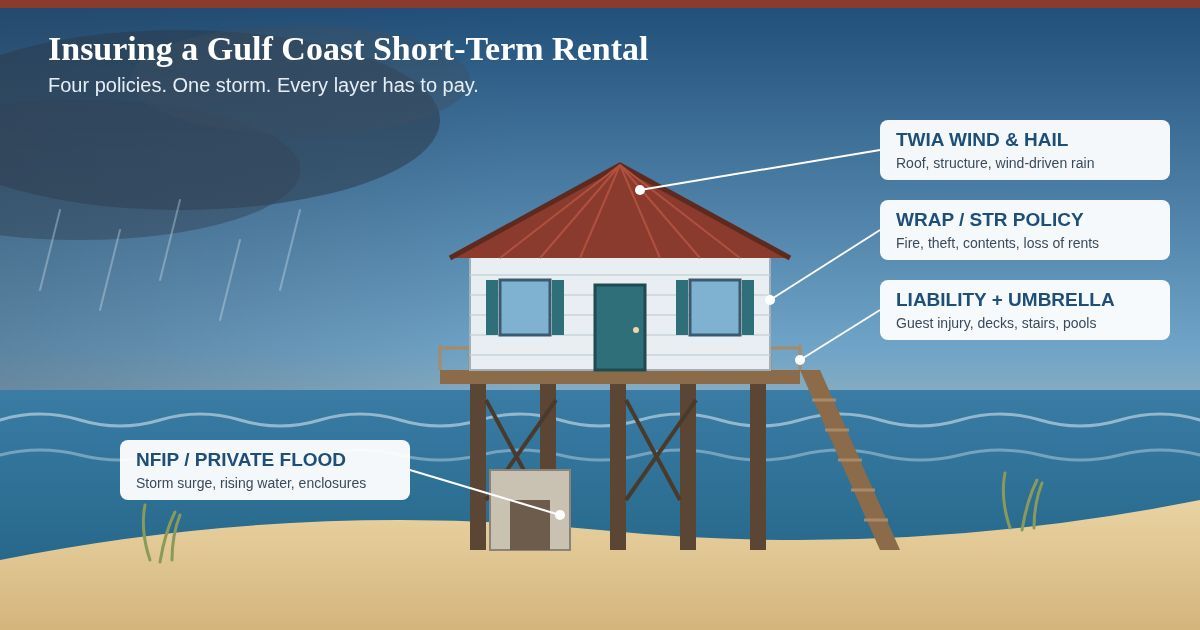
homeowners coverage may involve different policies or exclusions, organized records can be especially important. One event may involve more than one type of coverage, and documentation helps clarify which damage belongs to which claim.
Understand What Your Policy May Require
Documentation is only one part of the claim process. Your policy may also include duties after a loss, deadlines, proof-of-loss requirements, inspection obligations, and conditions for repairs.
A common mistake is assuming every type of storm-related damage is handled under one policy. Wind damage, flood damage, water backup, roof leaks, and gradual seepage may be treated differently depending on the policy language and cause of loss.
Before making major repairs or accepting a settlement, review the policy and ask questions. If something is unclear, get help interpreting the coverage rather than guessing.
Avoid Common Documentation Mistakes
Even careful property owners can unintentionally weaken a claim. Some of the most common mistakes include taking only a few photos, photographing damage after repairs have already started, failing to save receipts, not documenting temporary repairs, and relying on verbal conversations without notes.
Another issue is submitting contractor estimates without supporting photos or details. A strong estimate should align with documented damage. If the estimate includes work that is not clearly connected to the loss, the
insurance company may ask for more information.
The better your records are, the easier it is for others to understand the claim.
Conclusion
Better damage documentation does not guarantee a specific claim outcome, but it can make the process clearer, stronger, and more organized. Photos, videos, dates, receipts, temporary repair records, and careful notes all help show what happened and how the property was affected. For
homeowners and property owners in Texas City, TX, preparing good documentation early can reduce confusion and support a more efficient claim review.
At Brad Spurgeon Insurance Agency Inc., we aim to provide comprehensive insurance policies that make your life easier. We want to help you get insurance that fits your needs. You can get more information about our products and services by calling our agency at (409) 945-4746. Get your free quote today by CLICKING HERE.
Disclaimer: The information presented in this blog is intended for informational purposes only and should not be considered as professional advice. It is crucial to consult with a qualified insurance agent or professional for personalized advice tailored to your specific circumstances. They can provide expert guidance and help you make informed decisions regarding your insurance needs.
Brad Spurgeon Insurance Agency
Texas City, TX
(409) 945-4746
https://www.privatewindstorm.com/