Windstorm insurance can help protect against powerful coastal weather, but not every type of water damage is handled the same way. For property owners in Texas City, TX, water backup protection can be a useful add-on to understand because storm conditions, drainage problems, and plumbing systems can create damage that may not fall neatly under standard windstorm coverage.
Why Water Backup Protection Matters
Windstorm insurance is generally designed to respond to covered damage caused by wind or hail. However, water damage can happen in several different ways during or after a storm, and the source of that water matters when a claim is reviewed.
The direct answer is this: water backup protection may help cover damage caused when water or sewage backs up through drains, sewers, or sump systems, subject to the policy terms and limits. It is usually separate from windstorm coverage, flood insurance, and standard water damage coverage, which is why property owners should review it carefully before assuming they are protected.
In our work with clients, a common issue we see is that people describe all storm-related water damage as “storm damage.” Insurance policies are more specific. Wind-driven rain, rising floodwater, roof leaks, sewer backup, and drain overflow may all be handled differently.
What Water Backup Protection Usually Covers
Water backup protection is typically an endorsement or add-on that can be attached to certain property policies. It may help pay for damage when water or sewage backs up into the property through a drain, sewer line, or sump pump system.
Depending on the policy, it may help cover:
- Water or sewage backing up through floor drains
- Backup from sewer or drain lines
- Sump pump overflow or failure, if included
- Cleanup and drying
- Damaged flooring
- Damaged drywall or baseboards
- Damaged cabinets or built-ins
- Certain damaged personal property, if included
- Remediation costs, subject to limits
This coverage can be especially important because backup damage can be messy, expensive, and time-sensitive. Sewage or contaminated water may require professional cleanup, not just basic drying.
How It Differs From Windstorm Insurance
Windstorm insurance usually focuses on damage caused directly by wind or hail. For example, if strong wind damages the roof and rain enters through that opening, windstorm coverage may be reviewed for the resulting damage, subject to the policy terms and deductible.
Water backup is different. It does not usually require wind to damage the structure first. Instead, the issue is water or sewage coming back through plumbing or drainage systems.
For example, after heavy weather, drainage systems may become overwhelmed. If water backs up through a drain into the property, that may not be treated the same way as wind-driven rain through a storm-created roof opening.
A common mistake is assuming a windstorm policy automatically covers every water issue that happens during a storm. It may not. The cause and entry point of the water are critical.
How It Differs From Flood Insurance
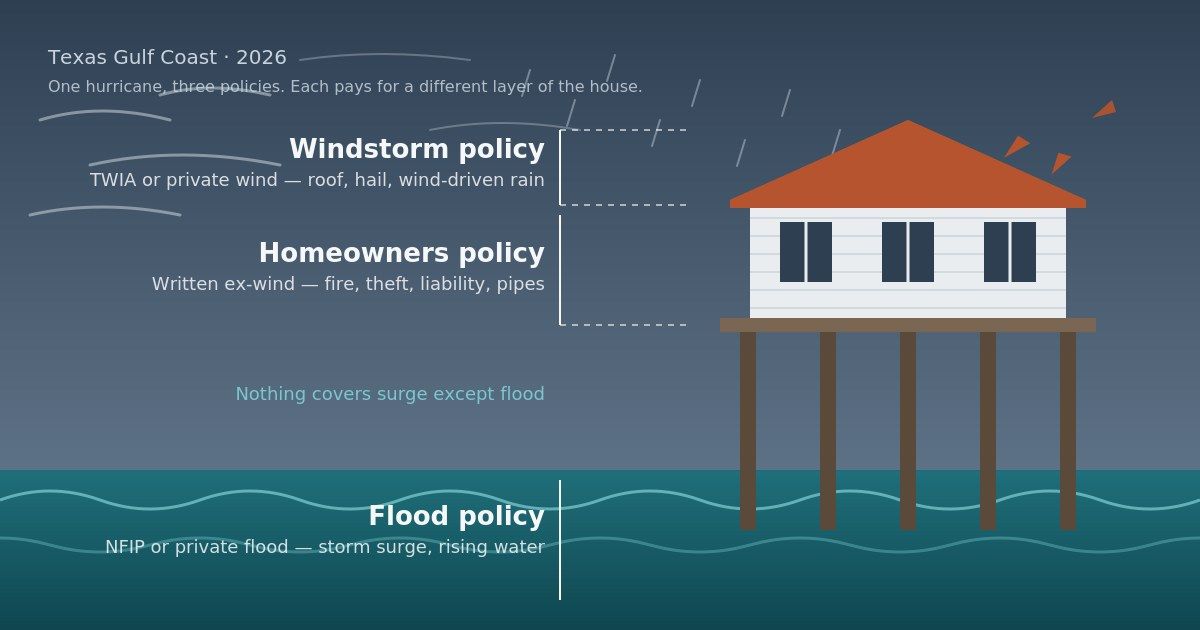
Flood insurance is also different from water backup protection. Flood insurance generally applies to rising water, surface water, storm surge, overflowing bodies of water, or widespread inundation that meets the policy definition of flood.
Water backup coverage, by contrast, focuses on water or sewage backing up through a sewer, drain, or sump system. The water may enter from below through plumbing or drainage infrastructure rather than from outside rising water.
This distinction matters near Galveston Bay and other low-lying coastal areas where heavy rain, storm surge, and drainage stress can occur. A property may need both flood insurance and water backup protection because each coverage addresses a different water damage scenario.
Why Backup Claims Can Be Expensive
Water backup claims can become costly quickly because the damage often affects lower levels, flooring, walls, cabinets, stored property, and utility areas. If the water contains sewage or contaminants, the cleanup may require specialized sanitation.
Costs may include:
- Emergency extraction
- Drying equipment
- Removal of contaminated materials
- Floor replacement
- Drywall repair
- Cabinet repair or replacement
- Odor treatment
- Mold prevention
- Personal property cleanup
- Professional remediation
The longer water sits, the more damage it can cause. That is why
policyholders should act quickly to stop the source, document the damage, and begin reasonable mitigation.
Coverage Limits Are Important
Water backup endorsements often have their own limits. These limits may be much lower than the dwelling or building limit. For example, a policy may offer options such as $5,000, $10,000, $25,000, or other amounts depending on the carrier.
Choosing the right limit matters. A small backup in a bathroom may be manageable, but a larger backup affecting multiple rooms can exceed a low limit quickly.
When reviewing options, ask:
- What water backup limit is available?
- Does the limit apply per occurrence?
- Does a separate deductible apply?
- Does coverage include sewage backup?
- Does it include sump pump failure?
- Does it cover cleanup and remediation?
- Does it cover personal property?
- Are mold or bacteria-related costs limited?
- Are there exclusions for poor maintenance?
A lower limit may reduce cost, but it may not provide enough protection for a serious event.
Maintenance Still Matters
Water backup protection does not replace regular maintenance. Insurance companies may review whether the property owner took reasonable steps to maintain drains, plumbing, sewer lines, sump pumps, and related systems.
Property owners should consider:
- Keeping drains clear
- Avoiding disposal of grease or improper materials
- Having sewer lines inspected if problems repeat
- Installing a backwater valve where appropriate
- Maintaining sump pumps
- Testing sump pumps before storm season
- Using battery backups for pumps
- Addressing slow drains promptly
- Keeping records of plumbing repairs
A common issue we see is repeated backup damage caused by an unresolved maintenance problem. If the same issue happens again and again without repairs, coverage may become more complicated.
Backwater Valves And Prevention Tools
A backwater valve is designed to help prevent sewage or water from flowing backward into a property through the drain system. It may not be appropriate or required for every property, but it can be worth discussing with a qualified plumber.
Other prevention tools may include sump pump alarms, water sensors, floor drain maintenance, and backup power for pump systems. These tools do not guarantee that a backup will never happen, but they may reduce risk and provide earlier warning.
For properties near refinery corridors, older neighborhoods, or areas with changing drainage patterns, prevention can be just as important as coverage. Insurance helps after a covered loss, but avoiding the backup is better when possible.
What To Do After A Water Backup Event
If water or sewage backs up into the property, safety comes first. Do not walk through contaminated water if it can be avoided. Avoid using electrical devices near standing water, and contact professionals when cleanup involves sewage.
Helpful steps include:
- Stop using water if it worsens the backup
- Take photos and videos before cleanup
- Document where the water entered
- Contact a plumber if needed
- Report the claim promptly
- Save cleanup and repair invoices
- Keep damaged materials until instructed otherwise
- Make a list of damaged property
- Begin reasonable drying and mitigation
- Avoid permanent repairs until the claim process is clear
Clear documentation helps the insurer understand whether the claim involves backup, flood, wind-driven rain, plumbing failure, or another cause.
Why This Add-On Is Worth Reviewing With Windstorm Coverage
Windstorm policies are important in coastal areas, but they are only one part of a property protection plan. Water backup protection can help address a separate source of loss that may happen during the same season or even during the same storm system.
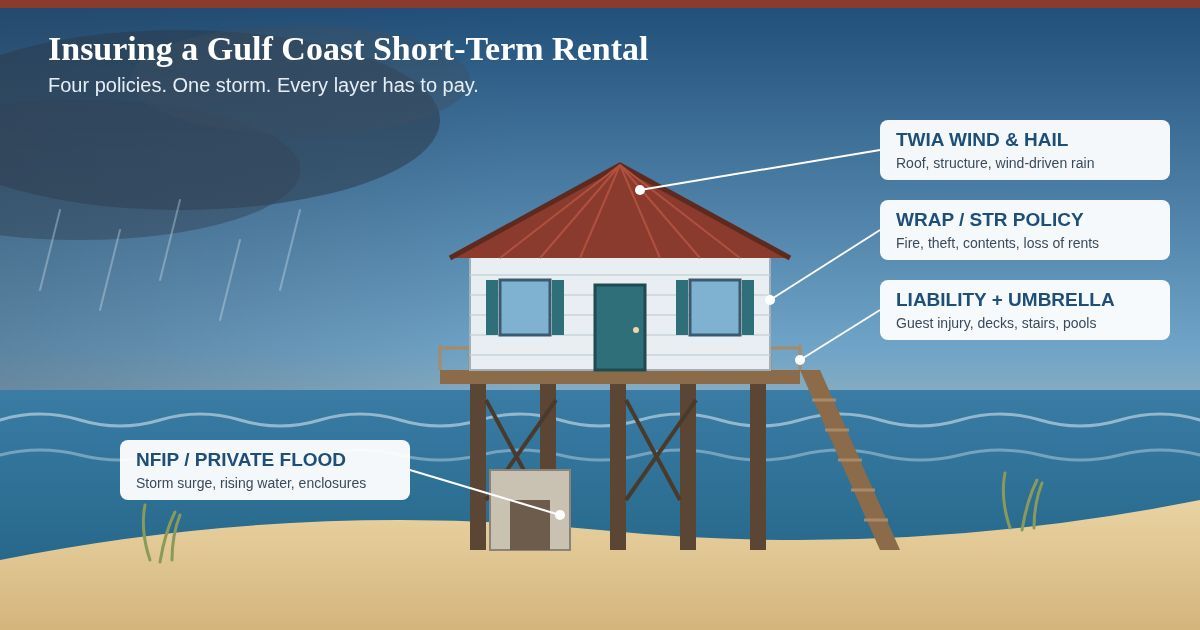
For property owners in Texas City, TX, the goal is not to assume one policy covers every weather-related issue. The stronger approach is to review windstorm, flood, homeowners, dwelling, and water backup coverage together so each major risk is addressed.
This is especially important because deductibles, limits, and exclusions may differ across policies. A claim may involve more than one coverage question, and understanding the structure beforehand can reduce confusion later.
Conclusion
Water backup protection can be a helpful add-on because it may cover damage caused by water or sewage backing up through drains, sewers, or sump systems. It is different from
windstorm insurance and different from flood insurance, which means property owners should not assume one policy covers every type of water damage. For property owners in Texas City, TX, reviewing water backup limits, deductibles, exclusions, and prevention options can help build a more complete protection plan before storm-related drainage problems occur.
At Brad Spurgeon Insurance Agency Inc., we aim to provide comprehensive insurance policies that make your life easier. We want to help you get insurance that fits your needs. You can get more information about our products and services by calling our agency at (409) 945-4746. Get your free quote today by CLICKING HERE.
Disclaimer: The information presented in this blog is intended for informational purposes only and should not be considered as professional advice. It is crucial to consult with a qualified insurance agent or professional for personalized advice tailored to your specific circumstances. They can provide expert guidance and help you make informed decisions regarding your insurance needs.
Brad Spurgeon Insurance Agency
Texas City, TX
(409) 945-4746
https://www.privatewindstorm.com/