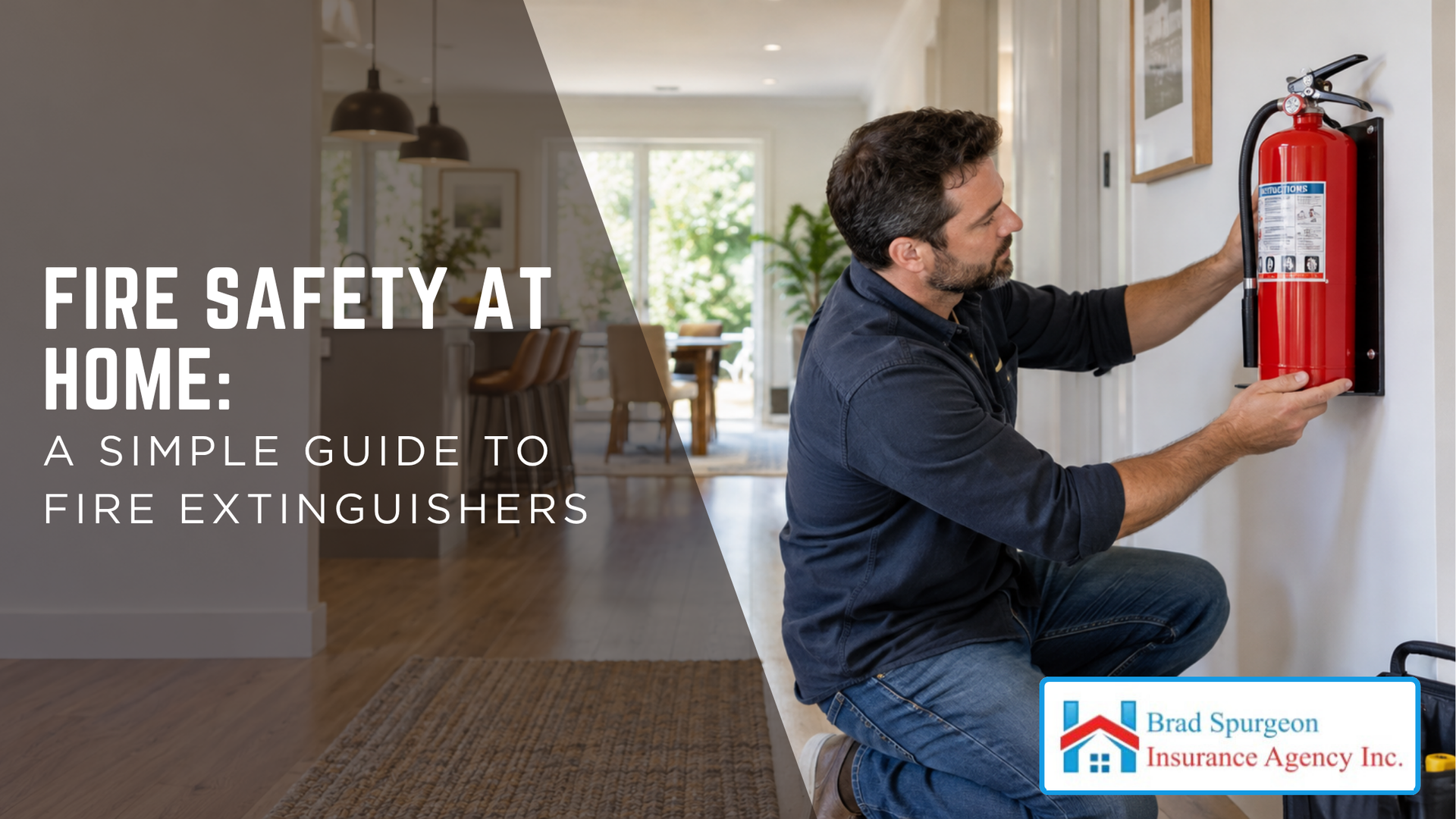
A small fire can become a serious emergency in moments. Whether it starts in the kitchen, garage, or another part of the house, knowing how to respond can help protect your family and property.
A home fire extinguisher can help control a small, contained fire when it is safe to use, but it is not a substitute for smoke alarms, an evacuation plan, or professional firefighters. Choosing the correct extinguisher, maintaining it properly, and understanding when to leave are essential parts of home fire safety.
For
homeowners in Texas City, TX, preparing for residential fires is an important part of protecting their homes alongside other property risks, including severe weather and storm-related damage.
What Are the Different Types of Fire Extinguishers?
Fire extinguishers are classified according to the types of fires they are designed to control. Using the wrong extinguisher can be ineffective or dangerous.
Understanding these classifications can help you select appropriate fire protection equipment for your home.
Class A: Ordinary Combustible Materials
Class A extinguishers are designed for fires involving common combustible materials such as wood, paper, cloth, and certain plastics.
These materials are found throughout most
homes, including living rooms, bedrooms, storage areas, and garages.
Class B: Flammable Liquids
Class B extinguishers are intended for fires involving flammable liquids, such as gasoline, certain oils, solvents, and oil-based paints.
These hazards may be present in garages, workshops, and storage spaces.
Class B classification does not mean that every extinguisher bearing that label is the best choice for a fire involving hot cooking oil or grease.
Class C: Energized Electrical Equipment
Class C extinguishers are suitable for fires involving energized electrical equipment.
Examples include appliances, electrical panels, and powered tools.
Class C-rated extinguishers use an extinguishing agent that does not conduct electricity under the applicable testing conditions.
Never use a water-only extinguisher on energized electrical equipment.
Class D: Combustible Metals
Class D extinguishers are designed for fires involving certain combustible metals, such as magnesium and sodium.
These hazards are more commonly associated with specialized industrial operations than ordinary residential settings.
Class K: Cooking Oils and Fats
Class K extinguishers are designed for fires involving cooking oils and fats, particularly in commercial cooking equipment.
Commercial kitchens commonly use these specialized extinguishers because hot cooking oils can behave differently from other flammable liquids.
Homeowners should consider cooking-fire-specific safety equipment appropriate to their appliances and follow the equipment manufacturer's instructions.
What Type of Fire Extinguisher Is Best for Home Use?
For many households, a multipurpose A-B-C fire extinguisher is a practical option because it is rated for several common fire hazards.
An A-B-C extinguisher can be used on ordinary combustibles, certain flammable liquid fires, and fires involving energized electrical equipment.
Look for an extinguisher with a recognized independent testing certification, such as a UL Listed label.
Choose a model that household members can comfortably lift, carry, and operate.
Larger extinguishers may contain more extinguishing agent, but their additional weight can make them difficult to handle.
Remember that even a multipurpose extinguisher has limitations. The correct choice depends on the fire hazard, equipment instructions, and the extinguisher's rating.
Where Should You Keep Fire Extinguishers in Your Home?
Fire extinguishers should be easy to locate and access during an emergency.
Common locations to consider include areas near kitchens, garages, workshops, and other places where small fires may originate.
Place extinguishers along accessible exit paths rather than in locations where a fire could block access.
Kitchen Fire Extinguisher Placement
The kitchen is an important area for fire prevention because cooking involves heat, electrical appliances, and sometimes combustible oils.
Keep the extinguisher accessible but away from the stove or another likely source of fire.
Never position yourself between a fire and your only escape route to retrieve an extinguisher.
For a small cooking fire contained in a pan, turning off the heat and carefully covering the pan with an appropriate lid may help when it is safe to do so.
Never use water on a grease fire or move a burning pan.
If the fire spreads or conditions become unsafe, evacuate immediately and call 911.
Garage and Workshop Placement
Garages may contain flammable liquids, electrical equipment, and other combustible materials.
An appropriately rated fire extinguisher may provide an additional safety measure in these areas.
Store hazardous materials correctly, keep ignition sources away from flammable liquids, and ensure that exits remain accessible.
Mounting and Accessibility
Follow the extinguisher manufacturer's mounting and installation instructions.
Secure the extinguisher so it cannot fall or become damaged, and keep it visible and unobstructed.
Adults should be able to access it promptly, while young children should not be encouraged to operate fire extinguishers.
When Should You Use a Fire Extinguisher?
Knowing when not to fight a fire is just as important as knowing how to operate an extinguisher.
Fire extinguishers are intended for small, contained fires—not fires that are spreading rapidly, producing heavy smoke, or blocking exits.
Before attempting to use an extinguisher, make sure others have been alerted and someone has called the fire department.
Only consider using an extinguisher if you can identify the fire hazard, have the appropriate equipment, feel physically capable of operating it, and have a clear escape route behind you.
If you are uncertain about any of these conditions, leave the building immediately.
Your safety is more important than protecting belongings or preventing property damage.
How Do You Use a Fire Extinguisher? Remember PASS
The U.S. Fire Administration recommends the PASS method for operating a portable fire extinguisher.
P — Pull the Pin
Pull the safety pin to release the extinguisher's locking mechanism.
Hold the extinguisher upright and follow the operating instructions printed on its label.
A — Aim at the Base of the Fire
Point the nozzle or hose toward the base of the flames rather than the smoke or upper portion of the fire.
Use the extinguisher from the recommended operating distance indicated by the manufacturer.
S — Squeeze the Handle
Squeeze the operating lever slowly and evenly to release the extinguishing agent.
Maintain control of the extinguisher and keep your exit route behind you.
S — Sweep From Side to Side
Sweep the nozzle from side to side across the base of the fire.
Watch for signs that the flames are spreading or reigniting.
If the fire does not go out promptly, the extinguisher runs out of agent, or the conditions become unsafe, evacuate immediately.
Do not continue fighting a fire beyond your ability or the equipment's intended use.
How Often Should You Inspect a Fire Extinguisher?
A fire extinguisher must be in working condition to provide useful protection.
Homeowners should inspect their extinguishers regularly and follow the manufacturer's maintenance schedule.
Check whether the extinguisher is accessible, the safety pin and tamper seal are intact, and the cylinder shows no visible damage, corrosion, or leakage.
For extinguishers equipped with pressure gauges, verify that the indicator is within the
recommended operating range.
Inspect the hose and nozzle for obvious damage or obstructions.
Some extinguishers are rechargeable and require professional servicing after use. Others are disposable and must be replaced once discharged.
Do not assume every extinguisher requires the same maintenance procedure or has the same service life.
Replace or service an extinguisher according to manufacturer instructions and any applicable safety requirements.
What Other Fire Safety Measures Should Every Home Have?
Fire extinguishers are only one component of a comprehensive home fire safety plan.
Install and Maintain Smoke Alarms
Install smoke alarms inside bedrooms, outside sleeping areas, and on every level of the home, including the basement.
Test alarms regularly and replace batteries or devices according to manufacturer recommendations.
Interconnected smoke alarms can provide additional warning because activation of one alarm causes the connected alarms to sound.
Create a Home Fire Escape Plan
Identify two possible exits from each room whenever practical.
Establish an outdoor meeting location where everyone can gather after leaving the house.
Practice the plan with household members, including children and individuals who may need assistance evacuating.
Never reenter a burning building to retrieve belongings.
Learn About Fire Extinguisher Training
Consider asking your local fire department about community fire safety education and extinguisher training.
Practical instruction can help adults become familiar with extinguisher operation without introducing unnecessary risks.
Do not create uncontrolled fires at home for training purposes.
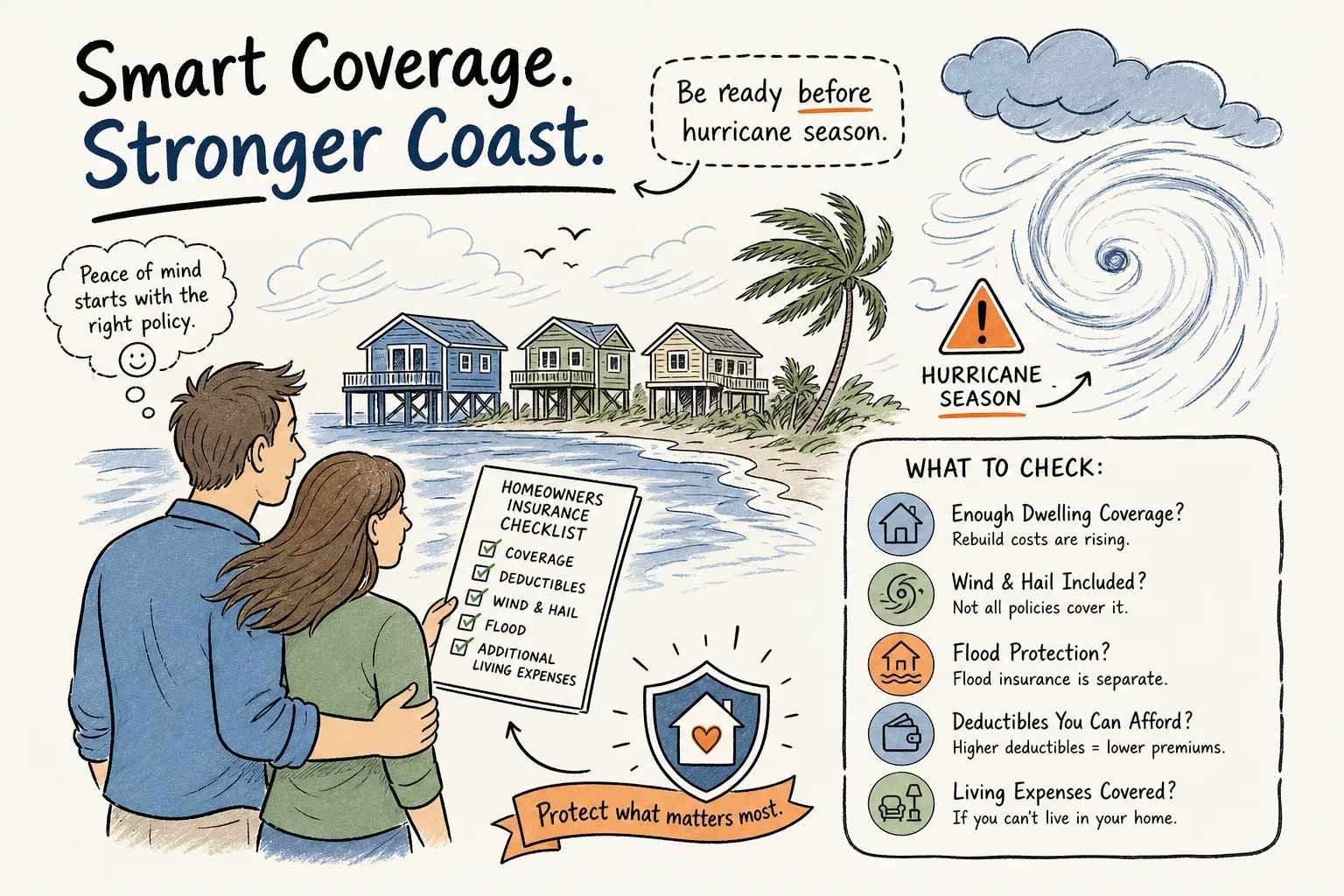
Does Homeowners Insurance Cover Fire Damage?
Fire damage is generally included among the covered causes of loss under
standard homeowners insurance policies, subject to the policy's terms and exclusions.
Depending on the policy, coverage may help pay for repairs to the dwelling, damage to insured personal belongings, and certain additional living expenses if a covered fire makes the home temporarily uninhabitable.
However, policies differ in their deductibles, coverage limits, exclusions, and claim settlement provisions.
For example, a policy may settle certain property losses using actual cash value, while replacement cost coverage may apply to other insured property when its conditions are met.
Homeowners should also review coverage for detached structures and high-value belongings.
Smoke alarms and fire extinguishers help reduce safety risks, but they do not guarantee that a fire will be prevented or that an
insurance claim will be approved.
Conclusion
Understanding how to choose, use, and maintain a home fire extinguisher is an important part of protecting your household.
A properly selected extinguisher may help control a small fire when conditions are safe. However, working smoke alarms, an effective evacuation plan, and prompt emergency response remain essential.
For homeowners in Texas City, TX, reviewing both household fire safety practices and insurance coverage can help identify opportunities to strengthen property protection.
Review Your Home Insurance Coverage With Brad Spurgeon Insurance Agency
At Brad Spurgeon Insurance Agency, we help Texas homeowners explore property insurance options and understand available protection for their homes.
Whether you are reviewing existing coverage, comparing
homeowners insurance options, or evaluating protection against fire and other property risks, our team can help you assess your choices.
Brad Spurgeon Insurance Agency
Texas City, TX
Phone: (409) 945-4746
Email: brad@bradspurgeonins.com
Website: https://www.privatewindstorm.com/
Contact Brad Spurgeon Insurance Agency today to discuss your homeowners insurance needs and explore available coverage options.
This article provides general fire safety and insurance information. Follow instructions from local emergency responders, the fire extinguisher manufacturer, and applicable safety authorities. Insurance coverage depends on the policy, endorsements, deductibles, exclusions, and applicable law.