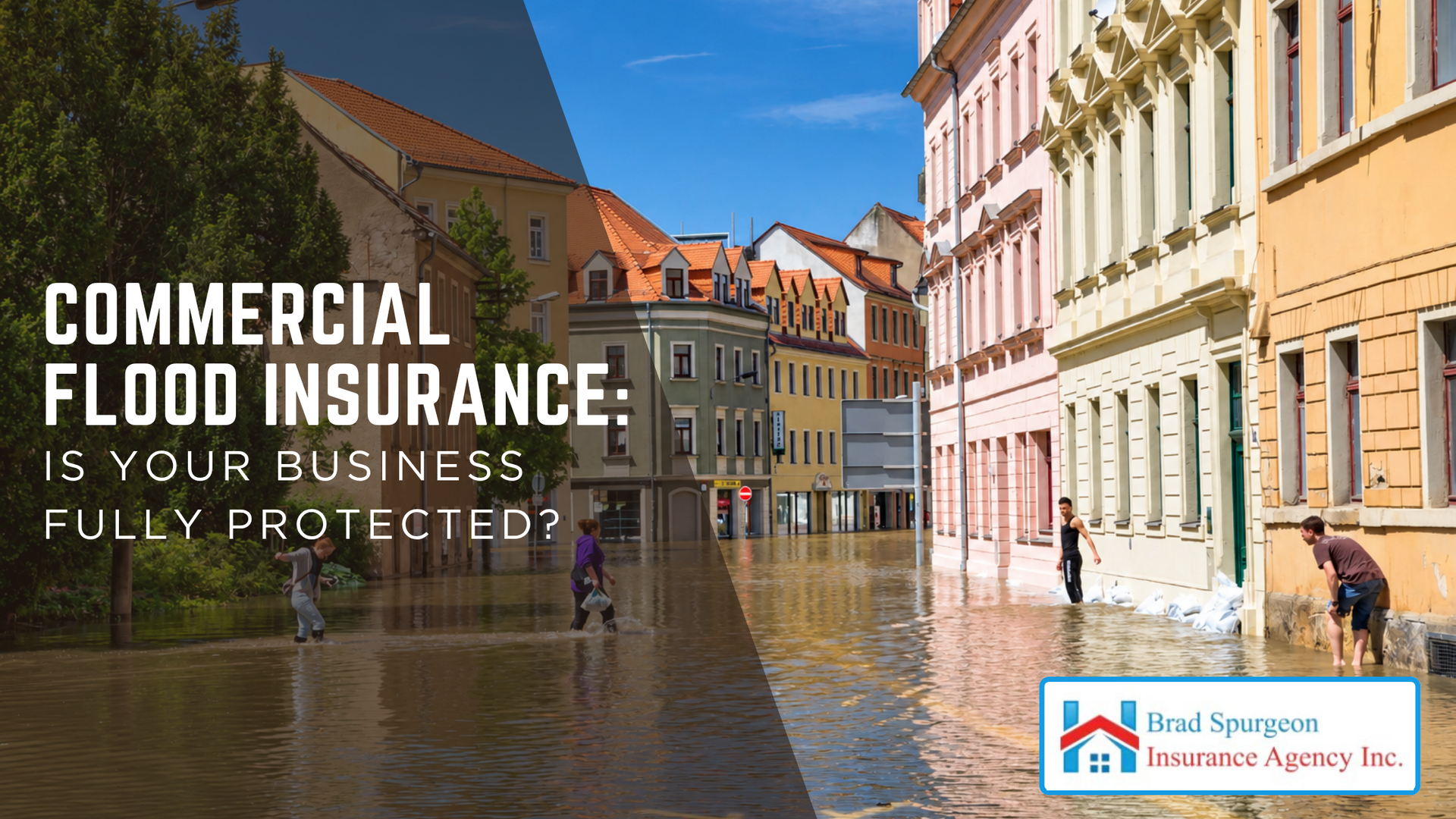
Flooding can disrupt business operations, damage expensive equipment, and create financial losses that extend well beyond the initial cleanup. For commercial property owners, retailers, and service providers along the Texas Gulf Coast, understanding flood exposure is an important part of risk management. Knowing which insurance protections are available can help businesses prepare before severe weather threatens their operations.
What Is Commercial Flood Insurance?
Commercial flood insurance provides financial protection against qualifying direct physical damage caused by flooding to insured business buildings and property.
Coverage may be purchased through the National Flood Insurance Program (NFIP) or participating private insurance companies.
For businesses in Texas City, TX, flood insurance is particularly relevant because coastal storms, heavy rainfall, and storm surge can expose commercial properties to significant water damage.
Unlike standard commercial property insurance, which generally excludes flooding, dedicated flood insurance addresses specified losses involving rising water.
However, payment depends on policy terms, coverage limits, deductibles, and the circumstances surrounding the event.
What Types of Flood Damage Are Covered?
Commercial flood insurance generally covers qualifying direct physical damage caused by a flood as defined in the insurance contract.
Covered events may include overflowing bodies of water, unusual surface water accumulation, and certain flood-related erosion.
For example, prolonged rainfall could overwhelm drainage systems and send floodwater into a commercial building.
If the event satisfies the policy's definition of flooding, eligible damage may be covered.
However, ordinary plumbing leaks, sewer backups without qualifying flooding, and maintenance-related water damage may fall outside flood coverage.
Business owners should understand how their policies distinguish flooding from other sources of water damage.
What Does Commercial Building Coverage Protect?
Commercial building flood insurance helps protect the physical structure and certain permanently installed components.
Depending on policy conditions, covered property may include:
- Foundations and structural building components.
- Electrical and plumbing systems.
- Furnaces, water heaters, and certain HVAC equipment.
- Permanently installed cabinets and fixtures.
- Other qualifying building improvements.
For example, floodwater entering a retail building might damage electrical systems and permanently installed equipment.
Building coverage may help pay eligible expenses according to the applicable loss settlement provisions.
However, landscaping, outdoor property, and certain below-ground improvements may be excluded or restricted.
Does Flood Insurance Cover Business Equipment and Inventory?
Commercial contents coverage helps protect eligible personal property used in business operations.
This may include furniture, computers, machinery, inventory, and merchandise held for sale.
For example, floodwater could damage merchandise stored in a ground-floor retail shop.
If the property qualifies, contents insurance may help address the loss.
However, building and contents coverage are generally purchased separately under the NFIP.
Purchasing building coverage alone does not automatically provide protection for all business equipment and inventory.
Business owners should maintain updated inventories and confirm whether property stored in basements or other restricted areas receives coverage.
How Much Commercial Flood Insurance Is Available?
The NFIP offers
commercial flood insurance with separate maximum coverage limits.
Eligible business properties may obtain up to $500,000 in building coverage and up to $500,000 in business contents coverage.
These limits apply separately and are subject to the policy's terms.
For businesses with buildings, equipment, or inventory exceeding these amounts, additional private or excess flood insurance may be worth considering.
Private insurers may offer different limits, deductibles, and coverage options.
Owners should compare available protection against realistic rebuilding and replacement costs.
Does Flood Insurance Cover Lost Business Income?
One important limitation of standard NFIP commercial flood insurance is that it does not cover lost revenue or profits caused by business interruption.
For example, a restaurant might remain closed for several weeks after flood damage.
While eligible physical property damage may be covered, the NFIP generally does not reimburse income lost during the closure.
Some private commercial flood policies may offer business interruption protection, depending on their terms.
For operations near the Texas City Dike, reviewing this distinction can help clarify potential financial exposure following a major coastal storm.
Is Commercial Flood Insurance Required in Texas?
Texas does not universally require every business to purchase
flood insurance.
However, federal flood insurance purchase requirements generally apply to qualifying buildings in Special Flood Hazard Areas when secured by certain federally regulated or insured loans.
Commercial lenders may also impose additional insurance conditions.
Owners should confirm whether their property is located in a designated high-risk flood zone.
FEMA's Flood Map Service Center allows users to search official flood maps by address.
Importantly, businesses outside designated high-risk zones can still experience flooding.
A lower-risk classification does not eliminate potential losses.
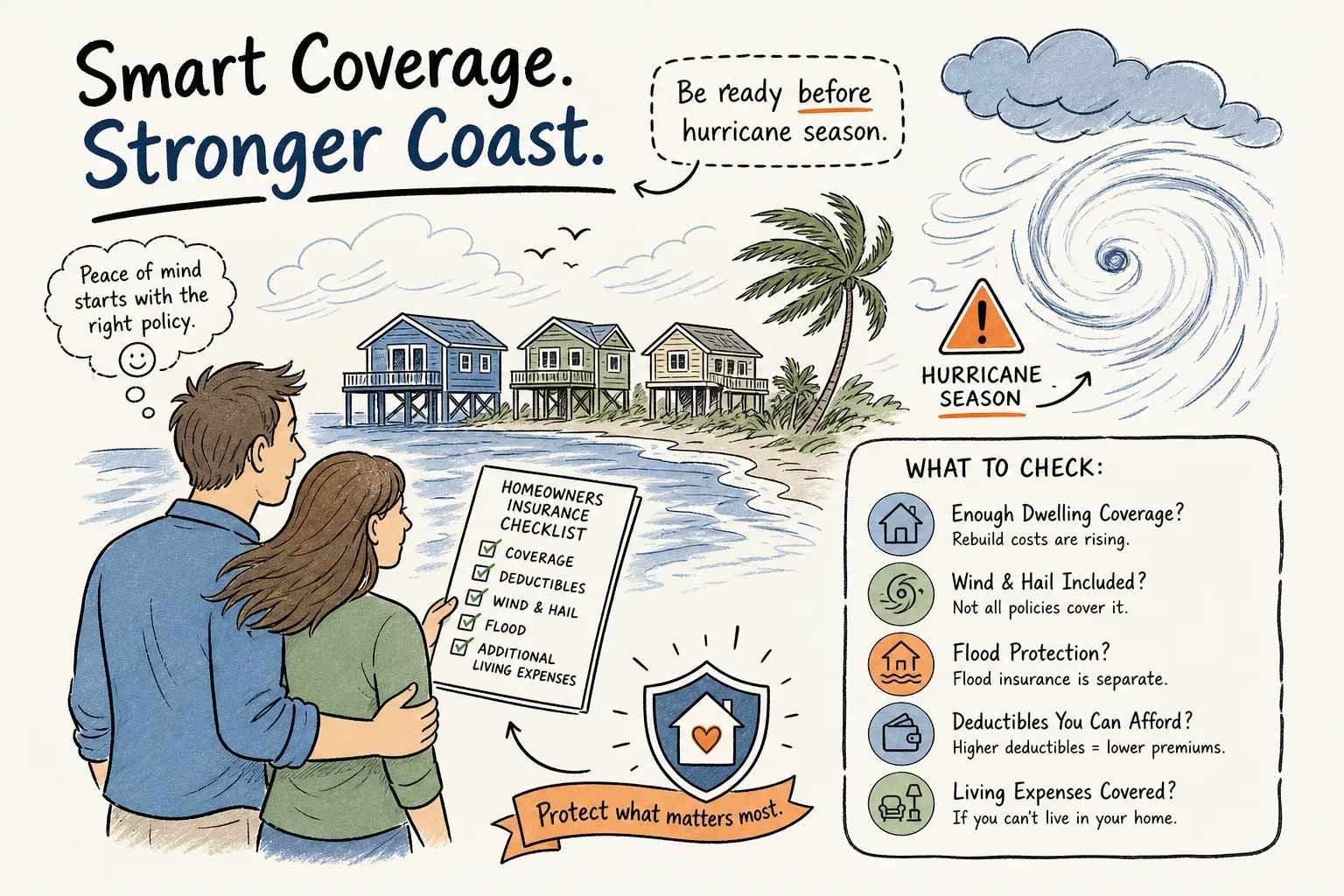
How Are Flood and Windstorm Insurance Different?
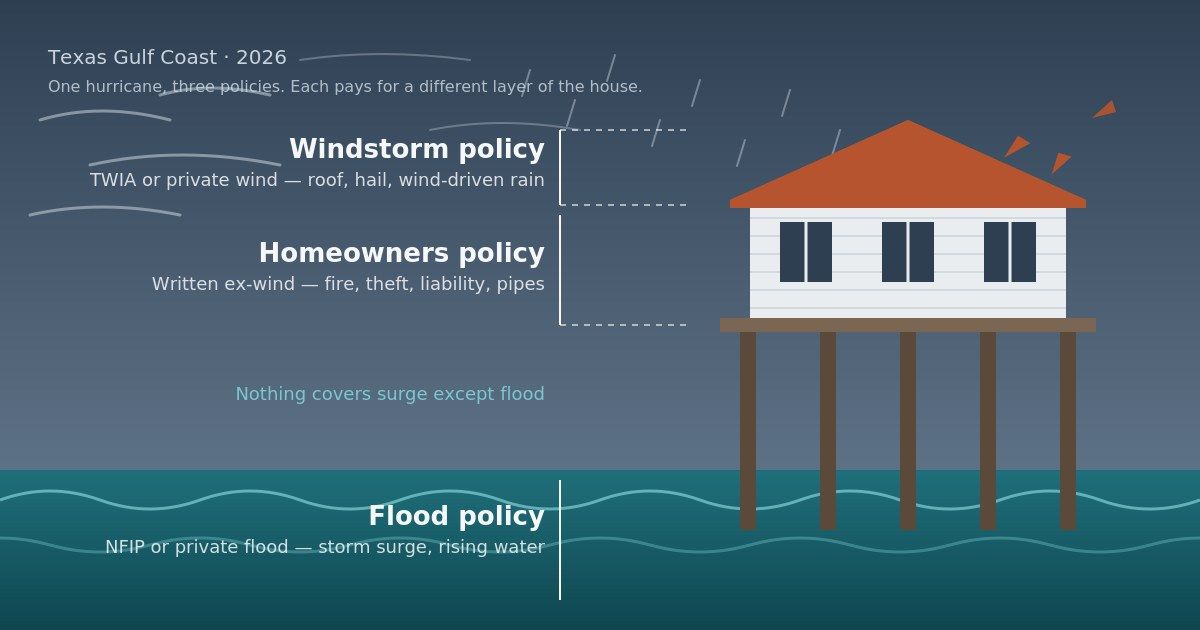
Flood insurance and windstorm insurance protect against different causes of property damage.
Windstorm coverage may address qualifying damage caused by hurricane winds or wind-driven debris.
Flood insurance generally addresses covered flooding, including storm surge.
A single hurricane can produce losses involving both causes.
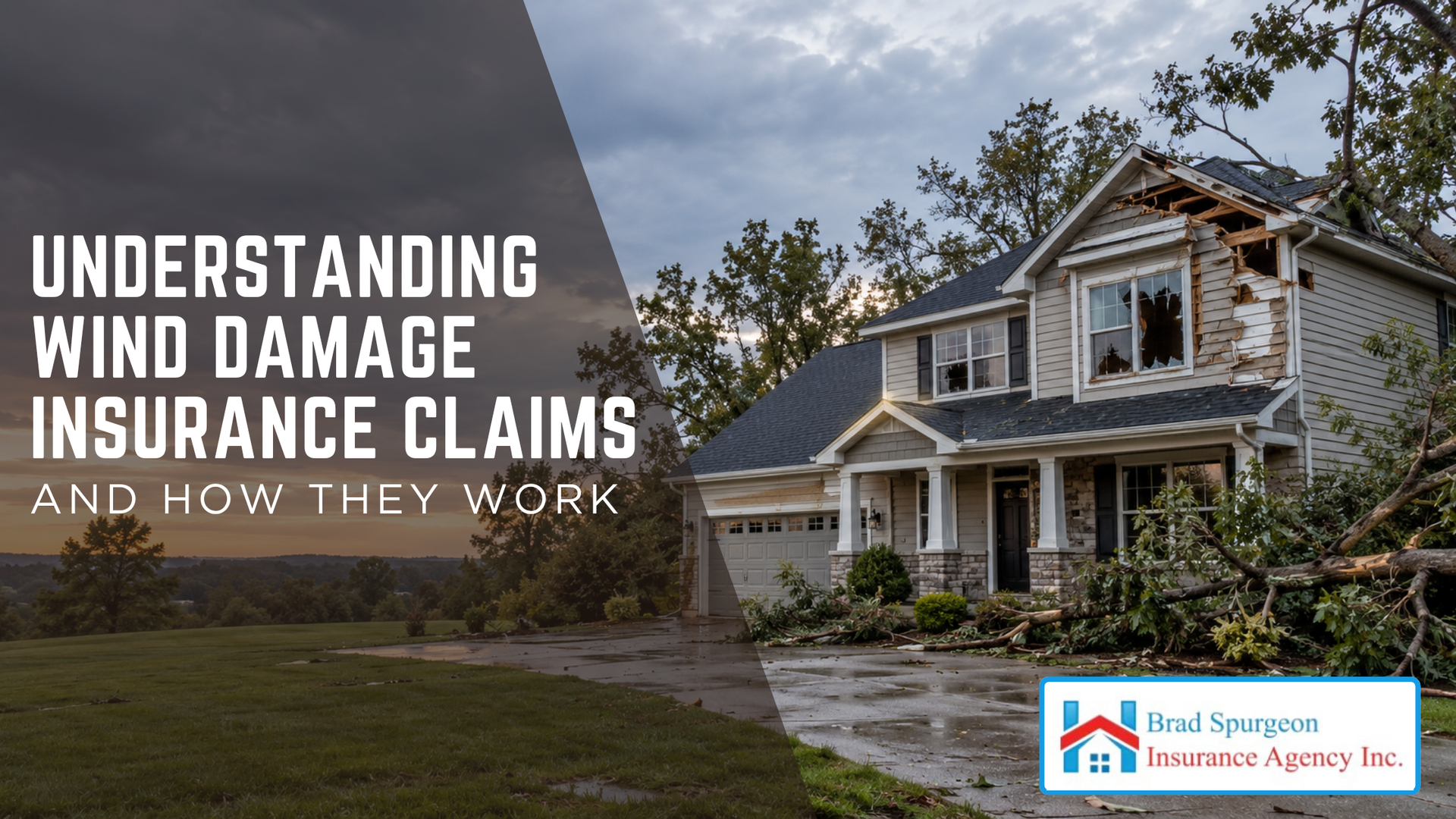
For example, wind might damage a roof while rising coastal water floods the ground floor.
Businesses near Galveston Bay should review both types of protection.
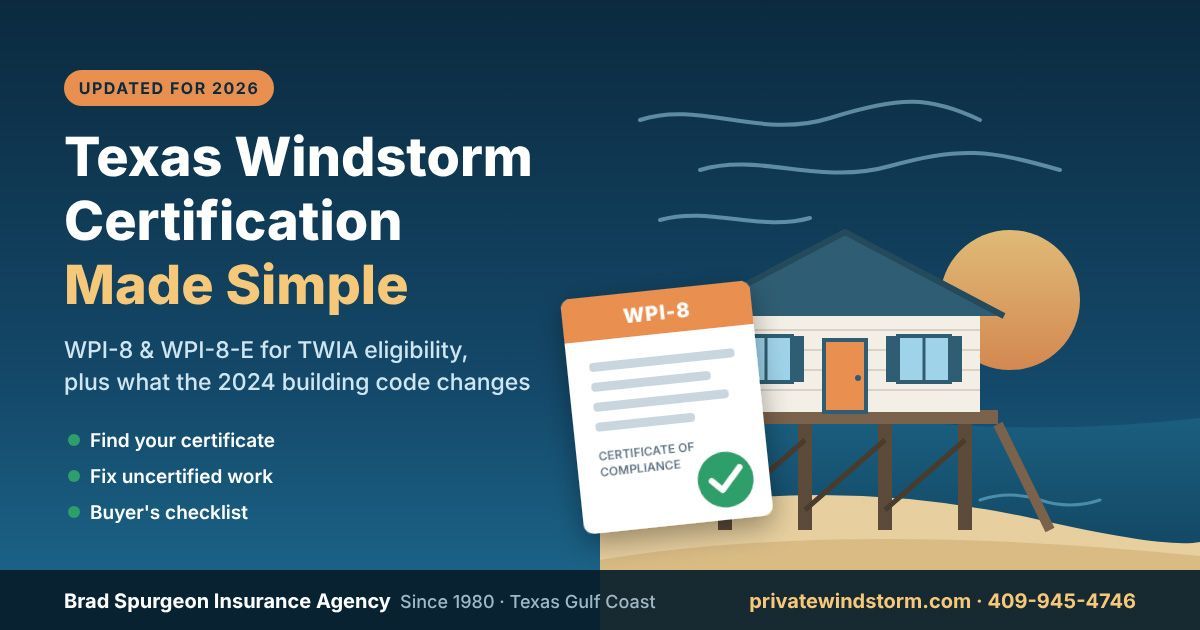
The Texas Windstorm Insurance Association provides eligible wind and hail coverage in designated coastal areas, but its policies do not replace flood insurance.
When Does Commercial Flood Insurance Become Effective?
NFIP flood insurance generally has a 30-day waiting period before new coverage becomes effective.
Certain exceptions apply, including qualifying mortgage-related transactions and specific flood map changes.
Private flood insurance may have different waiting periods.
Purchasing coverage immediately before an approaching hurricane may therefore leave a business unprotected.
Owners should review effective dates and renewal requirements well before storm season.
Waiting until a weather emergency develops can create unnecessary coverage gaps.
How Can Businesses Reduce Flood Damage?
Flood insurance should be combined with practical risk management.
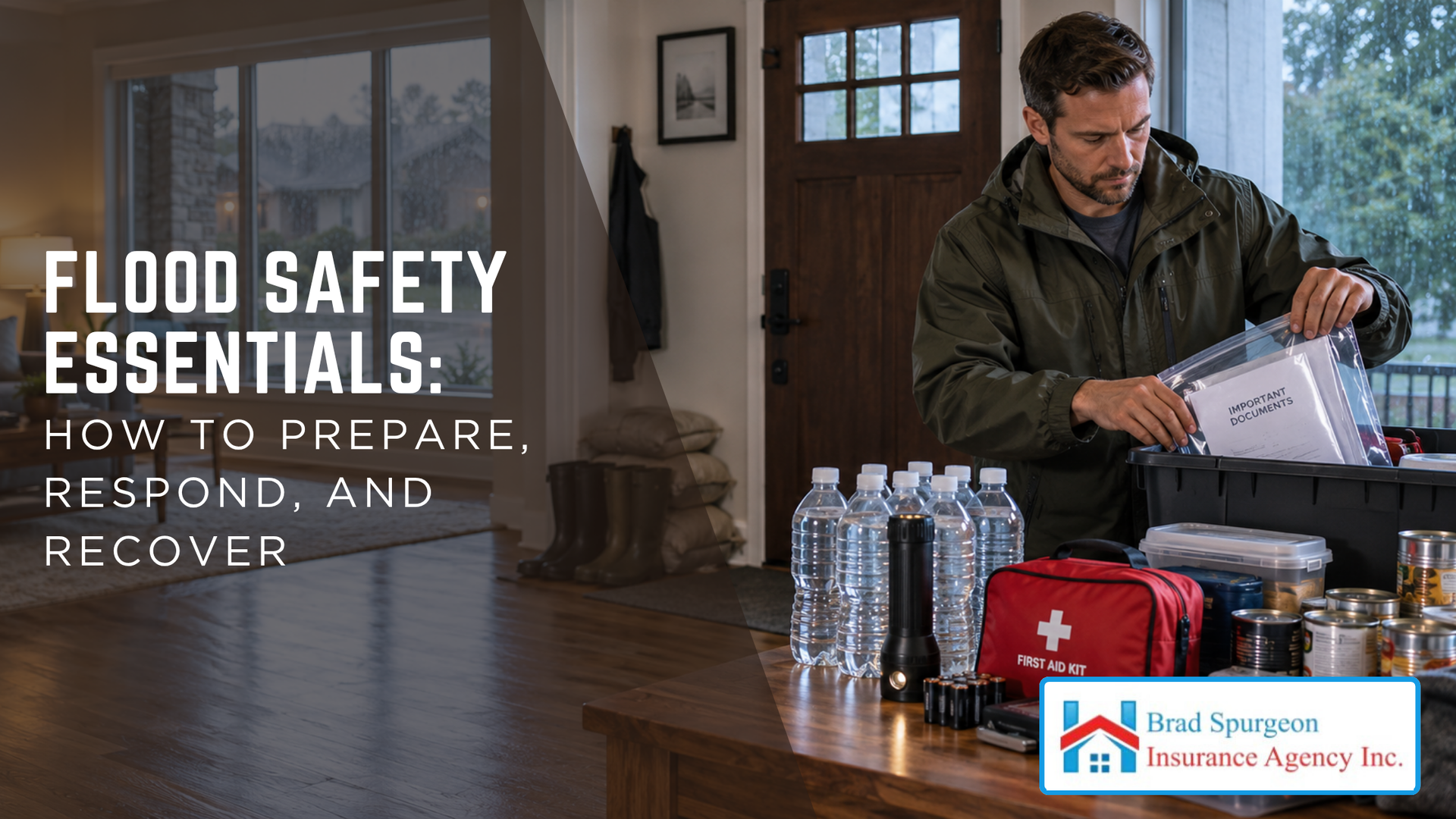
Business owners can elevate vulnerable equipment, maintain drainage systems, protect important records, and establish emergency response procedures.
Moving valuable inventory above expected flood levels may also reduce potential damage.
For businesses in Texas City, TX, reviewing flood exposure alongside property values and emergency planning can support better insurance decisions.
Owners should document assets, evaluate deductibles, and confirm whether their coverage includes both buildings and contents.
Regular reviews are especially important when operations expand or property values change.
Conclusion
Commercial flood insurance helps businesses manage certain financial consequences of flood-related property damage.
NFIP coverage can protect eligible buildings and contents, while private policies may provide additional options.
However, coverage limits, waiting periods, exclusions, and business interruption restrictions deserve careful attention.
Understanding these provisions and evaluating flood exposure before severe weather develops can help businesses prepare for unexpected losses.
Navigating insurance challenges doesn't have to be done alone. If you have questions about your coverage or need a second opinion on a policy, the team at Brad Spurgeon Insurance Agency is here to help.
Brad Spurgeon Insurance Agency
Texas City, TX
(409) 945-4746
brad@bradspurgeonins.com
https://www.privatewindstorm.com/