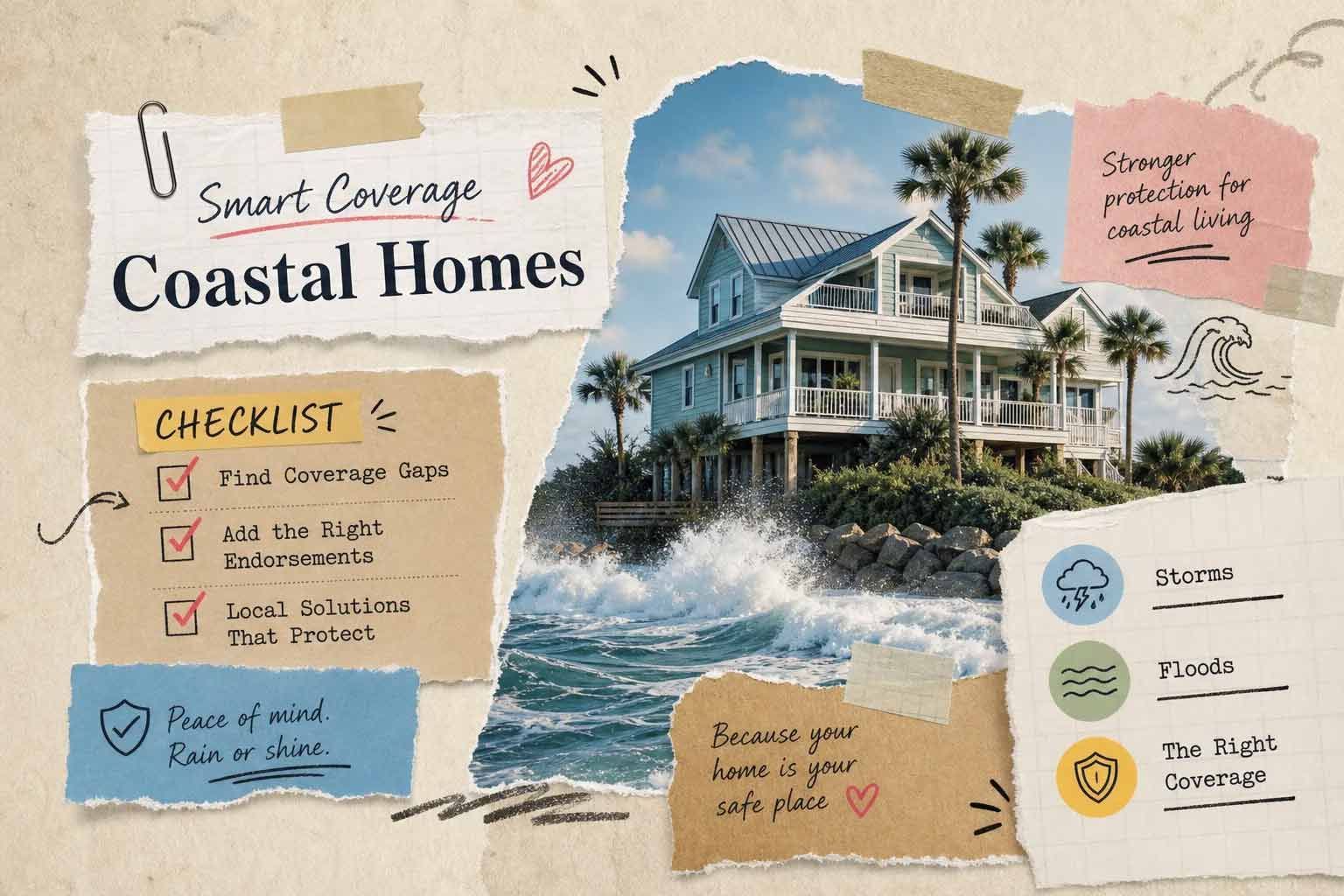

Checklist for buying Progressive home insurance for coastal homes: coverage gaps, endorsements, and local solutions

Progressive home insurance is one of the most recognized products in the country, and that familiarity makes it easy for coastal homeowners to assume the policy covers everything it should. Many homeowners assume the standard policy handles all their risks, wind, water, and everything a Gulf Coast storm can throw at a house. It often leaves critical gaps. Gulf Coast homes face windstorm, flood, and hurricane risks that standard policies routinely exclude, and discovering those exclusions after a storm can lead to large out-of-pocket costs. This checklist walks through what a Progressive homeowners policy actually includes, where it leaves coastal buyers exposed, what it costs in Texas, and how to close the gaps before storm season arrives.
We've been working with Gulf Coast homeowners from our base in Texas City since 1986.
What a standard Progressive home policy actually covers
A standard Progressive homeowners policy is built around six core coverages. Coverage A covers the dwelling itself on a replacement cost basis. Coverage B covers other structures like detached garages and fences, typically at about 10% of the dwelling limit. Coverage C covers personal property. Coverage D covers loss of use, meaning hotel stays and temporary housing when a covered loss makes the home uninhabitable. Coverage F covers medical payments to guests injured on your property.
For personal property, the default settlement method matters a great deal. Standard policies may settle personal property claims at actual cash value, meaning the depreciated value of the item at the time of loss. A five-year-old television settles very differently under actual cash value than it does under replacement cost coverage. For coastal homeowners whose belongings face higher storm-damage frequency, upgrading to personal property replacement cost coverage is worth the added premium. The endorsement exists; it just doesn't come standard.
Loss of use and liability aren't the primary gaps for Gulf Coast buyers, but they're worth understanding before you evaluate what's missing. After a major storm, loss of use coverage can run for months, a full rebuild can take a year or longer, and your housing costs keep accumulating throughout. Liability covers legal exposure from injuries on your property. Per Progressive policy summaries and industry reviews, including U.S. News, loss of use and liability are generally included in Progressive's standard homeowners coverage. The problem lies in what that standard policy doesn't include.
The coastal exclusions that create the most risk
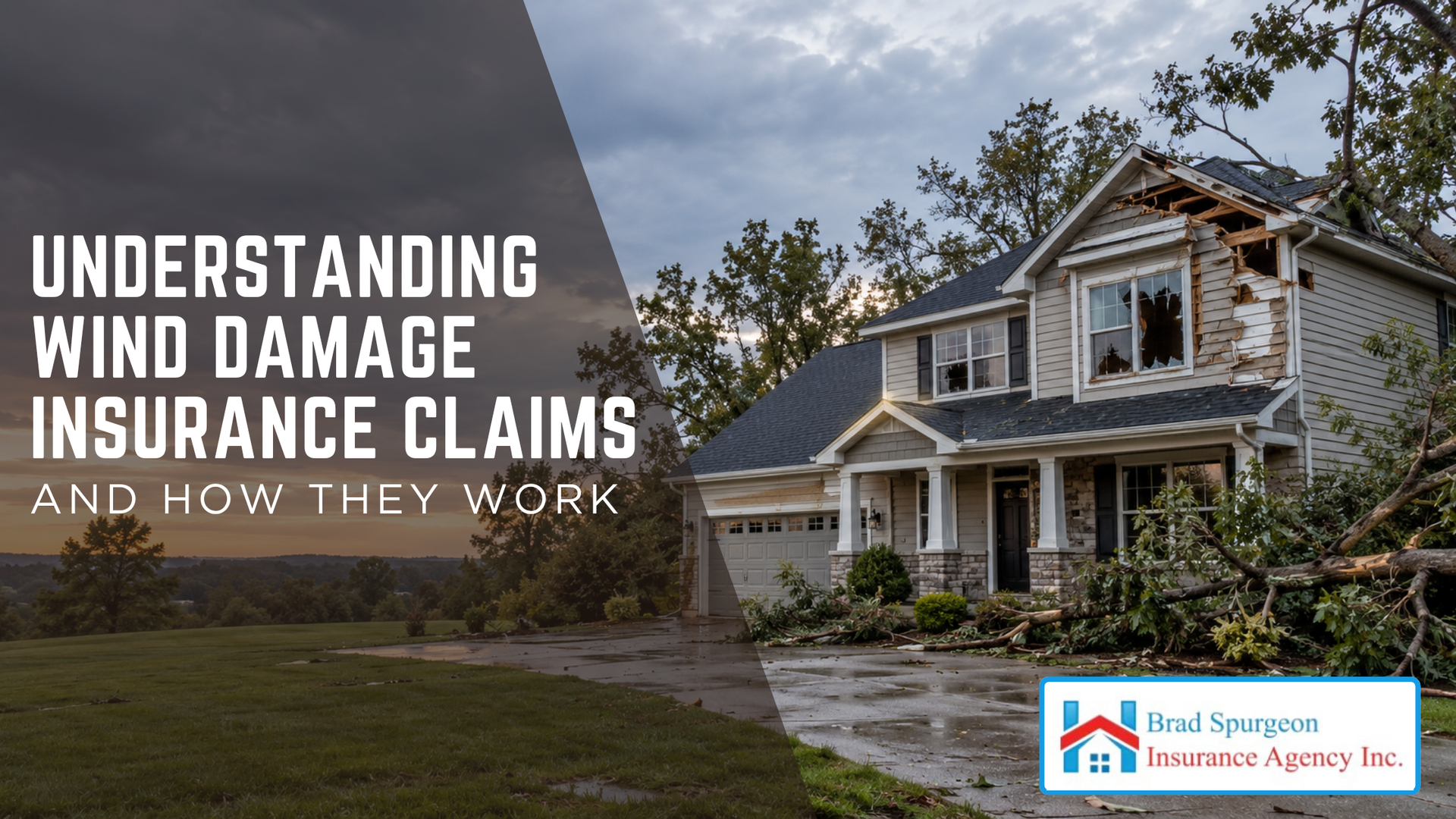
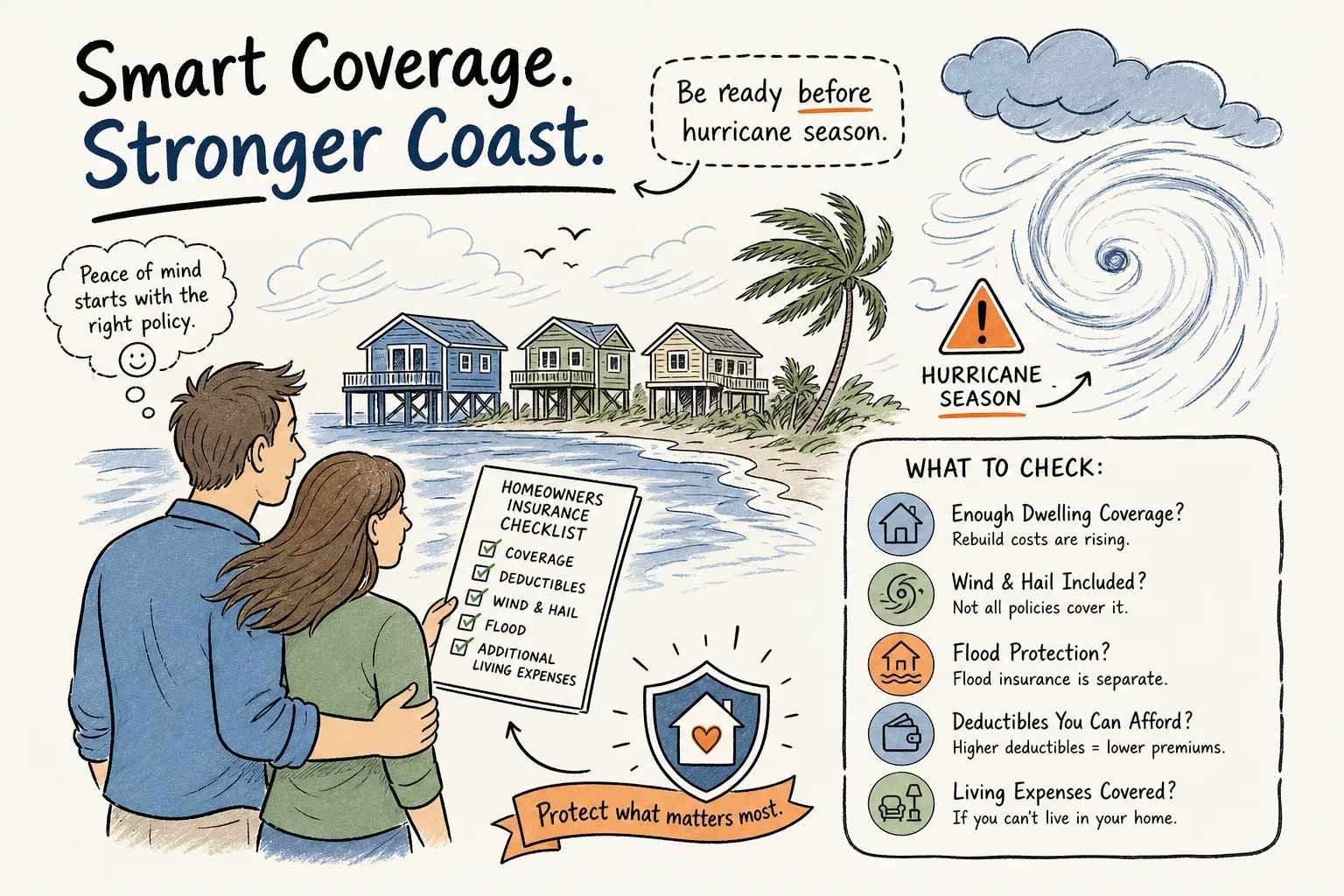
Standard homeowners policies, including those written through Progressive, typically exclude windstorm and hurricane damage in high-risk coastal counties. In Texas, this means many properties in Galveston County and the surrounding first-tier coastal counties need a separate windstorm policy, either through the Texas Windstorm Insurance Association (TWIA) or a private carrier. The policy that covers a kitchen fire does not automatically cover a roof torn off by a Category 2 storm. Those are treated as completely separate risks requiring completely separate coverage.
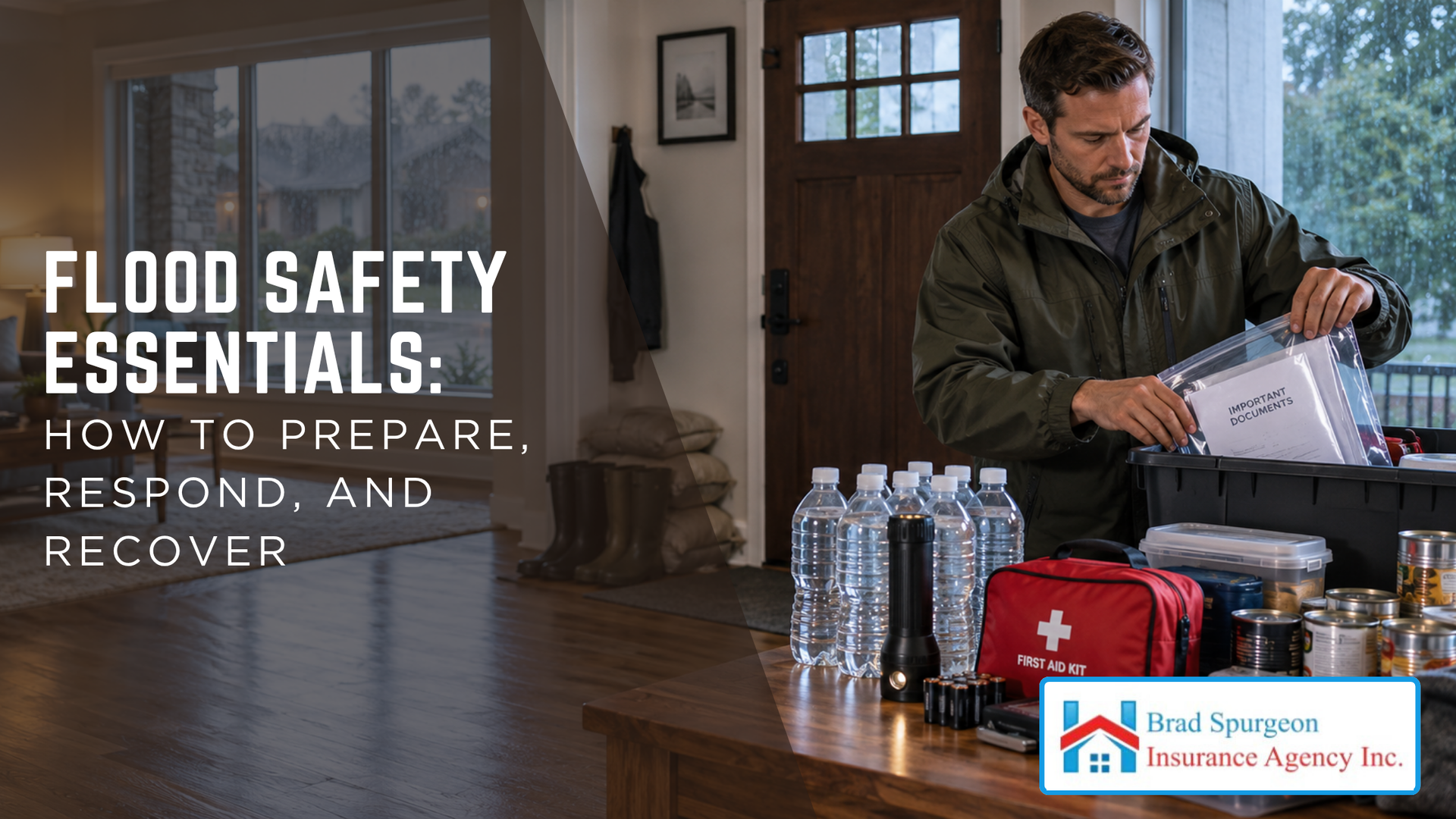
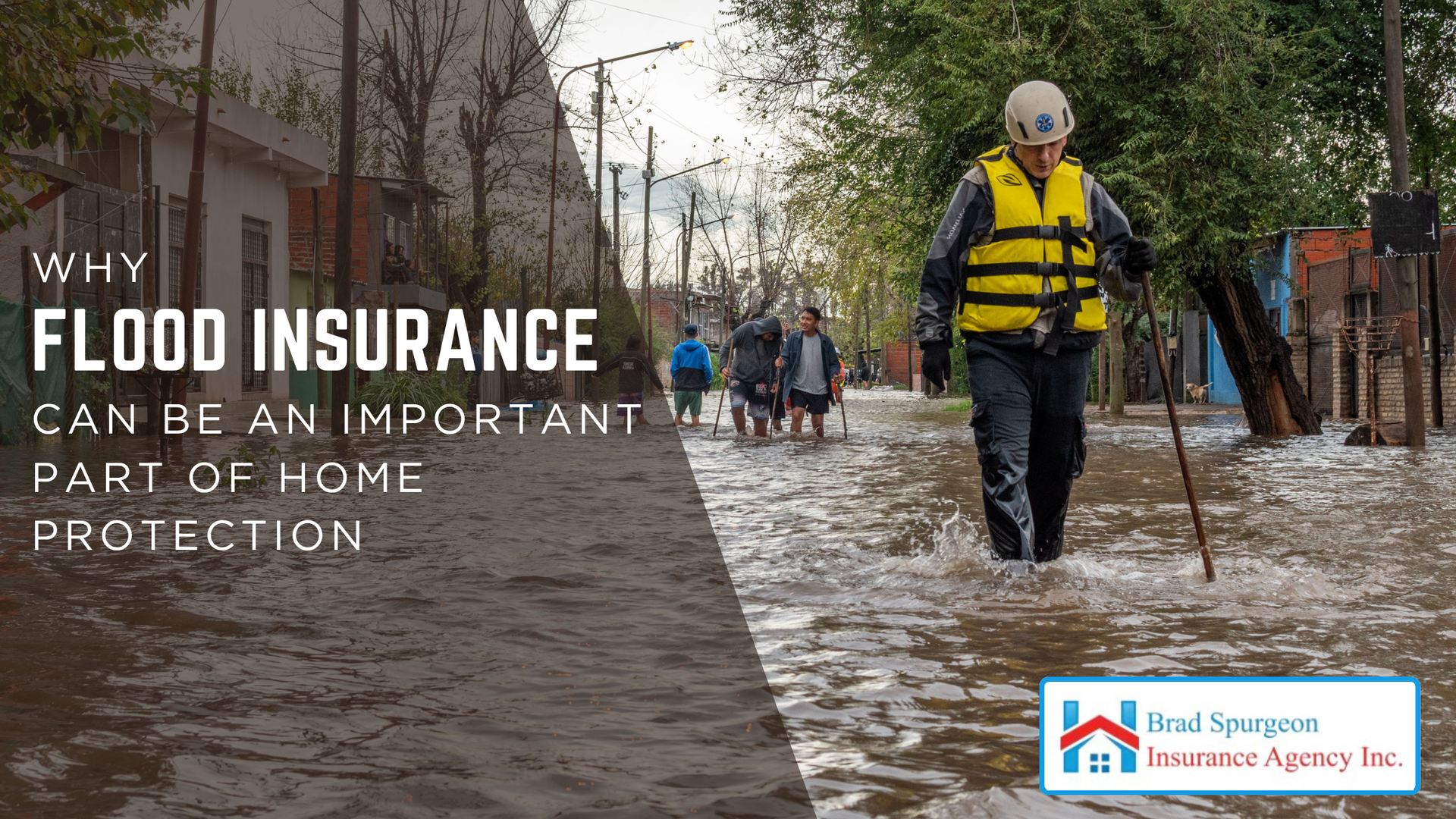
Flood damage is a different problem entirely. No standard homeowners policy covers flood damage, and that includes Progressive homeowners coverage. Flood coverage requires a separate policy, typically through the National Flood Insurance Program or a private flood insurer. Storm surge, drain backup, and rising groundwater each fall into distinct coverage categories, and each requires a separate decision. Many homeowners assume their homeowners policy handles all of it. It handles none of it.
A Gulf Coast homeowner with a solid Progressive policy and no separate windstorm or flood coverage could face a total loss with little or no payout for the two most likely catastrophic perils in their zip code. This isn't a criticism of Progressive specifically, it's how the standard homeowners market works. Coastal buyers just need to know it going in, not after.
What progressive home insurance actually costs in Texas
News. Texas looks very different. According to MoneyGeek's 2026 analysis, Texas homeowners pay approximately $10,571 per year for $250,000 in dwelling coverage through Progressive. A separate 2026 analysis from insurance.com puts the figure at $4,898 per year using a $300,000 dwelling and liability sample. U.S. Location and coastal catastrophe exposure are major drivers of higher Progressive homeowners rates in Texas; the specific underwriting partner and Progressive's own pricing methodology also affect what you're quoted.
Location near the Gulf directly affects underwriting. Roof age, construction type, and year built also matter. In many coastal counties, a named-storm deductible applies separately from the standard deductible, and it's calculated as a percentage of the dwelling limit, not the claim amount. Know your deductible structure before you need it.
Progressive holds an A+ AM Best rating, which signals strong financial stability. On claims satisfaction, the picture is more mixed. Insurance.com's 2026 survey scored Progressive at 65% for claims satisfaction, and a Texas-specific scorecard from InsurerScore gave Progressive a 67 out of 100 for claim handling, placing it around the 45th percentile among Texas homeowners insurers. For routine claims, this matters less.
Progressive home discount programs and what to check before accepting a quote
Progressive offers several discount categories worth stacking. Bundling home and auto carries an advertised average of 7% savings on the auto side. Requesting a Progressive home quote at least 10 days before the desired effective date qualifies for an advance-quote discount. Additional discounts apply for protective devices, new home purchase, new construction, paperless billing, and paying the full premium upfront. Progressive's published marketing reports average total savings exceeding 25% for new customers who successfully bundle home and auto, though this figure should not be treated as a guaranteed homeowners-policy reduction. Discount availability depends on the state and underwriting partner.
Progressive uses its HomeQuote Explorer platform to surface quotes from multiple third-party underwriters, often a policy written by a third-party underwriter, not Progressive directly. That means two quotes for the same home can come from different insurers with different claims processes and financial ratings. When reviewing a quote, check the actual underwriting company name on the declarations page. For coastal buyers who may face a significant claim, that's the company handling it, not Progressive's brand. It's a detail most buyers miss, and it can affect the claims experience when it matters most.
Filling the gap: endorsements, TWIA, and a windstorm-included policy
Endorsements worth adding to a standard policy
Several endorsements can strengthen a standard Progressive home policy: personal property replacement cost, scheduled personal property for high-value items, water backup and sump overflow, and extended dwelling replacement cost to add a buffer if rebuild costs exceed the dwelling limit. These are worth adding. None of them restore windstorm or hurricane coverage. They are improvements to a standard policy, not a solution to the primary coastal gap.
TWIA and the three-policy coastal arrangement
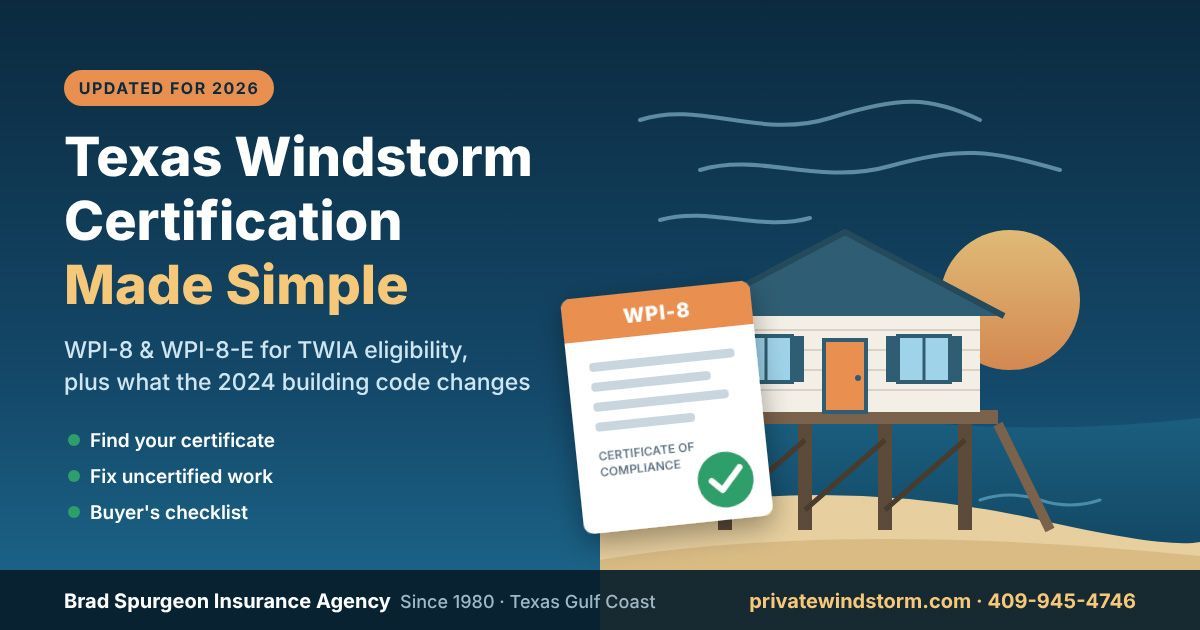
For properties in Texas's 14 first-tier coastal counties, including Galveston, Brazoria, Chambers, and Jefferson, TWIA provides windstorm and hail coverage when private coverage is unavailable, subject to eligibility and building-code compliance requirements. The maximum residential dwelling limit under TWIA for policies issued or renewed on or after January 1, 2026 is $1,773,000, according to the TWIA Fact Book. TWIA covers wind and hail. It does not cover flood, storm surge, fire, theft, or liability. The typical coastal arrangement is an ex-wind homeowners policy from a private insurer combined with a TWIA windstorm policy, plus a separate flood policy, three separate policies for a complete coastal coverage picture.
For Gulf Coast homeowners who want a cleaner solution, a Windstorm Included Home Policy bundles standard home coverage and windstorm damage into one policy. That structure eliminates the coordination problem between two carriers at claim time and simplifies documentation for mortgage lenders who require evidence of windstorm coverage.
How we help coastal buyers close the gap
We offer the Windstorm Included Home Policy as a purpose-built option for Gulf Coast homeowners. The agency offers windstorm and flood insurance and a Windstorm Included Home Policy for Gulf Coast homeowners.
To get an accurate Progressive home quote, have the property address, year built, square footage, roof age and type, construction material, major system details, and any renovation history ready. Also have your current declarations page, your mortgage lender's information, and prior claims history. Starting the quote at least 10 days before your desired effective date qualifies for the advance-quote discount. For coastal homes in high-risk counties, the online quote tool works best as a starting point, not a final answer. Underwriting decisions for coastal properties can vary more than the interface makes obvious.
Progressive home insurance is a legitimate option in many markets. For Gulf Coast homes, the standard Progressive homeowners coverage is a starting point, not a complete solution. Windstorm and flood coverage gaps aren't small print, they're the primary risks facing homes in this region. Stack the available Progressive home discount programs, read the declarations page carefully, and verify which underwriter is actually behind the quote. If the coverage doesn't add up for your coastal address, reach out to our team. We've been working through exactly these questions on the Texas Gulf Coast for four decades, and we can help you build a policy that covers what actually matters before storm season shows you what was missing.