A Simple Guide To Mobile And Modular Home Insurance

June 15, 2026

Mobile and modular homes can offer flexibility, affordability, and practical living space, but insuring them is not always the same as insuring a traditional site-built home. For homeowners in Texas City, TX, understanding how coverage works can help avoid gaps before a storm, fire, theft, or liability claim creates a financial problem.


What Mobile And Modular Home Insurance Is

Mobile and modular home insurance is designed to help protect the home, personal belongings, and the homeowner’s financial responsibility if someone is injured or property is damaged. While these homes may look similar from the outside, insurance companies often treat them differently based on how they are built, transported, installed, and titled.


A mobile home, often called a manufactured home, is built in a factory and transported to its final location. A modular home is also factory-built, but it is usually assembled on a permanent foundation and must meet local building codes similar to site-built homes.


In our work with clients, a common issue we see is that homeowners use the terms “mobile,” “manufactured,” and “modular” interchangeably. That can create confusion when shopping for coverage because the correct classification can affect policy options, eligibility, inspections, and pricing.


Why The Type Of Home Matters

Insurance companies look at construction type because it affects risk. A manufactured home may be evaluated differently than a modular home due to anchoring, age, materials, roof type, foundation, and wind exposure. A modular home on a permanent foundation may qualify for a more traditional homeowners insurance policy, while a manufactured home may need a specialized policy.


This matters because the wrong policy type can lead to coverage problems. If the home is not described correctly, the policy may not reflect the actual structure, replacement cost, or risk profile.


Key Details Insurers May Ask For

When applying for coverage, homeowners should be ready to provide:

  • Year, make, model, and size of the home
  • Whether the home is single-wide, double-wide, or modular
  • Foundation or anchoring details
  • Roof type and roof age
  • Skirting, porch, deck, or attached structure details
  • Whether the home is owner-occupied, seasonal, or rented
  • Prior claims history
  • Distance to the coast or nearby water exposure
  • Windstorm protection details, if applicable


Accurate information helps the insurance professional match the home with the right type of policy.


What A Mobile Or Modular Home Policy May Cover

A well-structured policy may include several important coverage parts. The exact terms vary by insurer, but most policies are designed to address the home, belongings, liability, and temporary living expenses after certain covered losses.


Dwelling Coverage

Dwelling coverage helps protect the physical structure of the home. This may include walls, roof, floors, built-in systems, and attached components, depending on the policy. For modular homes, coverage may resemble a standard homeowners policy. For manufactured homes, coverage may be written on a policy designed specifically for that property type.


The dwelling limit should reflect the cost to repair or replace the home, not simply the purchase price or loan balance. Replacement costs can change over time, especially when labor, materials, transportation, and installation are considered.


Personal Property Coverage

Personal property coverage helps protect belongings inside the home, such as furniture, clothing, electronics, appliances, tools, and household items. Homeowners should review whether coverage is based on replacement cost or actual cash value.


Replacement cost may help pay to replace covered belongings with new items of similar kind and quality. Actual cash value generally factors in depreciation, which may result in a lower claim payment.


Liability Coverage

Liability coverage may help if someone claims you caused injury or property damage. For example, if a guest falls on your steps or a child is injured while visiting, liability coverage may help with legal defense costs, settlements, or judgments, subject to policy terms.


This coverage is especially important for homes with porches, ramps, decks, pets, or frequent visitors.


Loss Of Use Coverage

Loss of use coverage, also called additional living expenses, may help pay for temporary housing, meals, and other necessary costs if the home becomes unlivable because of a covered loss. This can be valuable if repairs take time or if specialized contractors are needed.


Windstorm And Coastal Considerations

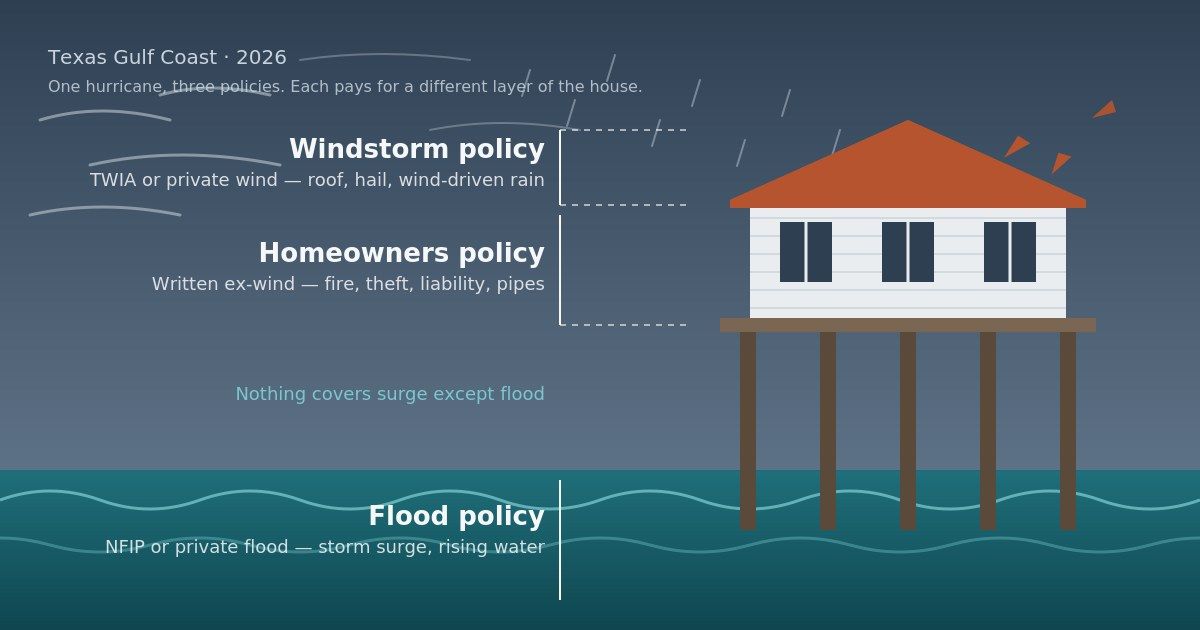
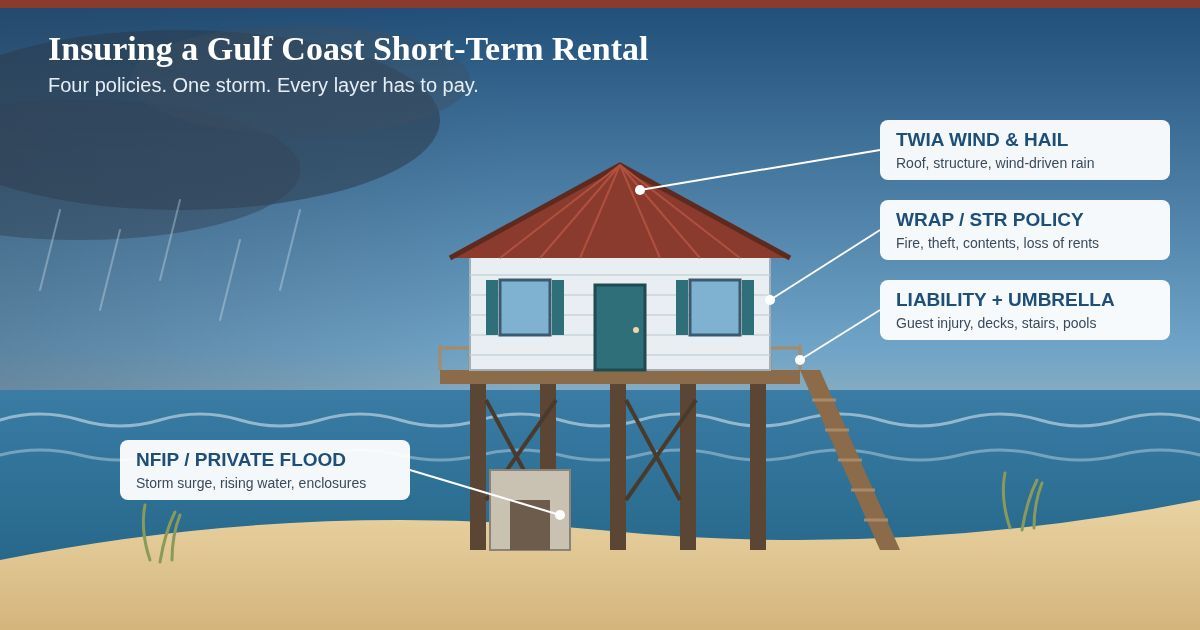
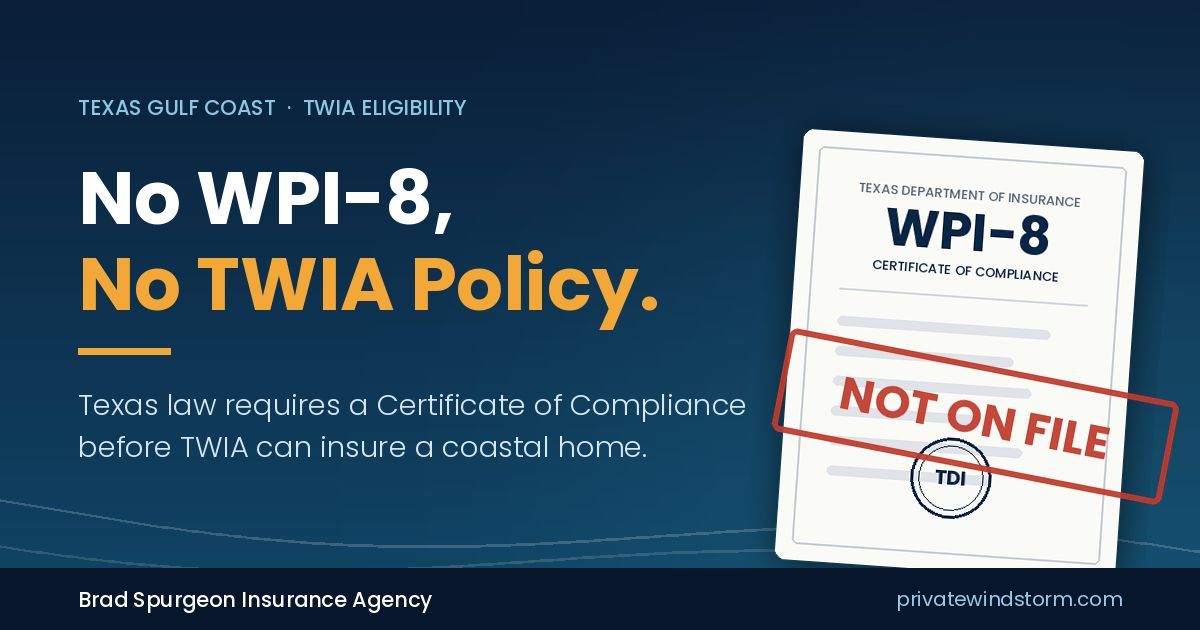
For homes near Galveston Bay or Moses Lake, windstorm exposure is an important part of the insurance conversation. Standard policies may not always include wind or hail coverage in the same way, especially in coastal areas. Some homeowners may need a separate windstorm policy or specific endorsements.


Wind damage can affect roofs, siding, skirting, carports, porches, and attached structures. Manufactured homes may also need proper anchoring or tie-down systems to meet underwriting requirements.


Homeowners in Texas City, TX should review windstorm coverage carefully because a policy that covers fire, theft, and liability may still have limitations or exclusions for wind and hail. The deductible may also be different for wind-related losses.


Flood Insurance Is Usually Separate

One of the most important points for mobile and modular homeowners is that flood damage is usually not covered by a standard home insurance policy. Flood insurance typically needs to be purchased separately.


Flooding can come from storm surge, rising water, heavy rainfall, drainage problems, or overflow from nearby waterways. Even if a homeowner is not required by a lender to carry flood insurance, the exposure may still be worth reviewing.


A common mistake is assuming that wind-driven rain and flood damage are the same. They are not. Wind-driven rain may be handled under one part of the policy if the wind creates an opening in the home. Flooding from rising water is usually handled under a separate flood policy.


Other Structures And Add-Ons

Mobile and modular homeowners often add features that need separate review. These may include detached sheds, garages, decks, ramps, fences, carports, awnings, and screened enclosures.


Do not assume these items are automatically covered at full value. Some policies include limited coverage for other structures, while others require specific scheduling or higher limits.


If you have added improvements since buying the home, your policy should be updated. This is especially important if the additions increased the value of the property or changed the home’s risk profile.


Common Coverage Gaps To Avoid

Mobile and modular home insurance can be effective, but gaps often appear when policies are not reviewed regularly.


Watch for these issues:

  • Home classified incorrectly
  • Dwelling limit too low
  • No windstorm coverage or unclear wind deductible
  • No flood insurance
  • Attached structures not listed
  • Personal property covered only at actual cash value
  • No coverage for temporary living expenses
  • Older roof or anchoring issues affecting eligibility
  • Business use of the home not disclosed


If you work from home, store tools, or operate a small business from the property, tell your insurance professional. Business property and business liability may not be covered under a standard home policy.


How To Review Your Policy Before A Claim

The best time to review coverage is before a loss. Start by confirming how the home is classified on the policy. Then review the dwelling limit, personal property limit, deductibles, exclusions, wind coverage, flood options, and loss of use coverage.


It is also helpful to create a home inventory. Take photos or videos of each room, major appliances, electronics, furniture, and valuable belongings. Keep receipts and serial numbers when possible. Store digital copies somewhere secure so they are available after a loss.


For older homes, consider reviewing roof condition, tie-downs, skirting, plumbing, and electrical systems. Maintenance records can be helpful if questions arise during underwriting or claims.


Conclusion

Mobile and modular home insurance helps protect the structure, belongings, liability exposure, and temporary living needs after covered losses. The right policy depends on how the home is built, installed, titled, and used, as well as whether separate windstorm or flood coverage is needed.


Homeowners in Texas City, TX should pay close attention to classification, coverage limits, deductibles, storm exposure, and property improvements. A careful review now can help prevent costly surprises later.

Navigating insurance challenges doesn't have to be done alone. If you have questions about your coverage or need a second opinion on a policy, the team at Brad Spurgeon Insurance Agency is here to help.


At Brad Spurgeon Insurance Agency Inc., we aim to provide comprehensive insurance policies that make your life easier. We want to help you get insurance that fits your needs. You can get more information about our products and services by calling our agency at (409) 945-4746. Get your free quote today by CLICKING HERE


Disclaimer: The information presented in this blog is intended for informational purposes only and should not be considered as professional advice. It is crucial to consult with a qualified insurance agent or professional for personalized advice tailored to your specific circumstances. They can provide expert guidance and help you make informed decisions regarding your insurance needs.


Brad Spurgeon Insurance Agency

Texas City, TX

(409) 945-4746

https://www.privatewindstorm.com/

June 15, 2026
Dogs are part of the family, but they can also affect how an insurance company evaluates household liability risk. For homeowners in Texas City, TX, it is important to understand how dog ownership may influence home insurance options, premiums, exclusions, and coverage decisions before a claim ever happens.
June 15, 2026
Flood damage can create immediate questions about what can be repaired, what must be replaced, and which parts of the home are actually covered. For homeowners in Texas City, TX, appliances can be a major concern after rising water enters the property because coverage depends on the type of policy, the appliance, and w
June 15, 2026
Windstorm damage can leave homeowners dealing with roof problems, broken windows, fallen debris, and urgent repair decisions all at once. For homeowners in Texas City, TX, knowing what to do immediately after a storm can make the claim process clearer, better documented, and less stressful. Start With Safety First After a windstorm , the first priority is safety. Before checking damage, make sure everyone in the household is accounted for and away from immediate hazards. Strong winds can leave behind loose power lines, unstable trees, damaged roofs, broken glass, and weakened structures. Do not climb onto the roof or enter areas that appear unsafe. Even if the damage looks manageable from the ground, hidden structural problems can make inspection dangerous. If you smell gas, see sparks, notice major structural movement, or suspect electrical damage, leave the area and contact the proper emergency service provider. In our work with clients, a common issue we see is that homeowners try to inspect or fix damage too quickly. It is understandable to want answers right away, but safety should come before documentation, repairs, or cleanup. Prevent Further Damage When Possible Most insurance policies require homeowners to take reasonable steps to prevent additional damage after a covered loss. This does not mean making permanent repairs immediately. It means taking practical temporary measures when it is safe to do so. Examples may include: Placing a tarp over a damaged roof area Boarding up a broken window Moving undamaged belongings away from water intrusion Covering exposed openings Drying wet areas when safe Turning off water if plumbing was affected Securing loose items that could cause more damage Keep receipts for materials, labor, emergency services, tarps, storage, or temporary repairs. These expenses may be considered during the claim, depending on the policy. Document The Damage Thoroughly Good documentation can make a major difference in a windstorm claim. Take photos and videos before making temporary repairs, if it is safe. Capture wide shots of the property and close-up images of specific damage. Focus on areas such as: Roof shingles, tiles, flashing, gutters, and vents Siding, trim, soffits, and fascia Windows, doors, screens, and shutters Fences, sheds, detached structures, and carports Interior ceiling stains or water intrusion Damaged personal property Fallen trees, limbs, or debris Outdoor equipment and furniture When possible, include date-stamped photos and notes describing what happened. If neighbors near Galveston Bay or Moses Lake experienced similar storm impact, that can provide useful context, but your claim should still focus on your own property damage. Review Your Insurance Policy Before filing or during the early claim process, review your policy carefully. Windstorm coverage can vary by carrier, property location, deductible type, and policy form. Pay close attention to: Whether windstorm or hail damage is included Whether you have a separate windstorm policy Your windstorm deductible Roof coverage terms Exclusions or limitations Other structures coverage Personal property coverage Loss of use coverage Claim reporting deadlines For homeowners in Texas City, TX, windstorm coverage deserves special attention because coastal exposure can affect how coverage is written. Some homeowners may have wind coverage through a separate policy rather than their standard homeowners policy. Understand Your Windstorm Deductible A windstorm deductible may work differently from a standard deductible. Some policies use a flat deductible, such as a set dollar amount. Others use a percentage deductible based on the insured value of the home. For example, if your home is insured for a certain amount and your wind deductible is a percentage, your out-of-pocket responsibility could be higher than expected. This is why it is important to review the deductible before a storm, not after damage occurs. A common misunderstanding is assuming the deductible will be the same for every type of claim. Fire, theft, water damage, hurricane, hail, and windstorm claims may have different deductible rules depending on the policy. Contact Your Insurance Agent Or Carrier Promptly Once the property is safe and you have initial documentation, contact your insurance agent or insurance company to report the damage. Provide clear details about the date of the storm, the type of damage, and any temporary steps taken to prevent further loss. Be prepared to provide: Policyholder name Policy number, if available Property address Date and approximate time of damage Description of visible damage Photos or videos Receipts for temporary repairs Contractor estimates, if available Ask what the next steps are and whether an adjuster will inspect the property. Also ask whether there are specific forms, deadlines, or documentation requirements. Avoid Permanent Repairs Too Soon Temporary repairs are usually encouraged when needed to prevent further damage. Permanent repairs should generally wait until the insurance company has had an opportunity to inspect the damage or provide claim guidance.  If emergency permanent work is unavoidable, document everything carefully. Take photos before, during, and after the work. Keep detailed invoices, contractor notes, and material receipts. Do not discard damaged materials until the adjuster has reviewed them or until you are told it is acceptable. If damaged items must be removed for safety or sanitation, photograph them clearly first. Be Careful With Contractors After A Storm After major storms, contractors may go door to door offering inspections or quick repairs. Many are legitimate, but homeowners should still be cautious. Before hiring a contractor: Verify licensing and insurance Check reviews and references Avoid signing blank contracts Be cautious with high-pressure sales tactics Ask for written estimates Understand payment terms Confirm who is responsible for permits Do not assign claim benefits without understanding the document A professional contractor can be helpful during recovery, but the homeowner should remain in control of the claim process and policy communication. Track Communication And Expenses Keep a claim folder with all important information. This can be digital, physical, or both. Include: Claim number Adjuster contact information Dates and times of calls Emails and letters Photos and videos Repair estimates Temporary repair receipts Hotel or temporary housing receipts, if applicable Contractor invoices Notes from inspections This record can help if there are questions about timing, scope, costs, or claim decisions. Organized documentation also makes it easier to compare estimates and understand what is being paid. Watch For Hidden Damage Windstorm damage is not always obvious immediately. A roof may look acceptable from the ground but still have lifted shingles, damaged flashing, or compromised seals. Water intrusion may appear later as ceiling stains, bubbling paint, soft drywall, or musty odors. After a storm, monitor the home for several days or weeks. If you notice new signs of damage, document them and notify the insurance company promptly. Hidden damage may be especially important after strong gusts, flying debris, or wind-driven rain. Delayed reporting can make it harder to connect the damage to the storm event. Know What May Not Be Covered Windstorm insurance does not cover every storm-related issue. Flooding from rising water is typically handled separately through flood insurance. Damage from poor maintenance, wear and tear, old roof conditions, or pre-existing problems may be limited or excluded. For example, if wind damages the roof and rain enters through the storm-created opening, the resulting interior damage may be evaluated under windstorm coverage. But if water enters because of long-term deterioration or an unrepaired leak, coverage may be more limited. This distinction is important for homeowners in Texas City, TX because severe weather can involve multiple causes of damage. Wind, rain, flood, and maintenance-related issues may be handled differently. Conclusion A windstorm claim is easier to manage when homeowners act quickly, document thoroughly, prevent further damage, and understand their policy . The most important steps are to stay safe, take photos and videos, make reasonable temporary repairs, report the claim promptly, and keep detailed records. Windstorm coverage can be complex, especially when deductibles, roof terms, separate policies, and flood exclusions are involved. Reviewing your coverage before storm season and following a clear checklist after damage can help protect your home and reduce claim confusion. At Brad Spurgeon Insurance Agency Inc., we aim to provide comprehensive insurance policies that make your life easier. We want to help you get insurance that fits your needs. You can get more information about our products and services by calling our agency at (409) 945-4746. Get your free quote today by CLICKING HERE . Disclaimer: The information presented in this blog is intended for informational purposes only and should not be considered as professional advice. It is crucial to consult with a qualified insurance agent or professional for personalized advice tailored to your specific circumstances. They can provide expert guidance and help you make informed decisions regarding your insurance needs. Brad Spurgeon Insurance Agency Texas City, TX (409) 945-4746 https://www.privatewindstorm.com/
May 17, 2026
A property inspection can feel intimidating if you are not sure what the insurance adjuster is reviewing or how the visit may affect your claim.
May 17, 2026
Flood insurance can be one of the most important policies a property owner carries, but many people do not realize there are limits to how much it may pay
May 10, 2026
Windstorm insurance can help protect against powerful coastal weather, but not every type of water damage is handled the same way.
May 10, 2026
Storm damage can be stressful, especially when you are trying to protect your property and keep a claim moving. For homeowners and property owners in Texas City, TX
April 25, 2026
Wildfire coverage is often included in homeowners insurance, but that does not mean every fire-related loss is covered the same way or at the amount a homeowner expects.
April 25, 2026
For flood insurance, rebuild cost matters far more than market value because the policy is meant to help repair or reconstruct the structure, not reflect what the property could sell for in the real estate market. If you insure a home based on market price instead of what it would cost to rebuild after flood damage, you may end up with a serious coverage gap. Why Market Value And Rebuild Cost Are Not The Same Homeowners often use the terms market value and rebuild cost as if they mean the same thing, but they measure two very different things. Market value reflects what a buyer might pay for the property as a whole, including land, location, neighborhood demand, and local housing conditions. Rebuild cost focuses on what it would take to repair or reconstruct the home itself using labor and materials at current prices. That difference becomes important with flood insurance because the policy is tied to the cost of repairing the building, not the resale value of the property. A home in a desirable area may have a market value that is much higher than the structure’s actual rebuild cost because land value drives the price up. In other situations, an older home may sell for less than what it would actually cost to rebuild because construction costs, code upgrades, and material prices have risen sharply. In Texas City, TX, this distinction matters because a property’s sales price may be influenced by location and land, while flood coverage needs to reflect what it would take to put the structure back after a serious loss. Why Flood Insurance Looks At The Building Instead Of The Market Flood insurance is designed to cover direct physical damage caused by flooding, subject to policy terms and limits. It is not intended to insure land value, neighborhood desirability, or the premium attached to a particular real estate market. That is why rebuild cost is the more practical number. If a flood damages walls, flooring, cabinets, wiring, mechanical systems, or major structural components, the question is not what the home would have sold for before the loss. The question is what the repairs or reconstruction will cost now. In our work with clients, a common misunderstanding is assuming that a home worth a certain amount on the market should automatically carry flood insurance at that same number. In reality, that can lead to either overestimating or underestimating the amount of building coverage that makes sense. How Underinsurance Happens One of the biggest problems with using the wrong benchmark is underinsurance. If a homeowner bases coverage on a rough guess, an outdated property tax assessment, or a sales value that does not match actual reconstruction costs, the available coverage may fall short when it is needed most. A few common reasons this happens include: Confusing county appraisal values with rebuild cost Assuming an older purchase price still reflects current construction costs Using online home estimates that focus on sales value Forgetting the cost of demolition, debris removal, or code-related rebuilding needs Failing to revisit coverage after remodeling or additions We see this issue most often when homeowners have not reviewed their policy in years. Construction pricing changes, roofing costs change, labor becomes more expensive, and building materials do not stay static. A policy that looked adequate several years ago may no longer reflect what it would cost to restore the property after a major flood claim. Why Overinsuring Can Also Be A Problem While underinsurance is the bigger concern, overinsuring can also create confusion. If a homeowner tries to match an inflated market value that includes the land, the policy may not provide practical benefit for that extra number, especially where program limits apply. Flood insurance generally has structured coverage limits and rules that do not operate like an open-ended property valuation exercise. The goal is not to insure every aspect of real estate value. The goal is to carry a building limit that realistically reflects the cost to repair or rebuild the insured structure within the available policy framework. This is why a careful review matters more than broad assumptions. Bigger numbers do not automatically mean better planning if the number is tied to the wrong measurement. What Actually Shapes Rebuild Cost Rebuild cost is driven by construction realities, not sale listings. When evaluating the amount of building coverage that makes sense, the real focus should be on what it would cost to restore the home with similar materials and workmanship, while accounting for current local labor and building conditions. Key factors often include: Square footage Type of construction Roof design and materials Interior finish quality Built-in features and cabinetry Mechanical, plumbing, and electrical systems Local labor costs Debris removal and site preparation Current building code requirements Around Galveston Bay or near the Texas City Dike, homeowners may also face reconstruction conditions that are different from ordinary home improvement pricing. Post-loss rebuilding can involve contractor demand surges, specialty repairs, and changing material availability, all of which can push replacement costs higher than expected. Why Flood Insurance Reviews Should Not Be Passive A flood policy should not be something that gets renewed year after year without checking whether the structure value still makes sense. A common issue we see is that homeowners know they need flood coverage, but they do not know whether the current building amount still lines up with present-day rebuilding costs. That review becomes especially important after: Major renovations Additions or enclosed spaces Upgrades to kitchens or bathrooms Roofing or exterior improvements Significant changes in local construction costs Even if the structure itself has not changed much, the cost to restore it may have. That is why relying on memory, old paperwork, or the home’s market listing can create the wrong impression. What Homeowners Should Ask Before Renewing Or Buying Flood Coverage The most useful flood coverage conversation is usually not “What is my home worth?” but “What would it cost to rebuild the structure after a covered flood loss?” Practical questions to ask include: How was the current building coverage amount chosen? Does it reflect current rebuild conditions? Is the number based on structure value rather than land value? Have recent improvements been factored in? Would the current limit realistically help after a major loss? In Texas City, TX, those questions can make a real difference because flood exposure planning is not just about having a policy in place. It is about making sure the policy amount is grounded in the real cost of putting the home back together. Conclusion When it comes to flood insurance , market value can be misleading because it reflects land and real estate demand, while rebuild cost reflects what the policy is actually there to address: repairing or reconstructing the structure after damage. The better your building coverage matches real rebuild cost, the less likely you are to face an unexpected shortfall when a serious flood loss occurs. Navigating insurance challenges doesn't have to be done alone. If you have questions about your coverage or need a second opinion on a policy, the team at Brad Spurgeon Insurance Agency is here to help. At Brad Spurgeon Insurance Agency Inc., we aim to provide comprehensive insurance policies that make your life easier. We want to help you get insurance that fits your needs. You can get more information about our products and services by calling our agency at (409) 945-4746. Get your free quote today by CLICKING HERE . Disclaimer: The information presented in this blog is intended for informational purposes only and should not be considered as professional advice. It is crucial to consult with a qualified insurance agent or professional for personalized advice tailored to your specific circumstances. They can provide expert guidance and help you make informed decisions regarding your insurance needs. Brad Spurgeon Insurance Agency Texas City, TX (409) 945-4746 https://www.privatewindstorm.com/

April 14, 2026
Sheds, fences, and detached garages may be covered by windstorm insurance, but coverage depends on how the policy defines other structures, the cause of loss, and any exclusions or separate deductibles that apply. The key is to confirm whether those structures fall under your policy’s covered property and whether wind or wind-driven damage is insured in your specific situation. Why This Question Matters More Than Homeowners Expect Many property owners focus on the main house when reviewing windstorm coverage , but detached structures often represent a meaningful part of the property’s total value. A fence line, storage shed, workshop, or detached garage may be expensive to repair or rebuild after a severe storm, especially when multiple structures are damaged at once. A common issue we see is that homeowners assume anything sitting on the same lot is automatically covered the same way as the main dwelling. That is not always true. Insurance policies often separate the dwelling from “other structures,” and the coverage rules, limits, and deductibles may not work the way people expect. In Texas City, TX, that distinction matters because strong wind events can damage not only roofs and siding, but also gates, fences, detached storage buildings, carports, and garages that are more exposed to uplift or flying debris. What Counts As An Other Structure In many property policies, detached structures are grouped into a separate coverage category. This often includes buildings or fixtures on the property that are not physically attached to the home. Examples may include: Detached garages Storage sheds Fences Gazebos Workshops Detached carports Small guest structures, depending on the policy Driveway gates and similar exterior features in some cases That category matters because insurance usually assigns a separate limit for these structures rather than treating them as part of the main house. Even when windstorm damage is covered, the amount available for a detached structure claim may be capped well below the dwelling limit. How Windstorm Coverage Usually Applies Windstorm insurance generally covers direct physical damage caused by covered wind events, subject to the terms of the policy. If a detached garage loses part of its roof during a windstorm, or if a shed is damaged by wind-thrown debris, the loss may be covered if the structure falls within the policy’s insured property categories and no exclusion applies. The details, however, matter. Coverage questions often turn on issues such as: Whether the structure is specifically considered an other structure under the policy Whether the damage was caused by wind alone or by another excluded event Whether the structure was in sound condition before the storm Whether policy endorsements or regional wind exclusions apply Whether cosmetic damage is treated differently from structural damage In our work with clients, one of the biggest misunderstandings is assuming that “wind damage” is always one simple category. In practice, the claim outcome may depend on whether the damage came from straight-line wind, a named storm, wind-driven rain entering through an existing opening, fallen trees, or a mix of causes. Detached Garages Are Often The Clearest Example Detached garages are among the most commonly covered non-dwelling structures, but they still are not insured the same way as the house itself. In most cases, they fall under the other structures portion of the policy, which means the claim is still subject to that separate coverage limit. That can become a problem when the detached garage is large, finished out, or used for more than simple vehicle storage. A detached garage with cabinetry, tools, workbenches, electrical upgrades, or hobby equipment may cost much more to restore than the policyholder realizes. We often see homeowners underestimate replacement cost here. They think of the detached garage as a simple outbuilding, but rebuilding it after wind damage may involve concrete work, framing, roofing, wiring, doors, and code-related improvements. The coverage may exist, but the limit may not be high enough. Fences Are Commonly Covered, But With Important Limits Fences are often one of the first things damaged in a strong storm, and they are also one of the areas where expectations and policy language can clash. Many policies do include fences under other structures coverage, but the payout depends on the cause of loss, the policy wording, and the amount of damage. A common issue we see is a homeowner expecting full fence replacement when the policy or adjuster determines only a portion of the fence sustained direct storm damage. Another frequent issue is age and condition. If a fence was already deteriorated, leaning, or poorly anchored before the storm, that can affect how the damage is evaluated. Near Galveston Bay or around the Bay Street area, fence claims may become more complicated because repeated exposure to salt air, moisture, and prior wear can raise questions about what portion of the loss was sudden storm damage versus pre-existing condition. Sheds Can Be Covered, But Construction Quality Matters Sheds are often covered if they are permanently located on the insured property and fit the policy definition of other structures. Still, not all sheds are treated equally. A well-built shed on a proper foundation may present a clearer claim than a lightweight structure, temporary kit building, or partially anchored storage unit. If wind damage occurs, the insurer may look closely at how the shed was constructed, whether it was secured properly, and whether the damage reflects storm force or inadequate installation. This matters because some homeowners buy prefab sheds, place them on-site, and assume full protection applies automatically. The policy may provide some coverage, but the condition, age, and method of attachment can all matter when a claim is reviewed. What Can Limit Or Affect Coverage Even when sheds, fences, and detached garages are generally covered, several factors can reduce or complicate recovery. Common issues include: Coverage limits for other structures being too low Separate windstorm deductibles Exclusions tied to certain storm events Wear and tear or deferred maintenance concerns Damage that is partly caused by flooding rather than wind Failure to document the condition of the structure before the storm In Texas City, TX, one of the most important distinctions is wind versus flood. If a detached garage is damaged by storm surge or rising water rather than wind, that may fall outside a windstorm policy and into flood coverage territory instead. The same can apply to sheds and fences located in more exposed portions of the property. What Homeowners Should Review Before The Next Storm The best time to check this coverage is before damage happens. Waiting until after a storm usually means the policyholder is reading technical language while also trying to deal with cleanup and repairs. A practical review should include: Whether other structures are covered under the policy The exact coverage limit for those structures The windstorm deductible Whether any endorsements change the scope of coverage Whether detached structures have been added, upgraded, or rebuilt since the policy was written Whether photos and records exist to show pre-loss condition A common mistake we see is improving a detached garage or replacing fencing without ever updating the insurance conversation. The property changes, but the coverage review does not. Conclusion Sheds, fences, and detached garages are often covered by windstorm insurance , but that coverage is rarely automatic in the broad way homeowners assume. The structure must fit the policy definition of covered property, the cause of loss must be covered, and the available limit has to be enough to make the protection meaningful. At Brad Spurgeon Insurance Agency Inc., we aim to provide comprehensive insurance policies that make your life easier. We want to help you get insurance that fits your needs. You can get more information about our products and services by calling our agency at (409) 945-4746. Get your free quote today by CLICKING HERE . Disclaimer: The information presented in this blog is intended for informational purposes only and should not be considered as professional advice. It is crucial to consult with a qualified insurance agent or professional for personalized advice tailored to your specific circumstances. They can provide expert guidance and help you make informed decisions regarding your insurance needs. Brad Spurgeon Insurance Agency Texas City, TX (409) 945-4746 https://www.privatewindstorm.com/
Show More