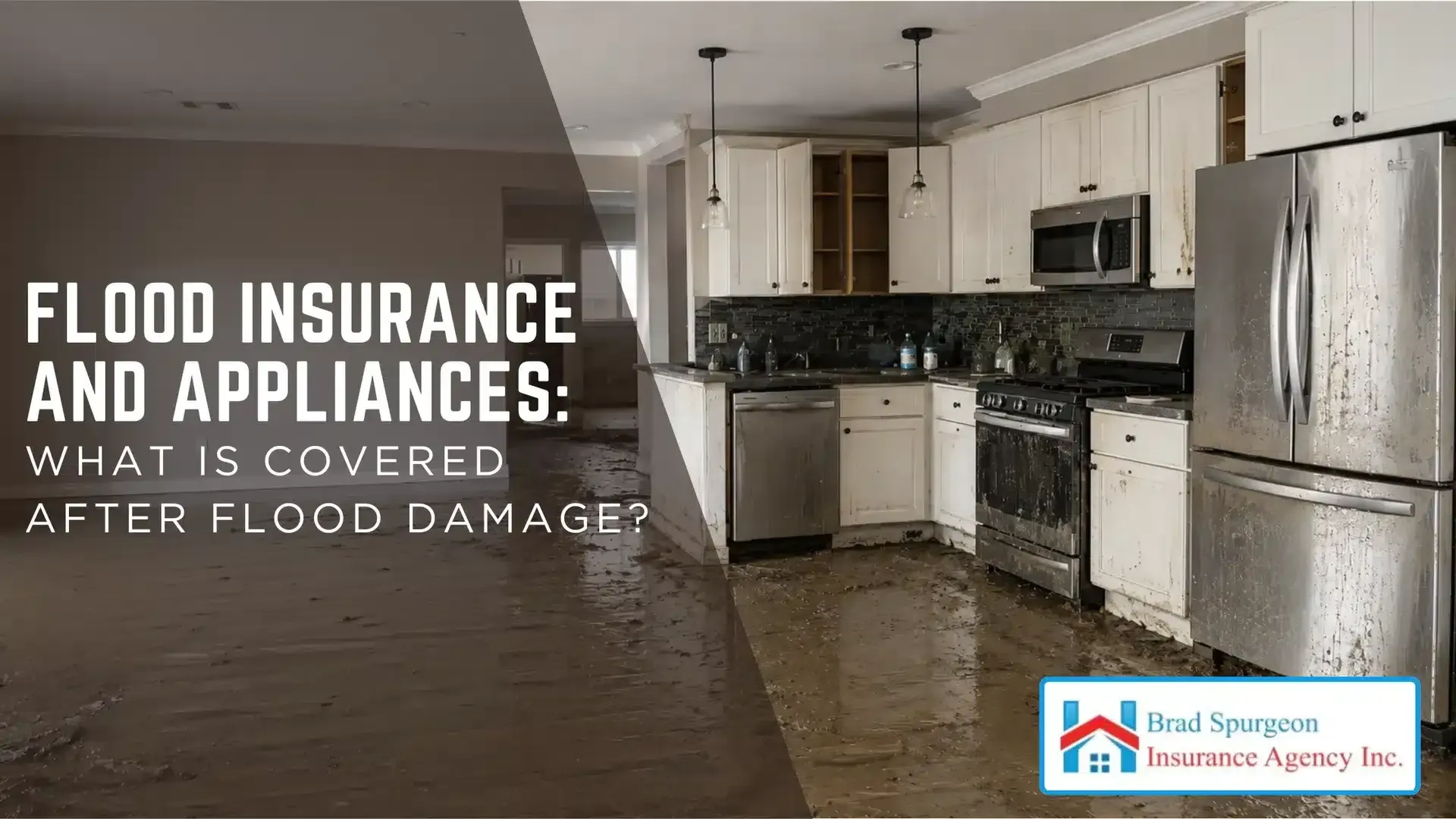
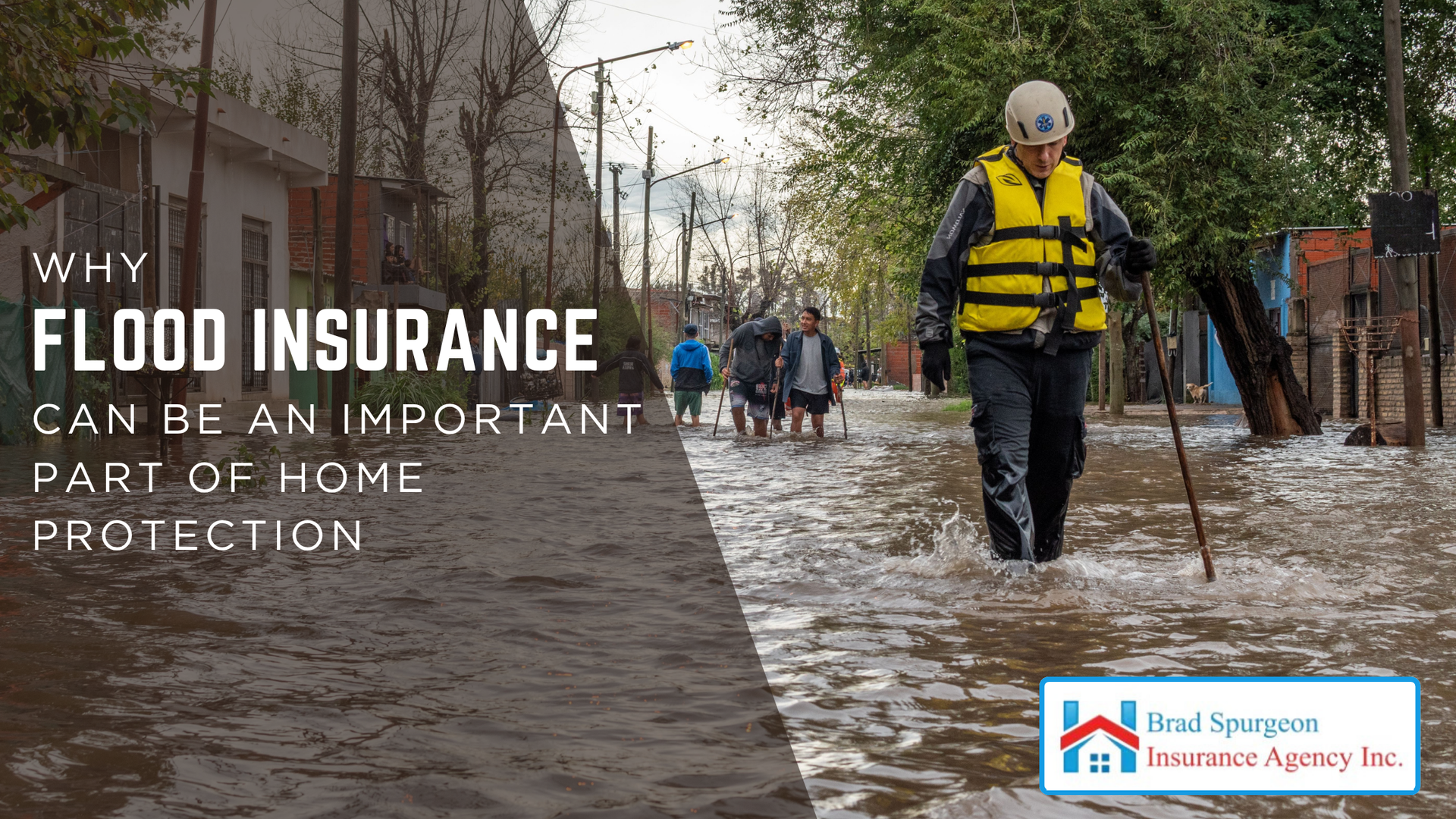
Flood damage can create immediate questions about what can be repaired, what must be replaced, and which parts of the home are actually covered. For homeowners in Texas City, TX, appliances can be a major concern after rising water enters the property because coverage depends on the type of policy, the appliance, and where it was located.
Why Appliance Coverage After A Flood Can Be Confusing
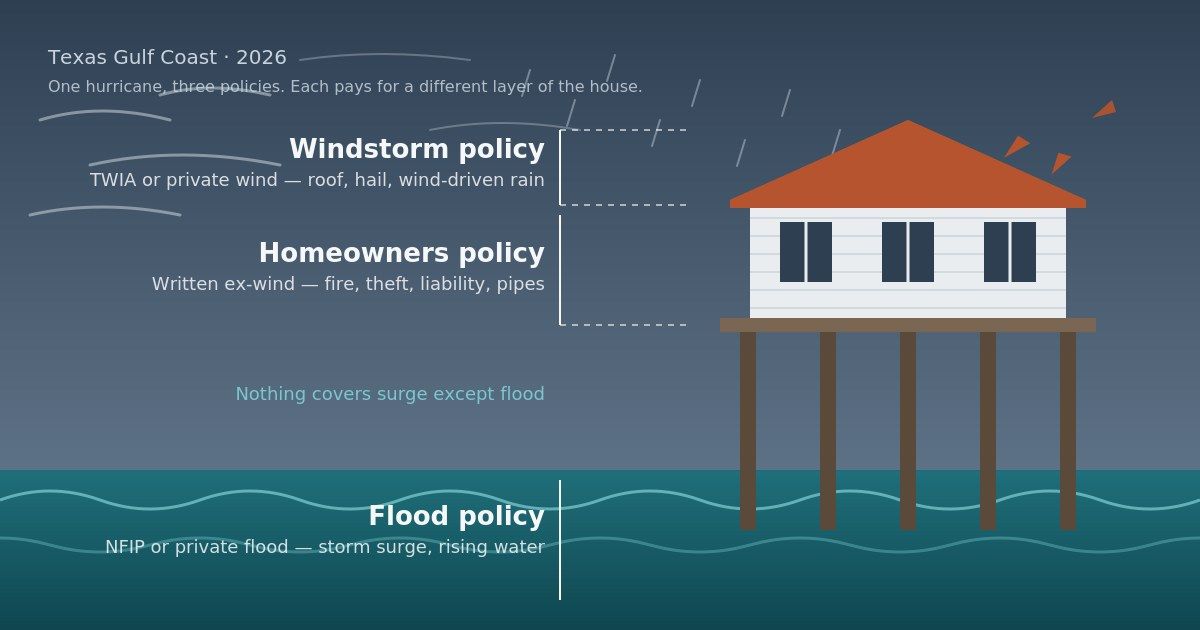
Flood insurance is different from standard homeowners insurance. A typical homeowners policy usually does not cover damage caused by flooding from rising water, storm surge, overflowing bodies of water, or surface water entering the home. Flood insurance is usually purchased separately.
When appliances are damaged by floodwater, the answer depends on the flood policy’s coverage parts. Some appliances may fall under building property coverage, while others may fall under personal property coverage. Some may be covered only if they are installed or located in a covered area.
In our work with clients, a common issue we see is that homeowners assume every appliance in the home is treated the same way. In reality, a built-in dishwasher may be handled differently than a portable freezer, and a central air conditioning unit may be treated differently than a countertop appliance.
How Flood Insurance Generally Separates Coverage
Flood policies typically separate coverage into two main categories: building property and personal property. Understanding the difference is important because appliances may fall into either category.
Building Property Coverage
Building property coverage generally applies to the structure of the home and certain items considered part of the building. This may include permanently installed systems and built-in appliances.
Depending on the policy, building property coverage may apply to items such as:
- Built-in dishwashers
- Built-in ovens or ranges
- Built-in microwaves
- Permanently installed cabinets
- Central air conditioning equipment
- Furnaces or water heaters
- Electrical and plumbing systems
- Sump pumps, if covered under the policy terms
These items are often viewed as part of the home because they are attached, installed, or integrated into the property.
Personal Property Coverage
Personal property
coverage generally applies to belongings inside the home. Appliances that are not built in may fall under this category.
Examples may include:
- Refrigerators
- Clothes washers
- Clothes dryers
- Portable microwaves
- Small kitchen appliances
- Standalone freezers
- Dehumidifiers
- Window air conditioning units
Personal property coverage is usually optional under many flood insurance arrangements, so homeowners should verify whether they purchased it. Having building coverage alone may not be enough to cover damaged contents.
Appliances Commonly Affected By Flood Damage
Floodwater can damage appliances in several ways. Electrical components may short out, motors may corrode, insulation may become contaminated, and internal parts may be exposed to mud, bacteria, or saltwater.
Appliances commonly affected include refrigerators, washers, dryers, water heaters, HVAC equipment, ovens, dishwashers, and freezers. Even if an appliance appears to turn on after a flood, it may not be safe to use until inspected by a qualified professional.
For homes near Galveston Bay or low-lying areas affected by heavy rain and drainage problems, floodwater can create both property damage and safety concerns. Appliances exposed to contaminated water should be handled carefully.
What May Be Covered After Flood Damage
Flood insurance may help pay for covered appliances damaged directly by floodwater, but the coverage depends on the policy. The location of the appliance, whether it is built-in or portable, and whether the homeowner has contents coverage can all matter.
For example, if floodwater damages a built-in dishwasher, the claim may be reviewed under building property coverage. If floodwater damages a washing machine, it may be reviewed under personal property coverage. If the homeowner did not carry personal property coverage, that washing machine may not be covered.
A central air conditioning system may be treated differently from a window unit. The central system may fall under building property coverage, while the window unit may be considered personal property.
What May Not Be Covered
Flood insurance does not cover every appliance-related expense. Some costs may be excluded or limited.
Possible uncovered items may include:
- Appliances damaged by causes other than flooding
- Appliances located outside covered areas
- Damage from wear and tear or poor maintenance
- Temporary loss of use of appliances
- Food spoilage in some situations
- Additional upgrades beyond covered replacement terms
- Mold damage that could have been prevented after the flood
- Appliances in certain below-grade areas, depending on policy restrictions
Homeowners should pay special attention to basements, enclosed areas, garages, and lower-level storage spaces. Flood policies may limit coverage for property located in these areas.
Actual Cash Value And Appliance Claims
Many
flood insurance claims for personal property are paid on an actual cash value basis. That means depreciation may be applied based on the age and condition of the appliance.
For example, if a ten-year-old washer is damaged by floodwater, the claim payment may not equal the cost of buying a brand-new washer. Instead, the settlement may reflect the appliance’s depreciated value, subject to policy terms and limits.
This can surprise homeowners who expect full replacement cost. Reviewing the valuation method before a loss can help set realistic expectations.
Steps To Take After Appliances Are Flooded
After a flood, safety should come first. Do not use appliances that were exposed to water until they have been inspected. Floodwater can create electrical hazards, contamination risks, and hidden mechanical damage.
A practical checklist includes:
- Turn off power if it is safe to do so.
- Avoid plugging in or testing wet appliances.
- Take photos and videos before moving items.
- Record appliance brand, model, serial number, and age.
- Keep purchase receipts or warranty records if available.
- Ask a qualified technician whether repair is safe or practical.
- Save written inspection reports and repair estimates.
- Report the flood claim promptly.
- Keep damaged items until the adjuster provides guidance.
If damaged appliances must be removed for safety or sanitation, document them thoroughly before disposal.
Why Documentation Matters
Appliance claims are easier to support when homeowners have clear documentation. Photos should show the appliance, the waterline, the surrounding damage, and any visible mud, rust, or contamination. Serial numbers and model numbers can help establish value.
If a technician says an appliance is unsafe or not repairable, ask for that opinion in writing. A written report can help clarify why replacement may be necessary.
Home inventories are also valuable. A simple list of major appliances, purchase dates, and estimated costs can save time during a claim. Store the list digitally so it remains available even if paper records are damaged.
How Appliances In Garages Or Enclosures May Be Treated
Many homeowners keep washers, dryers, refrigerators, freezers, or utility equipment in garages or enclosed lower areas. Flood coverage for these spaces may be limited depending on the policy and the elevation of the area.
For example, a freezer stored in a garage may not be treated the same as a built-in appliance inside the main living area. A water heater or HVAC equipment may have different coverage treatment because of how it is installed.
For homeowners in Texas City, TX, this is especially important because coastal and low-elevation properties may have elevated structures, ground-level enclosures, or storage areas with special coverage rules.
How To Review Your Flood Policy Before A Loss
The best time to understand
flood coverage is before water enters the home. Review whether your policy includes both building property and personal property coverage. Then check the limits, deductibles, exclusions, and valuation method.
Ask specific questions such as:
- Are built-in appliances covered under building property?
- Do I have contents coverage for portable appliances?
- Are appliances in the garage or enclosure covered?
- How are appliance claims valued?
- Are there special limits for lower-level areas?
- What documentation is required after a flood?
- Does my homeowners policy provide any separate protection for non-flood water damage?
These questions can help homeowners avoid assuming coverage that may not exist.
Conclusion
Flood insurance may cover certain appliances after flood damage, but the details depend on whether the appliance is built in, portable, located in a covered area, and included under building or personal property coverage. Homeowners should also understand deductibles, actual cash value settlements, and possible restrictions for garages, enclosures, or lower-level spaces.
For homeowners in Texas City, TX, reviewing flood coverage before storm season can make a major difference. A clear policy review, updated appliance inventory, and careful documentation after a loss can help make the claim process more organized and less confusing.
At Brad Spurgeon Insurance Agency Inc., we aim to provide comprehensive insurance policies that make your life easier. We want to help you get insurance that fits your needs. You can get more information about our products and services by calling our agency at (409) 945-4746. Get your free quote today by
CLICKING HERE.
Disclaimer: The information presented in this blog is intended for informational purposes only and should not be considered as professional advice. It is crucial to consult with a qualified insurance agent or professional for personalized advice tailored to your specific circumstances. They can provide expert guidance and help you make informed decisions regarding your insurance needs.
Brad Spurgeon Insurance Agency
Texas City, TX
(409) 945-4746
https://www.privatewindstorm.com/