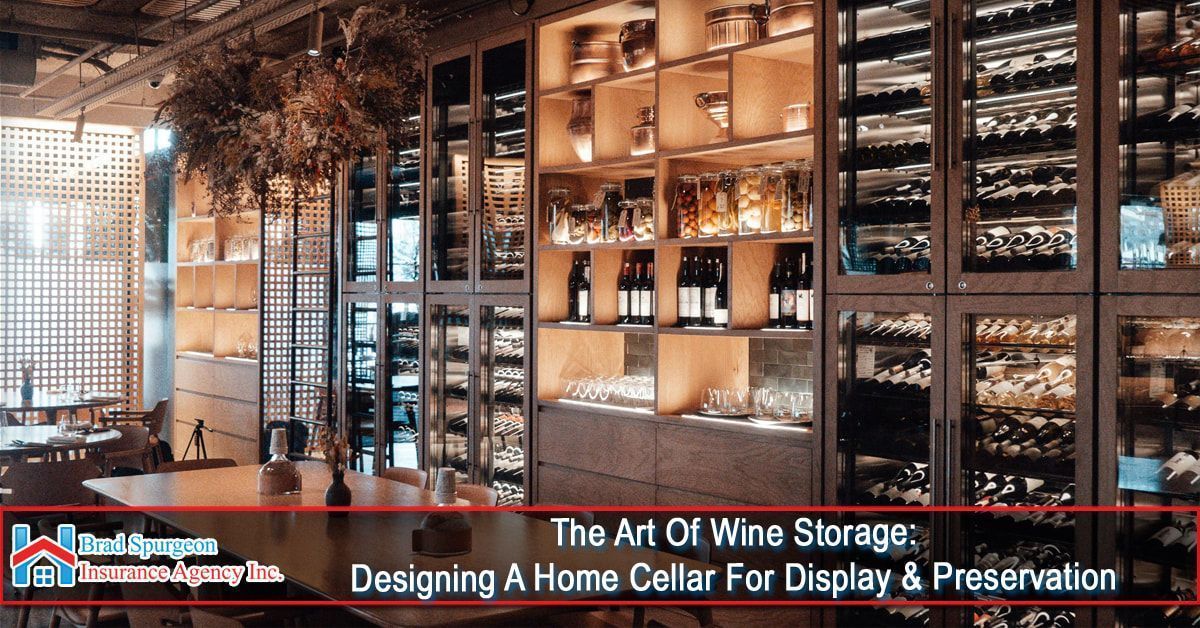

The Art Of Wine Storage: Designing A Home Cellar For Display & Preservation

March 17, 2025


For wine enthusiasts, having a well-designed wine cellar isn’t just about storing bottles—it’s an opportunity to display a passion for fine wines while ensuring they are preserved at optimal conditions. Whether you're an occasional wine drinker or a serious collector, creating the perfect home wine cellar can enhance your wine experience, preserve your collection’s value, and provide a beautiful feature in your home. In this article, we’ll guide you through the essentials of designing a wine cellar for both display and preservation.

The Basics of Wine Storage

Before diving into design, it’s important to understand the fundamental needs of wine storage. Wine requires a stable environment to age gracefully, and this involves controlling temperature, humidity, light, and vibration. Temperature fluctuations can cause a wine's cork to expand and contract, letting air into the bottle and spoiling the wine. Ideally, wine should be stored at a consistent temperature of around 55°F (13°C). Humidity is also key, as it prevents corks from drying out, which can lead to oxidation.


Additionally, wine should be kept in a dark environment. Ultraviolet (UV) light can degrade the wine, causing it to age prematurely or develop off-flavors. Lastly, minimizing vibrations is crucial because even small vibrations can disturb the wine's sediment and affect its aging process.

Step-by-Step Guide to Designing Your Wine Cellar

  1. Location, Location, Location
    The first step in designing your wine cellar is selecting the ideal location. A basement or lower-level room is typically the best option for a wine cellar, as these areas tend to remain cooler and have more stable temperatures than rooms above ground. If a basement isn't available, consider a closet or spare room with good ventilation. Avoid areas near windows, radiators, or any source of heat that could fluctuate the temperature.

  2. Climate Control System
    Installing a climate control system is essential for maintaining the perfect storage environment. A wine cellar refrigeration system will ensure the temperature remains steady, while a humidifier or dehumidifier will help regulate humidity levels. Many modern climate control systems are designed specifically for wine storage, offering features that monitor and adjust the temperature and humidity automatically.

  3. Racking and Shelving
    Wine racks are one of the most important features of any wine cellar. They not only help you store your bottles but also contribute to the aesthetic of the room. Traditional wooden racks made from materials like mahogany or pine offer a rustic, classic feel, while metal racks are perfect for modern and industrial designs. Consider whether you want horizontal or vertical racks—horizontal racks are ideal for keeping wine corks moist and preserving wine over long periods, while vertical racks may be suitable for more casual collections.

    For display purposes, many wine enthusiasts include custom shelving or wine refrigerators that allow for easy access to bottles. If you plan on showcasing rare or prized bottles, invest in high-quality, visible shelving that can also hold bottles at an angle or position them for easy viewing.

  4. Lighting and Ambiance
    While it’s important to keep your wine cellar dark to preserve the wine, you can still add some lighting for ambiance and aesthetics. LED lighting is a great option since it doesn’t emit heat or UV rays. Dim lighting can help create a relaxed, elegant atmosphere for the space, making it feel more like a wine-tasting room. In addition, accent lights can highlight specific collections or display features, drawing attention to unique bottles or artistic elements within the cellar.

  5. Space for Tasting and Enjoyment
    Incorporating a small tasting area within the cellar is a great way to elevate your wine storage setup. A small table, comfortable seating, and even a dedicated bar area can transform the wine cellar from just a storage space into a personal wine retreat. This provides you with a place to sample new bottles and appreciate your collection in a designated, intimate setting.

  6. Security and Protection
    For those with rare or valuable wine collections, security should be a consideration when designing the wine cellar. Installing secure locks, surveillance cameras, or even a wine cellar door with a locking mechanism can provide peace of mind. If your collection is particularly valuable, consider investing in a safe or climate-controlled cabinet for storing high-end wines that may need extra protection.

Wine Cellar Aesthetics: Blending Function with Style

While functionality is key, your wine cellar design should also reflect your personal style. Whether you opt for a traditional cellar with oak racks and wrought-iron features, or a more modern and minimalist design with glass walls and sleek metal shelves, the space should align with your home’s overall aesthetic. You might also consider adding décor that complements your wine collection, such as vintage wine posters, an antique corkscrew, or even an elegant chandelier to highlight the area.

Why Home Insurance Matters for Your Wine Cellar

While a beautifully designed wine cellar is a fantastic investment for wine lovers, it’s important to remember that valuable collections can be at risk from accidents such as fire, theft, or water damage. For this reason, ensuring your wine cellar and collection are covered by home insurance is essential. Most standard homeowner’s policies will cover damage to wine cellars, but you may need to increase your coverage if your collection is particularly valuable.


For high-end or rare collections, consider adding a rider or endorsement to your homeowner's policy, specifically for your wine cellar. This can ensure your wines are fully covered for loss or damage, giving you peace of mind that your investment is protected. You may also want to check with your insurance provider to ensure that your climate control system and structural elements of your cellar are covered as well.

Conclusion

Designing a home wine cellar is an exciting and rewarding project that allows you to store, display, and preserve your wine collection in the best possible conditions. From choosing the perfect location and climate control system to adding stylish racks and lighting, creating a cellar that suits both functionality and aesthetics is key to enhancing your wine experience.


In addition, don’t forget about the importance of home insurance in protecting your investment. Whether it’s the value of the wines themselves or the cellar structure, having the right coverage ensures that your collection is safe from unexpected events. With the right planning and protection, your wine cellar will not only be a stunning addition to your home but also a space where your collection can thrive for years to come.


At Brad Spurgeon Insurance Agency Inc., we aim to provide comprehensive insurance policies that make your life easier. We want to help you get insurance that fits your needs. You can get more information about our products and services by calling our agency at (409) 945-4746. Get your free quote today by CLICKING HERE


Disclaimer: The information presented in this blog is intended for informational purposes only and should not be considered as professional advice. It is crucial to consult with a qualified insurance agent or professional for personalized advice tailored to your specific circumstances. They can provide expert guidance and help you make informed decisions regarding your insurance needs.

Insurance industry steady going into 2026: A positive outlook for life and nonlife
By Brad Spurgeon March 18, 2026
The insurance industry shows stability heading into 2026. Contact us for expert home, flood, & windstorm insurance solutions.
March 17, 2026
Inflation raises home insurance costs because it increases the price of labor, building materials, repairs, and replacement after a covered loss. When it costs more to rebuild a roof, replace flooring, restore water damage, or repair storm-related destruction, insurers usually adjust premiums and coverage calculations
March 17, 2026
Private flood insurance and NFIP flood insurance both protect against flood damage, but they are not built the same way. NFIP policies follow standardized federal rules and coverage limits, while private flood policies may offer higher limits, broader options, and more flexibility depending on the carrier.
Windstorm Insurance “Direct Physical Loss” Explained: How It Impacts Your Claim
March 17, 2026
“Direct physical loss” in windstorm insurance generally means there must be real, physical damage to ..
March 12, 2026
Roof age can directly affect your home insurance premium, eligibility, and claim experience because insurers view older roofs as more likely to suffer damage or fail during severe weather. In many cases, the older the roof, the higher the risk profile, especially if maintenance is unclear or the roofing material is nea
A beach house stands under a dark, stormy sky with wind-blown trees. Text reads:
February 16, 2026
Windstorms are typically categorized by the type of event—thunderstorms and straight-line winds, tropical storms,..
A rainy, evening street scene featuring a coffee shop storefront, with overlay text about business flood insurance.
February 16, 2026
Flood insurance is one of the most important tools for business continuity because a single flood event can shut down operations..
A person in a hard hat inspects a room under renovation, with text about updating windstorm insurance after home repairs.
February 10, 2026
Renovations can quietly create windstorm insurance gaps because they change what your property would cost to rebuild and can introduce new materials, ..
A couple sitting on the floor among moving boxes. Text reads:
February 10, 2026
Renters insurance protects your personal belongings, liability, and temporary living expenses—but it does not insure the building itself.
Two construction workers repair a residential roof under a bright blue sky, with overlaid text about home insurance.
January 14, 2026
Compare comprehensive vs basic auto coverage. Learn key benefits, risks, and how to protect your vehicle from theft, weather, and costly damage.
Show More