
5 Things You Should Understand About A Wind Damage Policy

October 13, 2017
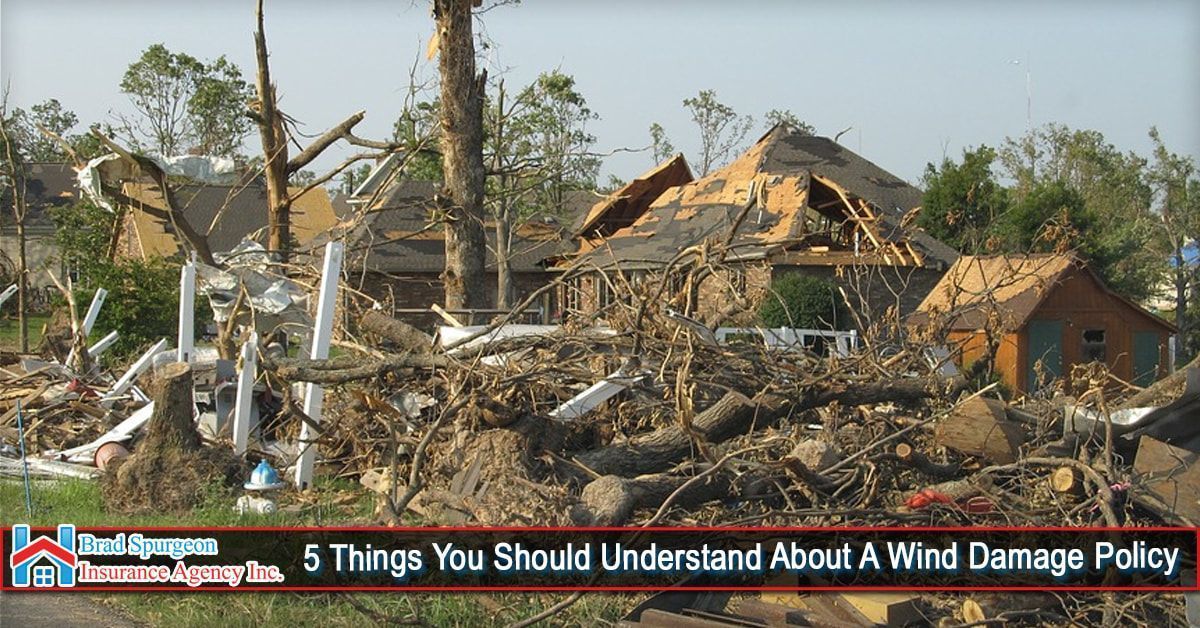
Severe wind damage to a residential neighborhood, with a house roof destroyed and debris scattered in the foreground.


Filing a claim for wind damage insurance is a bit complex. Some policies do not give clear details on the coverage for wind damage. Here are five points that are essential in understanding this policy.


1. The Insurance Company Can Decide Between Roof Repair or Replacement

More often than not, the insurance company will choose the one that costs less. But, it comes with some disadvantages. The majority of insurers will offer you a deal if repair or cosmetic value is the best option. On the other hand, a lot of homeowners prefer to choose the replacement option, especially if their roofs are already discolored and old.


2. Insurance Plans Generally Cover Wind Damage

In case of a storm and anything related to wind, the basic homeowner’s insurance will cover the damages brought on by the wind. When it comes to earthquakes and floods, the insurance company generally does not cover these catastrophic events. But, a public adjuster can provide assistance if you are unable to determine if the damages are caused by a flood or a windy weather.


3. Know the Risks Involved in the Anti-concurrent Causation Clause

Find out it your homeowner insurance policy has integrated an anti-concurrent causation clause. This particular clause indicates that your insurer may deny giving you coverage if two disasters happen and you are covered to only one. For example, there is flood in your house and a strong wind also blows your roof away, your insurance carrier may refuse to pay for the damages because flooding is not in your policy.


4. Choose Local Contractors to Do Repairs over Outside Contractors

Oftentimes, contractors across the country travel to regions where a windstorm recently strikes. Their purpose; to try to make money on the insurance claims. In addition, these contractors do not provide the best services. This means that it is better to work with a reputable service provider within your locality.


5. Texas Home Insurance Companies Do Not Usually Cover Wind Damage

While wind coverage is standard in all insurance policies in the majority of states, it is not the case in Texas. You may ask the insurer to include wind damage in your policy, you will likely be charged for an additional pay. In some cases, the insurance company will not allow their policyholders any type of wind damage. If you live in Texas, make sure you understand the coverage of your homeowners’ insurance policy.


In case of wind damage, make sure to talk to an insurance agent to take advantage of this policy. At the Brad Spurgeon Insurance Agency, our mission is to ensure that we protect are clients and offer them policies that they can afford. Learn more about our products and services by calling our agency at (409) 945-4746. You can also request for a free quote by CLICKING HERE.

September 15, 2026
If you own a home in Texas City, you already know windstorm insurance isn't optional, and you've probably felt the sting of the premium on your renewal notice. Years of active hurricane seasons along the Gulf have pushed rates higher across the board, but that doesn't mean you're stuck accepting whatever number your ca
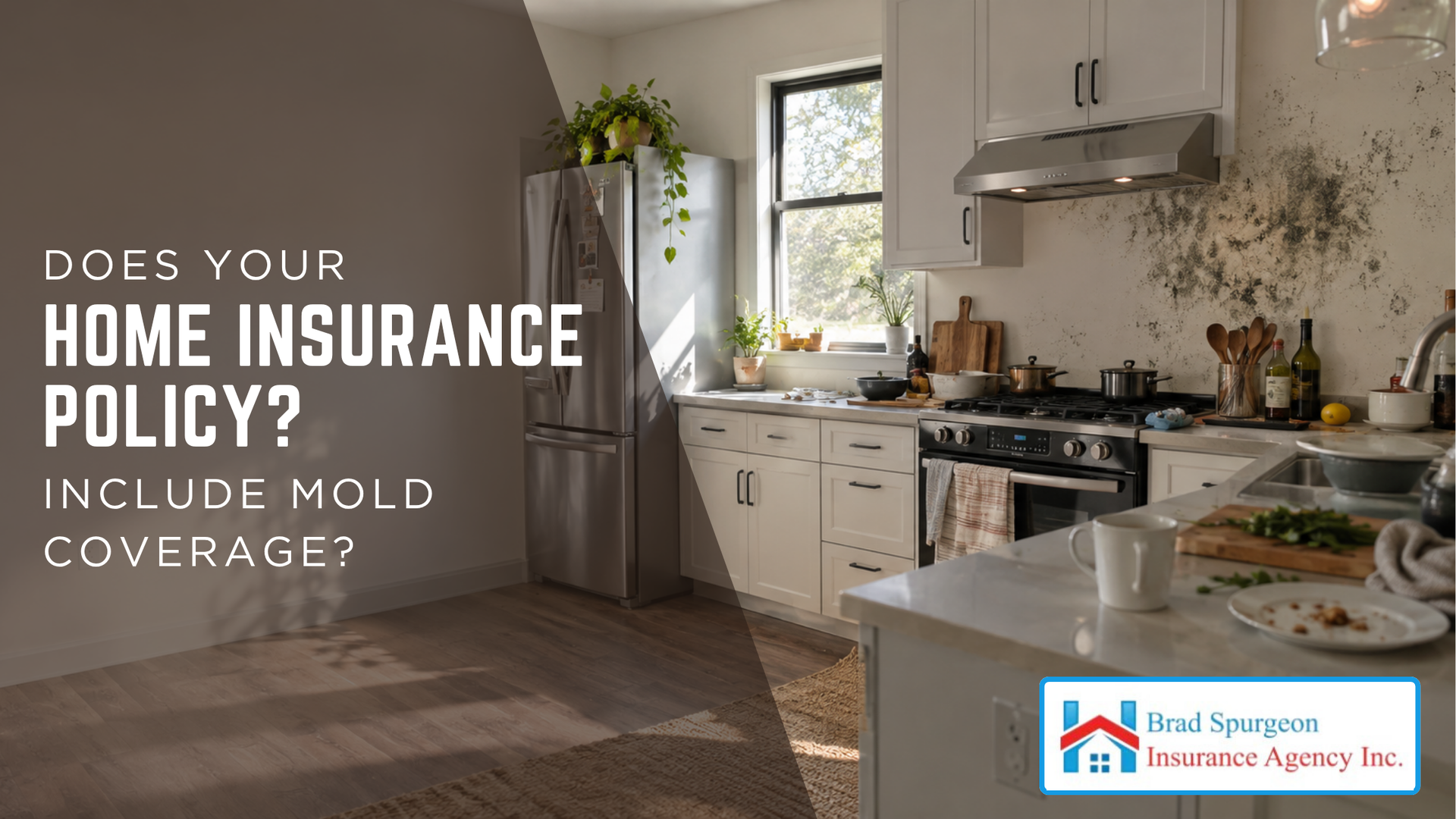
A damaged, peeling wall with dark mold growth
September 9, 2026
Mold has a way of showing up in Texas City homes when you least expect it, and Gulf Coast humidity doesn't make it any easier to avoid. Between hurricane-season moisture, everyday humidity, and the occasional leaky pipe or roof, it's one of the more common issues local homeowners run into, and also one of the more misu

September 9, 2026
Owning a home along the Texas Gulf Coast means living with a level of risk most inland homeowners never think twice about. Between hurricane season, hail storms rolling in off the Gulf, and the ever-present threat of flooding after a heavy rain, a homeowners policy here has to work harder than it does almost anywhere e
September 9, 2026
Most Texas City homeowners assume that if their house takes on water, their homeowners policy has them covered. It doesn't, and finding that out mid-claim is one of the most expensive surprises a Gulf Coast homeowner can face. Flood damage is excluded from every standard homeowners and commercial property policy in the
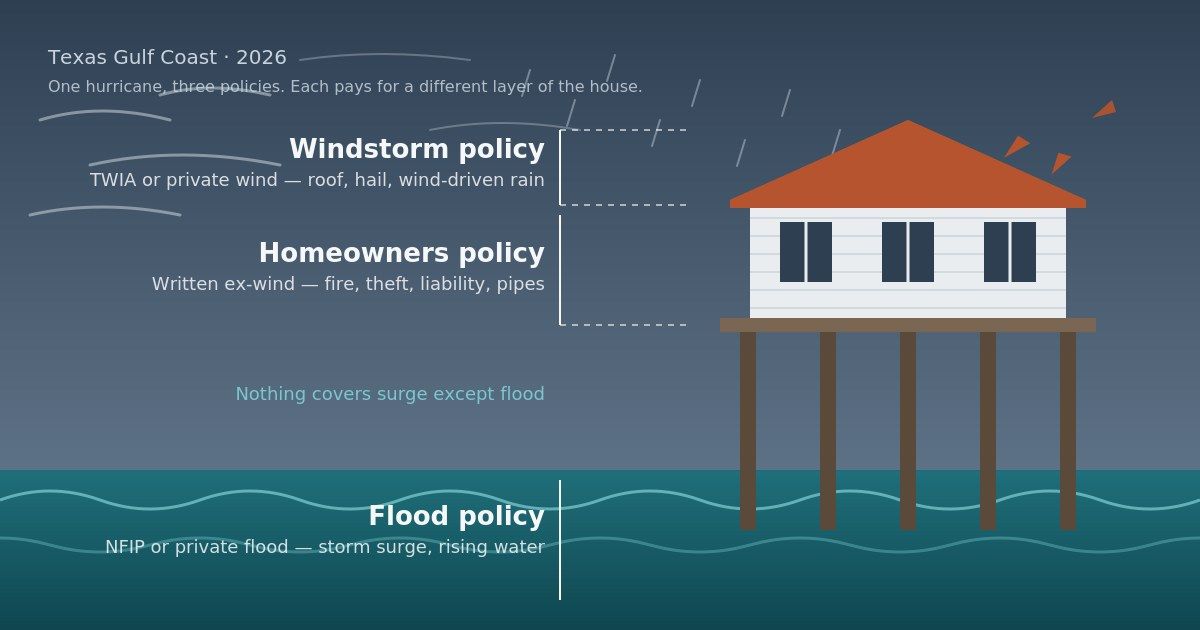
Home, homeowners, and flood policy comparison over a flooded house illustration
September 7, 2026
How Texas coastal homeowners actually get hurricane coverage: TWIA 2026 limits, the declination rule, WPI-8 certificates, named-storm deductibles, and the flood policy that pays for surge. Written by a Gulf Coast agent.
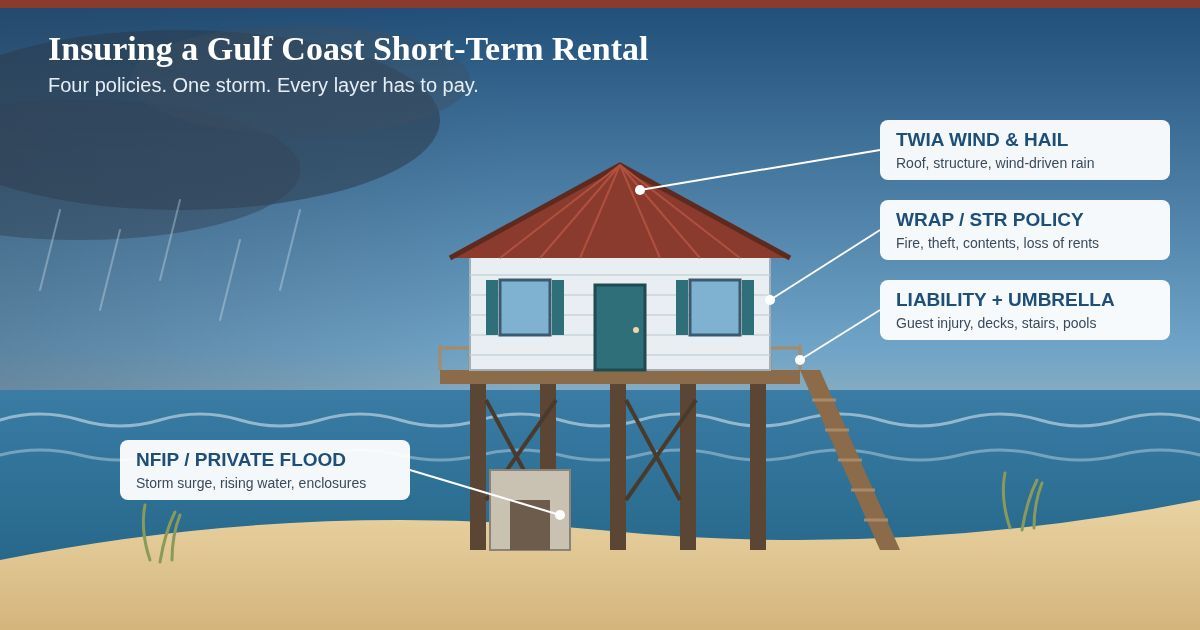
Flooded beach house on stilts with roof damage and insurance claim callouts about a Gulf Coast short-term rental
September 7, 2026
How to insure a Galveston, Crystal Beach, Surfside, or Port Aransas short-term rental: TWIA wind, NFIP flood, Fire & Liability policy, from an experienced local Gulf Coast Insurance agent.
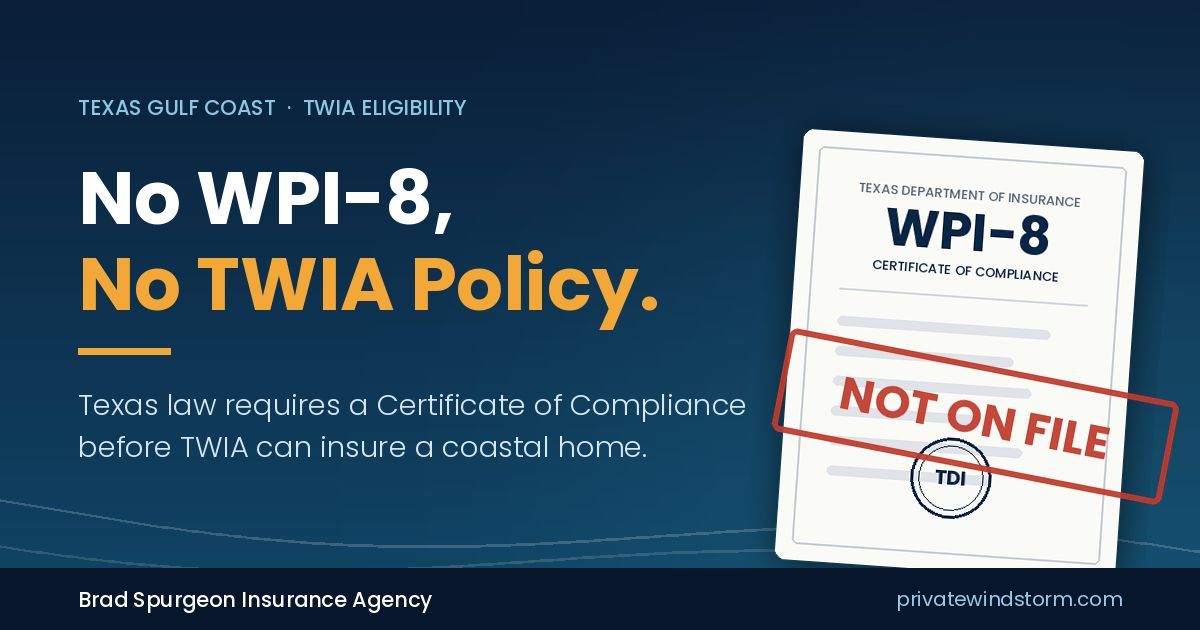
August 25, 2026
Learn why TWIA requires WPI-8 certification, which Texas coastal homes need it, key exceptions, and what to do if your certificate is missing.

A smiling parent sits on a couch and lifts a happy young child
August 19, 2026
Kids explore everything, and that curiosity is part of what makes childhood fun — but it also means everyday spaces in your home can hide risks you might not think twice about as an adult. A few thoughtful changes around the house can prevent the kinds of accidents that send families to the emergency room every year.
A view of two suburban houses
August 17, 2026
It's a question we hear often in Texas City, especially once a tropical system starts showing up in the forecast: can I still get flood insurance now, or is it too late? The honest answer is that it depends on your policy type and timing, and understanding how flood insurance waiting periods work can save you from a co
An American Red Cross emergency kit with supplies like water, a flashlight, goggles, and a poncho for flood survival.
August 10, 2026
Living near the Texas Gulf Coast means flooding isn't a rare or distant threat — it's a real possibility every hurricane season, and sometimes even after a heavy afternoon thunderstorm. Whether you're right along the water or a few miles inland, knowing how to prepare, evacuate, and recover safely can make all the diff
Show More