Wonderful Tips on how to shop for Flood Insurance

May 23, 2017
Picture

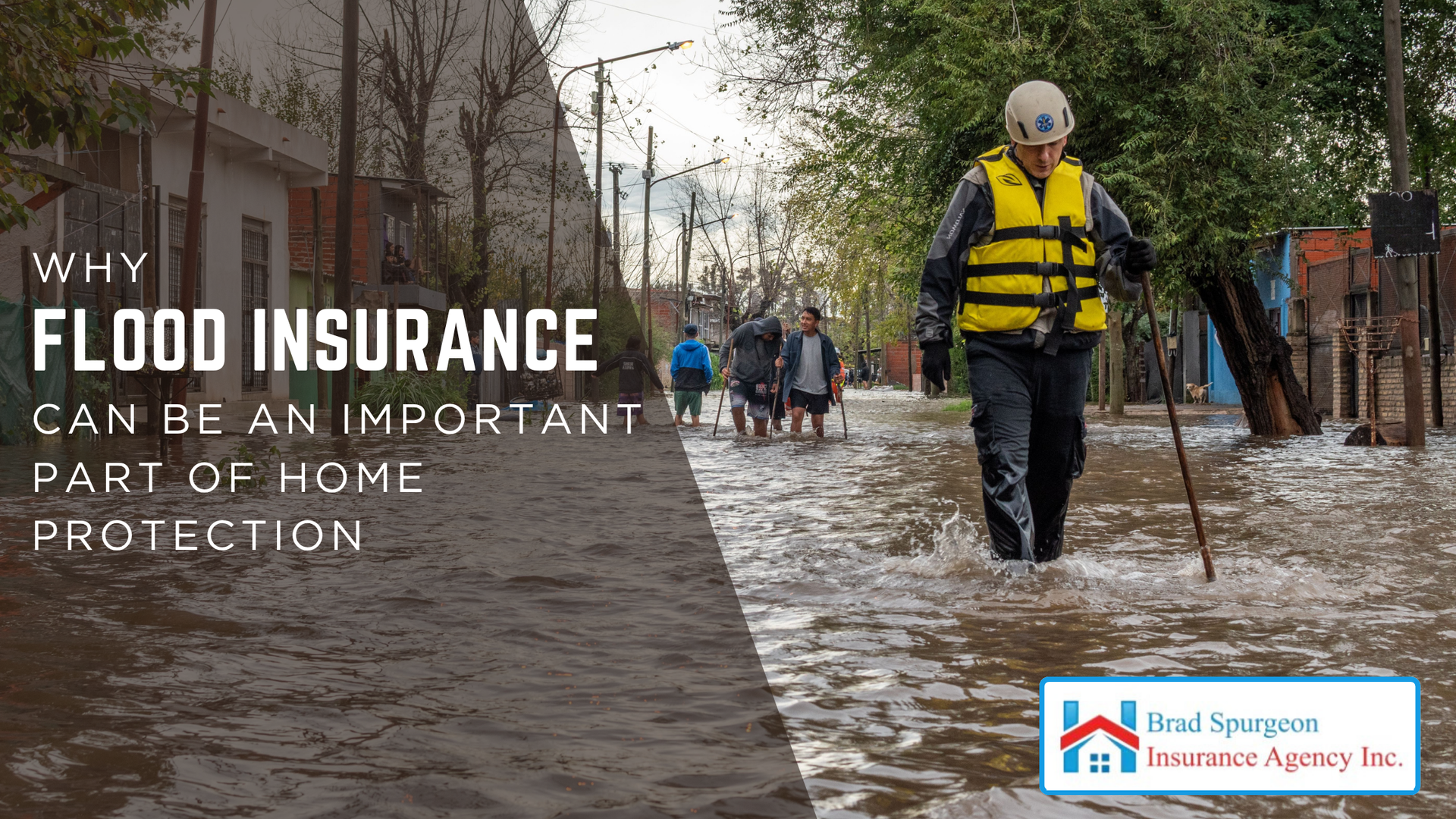
​Flood damage occurs in ninety percent of all the natural disasters in the United States. Whenever people purchase homeowner’s insurance, they should consider also getting flood insurance. Whether you live near or far from the coastline, the location of your property may still have a moderate to high risk for floods.

​Here are five tips that you should consider whenever you purchase flood insurance as protection for your home.


1) Study and understand the basics of Flood Insurance
 

The federal government gives flood insurance to businesses, homeowners, and renters through the NFIP or National Flood Insurance Program. However, there are limits on how much protection it will give. In general, there are two different policies when you purchase flood insurance coverage: the contents coverage reimburses loss in possessions, and the primary coverage reimburses home damage.


Residential properties usually have a limit of $250,000 for essential coverage. However, renters and homeowners may still insure the contents for up to $100,000.


Flood insurance is optional for people who own their homes. Individuals who live in places that have a high risk of flooding or those who have an insured lender or federally regulated mortgage may be required by a lender to purchase a policy. Homeowners usually have to wait for thirty days before that policy takes effect.


2) Check if you need additional private coverage

Flood insurance coverage through NFIP is relatively cheap compared to to private insurers, so most homeowners purchase their coverage from the government. They keep the prices low because they do not adequately price the flood risk. Private insurers, on the other hand, sell flood insurance that is not broadly available so they can be more expensive compared to the NFIP coverage, but you’re likely to get better coverage.


Homeowners can purchase a different policy from private insurers alongside the NFIP policy so that damages above the coverage limits of NFIP will be under coverage.


3) Check if you are qualified to get a preferred rate

The cost of flood insurance may be influenced by several factors such as:


  • Your chosen deductible amount
  • The elevation level and location of your property
  • The flooding risk in the area
  • The items you wanted under coverage
  • The value of your purchased insurance


As per NFIP, the average flood insurance policy may amount to $650 yearly. This price may be significantly affected by your property's location. For example, if your house is in a low to moderate risk area, you may qualify for a combination of contents and building contents policy at a better rate compared to people who live in high-risk areas that may have a higher price. Homeowners in high-risk areas should get a standard-rate policy.


4) Check what is and what isn’t covered

Whenever a flood happens, and you have coverage for your building, the foundation and structure of your house are under protection as well as the plumbing and electrical systems.


Other things that are covered typically include:


  • Permanently installed cabinets, window blinds, bookcases, wallboard, paneling, and carpeting.
  • Garages are typically insured up to 10% of the limit for building property coverage
  • Refrigerators
  • Water heaters, central air conditioners, and furnaces
  • Content coverage cover items like valuables (artwork and furs), electronic equipment, furniture, and clothing.


Things that are not under coverage:


  • Damages that came from mold, mildew, and moisture that the homeowner could prevent.
  • Items that are found surrounding the insured structure. It includes swimming pools, trees, decks, and patios.
  • Losses caused by drain or sewer backup (for this, you will have to purchase a drain and sewer backup that needs an endorsement to your homeowner's policy)


5) Coverage for the Basement

Consider the basement as a place that is most at risk for damage from the flood. Homeowners who use their basements as apartments that have living rooms and kitchens may find it difficult to get flood insurance protection for this place.


The basement coverage can be very limited and include the protection of the circuit breakers, water heater or furnace. It also includes some items like the freezers and washers. Basements are not qualified for flood coverage including the personal belongings, walls, floors and ceilings there.


If you have queries regarding the flood damage insurance policy, let us know how we can help you. Go to our office today or call us at 409-945-4746. Brad Spurgeon Insurance Agency will provide you with the best rates and customer service. Click here to get a free quote from us.

Insurance industry steady going into 2026: A positive outlook for life and nonlife
By Brad Spurgeon March 18, 2026
The insurance industry shows stability heading into 2026. Contact us for expert home, flood, & windstorm insurance solutions.
March 17, 2026
Inflation raises home insurance costs because it increases the price of labor, building materials, repairs, and replacement after a covered loss. When it costs more to rebuild a roof, replace flooring, restore water damage, or repair storm-related destruction, insurers usually adjust premiums and coverage calculations
March 17, 2026
Private flood insurance and NFIP flood insurance both protect against flood damage, but they are not built the same way. NFIP policies follow standardized federal rules and coverage limits, while private flood policies may offer higher limits, broader options, and more flexibility depending on the carrier.
Windstorm Insurance “Direct Physical Loss” Explained: How It Impacts Your Claim
March 17, 2026
“Direct physical loss” in windstorm insurance generally means there must be real, physical damage to ..
March 12, 2026
Roof age can directly affect your home insurance premium, eligibility, and claim experience because insurers view older roofs as more likely to suffer damage or fail during severe weather. In many cases, the older the roof, the higher the risk profile, especially if maintenance is unclear or the roofing material is nea
A beach house stands under a dark, stormy sky with wind-blown trees. Text reads:
February 16, 2026
Windstorms are typically categorized by the type of event—thunderstorms and straight-line winds, tropical storms,..
A rainy, evening street scene featuring a coffee shop storefront, with overlay text about business flood insurance.
February 16, 2026
Flood insurance is one of the most important tools for business continuity because a single flood event can shut down operations..
A person in a hard hat inspects a room under renovation, with text about updating windstorm insurance after home repairs.
February 10, 2026
Renovations can quietly create windstorm insurance gaps because they change what your property would cost to rebuild and can introduce new materials, ..
A couple sitting on the floor among moving boxes. Text reads:
February 10, 2026
Renters insurance protects your personal belongings, liability, and temporary living expenses—but it does not insure the building itself.
Two construction workers repair a residential roof under a bright blue sky, with overlaid text about home insurance.
January 14, 2026
Compare comprehensive vs basic auto coverage. Learn key benefits, risks, and how to protect your vehicle from theft, weather, and costly damage.
Show More