
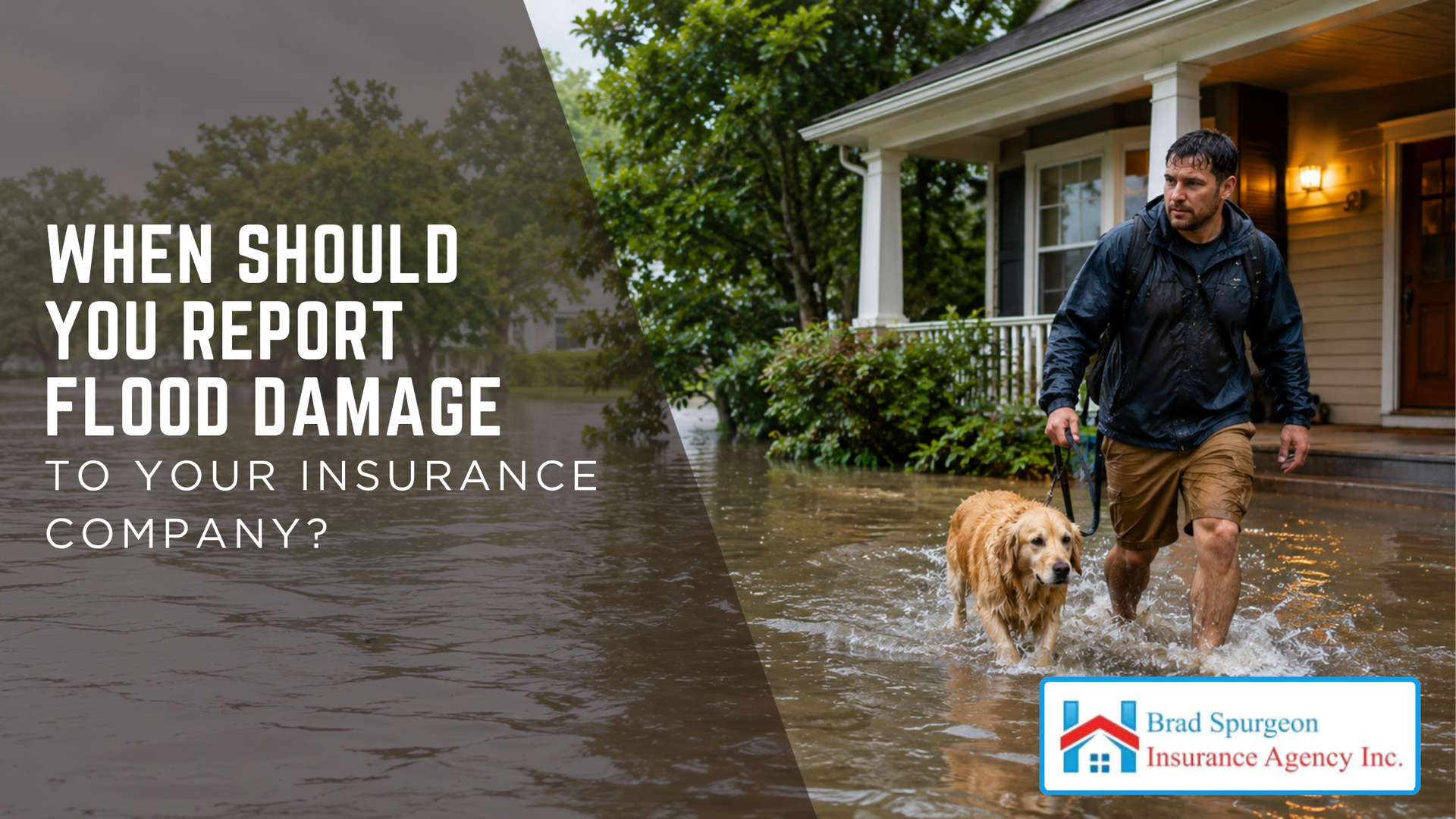
When Should You Report Flood Damage to Your Insurance Company?

November 11, 2026

This is a subtitle for your new post

Flooding can cause extensive property damage, leaving homeowners with important decisions about repairs, documentation, and insurance claims. For residents of Texas City, TX, understanding when to report flood damage is especially valuable because coastal storms and heavy rainfall can create unexpected flooding risks. Knowing the reporting process and important deadlines can help homeowners protect their interests and avoid unnecessary complications.


How Soon Should You Report Flood Damage?

Homeowners should report flood damage to their insurance company as soon as possible after discovering the loss and ensuring their immediate safety.


Prompt reporting allows the insurer to begin the claims process, assign an adjuster, and explain the documentation needed to evaluate the damage.


You do not need to complete repairs or determine the full extent of the damage before contacting your insurance provider.


Even if floodwaters prevent immediate access to your property, you can generally begin the reporting process by telephone or through your insurer's online claims system.


Early communication also helps establish a record of the incident and provides an opportunity to clarify applicable policy requirements.


What Are the Deadlines for Filing a Flood Insurance Claim?

Flood insurance deadlines depend on the type of policy and insurance provider.


National Flood Insurance Program Requirements

The National Flood Insurance Program (NFIP), administered by FEMA, generally requires policyholders to submit a signed and sworn Proof of Loss within 60 days of the flood.


This document identifies the amount being claimed and includes supporting information about the damage.


It is important to distinguish between reporting a flood and submitting a Proof of Loss.


Reporting initiates the claim, while the Proof of Loss formally documents the amount requested for payment.


FEMA may extend the deadline following certain disasters, but homeowners should never assume an extension applies without official confirmation.


Private Flood Insurance Requirements

Private flood insurance policies may establish different notification periods, documentation procedures, and claim submission deadlines.


Policyholders should review their contracts carefully and contact their insurers immediately after discovering damage.


Missing a required deadline could affect claim eligibility or payment, depending on the policy and applicable law.


What Information Should You Provide When Reporting Flood Damage?

Having accurate information available can make the reporting process more efficient.


Homeowners should prepare:

  • Policy information: Insurance company name and policy number, if available.
  • Date of loss: When flooding occurred or damage was discovered.
  • Damage description: A preliminary summary of affected rooms, structures, and belongings.
  • Photographs and videos: Visual documentation of floodwater levels and damaged property.
  • Contact information: Current telephone number and temporary address if displaced.
  • Expense records: Receipts for emergency services and necessary protective measures.


For homeowners in Texas City, TX, maintaining accessible digital copies of insurance documents can be particularly helpful during hurricane season.


Properties near the Texas City Dike may experience coastal flooding during significant storm events, making advance preparation especially valuable.


What Should Homeowners Do Before the Insurance Adjuster Arrives?

After reporting the loss, homeowners should take reasonable steps to prevent additional damage when conditions are safe.


Photograph affected areas before beginning significant cleanup.


Separate damaged belongings from undamaged property and prepare an inventory of affected items.


If contaminated materials must be discarded for health or safety reasons, document them thoroughly and retain samples when practical.


Avoid making permanent repairs before discussing the claim with your insurer, unless immediate work is necessary for safety or to prevent further damage.


Keep detailed records of conversations with insurance representatives, including dates, names, and instructions.


Homeowners near Bay Street Park should also consider documenting exterior waterlines and drainage conditions when safely accessible.


Can You Report Additional Flood Damage After Filing a Claim?

Some damage becomes apparent only after floodwaters recede or restoration work begins.


If additional damage is discovered, notify the insurance adjuster or company promptly.


For NFIP policies, additional payment requests generally require supporting documentation and may require another Proof of Loss within the applicable deadline.


Homeowners should ask about any authorized extensions and procedures for supplemental payments.


Keeping organized records throughout the restoration process can help support these requests.


Conclusion

Reporting flood damage promptly is one of the most important steps homeowners can take after a flooding event.


NFIP policyholders generally must submit a completed Proof of Loss within 60 days, while private flood insurance policies may follow different requirements.


Understanding reporting procedures, documenting property damage, and maintaining communication with the insurer can help homeowners navigate the claims process more effectively.


At Brad Spurgeon Insurance Agency Inc., we aim to provide comprehensive insurance policies that make your life easier. We want to help you get insurance that fits your needs. You can get more information about our products and services by calling our agency at (409) 945-4746. Get your free quote today by CLICKING HERE. 


Disclaimer: The information presented in this blog is intended for informational purposes only and should not be considered as professional advice. It is crucial to consult with a qualified insurance agent or professional for personalized advice tailored to your specific circumstances. They can provide expert guidance and help you make informed decisions regarding your insurance needs.


Brad Spurgeon Insurance Agency

Texas City, TX

(409) 945-4746

https://www.privatewindstorm.com/

November 11, 2026
Living along the Texas Gulf Coast means preparing for powerful winds, hurricanes, and unpredictable weather conditions. For homeowners in Texas City, TX, having windstorm insurance is an important step, but understanding additional coverage options can make a meaningful difference. Windstorm insurance riders may provid
November 10, 2026
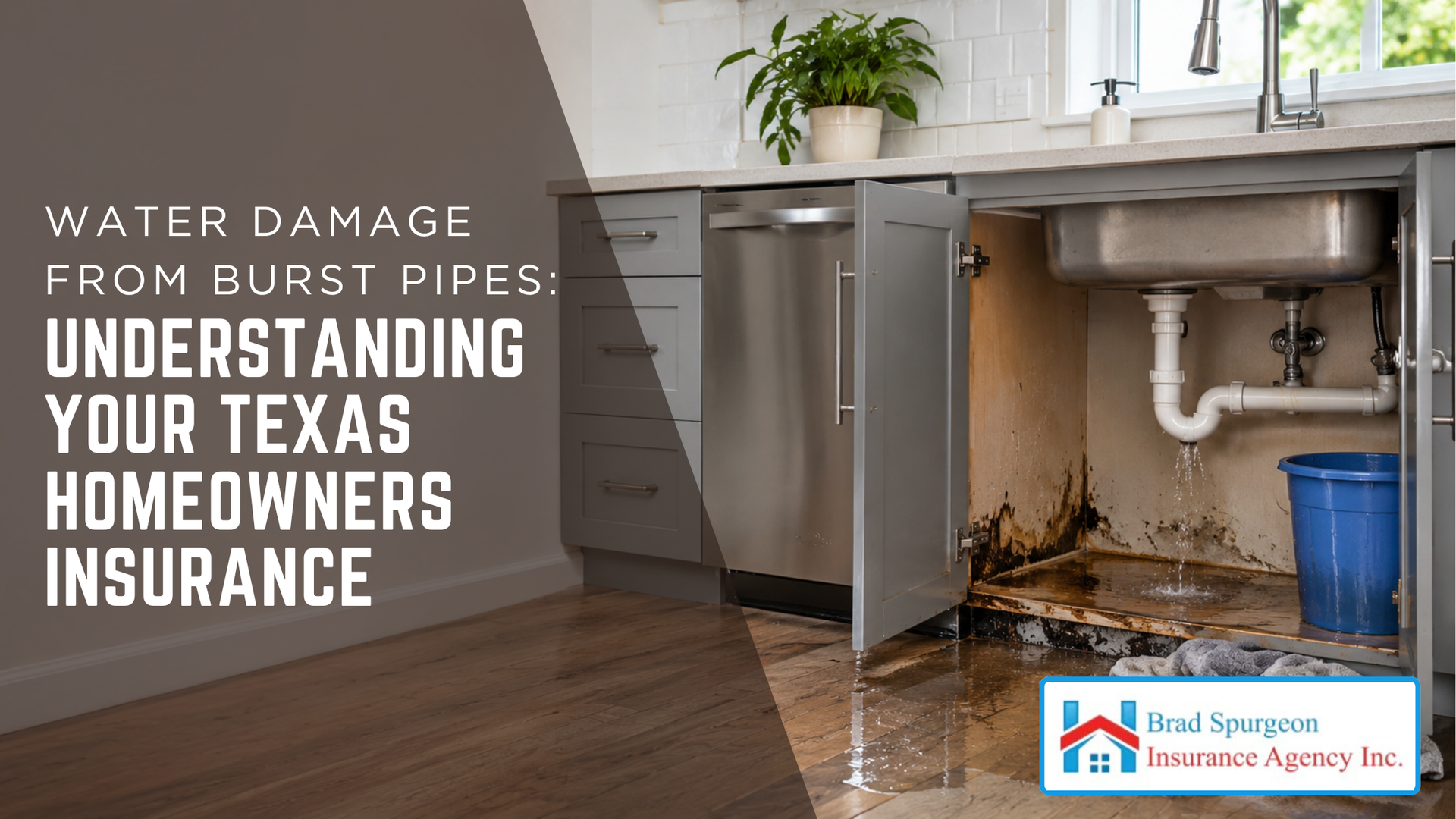
A burst pipe can release significant amounts of water into a home, damaging floors, walls, furniture, and personal belongings within minutes. For homeowners in Texas City, TX, understanding how insurance responds to unexpected plumbing problems is an important part of protecting their property. Knowing which types of w
November 10, 2026
Protecting a home along the Texas Gulf Coast requires understanding how different insurance policies respond to property damage. For homeowners in Texas City, TX, comparing homeowners insurance and windstorm insurance is especially important because coastal properties may have unique coverage requirements. Knowing how
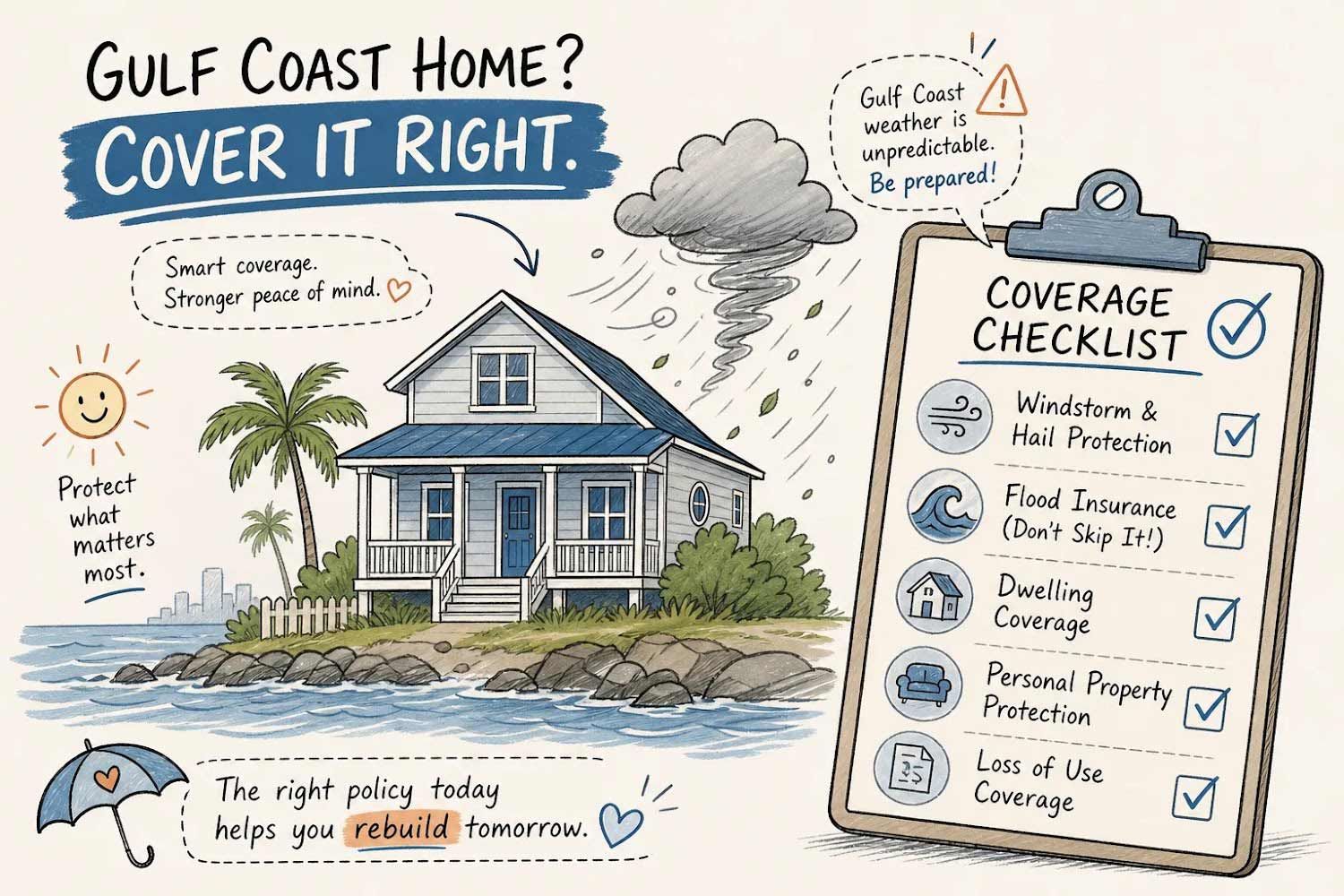
Illustrated coastal home under storm clouds with roof and drainage checklist for hurricane preparedness
By Brad Spurgeon • November 2, 2026
When buying on the Gulf Coast, understanding home owners insurance in Texas is essential, because a standard HO-3 policy covers fire, theft, and many everyday perils, but excludes windstorm, hail, and flood in most coastal counties. That means a single hurricane can trigger three separate claims under three separate policies, and if you only carry one policy, two of those losses come out of your own pocket. This checklist walks through what each layer covers, what it costs in 2026, and which option closes all three gaps most efficiently. Whether you're closing on a home next week or reviewing a policy you've had for years, the sequence below gives you a clear path forward.
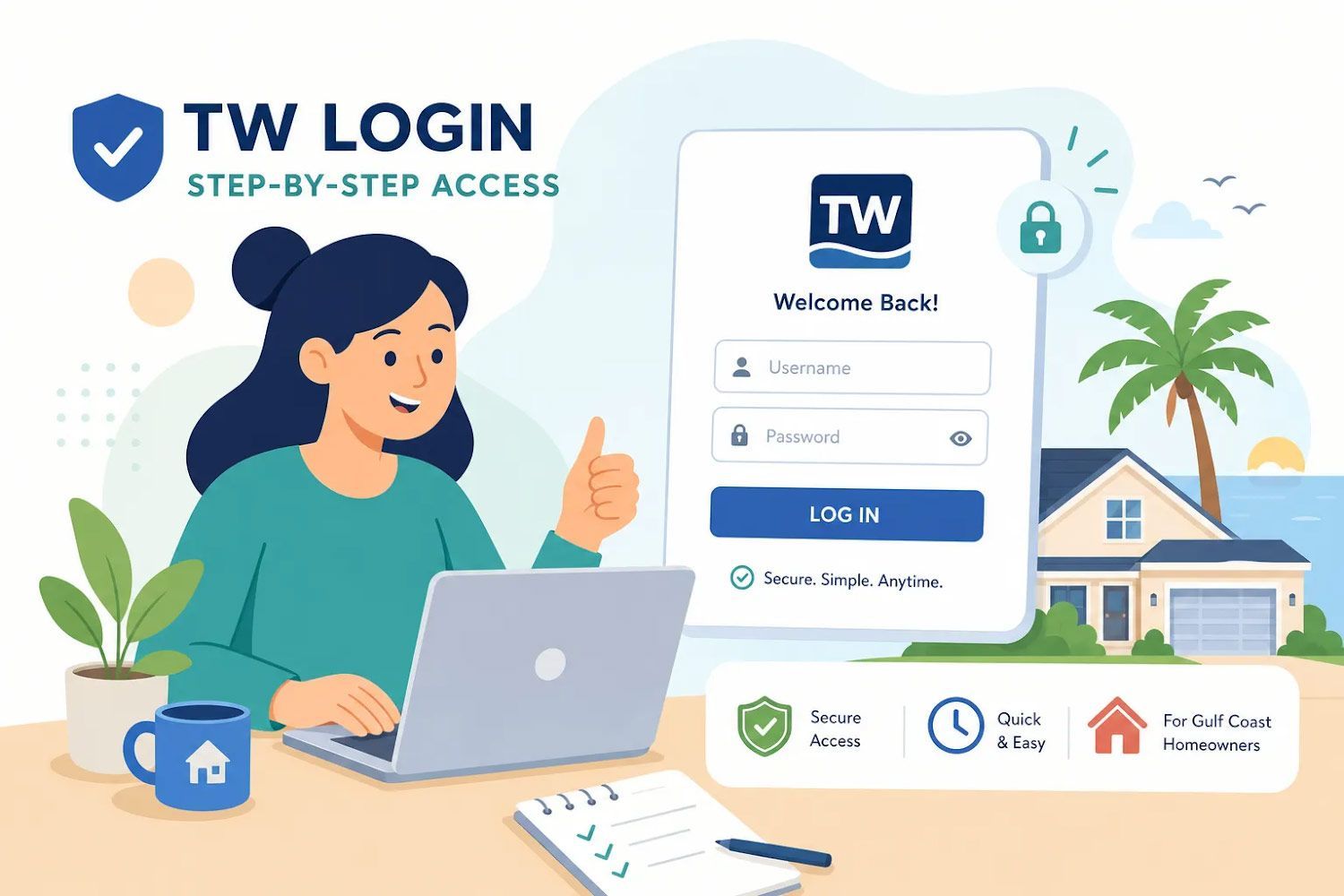
TW login screen with woman at laptop, smiling and pointing at a sign-in panel with security icons and house illustration
By Brad Spurgeon • November 2, 2026
If you're searching for a TW login and you live on the Texas Gulf Coast, you're likely trying to reach one of two portals: the Texas Windstorm Insurance Association (TWIA) policyholder site or your insurance agency's online client account. TWIA uses "TW" prominently in its name and branding, and it's the essential portal for managing windstorm and coastal home coverage. Knowing which portal you need, and what to expect at the sign-in screen, makes the whole process much simpler. This guide covers the most common TW portals Gulf Coast homeowners land on, how to log into each one, how to fix errors that block access, how to recover a forgotten password, and how to verify you're on a legitimate page before you type a single credential. And if you still can't get through, Brad Spurgeon Insurance Agency Inc., a third-generation family-owned agency serving the Texas Gulf Coast since 1986, can walk you through it directly.
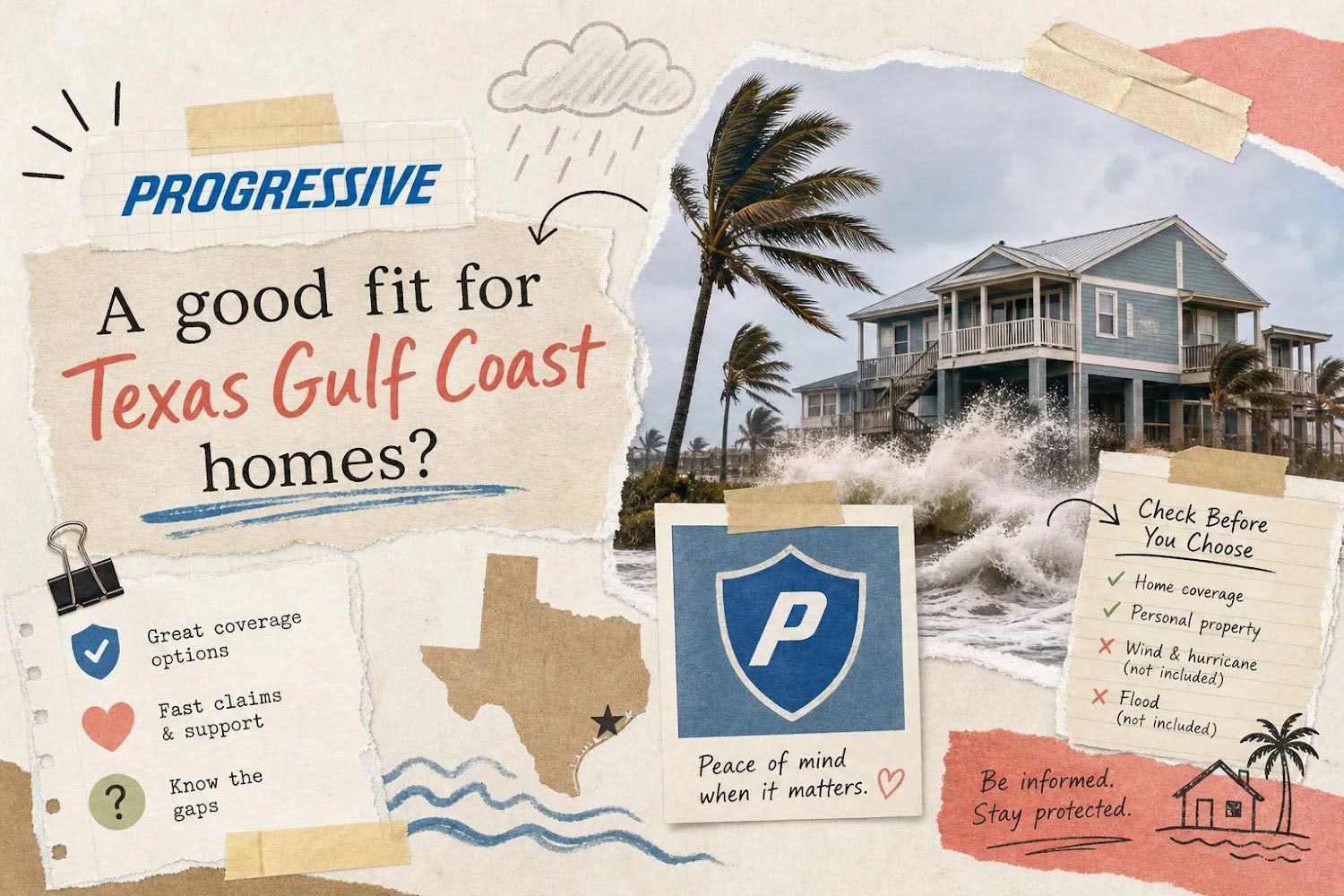
Progressive ad: “A good fit for Texas Gulf Coast homes?” with beach house, storm surf, and map graphic
By Brad Spurgeon • October 29, 2026
Progressive home insurance offers standard HO-3 coverage that works well for most American homeowners, but for Texas Gulf Coast properties, that base policy typically excludes the two biggest threats in the region: windstorm damage and flooding. Those aren't minor omissions for a home in Galveston County or along the Brazoria coastline. They're exactly what a hurricane or tropical storm delivers. Texas already carries some of the highest home insurance premiums in the country, and coastal ZIP codes push that figure even further above the national average. Spending that much on a policy that leaves windstorm and flood damage uncovered is a critical mistake. This article breaks down what progressive home insurance actually includes, where it falls short for coastal properties, and what a complete coverage picture looks like.
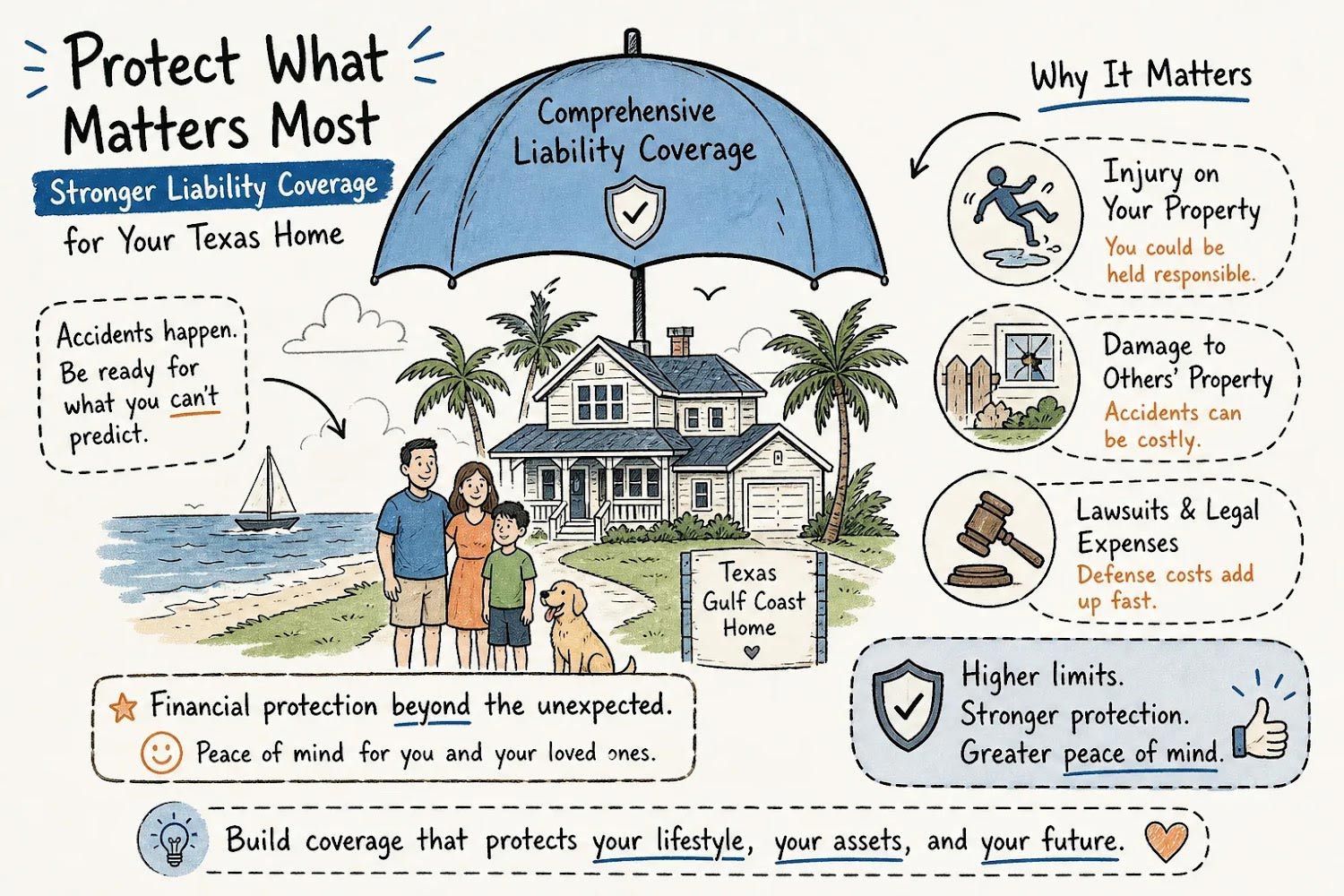
Infographic on flood insurance, showing a house, umbrella, and hurricane tips for protecting belongings and finances.
By Brad Spurgeon • October 29, 2026
Comprehensive personal liability coverage, known as Coverage E in your homeowners or renters policy, pays when someone else is injured on your property or you accidentally damage their property and you're legally responsible. It also covers your legal defense costs, attorney fees, and court judgments up to your policy limit. This guide breaks down exactly what you're covered for, what slips through the gaps, and how to build a comprehensive liability protection stack that actually holds up when a claim lands. Whether you're a first-time buyer in Texas City or a long-time Gulf Coast homeowner juggling a boat, a dog, and a rental unit, getting these limits right matters more here than almost anywhere else in the country.
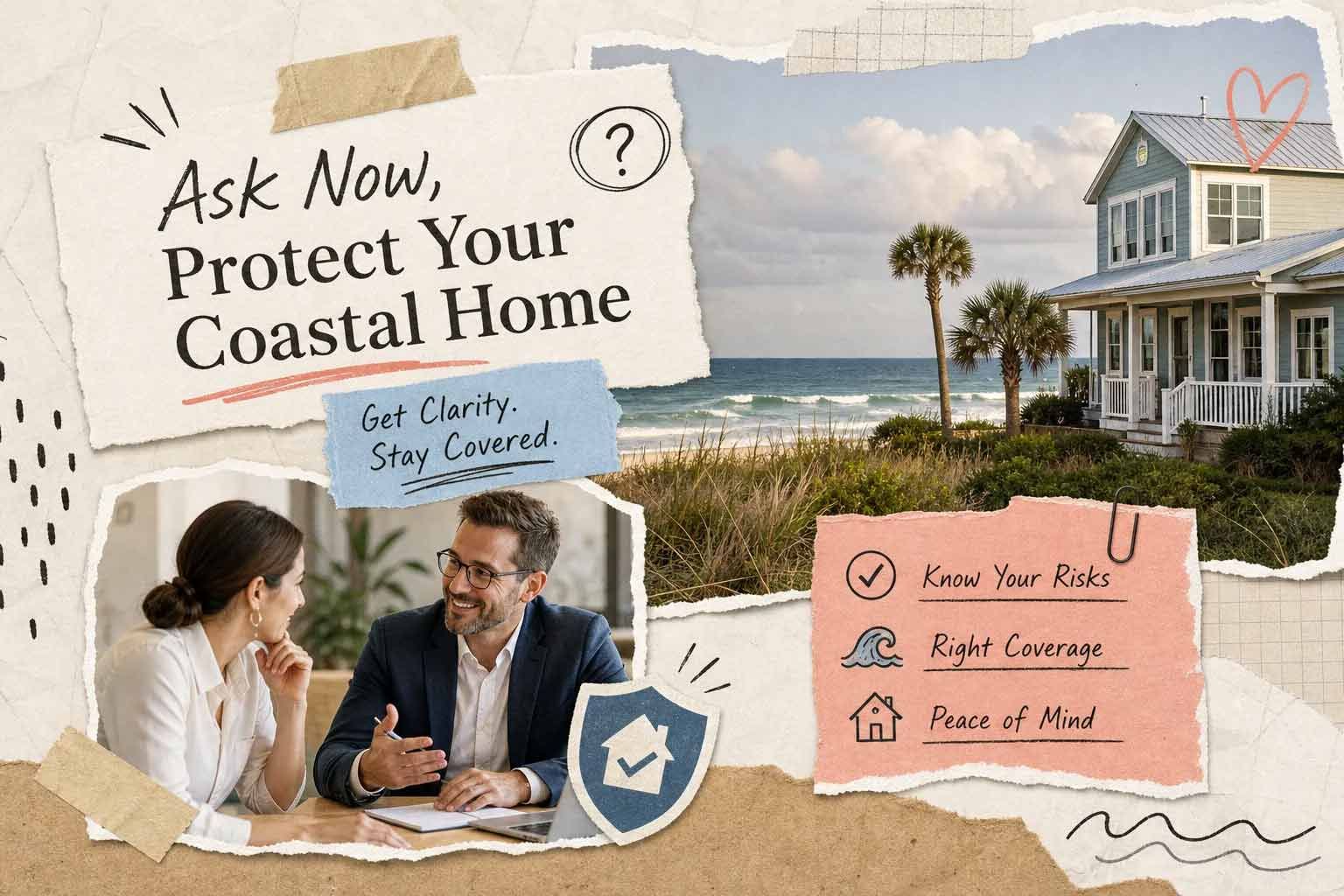
Coastal home insurance ad with beach house, couple talking, and text “Ask Now, Protect Your Coastal Home”
By Brad Spurgeon • October 22, 2026
What are the most important questions to ask an insurance agent before buying coastal home insurance? Most buyers never think to ask them until after a storm. Many coastal homebuyers report spending more time negotiating kitchen countertops than understanding their insurance policy. That's a reasonable way to live, until a named storm makes landfall and the claim comes back short of what you needed. The policy was there. The coverage wasn't. Wind excluded. Flood not purchased. Deductible never translated into a real dollar amount. The policy looked fine on paper. In practice, it had gaps a storm could drive a boat through. This article gives you the questions that change that. Six categories. Each one designed to reveal whether the agent in front of you truly understands Gulf Coast exposure, or is simply filling in a form.
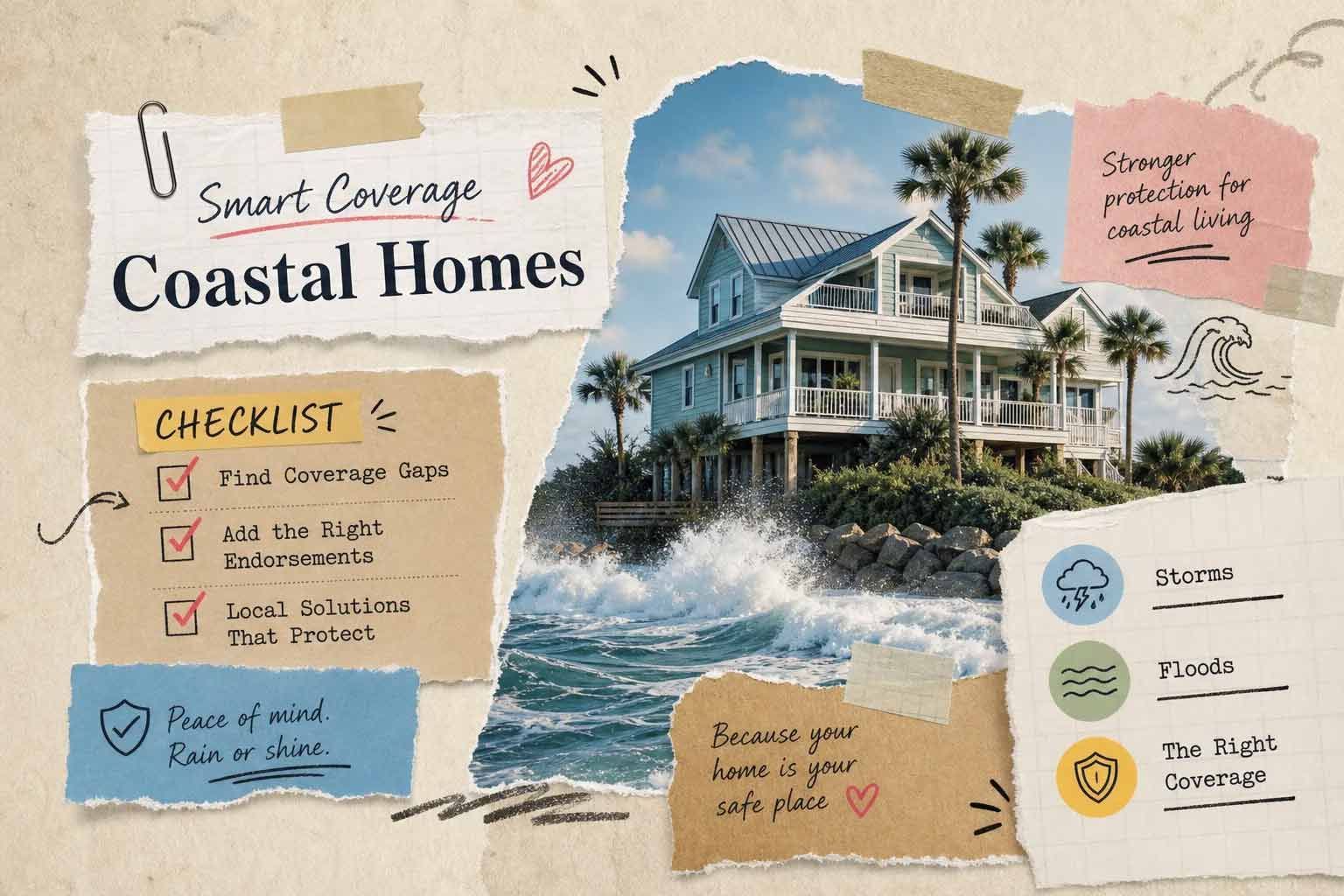
Handmade collage for
By Brad Spurgeon • October 22, 2026
Progressive home insurance is one of the most recognized products in the country, and that familiarity makes it easy for coastal homeowners to assume the policy covers everything it should. Many homeowners assume the standard policy handles all their risks, wind, water, and everything a Gulf Coast storm can throw at a house. It often leaves critical gaps. Gulf Coast homes face windstorm, flood, and hurricane risks that standard policies routinely exclude, and discovering those exclusions after a storm can lead to large out-of-pocket costs. This checklist walks through what a Progressive homeowners policy actually includes, where it leaves coastal buyers exposed, what it costs in Texas, and how to close the gaps before storm season arrives. We've been working with Gulf Coast homeowners from our base in Texas City since 1986.
October 19, 2026
Flooding can disrupt business operations, damage expensive equipment, and create financial losses that extend well beyond the initial cleanup. For commercial property owners, retailers, and service providers along the Texas Gulf Coast, understanding flood exposure is an important part of risk management. Knowing which
Show More