The Role Of Dams And Levees In Flood Control

April 15, 2024
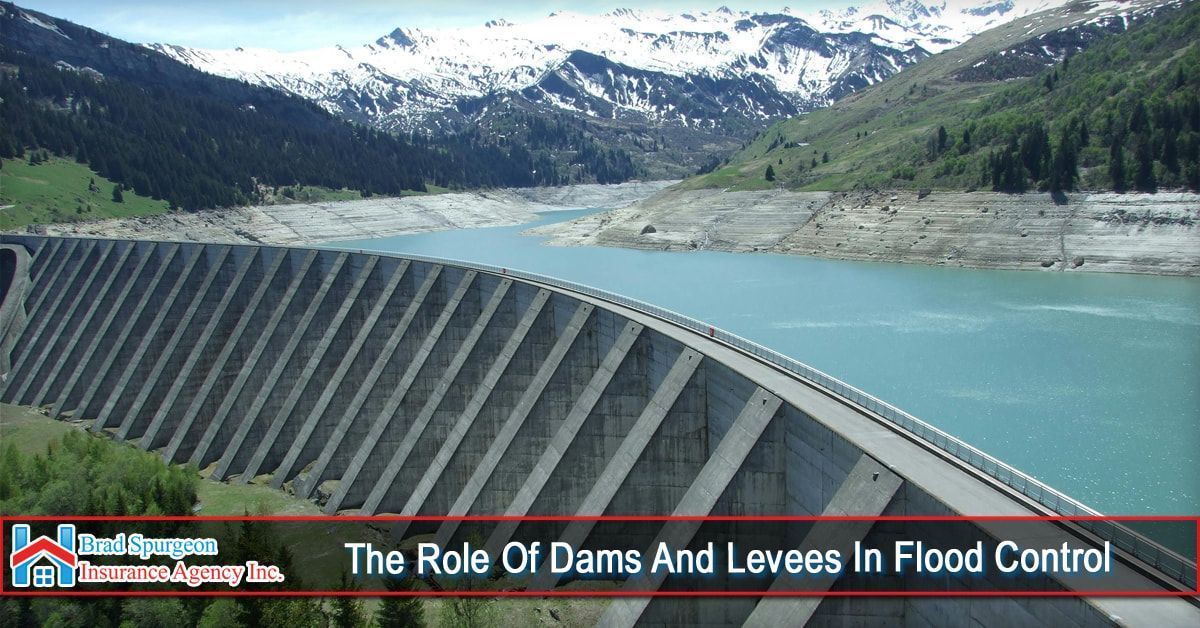
A concrete dam holds back a blue reservoir in a mountain valley

Floods are natural disasters that can cause significant damage to communities, properties, and lives. To mitigate the impact of floods, various flood control measures are put in place, and two key components of these measures are dams and levees. In this blog, we'll explore the vital role that dams and levees play in flood control and how having flood insurance is essential for homeowners living in flood-prone areas.


Dams: The Guardians of Water Flow

Dams are structures built across rivers and streams to control water flow and store excess water during heavy rainfall or snowmelt. They serve several essential functions in flood control:


  1. Water Storage: Dams can store large quantities of water, reducing the risk of downstream flooding during periods of heavy precipitation. This stored water can be released in a controlled manner, preventing sudden surges downstream.

  2. Regulating River Flow: By regulating the release of water, dams can help maintain a consistent and manageable flow rate in rivers, reducing the risk of flooding during heavy rain events.

  3. Hydropower Generation: Many dams are also equipped with hydropower facilities, which generate clean energy while contributing to flood control efforts.

While dams are valuable flood control assets, it's important to note that their failure can lead to catastrophic flooding. Proper maintenance and monitoring are crucial to ensure their effectiveness.


Levees: The Protective Barriers

Levees are embankments or walls built along riverbanks or coastlines to prevent water from overflowing into populated areas. They act as protective barriers against rising water levels and storm surges. Key functions of levees in flood control include:


  1. Containment: Levees contain floodwaters within their designated channels, keeping them away from homes, businesses, and agricultural lands.

  2. Storm Surge Defense: In coastal areas, levees are essential for protecting against storm surges caused by hurricanes or tropical storms.

  3. Erosion Prevention: Levees also help prevent erosion of riverbanks and shorelines during flooding.

Flood Insurance: A Crucial Safety Net

While dams and levees play a significant role in flood control, they are not infallible. Failures, breaches, or unexpected events can still lead to flooding. This is where flood insurance comes into play. Here's why it's crucial:


  1. Financial Protection: Flood insurance provides financial protection for homeowners and businesses against flood-related damage. It covers repair and replacement costs for structures and belongings damaged by flooding.

  2. Peace of Mind: Knowing that you have flood insurance can provide peace of mind, especially if you live in a flood-prone area. You can focus on preparedness and safety without worrying about the financial consequences of a flood.

  3. Mandatory in High-Risk Areas: For properties located in high-risk flood zones and secured with mortgages from federally regulated lenders, flood insurance is often mandatory.

  4. Recovery Assistance: After a flood event, navigating the recovery process can be complex. Flood insurance providers can assist with claims, making the recovery process smoother.

In conclusion, dams and levees are integral components of flood control efforts, helping to reduce the risk of flooding and protect communities. However, they are not foolproof, and the unpredictability of weather and water levels means that having flood insurance is essential for homeowners and business owners in flood-prone areas. It provides financial security and ensures that you can recover from flood-related damages and losses effectively. Consult with your insurance provider to understand your flood insurance options and secure the coverage you need for peace of mind during flood events.

At Brad Spurgeon Insurance Agency Inc., we aim to provide comprehensive insurance policies that make your life easier. We want to help you get insurance that fits your needs. You can get more information about our products and services by calling our agency at (409) 945-4746. Get your free quote today by CLICKING HERE


Disclaimer: The information presented in this blog is intended for informational purposes only and should not be considered as professional advice. It is crucial to consult with a qualified insurance agent or professional for personalized advice tailored to your specific circumstances. They can provide expert guidance and help you make informed decisions regarding your insurance needs.

Insurance industry steady going into 2026: A positive outlook for life and nonlife
By Brad Spurgeon March 18, 2026
The insurance industry shows stability heading into 2026. Contact us for expert home, flood, & windstorm insurance solutions.
March 17, 2026
Inflation raises home insurance costs because it increases the price of labor, building materials, repairs, and replacement after a covered loss. When it costs more to rebuild a roof, replace flooring, restore water damage, or repair storm-related destruction, insurers usually adjust premiums and coverage calculations
March 17, 2026
Private flood insurance and NFIP flood insurance both protect against flood damage, but they are not built the same way. NFIP policies follow standardized federal rules and coverage limits, while private flood policies may offer higher limits, broader options, and more flexibility depending on the carrier.
Windstorm Insurance “Direct Physical Loss” Explained: How It Impacts Your Claim
March 17, 2026
“Direct physical loss” in windstorm insurance generally means there must be real, physical damage to ..
March 12, 2026
Roof age can directly affect your home insurance premium, eligibility, and claim experience because insurers view older roofs as more likely to suffer damage or fail during severe weather. In many cases, the older the roof, the higher the risk profile, especially if maintenance is unclear or the roofing material is nea
A beach house stands under a dark, stormy sky with wind-blown trees. Text reads:
February 16, 2026
Windstorms are typically categorized by the type of event—thunderstorms and straight-line winds, tropical storms,..
A rainy, evening street scene featuring a coffee shop storefront, with overlay text about business flood insurance.
February 16, 2026
Flood insurance is one of the most important tools for business continuity because a single flood event can shut down operations..
A person in a hard hat inspects a room under renovation, with text about updating windstorm insurance after home repairs.
February 10, 2026
Renovations can quietly create windstorm insurance gaps because they change what your property would cost to rebuild and can introduce new materials, ..
A couple sitting on the floor among moving boxes. Text reads:
February 10, 2026
Renters insurance protects your personal belongings, liability, and temporary living expenses—but it does not insure the building itself.
Two construction workers repair a residential roof under a bright blue sky, with overlaid text about home insurance.
January 14, 2026
Compare comprehensive vs basic auto coverage. Learn key benefits, risks, and how to protect your vehicle from theft, weather, and costly damage.
Show More