Storm Warning: How Climate Change Fuels Extreme Winds

February 17, 2025
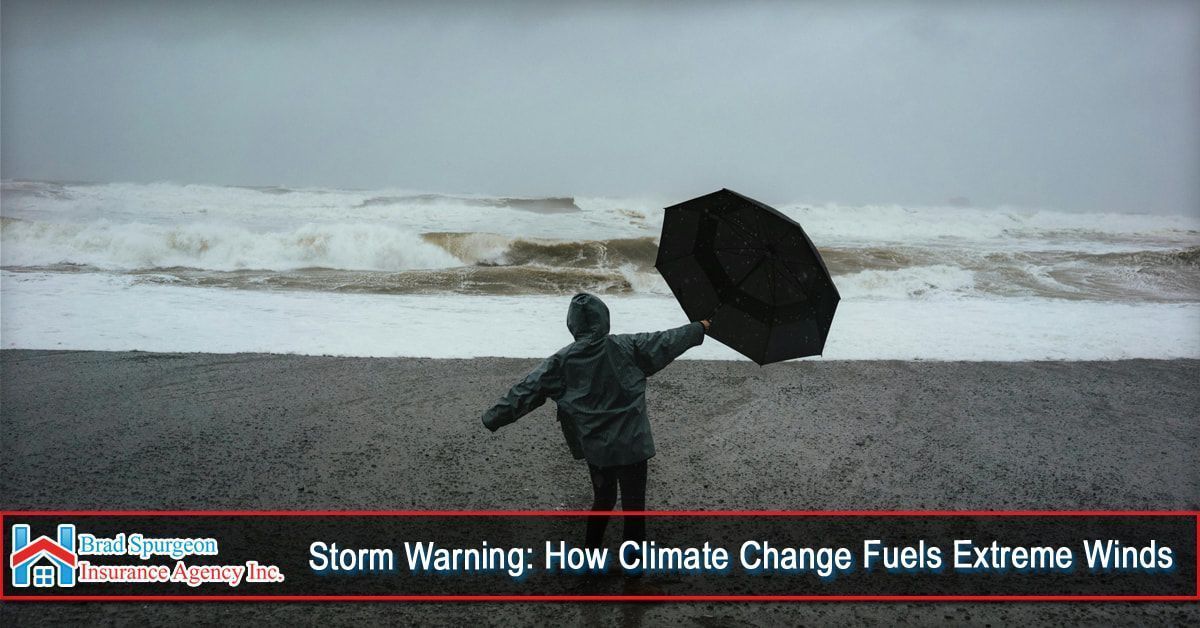
A person holds an umbrella against strong winds on a beach with rough, white-capped waves in the background.


Extreme winds are becoming more frequent and intense, posing significant risks to homes, businesses, and communities worldwide. Scientists have linked these worsening windstorms to climate change, which is altering atmospheric patterns, increasing storm intensity, and fueling destructive weather events. Whether it’s hurricanes, tornadoes, or severe windstorms, climate change is reshaping our world and making it more vulnerable to devastating winds. In this article, we’ll explore how climate change contributes to stronger winds and why windstorm insurance is a critical safeguard for homeowners.

1. The Science Behind Stronger Winds

Wind is created by differences in atmospheric pressure—air moves from areas of high pressure to low pressure. Climate change is intensifying these pressure differences, leading to more powerful windstorms.


Several key climate factors contribute to stronger winds:

  • Warmer Ocean Temperatures: Hurricanes and cyclones draw energy from warm ocean waters. Rising global temperatures are making storms stronger, leading to higher wind speeds.
  • Changing Jet Streams: The jet stream, a fast-moving air current, influences weather patterns. Climate change is altering its flow, creating conditions that intensify windstorms.
  • More Extreme Weather Events: As global temperatures rise, extreme weather patterns—such as hurricanes, thunderstorms, and tornadoes—are becoming more frequent and severe.

2. How Climate Change is Impacting Windstorms

Extreme winds aren’t just an inconvenience—they pose serious dangers, including property destruction, infrastructure damage, and increased storm surges. Here’s how climate change is affecting different types of windstorms:

A. Hurricanes and Cyclones

  • Rising ocean temperatures fuel stronger hurricanes, increasing wind speeds and storm surges.
  • Studies show that the frequency of Category 4 and 5 hurricanes has significantly increased over the last few decades.

B. Tornadoes and Thunderstorms

  • Warmer temperatures create more unstable air, leading to severe thunderstorms and tornado outbreaks.
  • Some research suggests tornadoes are shifting geographically, affecting areas that were previously considered low-risk.

C. High Wind Events and Derechos

  • Climate change is leading to stronger straight-line winds and derechos, which cause widespread destruction similar to tornadoes.
  • These storms can bring sustained winds over 100 mph, toppling trees and damaging homes.

3. The Importance of Windstorm Insurance

As wind-related disasters become more frequent, having windstorm insurance is essential for homeowners, especially in high-risk areas. Many standard homeowners insurance policies do not fully cover wind damage, meaning property owners could be left paying for expensive repairs out of pocket.


Windstorm insurance covers:

✔ Roof and structural damage caused by high winds.

✔ Broken windows and exterior damage from flying debris.

✔ Loss of use coverage, helping homeowners pay for temporary housing if their home is uninhabitable.


Without windstorm insurance, homeowners may face financial hardship after a storm. Investing in the right coverage ensures that your home and belongings are protected from the rising threat of climate-fueled windstorms.

4. What Can Be Done to Reduce Windstorm Risks?

While climate change is increasing windstorm intensity, homeowners and communities can take proactive steps to minimize damage:

  • Strengthen Homes – Installing impact-resistant windows, reinforced roofing, and storm shutters can help protect homes from extreme winds.
  • Improve Building Codes – Stricter regulations can ensure homes and businesses are built to withstand stronger storms.
  • Mitigate Climate Change – Reducing greenhouse gas emissions can help slow global warming and decrease extreme weather risks.

Final Thoughts

Climate change is fueling stronger, more destructive winds, increasing risks for homeowners and communities worldwide. As extreme wind events become more frequent, being prepared is essential. Investing in windstorm insurance and reinforcing your home can help protect against financial and physical damage from future storms.


By understanding the link between climate change and windstorms, we can take action to safeguard our homes, improve resilience, and prepare for a future shaped by an evolving climate.


At Brad Spurgeon Insurance Agency Inc., we aim to provide comprehensive insurance policies that make your life easier. We want to help you get insurance that fits your needs. You can get more information about our products and services by calling our agency at (409) 945-4746. Get your free quote today by CLICKING HERE


Disclaimer: The information presented in this blog is intended for informational purposes only and should not be considered as professional advice. It is crucial to consult with a qualified insurance agent or professional for personalized advice tailored to your specific circumstances. They can provide expert guidance and help you make informed decisions regarding your insurance needs.

Insurance industry steady going into 2026: A positive outlook for life and nonlife
By Brad Spurgeon March 18, 2026
The insurance industry shows stability heading into 2026. Contact us for expert home, flood, & windstorm insurance solutions.
March 17, 2026
Inflation raises home insurance costs because it increases the price of labor, building materials, repairs, and replacement after a covered loss. When it costs more to rebuild a roof, replace flooring, restore water damage, or repair storm-related destruction, insurers usually adjust premiums and coverage calculations
March 17, 2026
Private flood insurance and NFIP flood insurance both protect against flood damage, but they are not built the same way. NFIP policies follow standardized federal rules and coverage limits, while private flood policies may offer higher limits, broader options, and more flexibility depending on the carrier.
Windstorm Insurance “Direct Physical Loss” Explained: How It Impacts Your Claim
March 17, 2026
“Direct physical loss” in windstorm insurance generally means there must be real, physical damage to ..
March 12, 2026
Roof age can directly affect your home insurance premium, eligibility, and claim experience because insurers view older roofs as more likely to suffer damage or fail during severe weather. In many cases, the older the roof, the higher the risk profile, especially if maintenance is unclear or the roofing material is nea
A beach house stands under a dark, stormy sky with wind-blown trees. Text reads:
February 16, 2026
Windstorms are typically categorized by the type of event—thunderstorms and straight-line winds, tropical storms,..
A rainy, evening street scene featuring a coffee shop storefront, with overlay text about business flood insurance.
February 16, 2026
Flood insurance is one of the most important tools for business continuity because a single flood event can shut down operations..
A person in a hard hat inspects a room under renovation, with text about updating windstorm insurance after home repairs.
February 10, 2026
Renovations can quietly create windstorm insurance gaps because they change what your property would cost to rebuild and can introduce new materials, ..
A couple sitting on the floor among moving boxes. Text reads:
February 10, 2026
Renters insurance protects your personal belongings, liability, and temporary living expenses—but it does not insure the building itself.
Two construction workers repair a residential roof under a bright blue sky, with overlaid text about home insurance.
January 14, 2026
Compare comprehensive vs basic auto coverage. Learn key benefits, risks, and how to protect your vehicle from theft, weather, and costly damage.
Show More