Safeguarding Your Home: Flood Preparedness And Protection

December 11, 2023
 
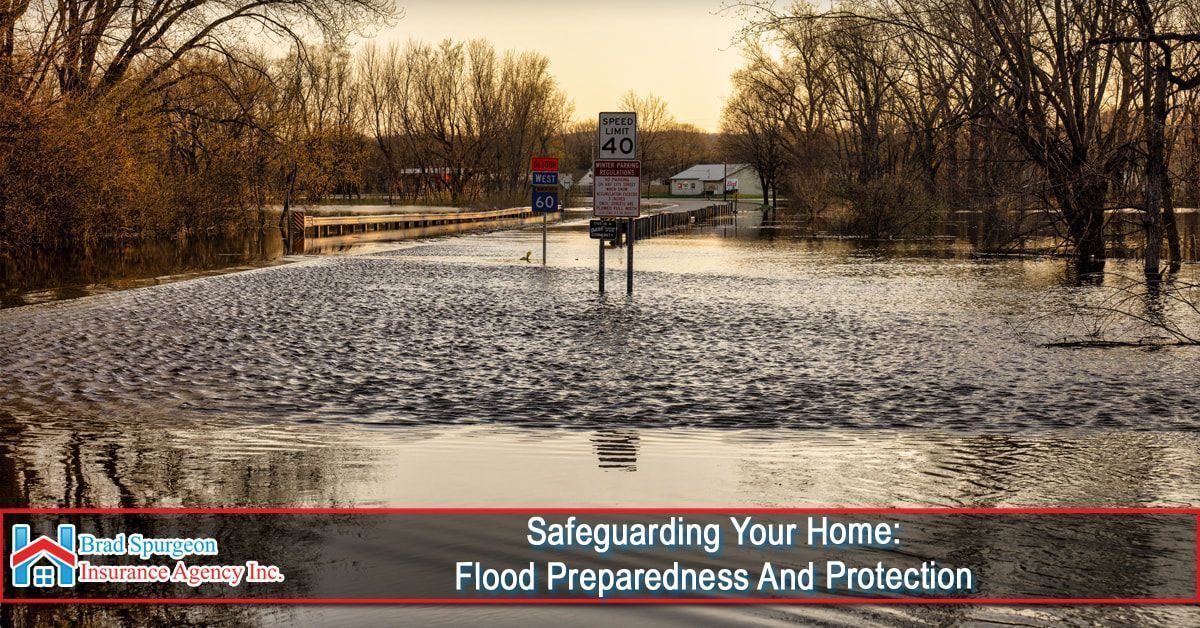
A flooded rural road with road signs partially submerged in water

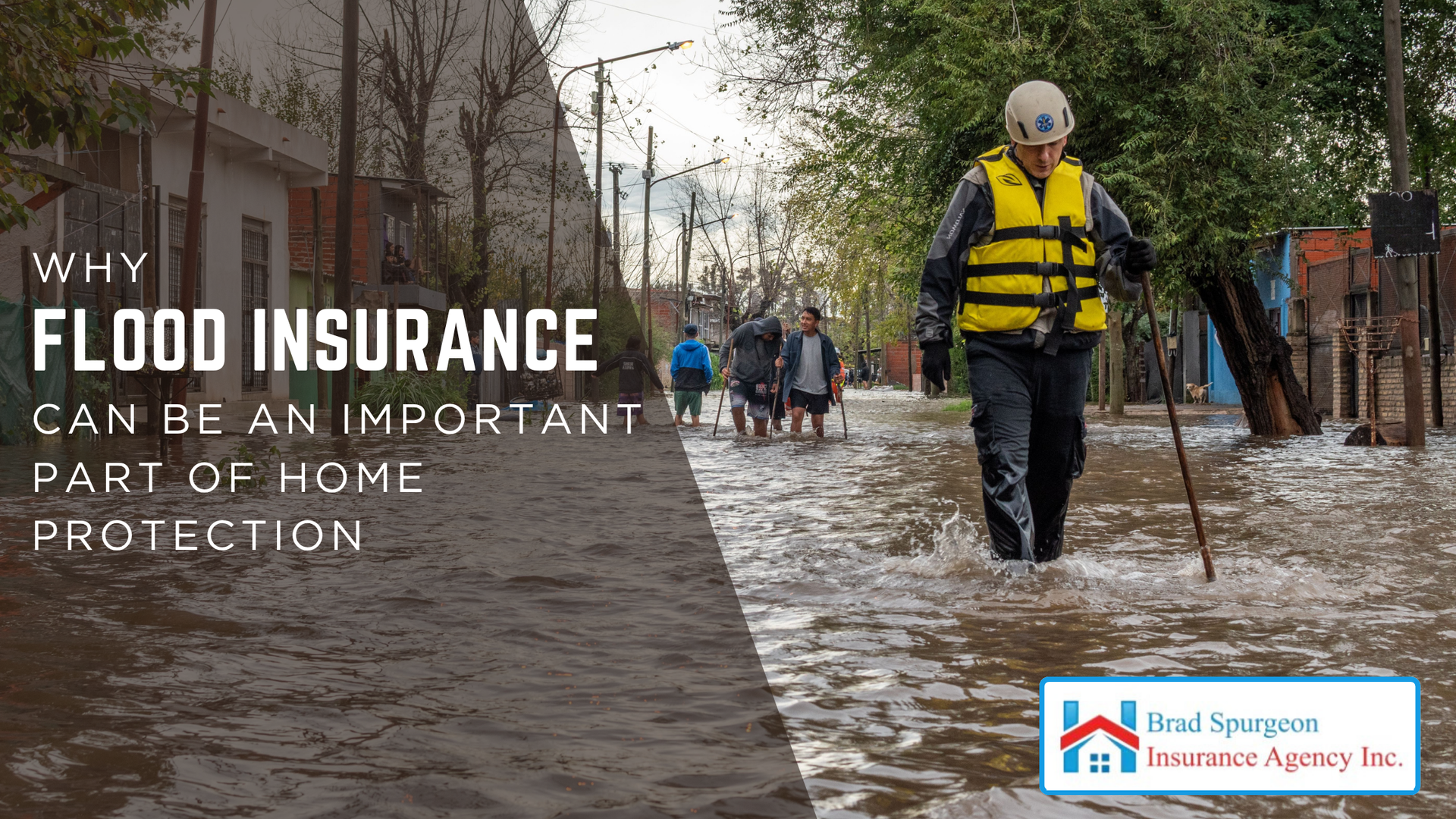
Flooding is a natural disaster that can have devastating consequences, causing more deaths than any other hazard related to extreme precipitation. In this article, we will provide essential tips on how to prepare your home for a flood, emphasizing safety precautions during and after a flood event, and the importance of flood insurance in protecting your property.


Before the Flood:

  1. Stay Informed: Keep yourself updated about weather conditions and flood warnings by listening to your local radio or television station. Monitoring official alerts is crucial to staying safe.

  2. Emergency Supplies: Collect emergency supplies, including non-perishable food and water. Ensure you have at least one gallon of water per day for each person and pet, along with enough supplies to last at least three days.

  3. Vaccination Records: Keep your vaccination records handy or know the year of your last tetanus shot. This information can be vital in case of injuries during a flood emergency. Store these records in a waterproof container to protect them from damage.

  4. Secure Outdoor Items: Bring in or securely tie down outdoor items such as lawn furniture, grills, and trash cans to prevent them from causing damage or becoming projectiles.

  5. Utilities: When evacuating, turn off all utilities at the main power switch and close the main gas valve to prevent hazards.

  6. Evacuation: To ensure your safety, leave areas prone to flooding, such as low spots, canyons, and washes, if local authorities recommend evacuation.

During the Flood:

  1. Never Drive Through Floodwaters: Most flood-related deaths occur from driving into floodwaters. Never attempt to drive through flooded areas or standing water, as vehicles can be swept away or stall in moving water.

  2. Safe Water Usage: Do not consume floodwater and avoid using it for household tasks like washing dishes, brushing teeth, or preparing food. Use clean and safe water for these purposes.

  3. Evacuation and Return: If you have evacuated, wait for local authorities to declare it safe before returning home. Follow their instructions to protect yourself and your loved ones.

  4. Boil Water Advisories: Pay attention to boil water advisories issued by local authorities. During a water advisory, use bottled, boiled, or treated water only for drinking, cooking, and other household activities.

  5. Food Safety: When in doubt, discard any food or bottled water that may have come into contact with floodwater. Safety is paramount.

  6. Carbon Monoxide (CO) Safety: Take precautions to prevent carbon monoxide (CO) poisoning. Keep generators at least 20 feet from doors, windows, and vents. Never run your car or truck inside an attached garage, even with open doors.

After the Flood:

  1. Cleanup Safety: Floods can spread diseases, chemicals, and cause injuries. Practice safe cleaning by removing contaminated items, using a bleach solution to disinfect, and following recommendations from FEMA.
  2. Avoid Direct Contact: Take precautions to avoid direct contact with floodwater and potential hazards during cleanup.

Importance of Flood Insurance:

While taking proactive steps to prepare for a flood is essential, having adequate flood insurance is equally crucial. Flood insurance can help protect your property and belongings from the financial impact of flood damage, providing you with peace of mind in the face of this natural disaster.


Conclusion:

Flood preparedness is a critical aspect of safeguarding your home and family. By following safety guidelines and having flood insurance in place, you can minimize the risks associated with flooding and ensure that you are well-prepared to face this challenging situation. Remember that proactive planning today can make all the difference in protecting your home and loved ones tomorrow.


At Brad Spurgeon Insurance Agency Inc., we aim to provide comprehensive insurance policies that make your life easier. We want to help you get insurance that fits your needs. You can get more information about our products and services by calling our agency at (409) 945-4746. Get your free quote today by CLICKING HERE


Disclaimer: The information presented in this blog is intended for informational purposes only and should not be considered as professional advice. It is crucial to consult with a qualified insurance agent or professional for personalized advice tailored to your specific circumstances. They can provide expert guidance and help you make informed decisions regarding your insurance needs.

Insurance industry steady going into 2026: A positive outlook for life and nonlife
By Brad Spurgeon March 18, 2026
The insurance industry shows stability heading into 2026. Contact us for expert home, flood, & windstorm insurance solutions.
March 17, 2026
Inflation raises home insurance costs because it increases the price of labor, building materials, repairs, and replacement after a covered loss. When it costs more to rebuild a roof, replace flooring, restore water damage, or repair storm-related destruction, insurers usually adjust premiums and coverage calculations
March 17, 2026
Private flood insurance and NFIP flood insurance both protect against flood damage, but they are not built the same way. NFIP policies follow standardized federal rules and coverage limits, while private flood policies may offer higher limits, broader options, and more flexibility depending on the carrier.
Windstorm Insurance “Direct Physical Loss” Explained: How It Impacts Your Claim
March 17, 2026
“Direct physical loss” in windstorm insurance generally means there must be real, physical damage to ..
March 12, 2026
Roof age can directly affect your home insurance premium, eligibility, and claim experience because insurers view older roofs as more likely to suffer damage or fail during severe weather. In many cases, the older the roof, the higher the risk profile, especially if maintenance is unclear or the roofing material is nea
A beach house stands under a dark, stormy sky with wind-blown trees. Text reads:
February 16, 2026
Windstorms are typically categorized by the type of event—thunderstorms and straight-line winds, tropical storms,..
A rainy, evening street scene featuring a coffee shop storefront, with overlay text about business flood insurance.
February 16, 2026
Flood insurance is one of the most important tools for business continuity because a single flood event can shut down operations..
A person in a hard hat inspects a room under renovation, with text about updating windstorm insurance after home repairs.
February 10, 2026
Renovations can quietly create windstorm insurance gaps because they change what your property would cost to rebuild and can introduce new materials, ..
A couple sitting on the floor among moving boxes. Text reads:
February 10, 2026
Renters insurance protects your personal belongings, liability, and temporary living expenses—but it does not insure the building itself.
Two construction workers repair a residential roof under a bright blue sky, with overlaid text about home insurance.
January 14, 2026
Compare comprehensive vs basic auto coverage. Learn key benefits, risks, and how to protect your vehicle from theft, weather, and costly damage.
Show More