Getting Your Home Protected From Wildfires

November 9, 2020
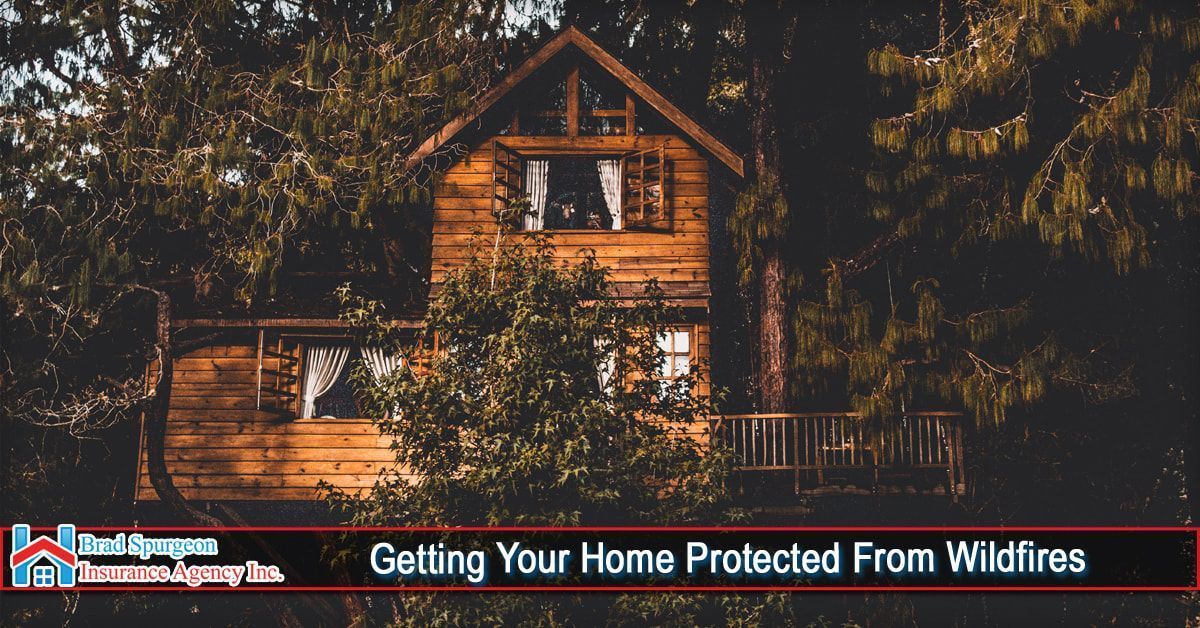
A wooden cabin surrounded by forest trees


Wildfires are destructive natural occurrences that happen for several months in a year. It is often called the fire season. Before, the fire season usually stretched only for four months, but a fire season could now last for up to eight months due to climate change.

You have recently witnessed the massive wildfire that ravaged many parts of Australia, which peaked between late 2019 and early 2020. It blazed an estimated 18.6 million hectares of land, which is nearly the size of Syria, and destroyed more than 3,500 houses.


Wildfire-Prone Areas

The geographic location of your home is an excellent indicator if you are living in a wildfire-prone area. In 2019, California, Texas, North Carolina, and Georgia were among the states with the highest number of wildfires and land area burned. 


Wildfires are burning in some parts of the Western United States like Oregon, California, and Washington. In California alone, wildfires have already burned at least 1.6 million hectares of land. It is the biggest wildfire in the history of California. 


Available land for real estate is limited, so you must live with the possibility of wildfires damaging your property. Hence, you need to protect your home from the damage brought by wildfires. About half a million homes in California are situated in wildfire-prone areas with an estimated value of $200 billion.


Protect Your Home With Homeowner Insurance

If you are located in a place that is susceptible to wildfires; it is wise to get homeowner’s insurance. It can give your property financial coverage from damages that might be sustained from disasters like storms or fire.


In most cases, a typical homeowner’s insurance policy can cover the damages from wildfires. Nonetheless, you might need to get extra coverage if you are living in a high-risk location. You can consider these coverages in your policy:


Dwelling coverage. If your house got damaged or destroyed by fire, it can cover the expenses for repairing or rebuilding your house. It typically covers anything built in your homes like walls, floors, roof, foundation, and cabinetry. Its coverage limit is usually equivalent to the estimated replacement cost of your house.


Additional living expenses. If your house sustained damages from a fire, your family might live in another place while the repairs are on-going. The costs incurred from living away from your principal residence can be covered by additional living expenses coverage. The policy can pay the rental fees in your temporary home or the transportation expenses to get out of the area.


Conclusion

As a homeowner, you need to research if you are living in a wildfire-prone area. It will help you determine the necessary coverages for your property and your family. There is a coverage limit for wildfire damages in a typical homeowner insurance policy. Depending on your location, you might consider getting additional coverage to enhance your policy coverage and provide extra protection to your home.


At Brad Spurgeon Insurance Agency Inc., we do our best in making sure that our clients are well-protected with affordable and comprehensive policies. We make sure to go the extra mile to help you with your needs. To learn more about how we can help you, please contact our agency at (409) 945-4746 or Click Here to request a free quote.

Insurance industry steady going into 2026: A positive outlook for life and nonlife
By Brad Spurgeon March 18, 2026
The insurance industry shows stability heading into 2026. Contact us for expert home, flood, & windstorm insurance solutions.
March 17, 2026
Inflation raises home insurance costs because it increases the price of labor, building materials, repairs, and replacement after a covered loss. When it costs more to rebuild a roof, replace flooring, restore water damage, or repair storm-related destruction, insurers usually adjust premiums and coverage calculations
March 17, 2026
Private flood insurance and NFIP flood insurance both protect against flood damage, but they are not built the same way. NFIP policies follow standardized federal rules and coverage limits, while private flood policies may offer higher limits, broader options, and more flexibility depending on the carrier.
Windstorm Insurance “Direct Physical Loss” Explained: How It Impacts Your Claim
March 17, 2026
“Direct physical loss” in windstorm insurance generally means there must be real, physical damage to ..
March 12, 2026
Roof age can directly affect your home insurance premium, eligibility, and claim experience because insurers view older roofs as more likely to suffer damage or fail during severe weather. In many cases, the older the roof, the higher the risk profile, especially if maintenance is unclear or the roofing material is nea
A beach house stands under a dark, stormy sky with wind-blown trees. Text reads:
February 16, 2026
Windstorms are typically categorized by the type of event—thunderstorms and straight-line winds, tropical storms,..
A rainy, evening street scene featuring a coffee shop storefront, with overlay text about business flood insurance.
February 16, 2026
Flood insurance is one of the most important tools for business continuity because a single flood event can shut down operations..
A person in a hard hat inspects a room under renovation, with text about updating windstorm insurance after home repairs.
February 10, 2026
Renovations can quietly create windstorm insurance gaps because they change what your property would cost to rebuild and can introduce new materials, ..
A couple sitting on the floor among moving boxes. Text reads:
February 10, 2026
Renters insurance protects your personal belongings, liability, and temporary living expenses—but it does not insure the building itself.
Two construction workers repair a residential roof under a bright blue sky, with overlaid text about home insurance.
January 14, 2026
Compare comprehensive vs basic auto coverage. Learn key benefits, risks, and how to protect your vehicle from theft, weather, and costly damage.
Show More