
Flood Insurance For Farming And Agriculture: Ensuring Crop Resilience

December 9, 2024
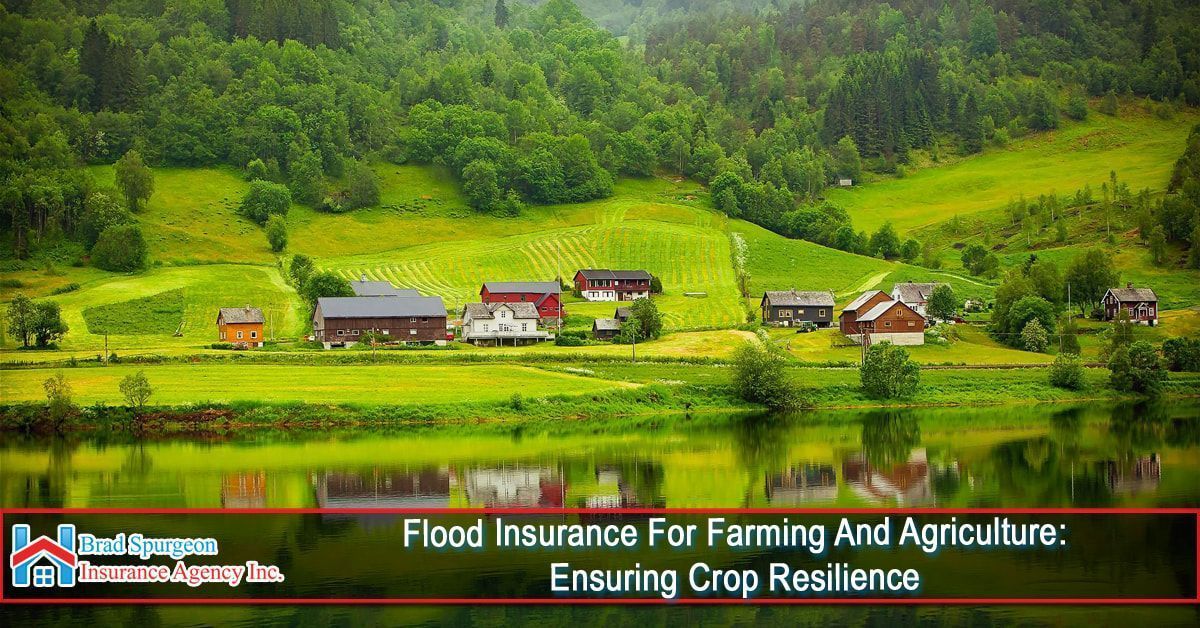
A rural farm landscape with buildings near a lake

Farming and agriculture are the backbone of the global food supply, but they are inherently tied to the whims of nature. Flooding, one of the most destructive natural disasters, poses a significant threat to agricultural operations, often leading to soil erosion, crop loss, and damage to equipment and infrastructure. Flood insurance tailored to farming and agriculture provides a vital safety net, helping farmers recover financially and rebuild their operations after devastating floods. This blog explores the importance of flood insurance in agriculture and how it contributes to long-term crop resilience.


The Impact of Flooding on Agriculture

Flooding can disrupt farming operations in numerous ways, including:


  1. Crop Damage and Loss: Standing water can suffocate crops, wash away seeds, and render fields unplantable for extended periods.

  2. Soil Erosion and Contamination: Floodwaters often strip topsoil or introduce contaminants, reducing soil fertility and crop yields.

  3. Infrastructure Damage: Buildings, irrigation systems, and machinery can suffer extensive damage, leading to costly repairs or replacements.

  4. Livestock Risks: Flooding can harm livestock, disrupt feeding routines, and damage shelters.

  5. Supply Chain Disruptions: Flooding can delay transportation, storage, and processing of agricultural goods, affecting market supply and prices.

What Does Flood Insurance for Farmers Cover?

Flood insurance for agricultural operations typically includes:


  • Property Coverage:
    Protects barns, silos, storage facilities, and other buildings from flood damage.

  • Equipment and Machinery:
    Covers repair or replacement costs for tractors, irrigation systems, and other essential tools damaged by floods.

  • Crop Insurance with Flood Protection:
    Provides compensation for lost or damaged crops due to flooding.

    Often offered through government-backed programs like the U.S. Department of Agriculture’s (USDA) Risk Management Agency (RMA).

  • Livestock Coverage:
    Reimburses losses related to livestock deaths caused by flooding.

  • Preventative Measures:
    Some policies may reimburse expenses for sandbags, pumps, or other temporary flood barriers used to mitigate damage.

Why Flood Insurance is Essential for Farmers

  • Financial Resilience:
    Rebuilding after a flood can be financially crippling without insurance, especially for small to mid-sized farms.

  • Crop Sustainability:
    Insurance enables farmers to reinvest in seeds, soil treatment, and planting after a flood, ensuring future harvests.

  • Protection Against Climate Risks:
    With the increasing frequency and severity of floods due to climate change, flood insurance provides essential risk management.

  • Compliance with Loans and Grants:
    Many agricultural loans and grants require flood insurance as part of their eligibility criteria.

How to Secure Flood Insurance for Farming

  1. Assess Risk:
    Determine your farm’s flood risk using tools like FEMA’s flood maps and historical weather data.

  2. Understand Policy Options:
    Compare government-backed crop insurance with private flood insurance policies to find the best fit for your needs.

  3. Document Assets:
    Maintain an inventory of crops, equipment, and structures to simplify the claims process in case of a flood.

  4. Work with an Insurance Specialist:
    Consult an agent familiar with agricultural operations to customize a policy that covers your specific risks.

Steps to Enhance Flood Resilience on Your Farm

While insurance is critical, proactive measures can minimize flood damage and enhance resilience:


  1. Improve Drainage Systems:
    Install proper drainage to direct floodwaters away from fields and buildings.

  2. Invest in Raised Infrastructure:
    Build elevated storage facilities and livestock shelters to protect against rising water levels.

  3. Utilize Flood-Resistant Crops:
    Grow crops that are more tolerant to waterlogging in flood-prone areas.

  4. Adopt Sustainable Practices:
    Practices like cover cropping and contour plowing can help prevent soil erosion and improve water absorption.

  5. Stay Informed:
    Monitor weather patterns and flood alerts to prepare for potential risks.

Conclusion

Flooding is a persistent challenge for farmers and agricultural operations, but the right flood insurance can make all the difference in recovery and resilience. By protecting property, equipment, and crops, flood insurance ensures that farmers can rebuild and sustain their operations after disaster strikes. Paired with proactive flood mitigation strategies, this coverage is an indispensable tool for securing the future of farming in an increasingly unpredictable climate. Investing in flood insurance isn’t just about protecting assets—it’s about preserving livelihoods and the global food supply.


At Brad Spurgeon Insurance Agency Inc., we aim to provide comprehensive insurance policies that make your life easier. We want to help you get insurance that fits your needs. You can get more information about our products and services by calling our agency at (409) 945-4746. Get your free quote today by CLICKING HERE


Disclaimer: The information presented in this blog is intended for informational purposes only and should not be considered as professional advice. It is crucial to consult with a qualified insurance agent or professional for personalized advice tailored to your specific circumstances. They can provide expert guidance and help you make informed decisions regarding your insurance needs.

Insurance industry steady going into 2026: A positive outlook for life and nonlife
By Brad Spurgeon March 18, 2026
The insurance industry shows stability heading into 2026. Contact us for expert home, flood, & windstorm insurance solutions.
March 17, 2026
Inflation raises home insurance costs because it increases the price of labor, building materials, repairs, and replacement after a covered loss. When it costs more to rebuild a roof, replace flooring, restore water damage, or repair storm-related destruction, insurers usually adjust premiums and coverage calculations
March 17, 2026
Private flood insurance and NFIP flood insurance both protect against flood damage, but they are not built the same way. NFIP policies follow standardized federal rules and coverage limits, while private flood policies may offer higher limits, broader options, and more flexibility depending on the carrier.
Windstorm Insurance “Direct Physical Loss” Explained: How It Impacts Your Claim
March 17, 2026
“Direct physical loss” in windstorm insurance generally means there must be real, physical damage to ..
March 12, 2026
Roof age can directly affect your home insurance premium, eligibility, and claim experience because insurers view older roofs as more likely to suffer damage or fail during severe weather. In many cases, the older the roof, the higher the risk profile, especially if maintenance is unclear or the roofing material is nea
A beach house stands under a dark, stormy sky with wind-blown trees. Text reads:
February 16, 2026
Windstorms are typically categorized by the type of event—thunderstorms and straight-line winds, tropical storms,..
A rainy, evening street scene featuring a coffee shop storefront, with overlay text about business flood insurance.
February 16, 2026
Flood insurance is one of the most important tools for business continuity because a single flood event can shut down operations..
A person in a hard hat inspects a room under renovation, with text about updating windstorm insurance after home repairs.
February 10, 2026
Renovations can quietly create windstorm insurance gaps because they change what your property would cost to rebuild and can introduce new materials, ..
A couple sitting on the floor among moving boxes. Text reads:
February 10, 2026
Renters insurance protects your personal belongings, liability, and temporary living expenses—but it does not insure the building itself.
Two construction workers repair a residential roof under a bright blue sky, with overlaid text about home insurance.
January 14, 2026
Compare comprehensive vs basic auto coverage. Learn key benefits, risks, and how to protect your vehicle from theft, weather, and costly damage.
Show More