Flood Insurance And Real Estate Transactions: Tips For Buyers And Sellers

June 24, 2024
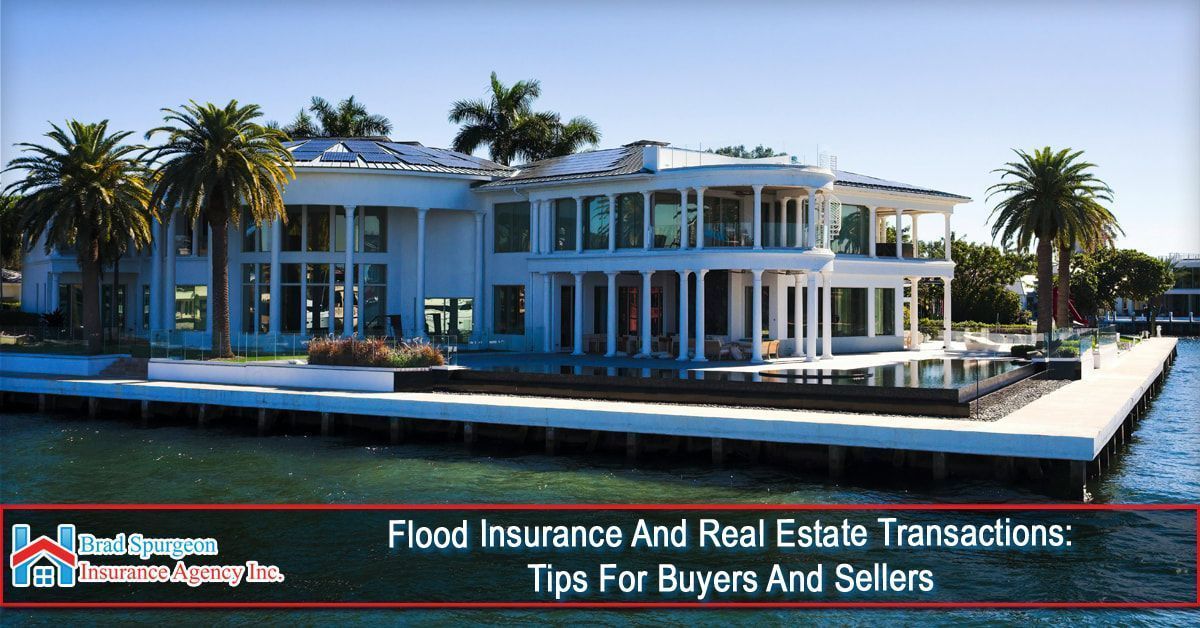
A luxurious white mansion on the water

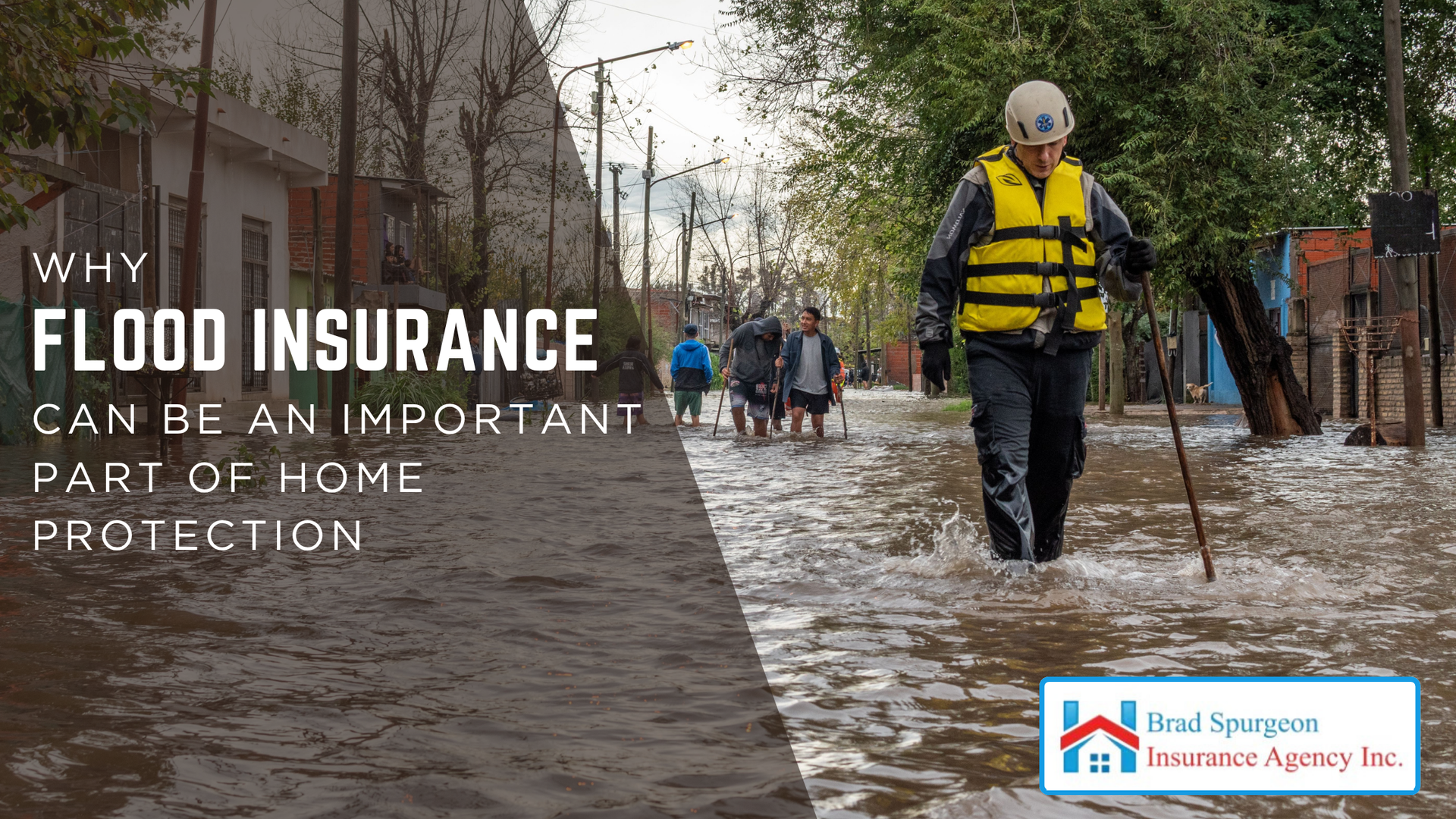
Flood insurance plays a crucial role in protecting homes and properties from the devastating effects of flooding, yet it's often overlooked during real estate transactions. Whether you're buying or selling a home, understanding the implications of flood insurance is essential to ensure a smooth and informed transaction. In this blog, we'll provide valuable tips for both buyers and sellers to navigate flood insurance requirements and considerations during real estate transactions.


For Buyers:

  • Research Flood Risk:
    Before purchasing a property, research its flood risk using flood maps provided by FEMA (Federal Emergency Management Agency) or other relevant authorities. Properties located in flood zones are typically required to carry flood insurance, so it's essential to know the risk level before making a decision.

  • Request Insurance Information:
    During the due diligence process, ask the seller for information about their current flood insurance policy, including coverage limits, premiums, and any past flood claims. Understanding the property's flood insurance history can help you assess potential risks and costs associated with insuring the home.

  • Obtain a Flood Elevation Certificate:
    If the property is located in a flood-prone area, consider obtaining a flood elevation certificate to determine its elevation relative to the base flood elevation (BFE). A lower elevation increases the risk of flooding and may result in higher insurance premiums.

  • Factor Insurance Costs into Budget:
    When budgeting for homeownership expenses, don't forget to include flood insurance premiums. Depending on the property's location and flood risk, insurance costs can vary significantly, so it's essential to factor them into your monthly expenses.

For Sellers:

  • Disclose Flood Risk:
    Sellers are legally required to disclose any known flood risks or past flood damage to potential buyers. Be transparent about the property's flood history, including any flood insurance claims filed in the past.

  • Provide Insurance Documentation:
    Furnish buyers with documentation related to the property's flood insurance policy, including the declaration page, policy terms, and proof of coverage. Transparency and disclosure regarding flood insurance can instill confidence in potential buyers and facilitate a smoother transaction.

  • Consider Preparing the Property:
    Taking proactive measures to mitigate flood risk, such as installing flood barriers, elevating utilities, or improving drainage systems, can enhance the property's appeal to buyers and potentially reduce insurance premiums.

  • Be Prepared for Negotiations:
    Buyers may request adjustments to the sale price or additional concessions based on flood insurance considerations. Be prepared to negotiate terms that are fair and reasonable for both parties, taking into account the property's flood risk and insurance implications.

Conclusion:

Flood insurance is an essential consideration for both buyers and sellers during real estate transactions, particularly in flood-prone areas. By understanding flood risks, obtaining necessary documentation, and factoring insurance costs into their financial planning, buyers can make informed decisions when purchasing a property. Sellers can facilitate a smoother transaction by disclosing flood risks, providing insurance documentation, and considering proactive measures to mitigate flood risk. Ultimately, open communication and transparency regarding flood insurance can help ensure a successful real estate transaction for all parties involved.


At Brad Spurgeon Insurance Agency Inc., we aim to provide comprehensive insurance policies that make your life easier. We want to help you get insurance that fits your needs. You can get more information about our products and services by calling our agency at (409) 945-4746. Get your free quote today by CLICKING HERE


Disclaimer: The information presented in this blog is intended for informational purposes only and should not be considered as professional advice. It is crucial to consult with a qualified insurance agent or professional for personalized advice tailored to your specific circumstances. They can provide expert guidance and help you make informed decisions regarding your insurance needs.

Insurance industry steady going into 2026: A positive outlook for life and nonlife
By Brad Spurgeon March 18, 2026
The insurance industry shows stability heading into 2026. Contact us for expert home, flood, & windstorm insurance solutions.
March 17, 2026
Inflation raises home insurance costs because it increases the price of labor, building materials, repairs, and replacement after a covered loss. When it costs more to rebuild a roof, replace flooring, restore water damage, or repair storm-related destruction, insurers usually adjust premiums and coverage calculations
March 17, 2026
Private flood insurance and NFIP flood insurance both protect against flood damage, but they are not built the same way. NFIP policies follow standardized federal rules and coverage limits, while private flood policies may offer higher limits, broader options, and more flexibility depending on the carrier.
Windstorm Insurance “Direct Physical Loss” Explained: How It Impacts Your Claim
March 17, 2026
“Direct physical loss” in windstorm insurance generally means there must be real, physical damage to ..
March 12, 2026
Roof age can directly affect your home insurance premium, eligibility, and claim experience because insurers view older roofs as more likely to suffer damage or fail during severe weather. In many cases, the older the roof, the higher the risk profile, especially if maintenance is unclear or the roofing material is nea
A beach house stands under a dark, stormy sky with wind-blown trees. Text reads:
February 16, 2026
Windstorms are typically categorized by the type of event—thunderstorms and straight-line winds, tropical storms,..
A rainy, evening street scene featuring a coffee shop storefront, with overlay text about business flood insurance.
February 16, 2026
Flood insurance is one of the most important tools for business continuity because a single flood event can shut down operations..
A person in a hard hat inspects a room under renovation, with text about updating windstorm insurance after home repairs.
February 10, 2026
Renovations can quietly create windstorm insurance gaps because they change what your property would cost to rebuild and can introduce new materials, ..
A couple sitting on the floor among moving boxes. Text reads:
February 10, 2026
Renters insurance protects your personal belongings, liability, and temporary living expenses—but it does not insure the building itself.
Two construction workers repair a residential roof under a bright blue sky, with overlaid text about home insurance.
January 14, 2026
Compare comprehensive vs basic auto coverage. Learn key benefits, risks, and how to protect your vehicle from theft, weather, and costly damage.
Show More