Flood Hazard Mapping: Identifying Vulnerable Areas

October 7, 2024
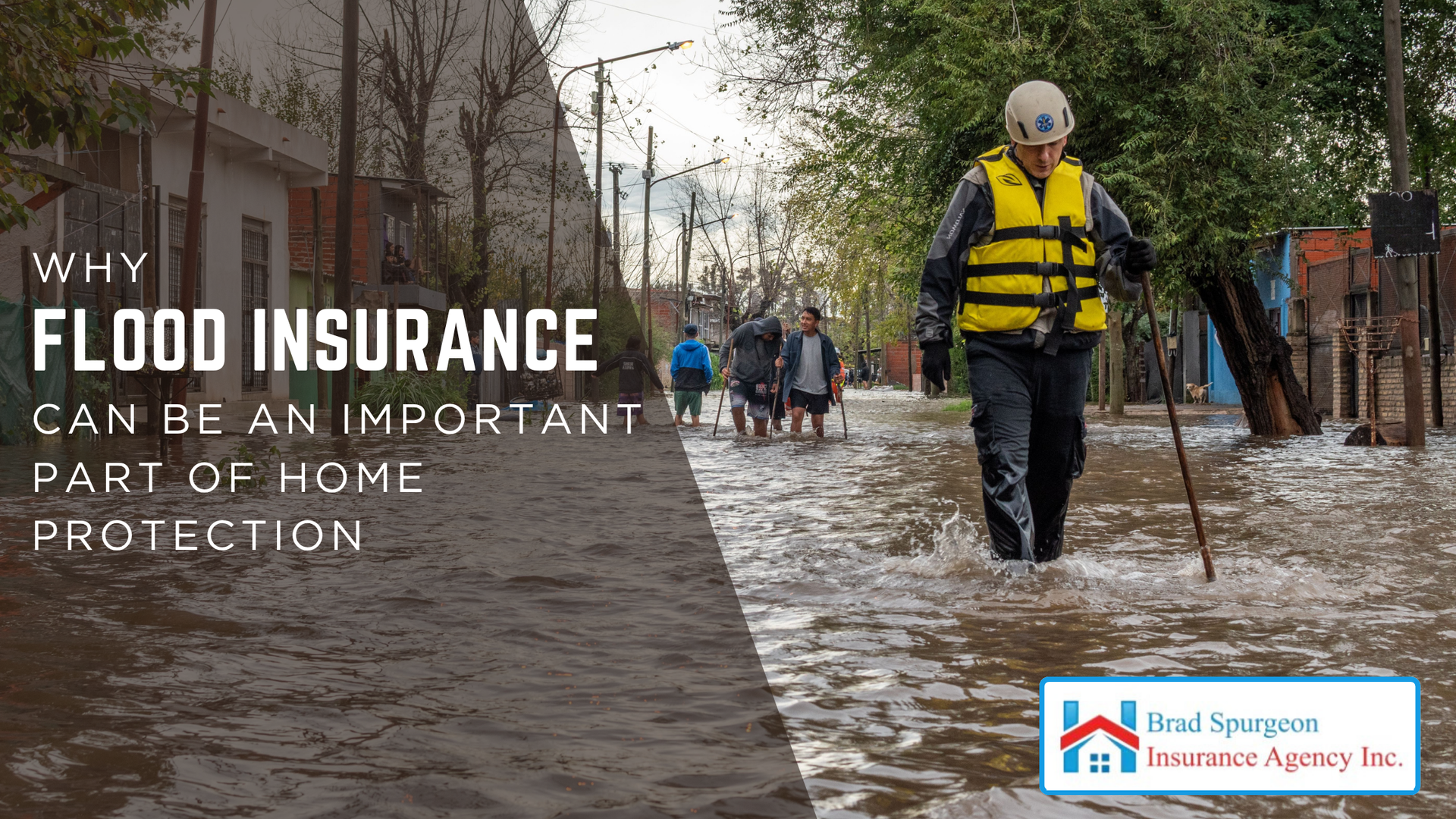
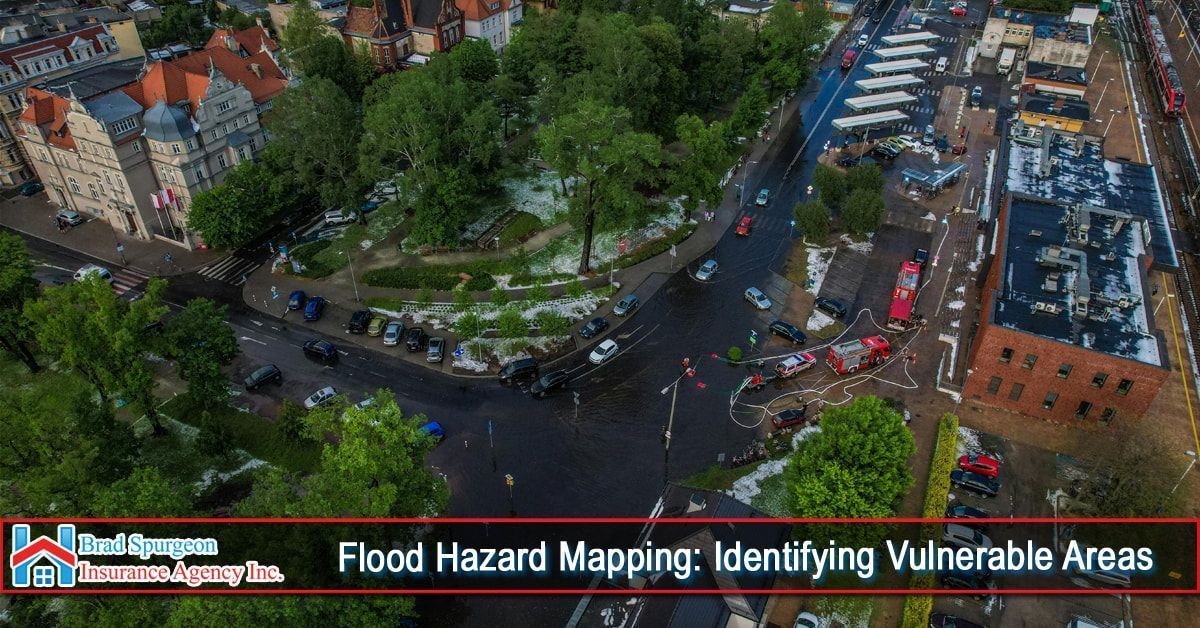
An aerial view of a wet city street lined with trees and buildings


Flooding is one of the most common and devastating natural disasters, affecting millions of people worldwide each year. To mitigate the impact of floods, accurate flood hazard mapping is crucial. Flood hazard maps are tools that help identify areas at risk of flooding by analyzing various factors such as topography, rainfall patterns, river flow data, and historical flood events. These maps are essential for urban planning, emergency preparedness, and public awareness. By identifying vulnerable areas, flood hazard mapping enables communities, governments, and developers to make informed decisions about land use, infrastructure development, and disaster response strategies, ultimately reducing the potential damage and saving lives.


The Process of Flood Hazard Mapping

Flood hazard mapping involves the collection and analysis of data to assess flood risk in a particular area. This process includes several key steps:


  1. Data Collection: The first step in creating a flood hazard map is gathering relevant data, including topographical information, hydrological data, meteorological records, and historical flood events. Geographic Information Systems (GIS) play a vital role in compiling and analyzing this data.

  2. Hydrological and Hydraulic Modeling: Hydrological models simulate the movement and distribution of water across the landscape, while hydraulic models predict how water will flow in rivers, streams, and drainage systems. These models help estimate flood extents, depths, and velocities under different scenarios.

  3. Risk Assessment: Once the models are run, the results are used to assess flood risk in specific areas. This involves determining the likelihood of flooding events, the potential impact on infrastructure and populations, and identifying high-risk zones.

  4. Map Creation and Dissemination: The final step is creating the flood hazard map, which visually represents areas at risk of flooding. These maps are then disseminated to local authorities, planners, emergency services, and the public to guide decision-making and increase preparedness.

How Flood Hazard Mapping Benefits Communities

Flood hazard maps are invaluable tools for communities in several ways:


  1. Urban Planning: Planners can use flood hazard maps to avoid building in high-risk areas, reducing the likelihood of property damage and loss of life. These maps help in designing flood defenses and infrastructure that can withstand flood events.

  2. Emergency Preparedness: Emergency services use flood hazard maps to plan evacuation routes, allocate resources, and develop response strategies that protect lives during flood events.

  3. Public Awareness: Flood hazard maps educate the public about flood risks in their area, encouraging homeowners and businesses to take preventive measures, such as elevating buildings, installing flood barriers, or purchasing flood insurance.

  4. Environmental Protection: Flood hazard mapping supports the protection of natural floodplains and wetlands, which play a crucial role in absorbing floodwaters and reducing flood risks downstream.

Flood hazard mapping is closely linked to the availability and cost of flood insurance. Insurance companies use flood hazard maps to assess the level of risk associated with insuring properties in different areas. Homes and businesses located in high-risk zones identified by flood hazard maps are more likely to require flood insurance, and the premiums for these policies may be higher due to the increased likelihood of flooding. Understanding the flood risk in your area through these maps can help you make informed decisions about purchasing flood insurance and taking steps to mitigate potential damage. Moreover, flood hazard maps can influence the mandatory flood insurance requirements set by mortgage lenders, particularly in designated Special Flood Hazard Areas (SFHAs). By staying informed and using flood hazard maps, property owners can better protect their investments and ensure they have the appropriate level of coverage.


Conclusion

Flood hazard mapping is an essential tool for identifying vulnerable areas and mitigating the impact of floods. By providing critical information to urban planners, emergency responders, and the public, these maps help communities prepare for and respond to flood events more effectively. Additionally, flood hazard maps play a significant role in determining flood insurance needs and costs, enabling property owners to make informed decisions about protecting their homes and businesses. As climate change increases the frequency and severity of flooding events, the importance of accurate flood hazard mapping and comprehensive flood insurance coverage cannot be overstated.


At Brad Spurgeon Insurance Agency Inc., we aim to provide comprehensive insurance policies that make your life easier. We want to help you get insurance that fits your needs. You can get more information about our products and services by calling our agency at (409) 945-4746. Get your free quote today by CLICKING HERE


Disclaimer: The information presented in this blog is intended for informational purposes only and should not be considered as professional advice. It is crucial to consult with a qualified insurance agent or professional for personalized advice tailored to your specific circumstances. They can provide expert guidance and help you make informed decisions regarding your insurance needs.

Insurance industry steady going into 2026: A positive outlook for life and nonlife
By Brad Spurgeon March 18, 2026
The insurance industry shows stability heading into 2026. Contact us for expert home, flood, & windstorm insurance solutions.
March 17, 2026
Inflation raises home insurance costs because it increases the price of labor, building materials, repairs, and replacement after a covered loss. When it costs more to rebuild a roof, replace flooring, restore water damage, or repair storm-related destruction, insurers usually adjust premiums and coverage calculations
March 17, 2026
Private flood insurance and NFIP flood insurance both protect against flood damage, but they are not built the same way. NFIP policies follow standardized federal rules and coverage limits, while private flood policies may offer higher limits, broader options, and more flexibility depending on the carrier.
Windstorm Insurance “Direct Physical Loss” Explained: How It Impacts Your Claim
March 17, 2026
“Direct physical loss” in windstorm insurance generally means there must be real, physical damage to ..
March 12, 2026
Roof age can directly affect your home insurance premium, eligibility, and claim experience because insurers view older roofs as more likely to suffer damage or fail during severe weather. In many cases, the older the roof, the higher the risk profile, especially if maintenance is unclear or the roofing material is nea
A beach house stands under a dark, stormy sky with wind-blown trees. Text reads:
February 16, 2026
Windstorms are typically categorized by the type of event—thunderstorms and straight-line winds, tropical storms,..
A rainy, evening street scene featuring a coffee shop storefront, with overlay text about business flood insurance.
February 16, 2026
Flood insurance is one of the most important tools for business continuity because a single flood event can shut down operations..
A person in a hard hat inspects a room under renovation, with text about updating windstorm insurance after home repairs.
February 10, 2026
Renovations can quietly create windstorm insurance gaps because they change what your property would cost to rebuild and can introduce new materials, ..
A couple sitting on the floor among moving boxes. Text reads:
February 10, 2026
Renters insurance protects your personal belongings, liability, and temporary living expenses—but it does not insure the building itself.
Two construction workers repair a residential roof under a bright blue sky, with overlaid text about home insurance.
January 14, 2026
Compare comprehensive vs basic auto coverage. Learn key benefits, risks, and how to protect your vehicle from theft, weather, and costly damage.
Show More