Flood Control In Coastal Areas: Coastal Engineering

June 3, 2024
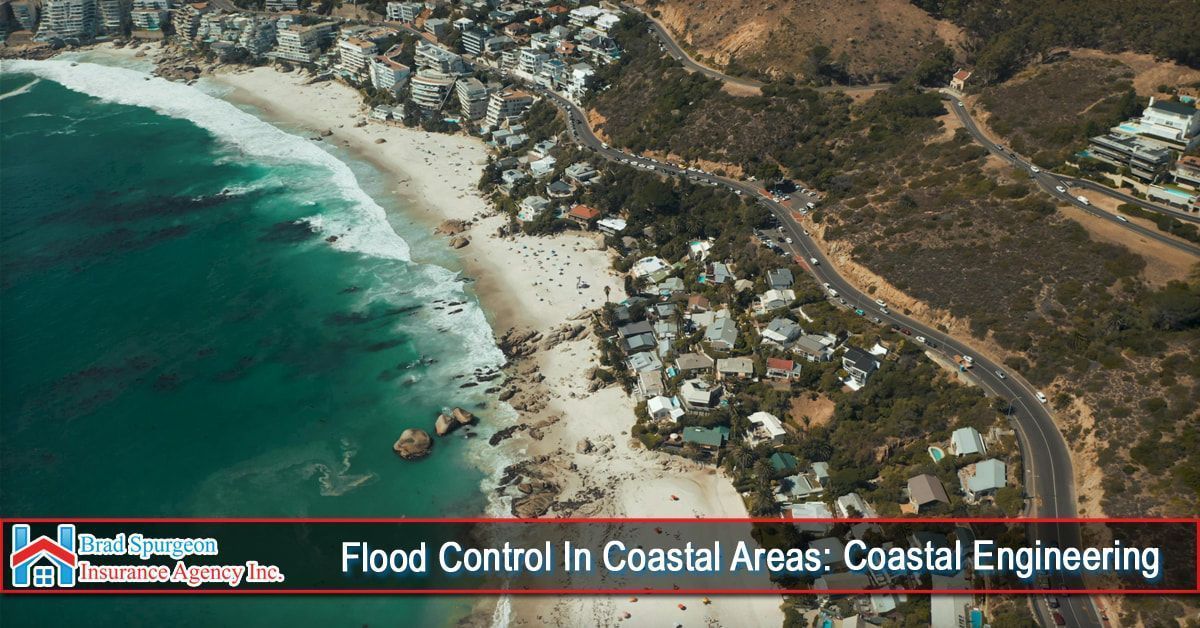
Aerial view of a coastal beach town with houses near the shore

Coastal areas face unique challenges when it comes to flood control due to their vulnerability to storm surges, high tides, and sea-level rise. Coastal engineering plays a crucial role in managing and mitigating the risks associated with flooding in these regions. By employing a combination of structural and non-structural measures, coastal engineers work to protect coastal communities, infrastructure, and ecosystems from the devastating impacts of floods. In this blog, we'll explore the principles of coastal engineering, common flood control strategies, and the importance of these efforts in safeguarding coastal areas.


Principles of Coastal Engineering:

Coastal engineering encompasses a range of disciplines focused on understanding and managing the interactions between land, water, and coastal structures. Key principles of coastal engineering include coastal hydrodynamics, sediment transport, shoreline stability, and wave and tidal dynamics. By applying these principles, engineers can design and implement effective flood control measures tailored to the specific characteristics and challenges of coastal environments.


Common Flood Control Strategies:

  1. Seawalls and Revetments:
    Seawalls and revetments are structures built along the coastline to absorb or deflect the energy of waves, reducing erosion and flooding in coastal areas. These structures provide a physical barrier between the ocean and coastal communities, helping to protect property and infrastructure from storm surges and high tides.

  2. Beach Nourishment:
    Beach nourishment involves replenishing eroded beaches with sand or sediment to widen the shoreline and enhance its ability to absorb wave energy. By restoring natural coastal processes, beach nourishment helps to mitigate erosion and reduce the risk of flooding and property damage.

  3. Dune Restoration:
    Dunes act as natural barriers against coastal flooding, absorbing wave energy and reducing the impact of storm surges. Coastal engineers work to restore and enhance dune systems through vegetation planting, sand fencing, and dune stabilization techniques, preserving these valuable coastal ecosystems while providing flood protection benefits.

  4. Stormwater Management:
    Effective stormwater management is essential for reducing the risk of urban flooding in coastal areas. By implementing green infrastructure solutions such as permeable pavement, bioswales, and rain gardens, engineers can capture and treat stormwater runoff, reducing the strain on drainage systems and minimizing the risk of localized flooding during heavy rainfall events.

Flood insurance plays a critical role in helping homeowners and businesses in coastal areas recover from flood-related losses. By investing in coastal engineering projects that reduce flood risk, communities can potentially lower flood insurance premiums for residents. Insurance companies may offer discounts or incentives for properties located in areas protected by seawalls, dunes, or other flood control measures, recognizing the reduced likelihood of flood damage. Additionally, by promoting resilient coastal infrastructure and floodplain management practices, coastal engineering efforts contribute to the long-term sustainability and insurability of coastal communities.


Conclusion:

Coastal engineering plays a vital role in protecting coastal areas from the threats of flooding and erosion. By leveraging the principles of coastal dynamics and implementing a variety of flood control strategies, engineers can help mitigate the risks posed by storm surges, high tides, and sea-level rise. These efforts not only safeguard coastal communities and infrastructure but also contribute to the resilience and sustainability of coastal ecosystems. Through collaboration between engineers, policymakers, and stakeholders, we can work towards building a more resilient future for coastal areas in the face of climate change and rising sea levels.


At Brad Spurgeon Insurance Agency Inc., we aim to provide comprehensive insurance policies that make your life easier. We want to help you get insurance that fits your needs. You can get more information about our products and services by calling our agency at (409) 945-4746. Get your free quote today by CLICKING HERE


Disclaimer: The information presented in this blog is intended for informational purposes only and should not be considered as professional advice. It is crucial to consult with a qualified insurance agent or professional for personalized advice tailored to your specific circumstances. They can provide expert guidance and help you make informed decisions regarding your insurance needs.

Insurance industry steady going into 2026: A positive outlook for life and nonlife
By Brad Spurgeon March 18, 2026
The insurance industry shows stability heading into 2026. Contact us for expert home, flood, & windstorm insurance solutions.
March 17, 2026
Inflation raises home insurance costs because it increases the price of labor, building materials, repairs, and replacement after a covered loss. When it costs more to rebuild a roof, replace flooring, restore water damage, or repair storm-related destruction, insurers usually adjust premiums and coverage calculations
March 17, 2026
Private flood insurance and NFIP flood insurance both protect against flood damage, but they are not built the same way. NFIP policies follow standardized federal rules and coverage limits, while private flood policies may offer higher limits, broader options, and more flexibility depending on the carrier.
Windstorm Insurance “Direct Physical Loss” Explained: How It Impacts Your Claim
March 17, 2026
“Direct physical loss” in windstorm insurance generally means there must be real, physical damage to ..
March 12, 2026
Roof age can directly affect your home insurance premium, eligibility, and claim experience because insurers view older roofs as more likely to suffer damage or fail during severe weather. In many cases, the older the roof, the higher the risk profile, especially if maintenance is unclear or the roofing material is nea
A beach house stands under a dark, stormy sky with wind-blown trees. Text reads:
February 16, 2026
Windstorms are typically categorized by the type of event—thunderstorms and straight-line winds, tropical storms,..
A rainy, evening street scene featuring a coffee shop storefront, with overlay text about business flood insurance.
February 16, 2026
Flood insurance is one of the most important tools for business continuity because a single flood event can shut down operations..
A person in a hard hat inspects a room under renovation, with text about updating windstorm insurance after home repairs.
February 10, 2026
Renovations can quietly create windstorm insurance gaps because they change what your property would cost to rebuild and can introduce new materials, ..
A couple sitting on the floor among moving boxes. Text reads:
February 10, 2026
Renters insurance protects your personal belongings, liability, and temporary living expenses—but it does not insure the building itself.
Two construction workers repair a residential roof under a bright blue sky, with overlaid text about home insurance.
January 14, 2026
Compare comprehensive vs basic auto coverage. Learn key benefits, risks, and how to protect your vehicle from theft, weather, and costly damage.
Show More