Coastal Growth Requires Changes in Windstorm Insurance

June 23, 2017
Picture

​Plans for risk mitigation should include changes in codes and license.


Everyone knows about the story of the Three Little Pigs where the wood and straw homes succumbed to the Big Bad Wolf. Only the brick home stood firm. Structural integrity is a lesson that was helpful in that 19th Century Folk Tale that is now useful for taxpayers and homeowners in Texas now.

​This vast, coastal state attracts adverse weather such as drought, hail, tornadoes, and hurricanes. They wreak havoc on the Texas economy, communities and families. The severe weather and geography increases consumer costs and drives insurance losses. Texas is now competing with Louisiana and Florida for top insurance expenses in the past decade.


There is an expected increase of 30 million people in Texas in the next 20 years which increases the insurance risk. A big percentage of the state's growth came from the Gulf coastline, and it will continue to be like that in the coming years. The increase in population can create more risks and costlier storms that people will face.


There should be significant changes in Texas so they can contain the growth in insurance costs. Structural changes such as the state's handling of windstorm insurance will protect insurance customers and taxpayers. It is great that Eleanor Kitzman, the Texas Insurance Commissioner, business and taxpayer organizations, and state lawmakers are working hard to create reforms based on Texas needs. They are starting to improve the physical structures.


The lawmakers are crafting plans for state insurance risk mitigation that aims to remove the incompetent and fraudulent contractors and strengthen the building codes of Texas. These contractors are descending on our neighborhoods and homes after every natural disaster which can cost insurance providers and homeowners millions of dollars.


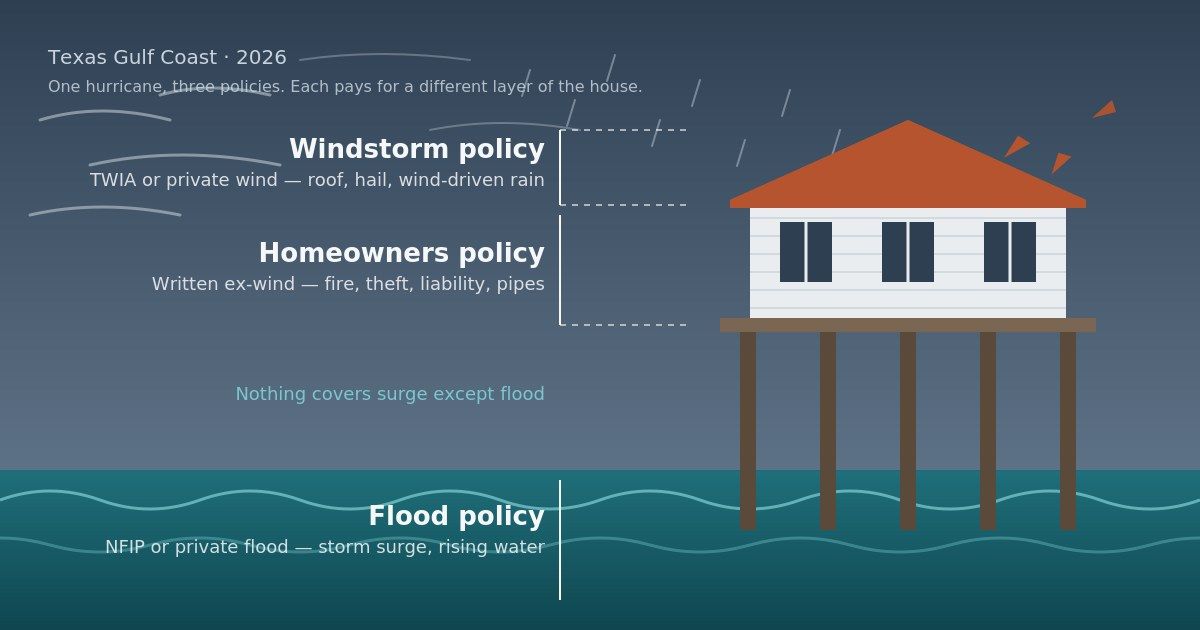
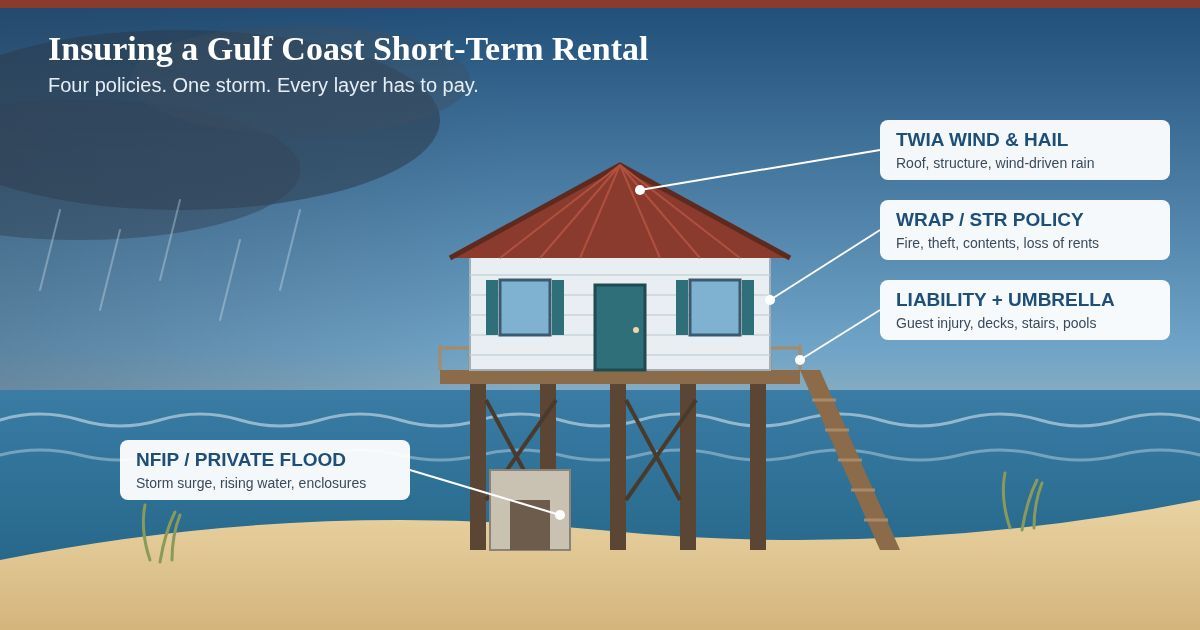
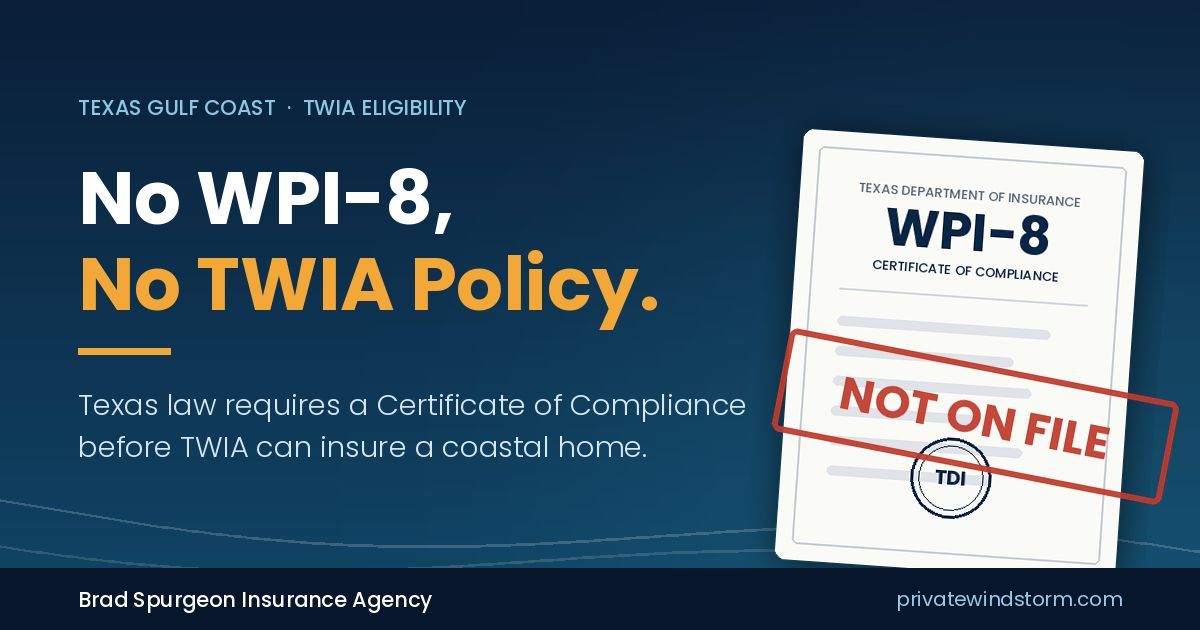
The state of Texas should mitigate the risk of insurance by considering programs that will finance or incentivize retrofits to buildings and homes so that they will be stronger against storm damage. They should also license roofing contractors to mitigate the insurance risk. Even if building codes are useful along the Texas coast, there should still be a uniform statewide building code and uniform enforcement all over the state. The backstopped TWIA or Texas Windstorm Insurance Association which started in 2011 should continue in the current Texas Legislature. The losses of TWIA in the past years amounted to $1.1 billion deficit for both the commercial and personal risks. The looming risk and deficit undermine the sustainability of TWIA especially when another big hurricane hits Texas. TWIA does not intend to compete with the private insurance market, but it is now the primary windstorm insurer in the Gulf Coast. TWIA insured 13,297 commercial and 245,754 residential policyholders last March 2012. The leaders and state lawmakers should consider some options to minimize the TWIA risk by providing meaningful financial incentives to private insurers. Alabama Governor Robert Bentley signed a law to reduce the risk by providing insurers with a 20% insurance premium tax credit. Texas should also increase the contributions to the Catastrophe Reserve Trust Fund so that the state will be in a strong financial condition after responding to the policyholders' needs in a major hurricane's aftermath.


An insurance customer may be eligible for the TWIA policies if they limit the TWIA exposure through the increase of deductible, or through reduction of the maximum coverage limits available for commercial and residential. They should do this before looking for coverage in the private market so that the windstorm insurance system will be more sustainable and stable.


The changes in the storm protection structure of Texas will get more policy options for businesses and homeowners, strengthen finances and reduce the risks.Licensing roofing contractors and bolstering and enforcing building codes will also reduce post-storm fraud, storm damage, and insurance risk.


Stronger structures will be able to withstand the wind better. Texas lawmakers should consider the opportunity to strengthen building codes, enforce the protection of businesses, employers, and resident and make structural changes before the next big storm.


At the Brad Spurgeon Insurance Agency Inc., we take pride in making sure our clients are well protected at prices they can afford. To learn more about how we can help you, please contact our agency at 1-409-945-4746 or Click Here to request a free quote.

Insurance industry steady going into 2026: A positive outlook for life and nonlife
By Brad Spurgeon March 18, 2026
The insurance industry shows stability heading into 2026. Contact us for expert home, flood, & windstorm insurance solutions.
March 17, 2026
Inflation raises home insurance costs because it increases the price of labor, building materials, repairs, and replacement after a covered loss. When it costs more to rebuild a roof, replace flooring, restore water damage, or repair storm-related destruction, insurers usually adjust premiums and coverage calculations
March 17, 2026
Private flood insurance and NFIP flood insurance both protect against flood damage, but they are not built the same way. NFIP policies follow standardized federal rules and coverage limits, while private flood policies may offer higher limits, broader options, and more flexibility depending on the carrier.
Windstorm Insurance “Direct Physical Loss” Explained: How It Impacts Your Claim
March 17, 2026
“Direct physical loss” in windstorm insurance generally means there must be real, physical damage to ..
March 12, 2026
Roof age can directly affect your home insurance premium, eligibility, and claim experience because insurers view older roofs as more likely to suffer damage or fail during severe weather. In many cases, the older the roof, the higher the risk profile, especially if maintenance is unclear or the roofing material is nea
A beach house stands under a dark, stormy sky with wind-blown trees. Text reads:
February 16, 2026
Windstorms are typically categorized by the type of event—thunderstorms and straight-line winds, tropical storms,..
A rainy, evening street scene featuring a coffee shop storefront, with overlay text about business flood insurance.
February 16, 2026
Flood insurance is one of the most important tools for business continuity because a single flood event can shut down operations..
A person in a hard hat inspects a room under renovation, with text about updating windstorm insurance after home repairs.
February 10, 2026
Renovations can quietly create windstorm insurance gaps because they change what your property would cost to rebuild and can introduce new materials, ..
A couple sitting on the floor among moving boxes. Text reads:
February 10, 2026
Renters insurance protects your personal belongings, liability, and temporary living expenses—but it does not insure the building itself.
Two construction workers repair a residential roof under a bright blue sky, with overlaid text about home insurance.
January 14, 2026
Compare comprehensive vs basic auto coverage. Learn key benefits, risks, and how to protect your vehicle from theft, weather, and costly damage.
Show More