If you live near the Texas Gulf Coast, you’re no stranger to high winds, tropical storms, and hurricanes. Homeowners in coastal areas like Texas City, Texas, face unique challenges when it comes to protecting their properties. One of the most common questions people ask is whether windstorm insurance can be combined with other types of coverage—like homeowners, flood, or renters insurance—for better protection and easier management.
The short answer? Yes, in many cases you can combine or coordinate windstorm insurance with other policies—but it’s important to understand how each type works and what’s covered.
Understanding Windstorm Insurance
Windstorm insurance provides protection against damage caused by strong winds, hurricanes, hail, and tornadoes. These events can cause extensive damage to roofs, siding, windows, and other structural elements of a home.
In Texas, especially along the coast, many standard homeowners insurance policies exclude windstorm and hail coverage. Instead, property owners often need to purchase separate windstorm insurance through private insurers or through the Texas Windstorm Insurance Association (TWIA).
Key Features of Windstorm Insurance
- Covers structural damage caused by wind, hail, and flying debris
- Typically includes roof, windows, walls, and foundation repairs
- May include detached structures like garages or sheds
- Does not cover flood damage caused by storm surge or rising water
How Windstorm Insurance Works in Texas
In coastal regions of Texas, homeowners often get windstorm coverage through TWIA, which is a state-managed program created to ensure residents can obtain insurance when private companies won’t provide it.
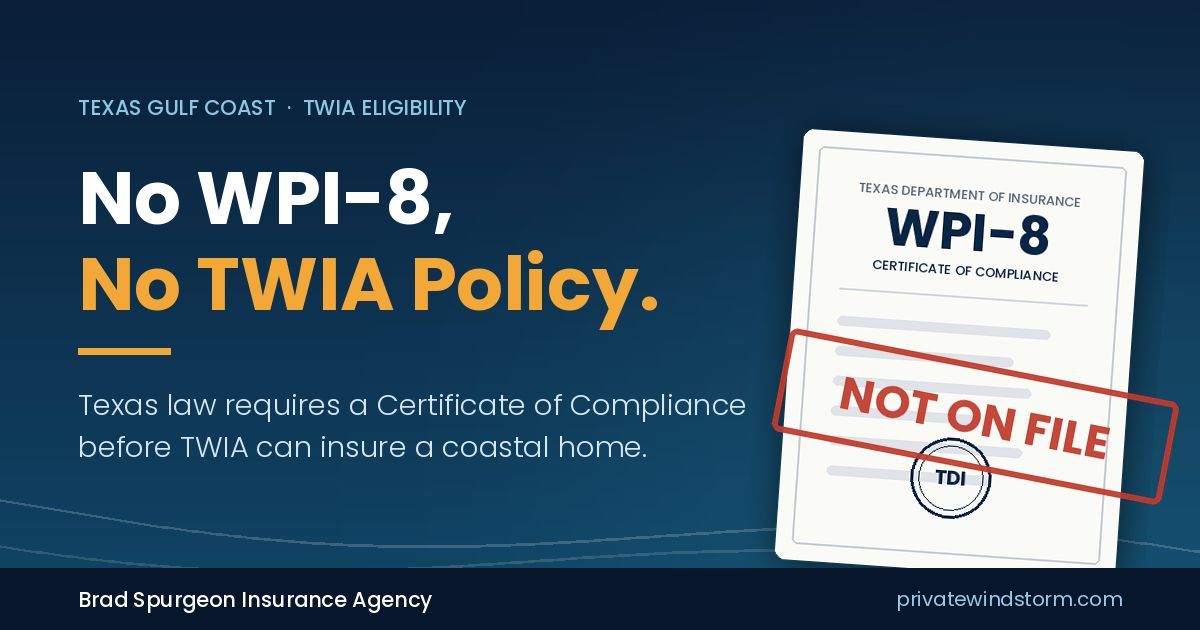
To qualify for a TWIA policy, your property usually needs to:
- Be located in an eligible coastal county (such as Galveston County, where Texas City, Texas, is located)
- Meet specific building code requirements for wind resistance
- Be certified by the Texas Department of Insurance (TDI)
Can You Combine Windstorm Insurance with Other Policies?
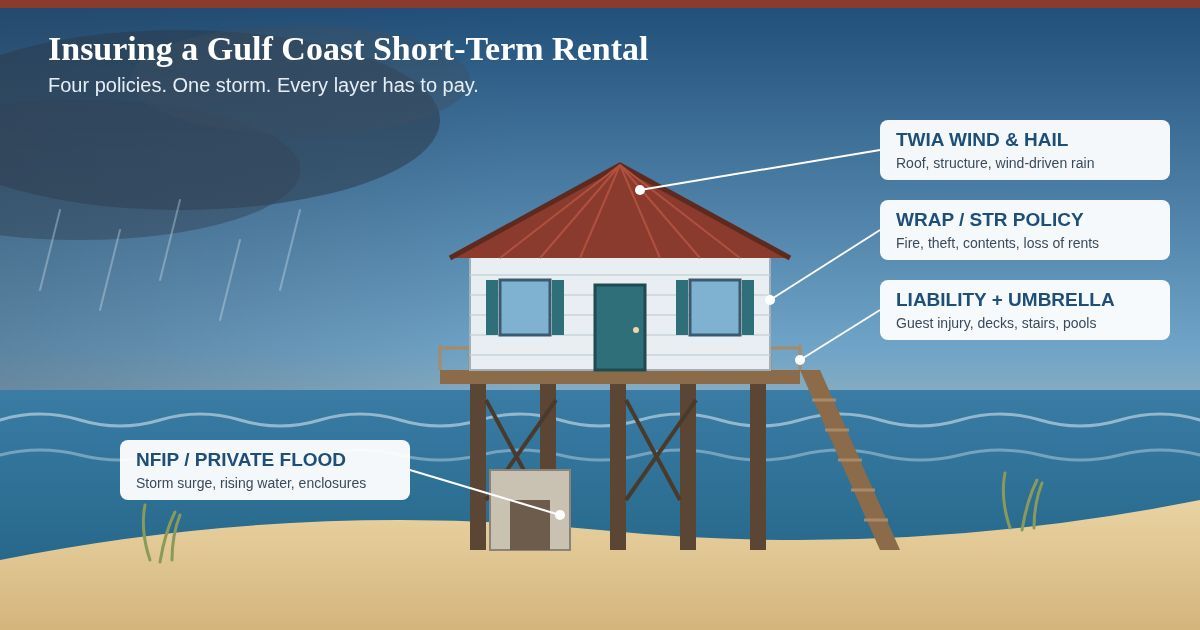
Yes—but not in the way many people expect. Windstorm insurance can be layered or coordinated with other types of coverage to create a more complete protection plan. Here’s how it typically works:
1. Homeowners Insurance + Windstorm Insurance
- Your homeowners policy covers general perils like fire, theft, and water leaks—but often excludes wind or hail damage if you live near the coast.
- Adding a windstorm policy ensures your property is protected from hurricane-force winds and other severe weather.
- Together, they provide a more comprehensive safety net for your home.
2. Windstorm Insurance + Flood Insurance
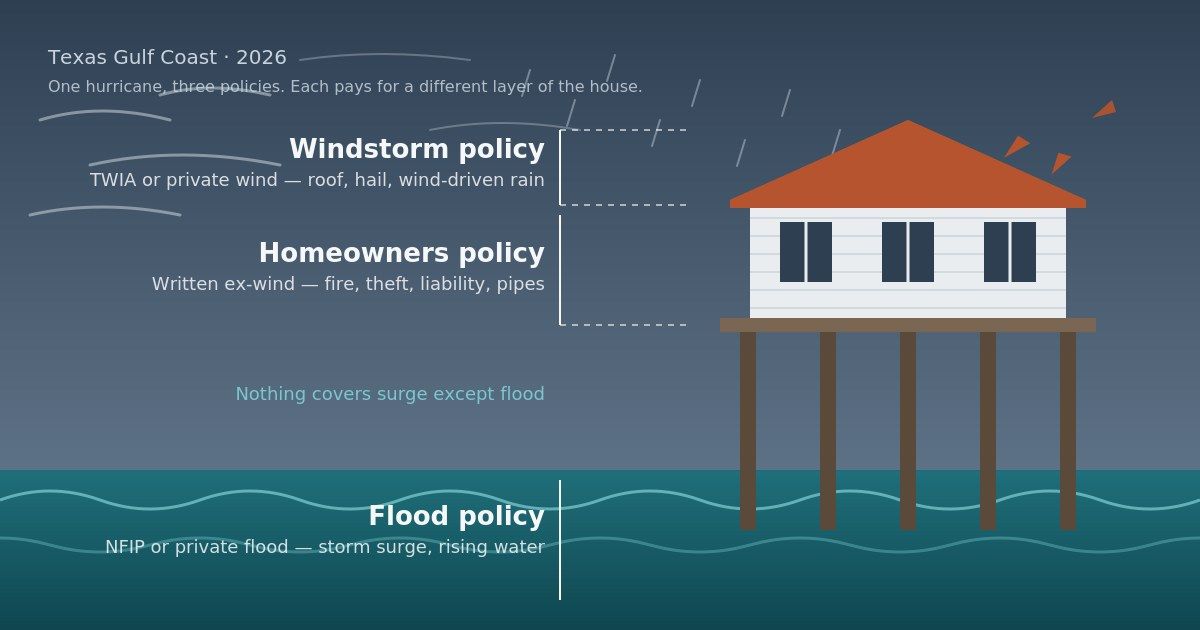
It’s a common misconception that flood damage is covered under windstorm insurance—it’s not. Flood damage is handled through a separate flood insurance policy, typically backed by FEMA’s National Flood Insurance Program (NFIP) or a private insurer.
Example:
A hurricane hits Texas City, Texas, and your home suffers both roof damage from high winds and flooding from storm surge.
- Your windstorm policy would cover the roof and structural wind damage.
- Your flood policy would cover water damage caused by rising floodwaters.
To be fully protected, many coastal homeowners carry both windstorm and flood insurance in addition to their homeowners policy.
3. Renters and Condo Owners
If you rent or own a condo near the coast:
- Renters: You can purchase a renters insurance policy for your personal belongings and add windstorm coverage if required by your lease or property manager.
- Condo Owners: Your condo association’s master policy may cover exterior wind damage, but you’ll likely need your own unit owner’s policy for interior damage and personal property.
Benefits of Combining Coverage
When properly coordinated, these policies offer:
- Comprehensive protection:
Covers wind, flood, and general property damage.
- Streamlined claims: Easier coordination between insurers when damage comes from multiple sources.
- Peace of mind: Confidence knowing you’re protected from Texas’s unpredictable weather.
- Customizable options: You can tailor deductibles and limits to fit your budget and risk level.
Important Considerations Before Combining Policies
- Review your exclusions: Make sure you know what each policy covers and excludes.
- Understand deductibles: Windstorm policies often have percentage-based deductibles, especially in hurricane zones.
- Keep documentation: Maintain proof of property inspections, certifications, and maintenance for claims.
- Work with a licensed local agent: An experienced insurance professional in Texas City, Texas, can help you compare coverage options, ensure compliance with TWIA requirements, and bundle policies where possible.
- Check for discounts: Some insurers offer multi-policy discounts when you bundle homeowners, auto, or flood insurance.
The Bottom Line
For homeowners along the Texas Gulf Coast, windstorm insurance is essential, but it shouldn’t stand alone. Combining it with homeowners and flood insurance creates a stronger shield against the financial fallout of hurricanes, tropical storms, and high winds.
If you live in or near Texas City, Texas, talk to a local insurance professional about your options. They can help ensure your home and belongings are fully protected—no matter what the next storm season brings.
At Brad Spurgeon Insurance Agency Inc., we aim to provide comprehensive insurance policies that make your life easier. We want to help you get insurance that fits your needs. You can get more information about our products and services by calling our agency at (409) 945-4746. Get your free quote today by CLICKING HERE.
Disclaimer: The information presented in this blog is intended for informational purposes only and should not be considered as professional advice. It is crucial to consult with a qualified insurance agent or professional for personalized advice tailored to your specific circumstances. They can provide expert guidance and help you make informed decisions regarding your insurance needs.