Assessing Your Home's Flood Zone Status: A Guide To Determining Potential Flood Risks

June 19, 2023
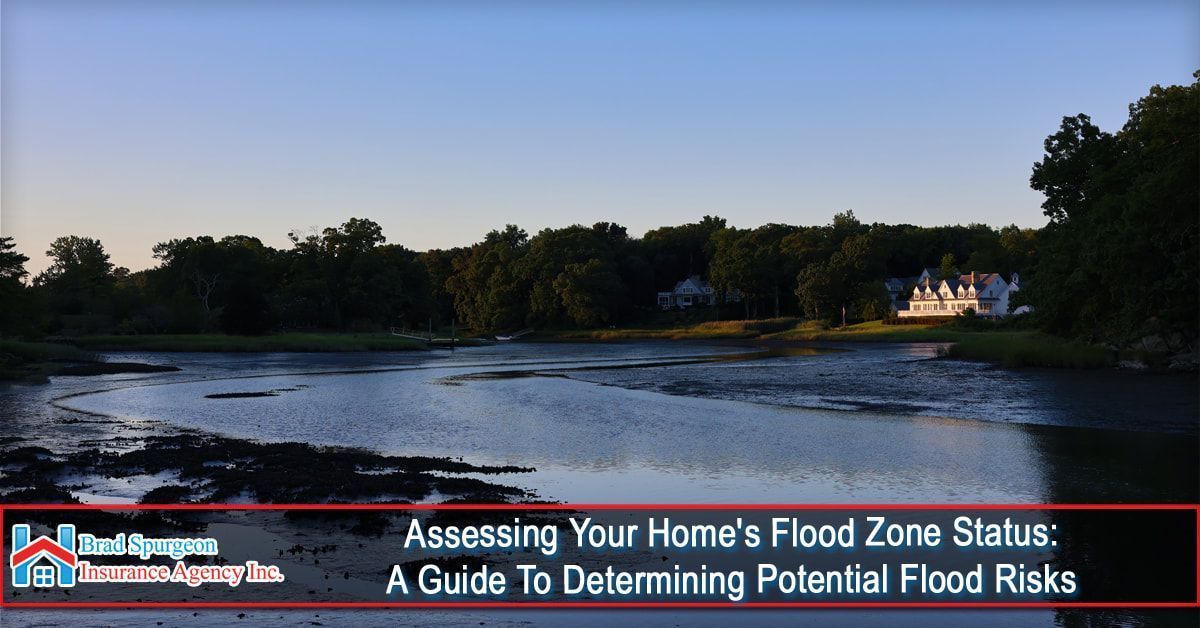
A coastal landscape with trees and a house, titled


Living in Texas City, TX, means being aware of the potential risks associated with flooding. One of the first steps in preparing for a potential flood is determining whether your home is located in a flood zone. In this article, we will explore how to determine if your home is in a flood zone.


What is a Flood Zone?

A flood zone is an area that is at risk of flooding. Flood zones are identified by the Federal Emergency Management Agency (FEMA) and are used by insurance companies to determine flood insurance rates. Flood zones are based on several factors, including the area's elevation, proximity to bodies of water, and historical flood data.


How to Determine if Your Home is in a Flood Zone?

There are several ways to determine if your home is located in a flood zone in Texas City, TX:


Check the FEMA Flood Map

The FEMA Flood Map is a tool that provides information about flood zones in specific areas. Homeowners can check the map to see if their property is located in a flood zone. The map is available online on FEMA's website, and it is updated regularly to reflect changes in flood zones.


Contact Your Local Government

In some cases, local government offices may have information about flood zones in the area. Homeowners can contact their local government offices to inquire about flood zone information and request copies of maps or other resources.


Hire a Professional

If you are unsure whether your home is located in a flood zone, you can hire a professional to conduct a flood risk assessment. A professional can assess the potential risks associated with flooding and provide recommendations for how to prepare for potential flooding events.


Why is it Important to Know if Your Home is in a Flood Zone?

Knowing if your home is located in a flood zone is important for several reasons. First, it can help you prepare for potential flooding events by taking steps to protect your property, such as purchasing flood insurance or installing flood-resistant features. Second, it can help you understand the potential risks associated with living in the area and make informed decisions about where to live or invest in property.


In conclusion, determining whether your home is located in a flood zone is an important step in preparing for potential flooding events in Texas City, TX. Homeowners can check the FEMA Flood Map, contact their local government offices, or hire a professional to conduct a flood risk assessment to determine if their property is located in a flood zone. Understanding the potential risks associated with living in a flood zone can help homeowners take steps to protect their property and make informed decisions about where to live or invest in property.


At Brad Spurgeon Insurance Agency Inc., we do our best to make sure that our clients are well-protected with affordable and comprehensive policies. We make sure to go the extra mile to help you with your needs. To learn more about how we can help you, please contact our agency at (409) 945-4746 or Click Here to request a free quote. Topics and coverage discussed in this article are not guaranteed, consult with your agents to determine what your policy does and does not cover. We are more than happy to help!

Insurance industry steady going into 2026: A positive outlook for life and nonlife
By Brad Spurgeon March 18, 2026
The insurance industry shows stability heading into 2026. Contact us for expert home, flood, & windstorm insurance solutions.
March 17, 2026
Inflation raises home insurance costs because it increases the price of labor, building materials, repairs, and replacement after a covered loss. When it costs more to rebuild a roof, replace flooring, restore water damage, or repair storm-related destruction, insurers usually adjust premiums and coverage calculations
March 17, 2026
Private flood insurance and NFIP flood insurance both protect against flood damage, but they are not built the same way. NFIP policies follow standardized federal rules and coverage limits, while private flood policies may offer higher limits, broader options, and more flexibility depending on the carrier.
Windstorm Insurance “Direct Physical Loss” Explained: How It Impacts Your Claim
March 17, 2026
“Direct physical loss” in windstorm insurance generally means there must be real, physical damage to ..
March 12, 2026
Roof age can directly affect your home insurance premium, eligibility, and claim experience because insurers view older roofs as more likely to suffer damage or fail during severe weather. In many cases, the older the roof, the higher the risk profile, especially if maintenance is unclear or the roofing material is nea
A beach house stands under a dark, stormy sky with wind-blown trees. Text reads:
February 16, 2026
Windstorms are typically categorized by the type of event—thunderstorms and straight-line winds, tropical storms,..
A rainy, evening street scene featuring a coffee shop storefront, with overlay text about business flood insurance.
February 16, 2026
Flood insurance is one of the most important tools for business continuity because a single flood event can shut down operations..
A person in a hard hat inspects a room under renovation, with text about updating windstorm insurance after home repairs.
February 10, 2026
Renovations can quietly create windstorm insurance gaps because they change what your property would cost to rebuild and can introduce new materials, ..
A couple sitting on the floor among moving boxes. Text reads:
February 10, 2026
Renters insurance protects your personal belongings, liability, and temporary living expenses—but it does not insure the building itself.
Two construction workers repair a residential roof under a bright blue sky, with overlaid text about home insurance.
January 14, 2026
Compare comprehensive vs basic auto coverage. Learn key benefits, risks, and how to protect your vehicle from theft, weather, and costly damage.
Show More