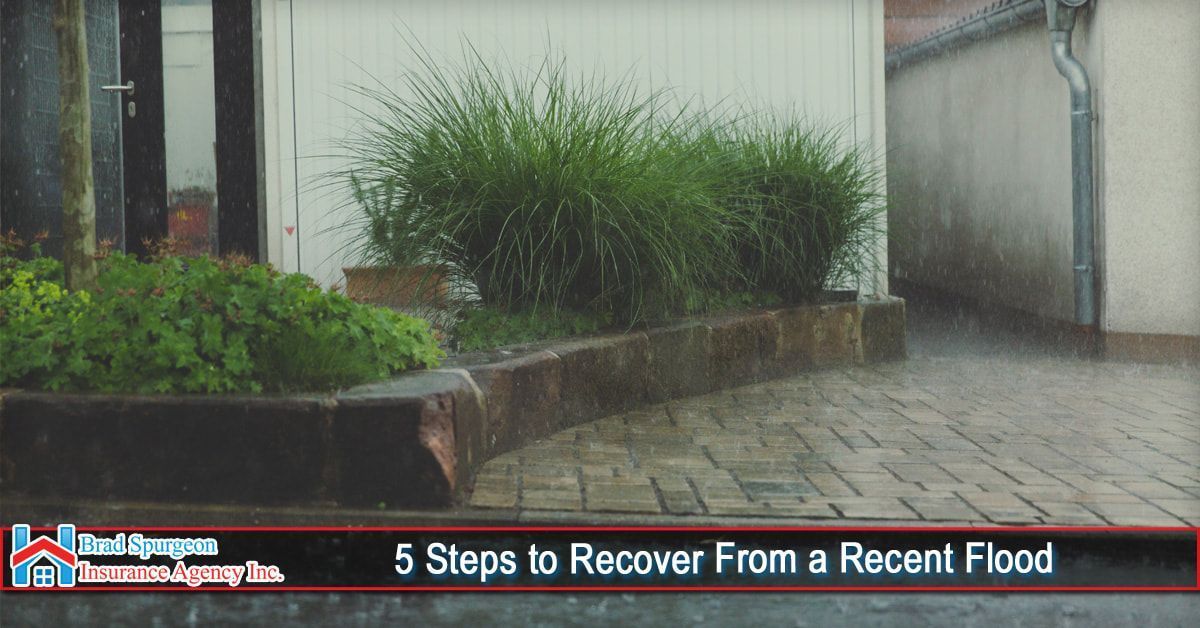
5 Steps to Recover From a Recent Flood

August 23, 2019
Picture

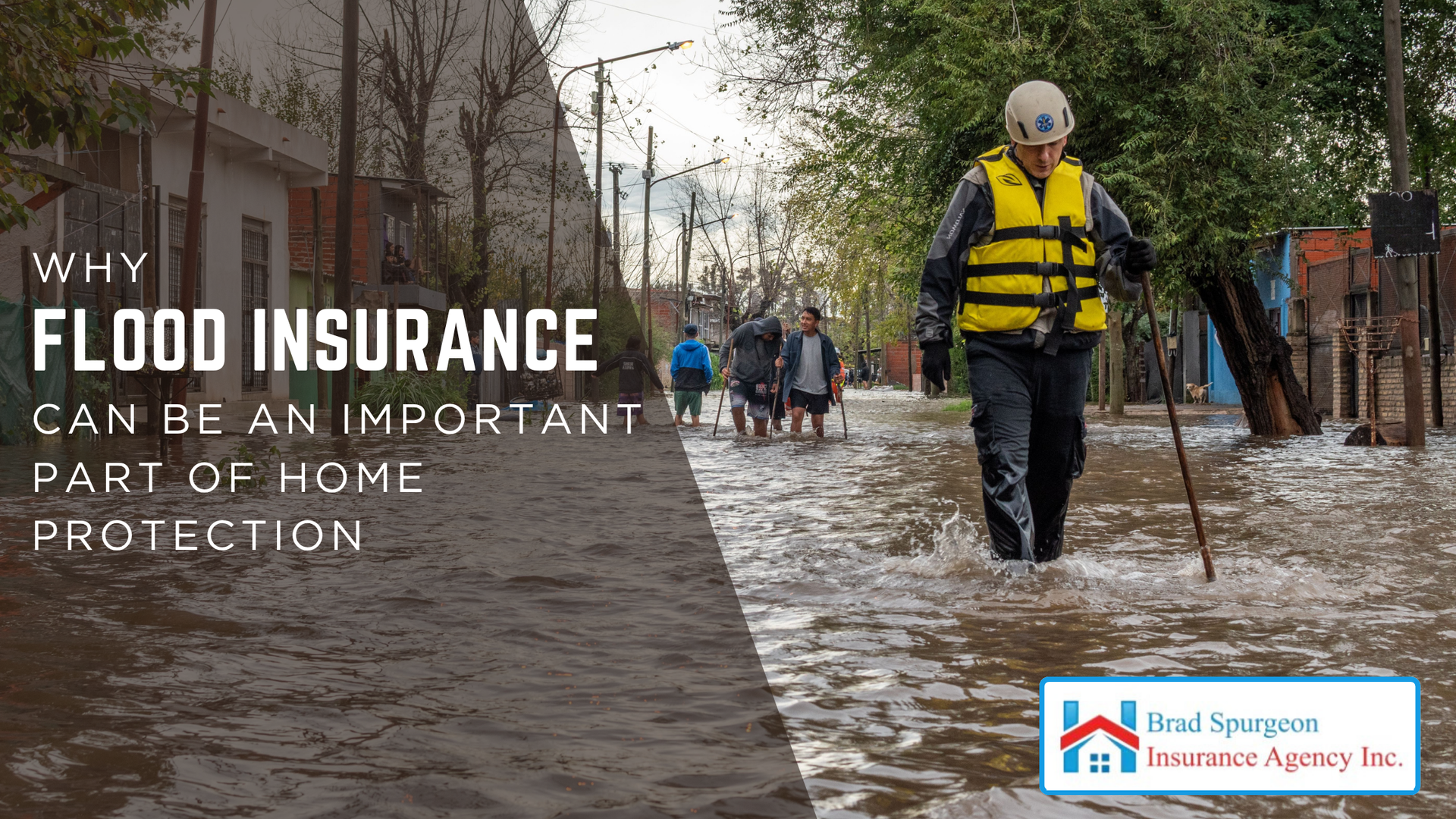
​Days of rain, as well as the impact of a hurricane, can bring about widespread flooding all over the country. If the ground saturates, that would mean additional rainfall could overflow river banks. This poses a risk to all low-lying urban areas. Thus, if your facility is located in a high-risk area, you can always seek help to minimize the damage or recover your losses. Here are the steps that you have to take to recover from a flood.


Check for safety.

Whatever happens, always make safety your number one concern. As soon as a place gets flooded or even before that happens, turn off the electrical supply to the affected area. If you don’t do this, you will risk getting electrocuted as you step into the water. Once you have turned off the water, unplug all the appliances and only use them after you have removed the water that has entered your house. 


Do not forget to wear tall boots, especially those with rubber soles. This should give you secure footing. A headlamp is necessary to provide light where you need it. For flood that has come from a sewage backup, do not attempt to clean it up yourself as this could be a biohazard. Contact professionals because they have special equipment.


Inspect all your things.

Remove and throw away anything that is wet and considered useless such as pillows, mattresses, insulation, moldings and even damaged parts of walls. Dispose of carpets, pads and other floor coverings. In the case of wood flooring, you need to expose it outside to dry in the sun. Salvage other items like clothing and furniture but be sure to wash them using hot water and disinfect them thoroughly. Aside from this, you need to disinfect other structural areas using detergent solutions.


Flood-proof your home.

After the water is gone, move your things upstairs. However, keep checking things for damage. Check shower curtains for the presence of molds. If you experience floods every now and then, store important items in high places and do not overcrowd the floor and lower areas. Also, replace cardboard boxes with plastic bins or even something better.


Set up the drying equipment.

After you have made sure that the water is gone and the rug is dry, turn the power back on. Set up the drying equipment or every fan that you have. You can borrow from your friends if you want. If you can, get industrial sized fans. Dehumidifiers can also help speed up the drying process.


Proceed to reconstruction.

Wait until everything is dried up before you can start reconstruction. Proceed to repairs and begin with major ones. You can assign different people to do different repairs for both major and minor ones. Just make sure everything is thoroughly dry and not just dry on the surface. This is because if you begin reconstruction too early, your furniture might experience gradual structural damage.


Some Final Words

Nobody said you should do everything on your own. If the damage to your basement or ground floor is something you cannot handle, then call for professional help. Some companies can provide fans and dehumidifiers. They can also restore the items or repair them. However, for your damaged items and parts of the house, you will need a flood insurance policy.


At Brad Spurgeon Insurance Agency Inc., we do our best in making sure that our clients are well-protected with affordable and comprehensive policies. We make sure to go the extra mile to help you with your needs. To learn more about how we can help you, please contact our agency at (409) 945-4746 or Click Here to request a free quote.

Insurance industry steady going into 2026: A positive outlook for life and nonlife
By Brad Spurgeon March 18, 2026
The insurance industry shows stability heading into 2026. Contact us for expert home, flood, & windstorm insurance solutions.
March 17, 2026
Inflation raises home insurance costs because it increases the price of labor, building materials, repairs, and replacement after a covered loss. When it costs more to rebuild a roof, replace flooring, restore water damage, or repair storm-related destruction, insurers usually adjust premiums and coverage calculations
March 17, 2026
Private flood insurance and NFIP flood insurance both protect against flood damage, but they are not built the same way. NFIP policies follow standardized federal rules and coverage limits, while private flood policies may offer higher limits, broader options, and more flexibility depending on the carrier.
Windstorm Insurance “Direct Physical Loss” Explained: How It Impacts Your Claim
March 17, 2026
“Direct physical loss” in windstorm insurance generally means there must be real, physical damage to ..
March 12, 2026
Roof age can directly affect your home insurance premium, eligibility, and claim experience because insurers view older roofs as more likely to suffer damage or fail during severe weather. In many cases, the older the roof, the higher the risk profile, especially if maintenance is unclear or the roofing material is nea
A beach house stands under a dark, stormy sky with wind-blown trees. Text reads:
February 16, 2026
Windstorms are typically categorized by the type of event—thunderstorms and straight-line winds, tropical storms,..
A rainy, evening street scene featuring a coffee shop storefront, with overlay text about business flood insurance.
February 16, 2026
Flood insurance is one of the most important tools for business continuity because a single flood event can shut down operations..
A person in a hard hat inspects a room under renovation, with text about updating windstorm insurance after home repairs.
February 10, 2026
Renovations can quietly create windstorm insurance gaps because they change what your property would cost to rebuild and can introduce new materials, ..
A couple sitting on the floor among moving boxes. Text reads:
February 10, 2026
Renters insurance protects your personal belongings, liability, and temporary living expenses—but it does not insure the building itself.
Two construction workers repair a residential roof under a bright blue sky, with overlaid text about home insurance.
January 14, 2026
Compare comprehensive vs basic auto coverage. Learn key benefits, risks, and how to protect your vehicle from theft, weather, and costly damage.
Show More