Brad Spurgeon Insurance Agency Inc. Blog

February 16, 2026
Windstorms are typically categorized by the type of event—thunderstorms and straight-line winds, tropical storms, hurricanes, tornadoes, and severe coastal wind events—and each category causes damage in predictable ways. Understanding how wind loads, wind-driven rain, debris impact, and pressure changes damage building
February 16, 2026
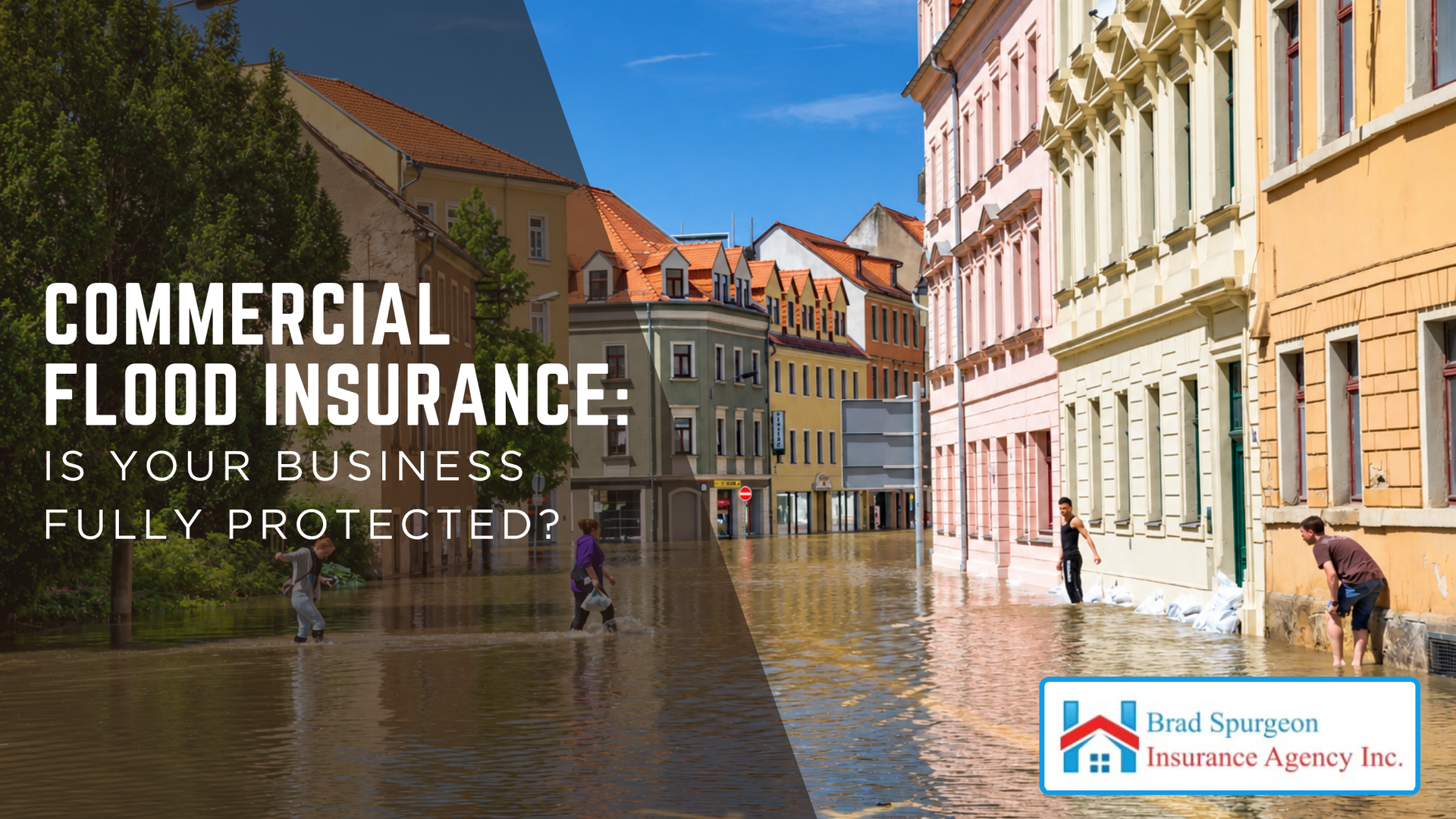
Flood insurance is one of the most important tools for business continuity because a single flood event can shut down operations, destroy inventory, and disrupt cash flow—even when the building structure survives. The right flood strategy combines proper flood coverage with a continuity plan that addresses downtime, ve
February 10, 2026
Renovations can quietly create windstorm insurance gaps because they change what your property would cost to rebuild and can introduce new materials, roof shapes, and structural features that affect how a claim is settled. The safest approach is to update your windstorm coverage immediately after major upgrades—especia
February 10, 2026
Renters insurance protects your personal belongings, liability, and temporary living expenses—but it does not insure the building itself. Homeowners insurance covers the structure plus your belongings and liability, and the right choice depends on whether you own the property, how much you’d lose in a disaster, and whi
January 14, 2026
Home insurance coverage can differ significantly between new construction and older homes due to building materials, code compliance, and risk exposure. Newer homes often benefit from modern safety standards, while older homes may require specialized coverage considerations. In our years of professional service, we’ve found that understanding these differences helps homeowners in Texas City, TX secure coverage that truly reflects their property’s risks. Why Home Age Matters in Insurance Coverage Insurance carriers evaluate risk based on how a home is built, maintained, and updated. The age of a home provides clues about everything from wiring and plumbing to wind resistance and code compliance. While both new and older homes can be well-protected, the path to proper coverage is often very different. Insurance Considerations for New Construction Homes New construction homes are typically built to meet current building codes and safety standards, which can positively influence insurance options. Advantages of Insuring New Construction Newer homes often benefit from: Modern electrical, plumbing, and HVAC systems Updated wind-mitigation standards Stronger roof attachment and materials Lower likelihood of immediate maintenance-related claims In our professional experience, insurers generally view new construction as lower risk, which can result in broader carrier availability and more favorable pricing. Coverage Still Requires Careful Review Even with newer homes, coverage should not be assumed to be “automatic.” Important considerations include: Adequate dwelling limits based on rebuild cost, not purchase price Proper coverage for upgrades or custom features Windstorm and deductible structures aligned with exposure Homes near coastal features such as the Texas City Dike may still require specialized wind or storm-related endorsements regardless of age. Insurance Challenges With Older Homes Older homes can present unique risks that insurers evaluate closely. Common Risk Factors in Older Homes Insurance carriers often look for: Outdated electrical systems Aging plumbing or galvanized pipes Older roofing materials Non-compliant construction features In Texas City, TX, older homes may have been built under standards that differ significantly from today’s requirements, which can impact both eligibility and pricing. How Older Homes Can Still Be Well-Insured Age alone does not make a home uninsurable. In our years of professional service, we’ve helped homeowners secure strong coverage by focusing on: Documented updates and renovations Roof replacements or reinforcements Plumbing and electrical system upgrades Clear maintenance records These improvements often help offset age-related concerns and expand carrier options. Replacement Cost Differences Between New and Older Homes Replacement cost is one of the most important distinctions between new and older homes. Rebuilding New Construction For newer homes, replacement cost is often easier to calculate because: Materials and designs are standardized Construction methods are current Code compliance is already built in This can reduce uncertainty when setting dwelling limits. Rebuilding Older Homes Older homes can be more complex and expensive to rebuild due to: Custom or discontinued materials Higher labor costs for specialized work Required code upgrades during rebuilding In our professional experience, underestimating replacement cost is one of the most common coverage gaps for older homes. Policy Endorsements Often Differ by Home Age Insurance policies are rarely identical across different home types. Common Endorsements for Older Homes Older properties may require or benefit from: Ordinance or law coverage for code upgrades Limited water damage endorsements Roof-specific coverage provisions Common Endorsements for New Homes Newer homes may qualify for: Wind mitigation credits Lower deductibles due to construction features Broader coverage options with fewer exclusions Homes near community areas like Bay Street Park may face similar environmental exposure regardless of age, but construction quality still plays a major role in coverage structure. Claims Experience: New vs. Older Homes Claims trends also differ between new and older properties. Typical Claims for New Construction These may include: Storm-related roof damage Isolated water losses Manufacturer or installation defects Typical Claims for Older Homes Older homes are more likely to experience: Plumbing-related water damage Electrical issues Wear-related failures misclassified as sudden losses Understanding these trends helps homeowners anticipate coverage needs and avoid surprises during claims. Choosing the Right Coverage for Your Home’s Age Whether your home is newly built or decades old, the goal is the same: align coverage with real risk. Key Questions Homeowners Should Ask Is my dwelling limit based on rebuild cost? Are my systems and roof accurately reflected in the policy? Do I have endorsements that match my home’s age and condition? Are deductibles realistic for my financial situation? In Texas City, TX, we’ve seen homeowners benefit greatly from policy reviews that account for how construction age affects both coverage and claims outcomes. Making Confident Insurance Decisions New construction and older homes each come with distinct insurance considerations. The key is not which type is “better,” but whether the policy is properly tailored to the home you own. At Brad Spurgeon Insurance Agency Inc., we aim to provide comprehensive insurance policies that make your life easier. We want to help you get insurance that fits your needs. You can get more information about our products and services by calling our agency at (409) 945-4746. Get your free quote today by CLICKING HERE. Brad Spurgeon Insurance Agency Inc. Address: Texas City, TX Phone: (409) 945-4746 Website: https://www.privatewindstorm.com/
January 14, 2026
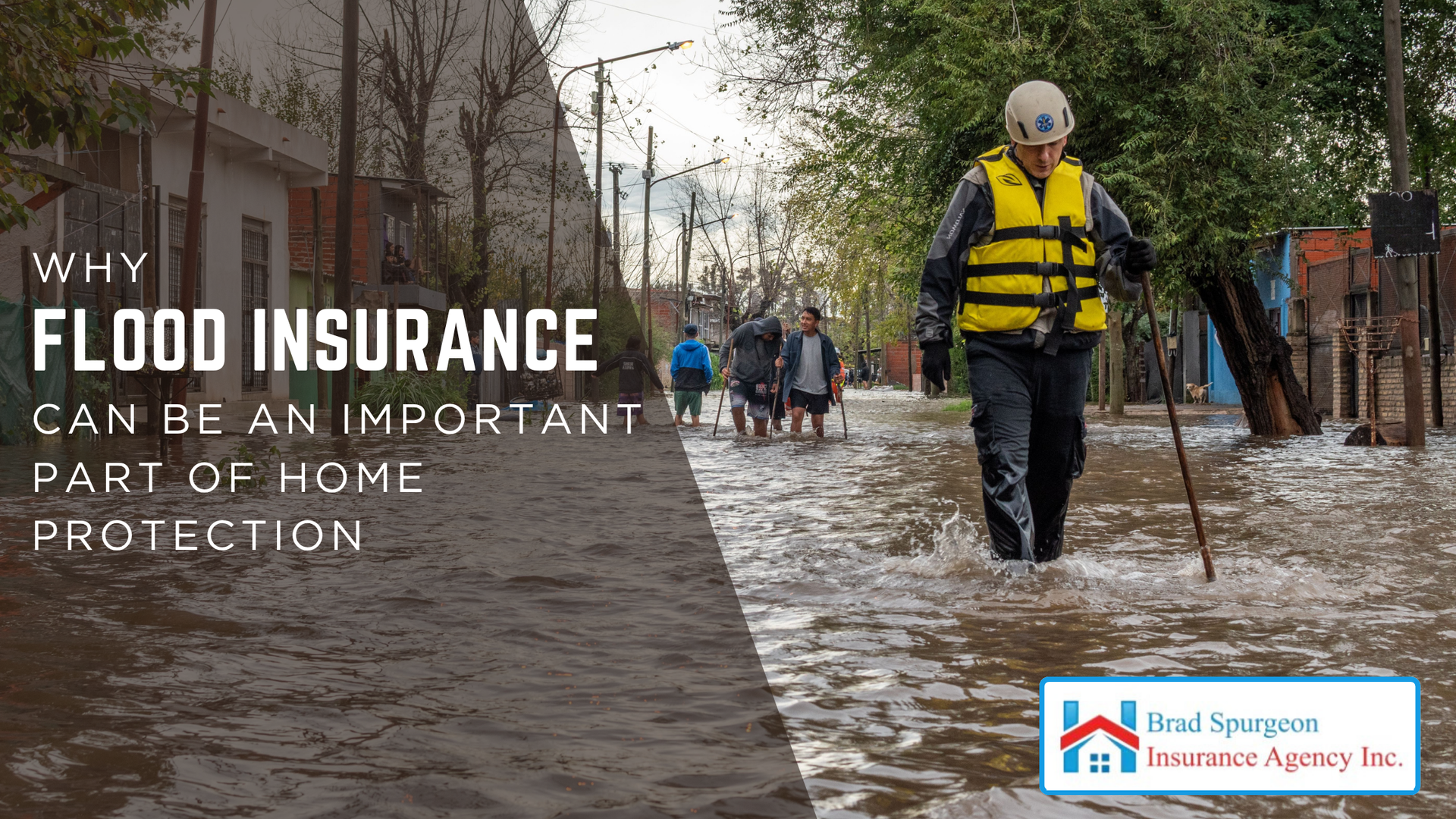
Flood insurance i s one of the most misunderstood types of coverage, and common myths often leave homeowners dangerously underinsured. Many people assume floods are covered by standard homeowners policies or believe they are not at risk until it’s too late. In our years of professional service, we’ve seen these misconceptions lead to major financial losses for homeowners in Texas City, TX. Why Flood Insurance Is So Often Misunderstood Flood damage is one of the most frequent and costly causes of property loss, yet flood insurance remains widely misunderstood. Much of the confusion comes from assumptions about homeowners insurance and outdated ideas about who is truly at risk. Flooding doesn’t only occur during major hurricanes. Heavy rainfall, storm surge, drainage failures, and rising water levels can all lead to significant damage—sometimes far from open water. Myth #1: “My Homeowners Insurance Covers Flood Damage” This is the most common and most expensive misunderstanding. The Reality Standard homeowners insurance policies do not cover flood damage. Flooding is defined separately from other types of water damage and requires a dedicated flood insurance policy. Flood damage typically includes: Storm surge Overflowing bodies of water Heavy rainfall that accumulates on the ground Water intrusion from rising tides In our professional experience, many homeowners only discover this gap after a loss has already occurred. Myth #2: “I’m Not in a High-Risk Area, So I Don’t Need Flood Insurance” Flood risk is not limited to officially designated flood zones. The Facts About Flood Risk Important truths homeowners should understand: Flooding can occur outside high-risk zones Changes in development and drainage increase flood exposure One inch of water can cause significant interior damage FEMA data shows many flood claims come from moderate- to low-risk areas Homes near coastal infrastructure and waterways, such as areas surrounding the Texas City Dike, can face flood exposure even without a history of past flooding. Myth #3: “Flood Insurance Is Too Expensive” Cost assumptions often prevent homeowners from exploring coverage options. What Flood Insurance Really Costs While pricing varies, flood insurance is often more affordable than expected, especially when: The property is outside a high-risk flood zone Coverage limits are tailored to the home’s needs Elevation and construction details are favorable In Texas City, TX, we’ve helped homeowners discover that flood insurance premiums were far lower than the potential cost of a single flood-related repair. Myth #4: “Federal Disaster Assistance Will Cover My Losses” Relying on disaster assistance is a risky strategy. Why Disaster Aid Is Not Insurance Key differences include: Disaster aid is only available if a disaster is declared Assistance often comes as a loan, not a grant Aid amounts are limited and rarely cover full repair costs Flood insurance provides guaranteed coverage based on your policy terms, regardless of whether a disaster declaration is made. Myth #5: “Flood Insurance Only Covers the Structure” Many homeowners underestimate the scope of flood coverage. What Flood Insurance Can Cover Depending on the policy, flood insurance may include: Structural components of the home Electrical and plumbing systems Major appliances Certain personal property items Understanding what is and isn’t covered helps avoid surprises during the claims process. Why Flood Losses Are So Financially Severe Flood damage often affects multiple parts of a home simultaneously. Flooring, walls, wiring, insulation, and appliances may all need replacement after a single event. In our years of professional service, we’ve seen flood losses that far exceeded homeowners’ expectations—especially when cleanup, mold prevention, and temporary living costs are factored in. When Flood Insurance Is Most Critical Flood insurance is especially important if: Your home is near coastal or low-lying areas Drainage infrastructure is limited You’ve experienced heavy rainfall or near-flood events Your mortgage does not require flood coverage, but risk still exists Areas near Bay Street Park and similar low-elevation zones can experience flooding even during moderate storms. Replacing Myths With Preparedness Flood insurance myths persist because floods feel unlikely—until they happen. Replacing assumptions with accurate information is one of the most effective ways to protect your home and finances. We consistently advise homeowners to evaluate flood risk based on real exposure, not outdated beliefs or zone labels. Making Smart Flood Insurance Decisions Flood insurance is not about fear—it’s about preparation. Understanding the facts allows you to make informed choices that protect your property and financial stability. At Brad Spurgeon Insurance Agency Inc., we aim to provide comprehensive insurance policies that make your life easier. We want to help you get insurance that fits your needs. You can get more information about our products and services by calling our agency at (409) 945-4746. Get your free quote today by CLICKING HERE . Brad Spurgeon Insurance Agency Inc. Address: Texas City, TX Phone: (409) 945-4746 Website: https://www.privatewindstorm.com/
January 14, 2026
Windstorm insuranc e rates can vary widely from one homeowner to another because pricing is based on risk, construction details, and policy structure—not just location alone. Factors such as roof type, building materials, deductibles, and coverage limits all play a role in determining premiums. In our years of professional service, we’ve found that understanding these variables helps homeowners in Texas City, TX make smarter, more cost-effective coverage decisions. What Windstorm Insurance Is Designed to Cover Windstorm insurance is intended to protect homes from damage caused by high winds, including hurricanes, tropical storms, and severe wind events. Along the coast, this coverage is often excluded from standard homeowners policies and must be purchased separately or through a specialized program. Because wind damage can result in large-scale losses, insurers assess risk carefully. This is why premiums can differ significantly—even between homes that appear similar on the surface. Location Risk Is Only the Starting Point Geographic exposure is one of the first pricing considerations, but it is not the only one. How Insurers Evaluate Wind Exposure Insurance carriers consider: Proximity to the coastline or open water Historical storm frequency and severity Regional wind maps and catastrophe models Homes closer to areas like the Texas City Dike or other exposed coastal infrastructure are generally considered higher risk, but location alone does not determine the final rate. In Texas City, TX, two neighboring homes can have very different premiums depending on how well they are built and protected. Construction Features That Impact Windstorm Rates The way a home is built has a major influence on windstorm insurance pricing. Key Structural Factors Insurers Review Common construction-related factors include: Roof shape (hip roofs often perform better than gable roofs) Roof covering material and age Roof-to-wall attachment methods Wall construction (masonry vs. frame) Presence of storm shutters or impact-resistant windows In our professional experience, newer construction or homes that have been upgraded to meet modern wind-mitigation standards often qualify for lower premiums. Roof Condition and Materials Matter More Than Many Realize The roof is one of the most critical components in windstorm risk evaluation. Why Roof Details Affect Pricing Insurers closely examine: Roof age and remaining useful life Type of roofing material Installation method and maintenance history An older roof—even on an otherwise well-maintained home—can significantly increase windstorm insurance costs or limit carrier options. We frequently advise homeowners that roof improvements can have a direct and measurable impact on premiums. Deductibles Play a Major Role in Pricing Windstorm policies often use percentage-based deductibles rather than flat dollar amounts. Understanding Windstorm Deductibles Key points to consider: Deductibles are commonly based on a percentage of the dwelling limit Higher deductibles usually result in lower premiums Lower deductibles increase premiums but reduce out-of-pocket exposure In our years of professional service, we’ve found that many homeowners underestimate how percentage deductibles work until a claim occurs. Choosing the right deductible is a balance between affordability and financial preparedness. Coverage Limits and Policy Structure The amount of coverage you choose directly affects your premium. How Coverage Choices Influence Cost Insurers factor in: Dwelling coverage limits Extended or guaranteed replacement cost options Ordinance or law coverage Additional endorsements Policies with broader protection and higher limits naturally cost more, but they also reduce the risk of underinsurance after a major storm. Claims History and Insurance Score Your personal insurance profile also plays a role. Personal Factors That Can Affect Rates These may include: Prior windstorm or property claims Length of insurance history Overall insurance score While these factors don’t outweigh construction or exposure risks, they can influence which carriers are available and how competitively a policy is priced. Why Rates Can Change Over Time Even if nothing about your home changes, windstorm rates can still increase. Common Reasons for Rate Changes Rising reinsurance costs for insurers Increased frequency or severity of storms Changes in building codes or loss data Market shifts affecting carrier participation In our professional experience, regular policy reviews help homeowners stay ahead of these changes rather than reacting after a premium spike. Using Knowledge to Control Windstorm Costs While no one can control the weather, homeowners do have influence over many pricing factors. Upgrading roof materials, maintaining the property, selecting appropriate deductibles, and reviewing coverage regularly can all help manage windstorm insurance costs. We’ve worked with homeowners near Bay Street Park and surrounding neighborhoods who were able to improve their pricing position simply by understanding how insurers view risk. Making Informed Windstorm Insurance Decisions Windstorm insurance rates vary because risk varies. The more accurately your policy reflects your home’s true risk profile, the more likely you are to secure appropriate coverage at a reasonable cost. Understanding these pricing factors puts you in a stronger position to protect your home and finances. At Brad Spurgeon Insurance Agency Inc., we aim to provide comprehensive insurance policies that make your life easier. We want to help you get insurance that fits your needs. You can get more information about our products and services by calling our agency at (409) 945-4746. Get your free quote today by CLICKING HERE. Brad Spurgeon Insurance Agency Inc. Address: Texas City, TX Phone: (409) 945-4746 Website: https://www.privatewindstorm.com/
January 13, 2026
A denied home insurance claim does not automatically mean you’re out of options. Many denials are based on documentation issues, policy interpretation, or correctable errors rather than final decisions. In our years of professional service helping homeowners in Texas City, TX, we’ve seen that informed, timely action can often change the outcome. Why Home Insurance Claims Get Denied Insurance claim denials are frustrating, but they are also more common—and more nuanced—than most homeowners realize. A denial does not always mean the damage isn’t covered; it often means the insurer believes a specific condition of the policy was not met. Common Reasons for Claim Denials Some of the most frequent causes include: Damage excluded by the policy (such as flooding under a standard homeowners policy) Insufficient documentation or delayed reporting Wear and tear misclassified as sudden damage Disputes over the cause of loss Policy limits or deductibles affecting payout eligibility In our professional experience, many homeowners receive denial letters that are difficult to interpret without guidance, leading them to assume the decision is final when it may not be. Step One: Review the Denial Letter Carefully The denial letter is the foundation of your next steps. It explains why the insurer denied the claim and references specific policy language. What to Look for in the Letter When reviewing the denial, focus on: The stated reason for denial The policy section or exclusion being cited Any deadlines for appeals or additional documentation Instructions for requesting reconsideration We’ve found that denials are often based on narrow interpretations of policy wording, which can sometimes be challenged with supporting evidence. Step Two: Compare the Denial to Your Policy Your insurance policy —not the denial letter—is the controlling document. Carefully compare the insurer’s explanation to the actual policy language. Key Policy Sections to Review Pay close attention to: Covered perils and exclusions Definitions of damage types Deductible structure Endorsements or special provisions In our years of professional service, we’ve seen cases where coverage applied, but the insurer initially overlooked an endorsement or misapplied an exclusion. Step Three: Document and Support Your Claim Strong documentation can make the difference between a closed claim and a reconsidered one. Evidence That Can Strengthen Your Case Depending on the situation, useful documentation may include: Photos or videos taken immediately after the loss Repair estimates from licensed contractors Maintenance records showing the home was properly cared for Weather reports or third-party assessments Written statements explaining the timeline of events For homeowners near coastal infrastructure like the Texas City Dike, external factors such as wind patterns or storm timing can be especially relevant when clarifying cause of loss. Step Four: Request a Reinspection or File an Appeal Many policies allow you to formally dispute a claim decision. Options After a Denial Your next steps may include: Requesting a reinspection by the insurer Submitting additional documentation for reconsideration Filing a written appeal within the insurer’s timeframe Engaging a public adjuster in complex cases In Texas City, TX, we’ve helped homeowners understand when an appeal is appropriate versus when a different coverage solution is needed for future protection. Step Five: Understand When the Denial Is Valid Not every denial is incorrect. Some losses are legitimately excluded, and recognizing this can help you avoid unnecessary frustration. Examples of Valid Denials Common legitimate exclusions include: Flood damage under a standard homeowners policy Long-term seepage or maintenance-related damage Certain wind or named-storm exclusions without endorsements When a denial is valid, the most productive step is often reviewing your coverage gaps and adjusting your policy to prevent future exposure. How Denials Can Reveal Coverage Gaps A denied claim often highlights weaknesses in a policy that weren’t obvious at purchase. Coverage Improvements to Consider After a denial, homeowners may want to review: Windstorm or named-storm endorsements Flood insurance options Deductible structures and percentage deductibles Coverage limits for high-risk exposures In our professional experience, claim denials frequently serve as a turning point that leads to stronger, more resilient insurance protection. Why Professional Guidance Matters After a Denial Insurance policies are legal contracts, and claim decisions are not always straightforward. Having an experienced professional review your situation can help clarify your options and prevent costly mistakes. We’ve worked with homeowners near Bay Street Park and surrounding neighborhoods who initially believed they had no recourse, only to discover that additional steps were available once the policy details were properly reviewed. Moving Forward With Confidence A denied home insurance claim can feel overwhelming, but it does not have to be the end of the road. With the right documentation, a clear understanding of your policy, and informed guidance, many homeowners are able to either challenge a denial or strengthen their coverage for the future. At Brad Spurgeon Insurance Agency Inc., we aim to provide comprehensive insurance policies that make your life easier. We want to help you get insurance that fits your needs. You can get more information about our products and services by calling our agency at (409) 945-4746 . Get your free quote today by CLICKING HERE . Brad Spurgeon Insurance Agency Inc. Address: Texas City, TX Phone: (409) 945-4746 Website: https://www.privatewindstorm.com/
December 15, 2025
Choosing the right auto insurance isn’t just about meeting l egal requirements—it’s about protecting your vehicle, your finances, and your peace of mind. Many drivers only carry the minimum coverage required by their state, not realizing how vulnerable they still are to unexpected accidents, theft, weather events, and everyday mishaps. Understanding the difference between basic auto coverage and comprehensive coverage is essential for making an informed decision. Whether you're a new driver, a seasoned commuter, or someone reviewing their policy in a coastal city like Texas City, TX, knowing what each policy includes helps ensure you’re never caught off guard. What Is Basic Auto Coverage? Basic auto insurance typically includes only the minimum coverage required by state law. While this keeps premiums lower, it provides limited protection. Common Components of Basic Auto Coverage 1. Liability Insurance Covers damage or injuries you cause to others. Bodily Injury Liability: Medical costs for injured parties Property Damage Liability: Repairs to the other driver’s vehicle or property 2. Personal Injury Protection (PIP) or Medical Payments Depending on your state, this may cover: Medical bills Lost wages Certain rehabilitation expenses 3. Uninsured/Underinsured Motorist Coverage Protects you if the at-fault driver has no insurance or not enough coverage. What basic coverage DOES NOT cover: Damage to your vehicle Theft Vandalism Weather-related damage Collision with animals Drivers who rely solely on basic coverage often face large out-of-pocket expenses after an unexpected incident. What Is Comprehensive Auto Coverage? Comprehensive coverage is optional but highly recommended because it protects your vehicle from non-collision-related damage. What Comprehensive Coverage Includes Theft and Vandalism If your car is stolen or damaged intentionally. Fire, Flood, and Natural Disasters Critical for drivers in areas prone to storms or flooding—such as regions along the Gulf Coast and cities like Texas City, TX. Falling Objects Tree branches, debris, or other impacts. Weather Damage Hail, windstorms, lightning, and more. Animal Collisions Coverage for hitting a deer or other wildlife. Glass/Window Damage Often includes or can be expanded to cover windshield repair or replacement. Unlike basic coverage, comprehensive insurance helps pay for damage to your OWN vehicle—even when you're not driving.
Show More

(409) 945-4746

1118 14th Street North, Texas City, Texas 77590, United States

Click Here to Email Us