
Prevent Structural Damage Due To Wind And Hail Storms

December 21, 2017
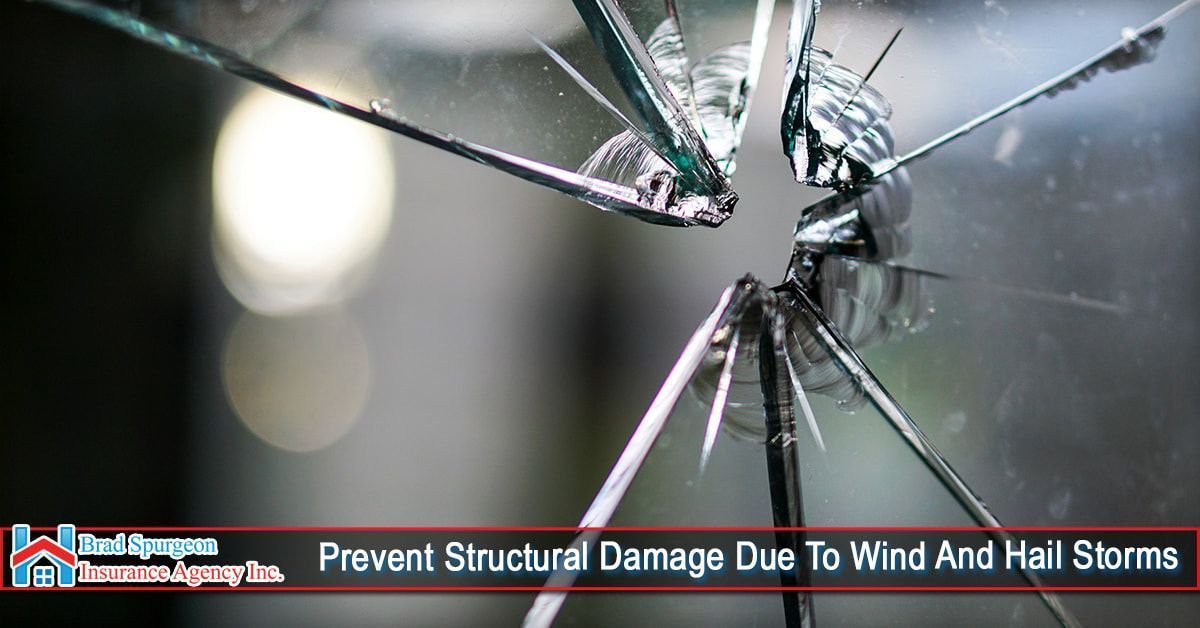
A shattered window pane with cracks radiating from a center point


If you are somehow neglecting to maintain your home and property, windstorms and hailstorms can cause damage to it, leaving you a massive loss. Roofs, doors, and windows are opening in your house that can be the entryway of strong winds and hails. If that is the case, then you should do regular maintenance to these points of entry.


While you cannot stop wind and hail storms from happening, you can lessen the damage and minimize the impacts of these natural disasters. Here are some great tips to help:


Protect Windows and Doors

Severe winds can enter through your doors and windows. If they are made of glass, they can shatter and cause harm to humans and pets alike. Secure your windows and doors so that they do not break and fall down easily. Use materials that are impact resistance and install safety shutters. In addition, have your doors open outward to lessen the impact of the powerful force of the wind.


Make Your Roof Stronger

A degraded roof can become your biggest problem in the future. The roof is one of the first to get hit by wind and hail storms. Regardless of the severity of the damage to your roof, take action accordingly. Choose roofing materials that can hold out against strong winds.


Remove Risky Shrubbery and Trees

Trees and their branches can fall on your house in the course of a storm. They can even fly and enter your home, causing injuries and destruction to anything they hit. To prevent structural damages due to trees and branches, get rid of them once they pose a problem to you.


Make Your Ridge Vents Storm-resistant

If your ridge vents are not durable enough, water can enter fast in the event of extreme weather conditions. Once the water penetrates your ridges, it goes down to the ceiling and into your home. If you see that your ridge vents already need some replacement, buy those that are water-resistant.


Outdoor Furniture Can Become a Threat

BBQ grill, tables, chairs, and cars may become your enemies once they attack your house during a strong storm. If you are aware of a coming wind or hail storm, secure any of your outdoor furniture that you think can blow in the direction of your home. You can store them in your garage or tie them tightly to a particular spot.


With the right planning and preparation, you can protect your home and property from the destruction brought on by wind and hail storms. Another way to arm yourself is to purchase homeowner’s insurance. At Brad Spurgeon Insurance Agency Inc., we take pride in making sure that our clients are well-protected at prices they can afford. To learn more about how we can help you, please contact our agency at (409) 945-4746 or Click Here to request a free quote.

September 15, 2026
If you own a home in Texas City, you already know windstorm insurance isn't optional, and you've probably felt the sting of the premium on your renewal notice. Years of active hurricane seasons along the Gulf have pushed rates higher across the board, but that doesn't mean you're stuck accepting whatever number your ca
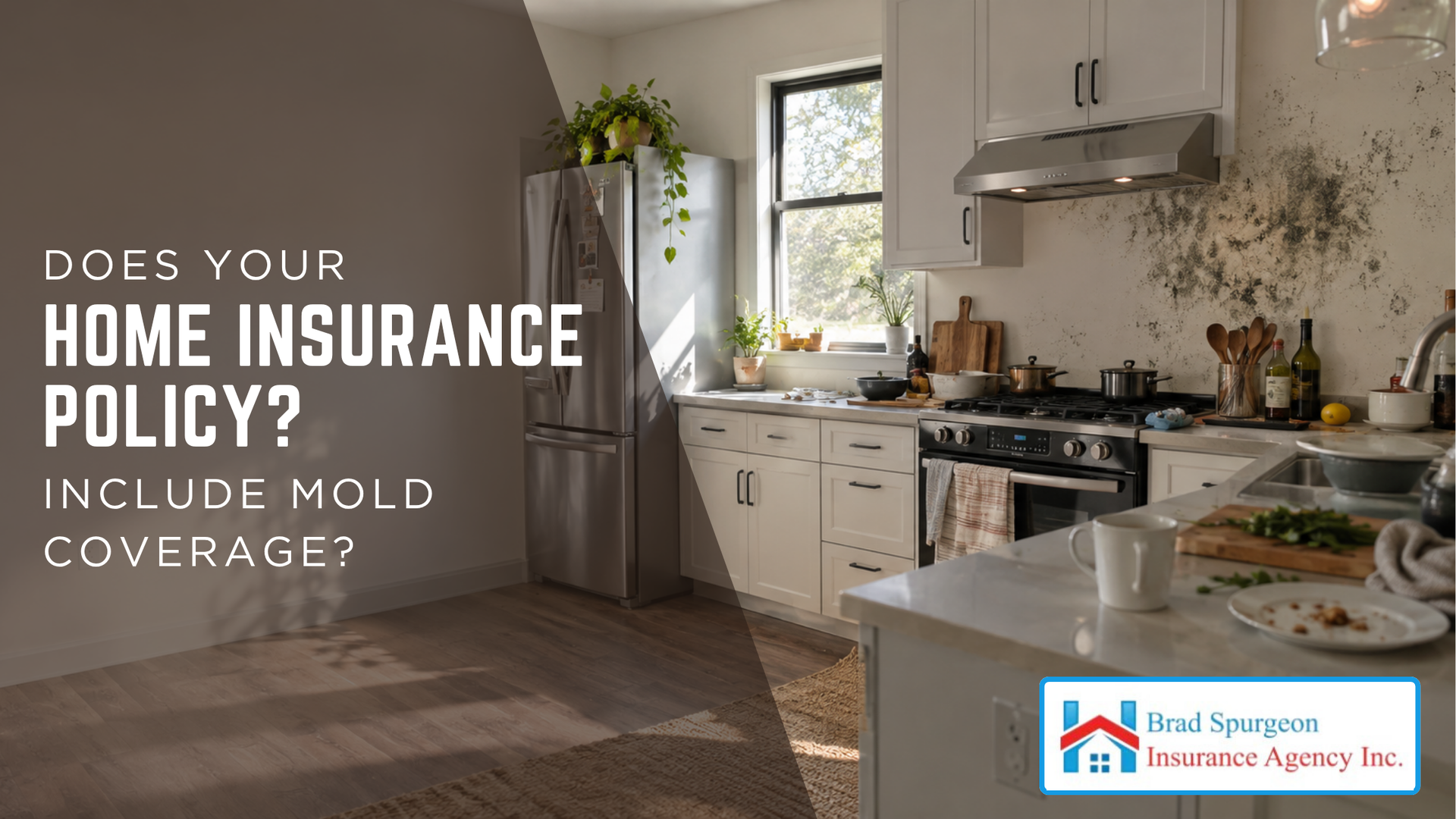
A damaged, peeling wall with dark mold growth
September 9, 2026
Mold has a way of showing up in Texas City homes when you least expect it, and Gulf Coast humidity doesn't make it any easier to avoid. Between hurricane-season moisture, everyday humidity, and the occasional leaky pipe or roof, it's one of the more common issues local homeowners run into, and also one of the more misu

September 9, 2026
Owning a home along the Texas Gulf Coast means living with a level of risk most inland homeowners never think twice about. Between hurricane season, hail storms rolling in off the Gulf, and the ever-present threat of flooding after a heavy rain, a homeowners policy here has to work harder than it does almost anywhere e
September 9, 2026
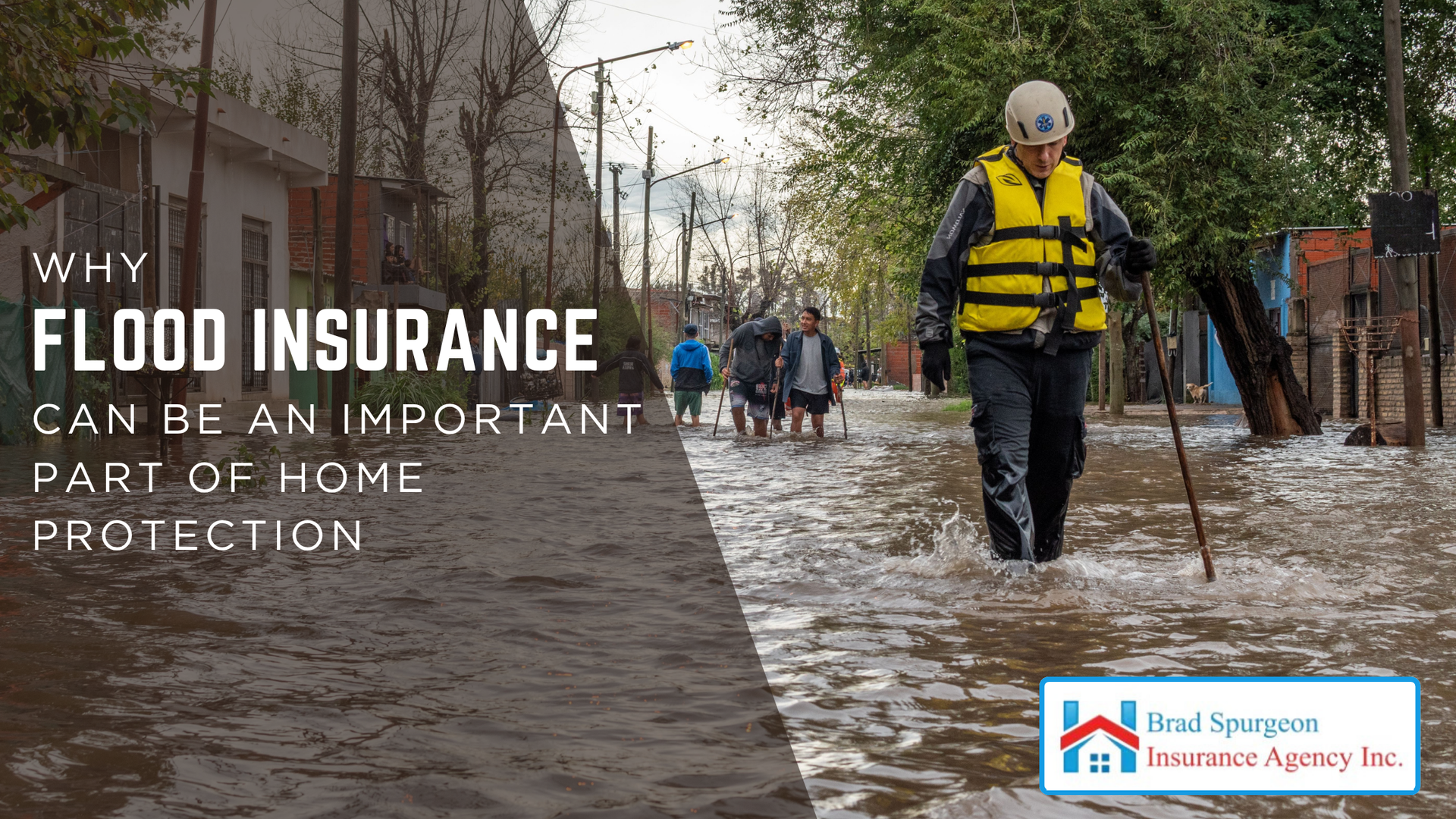
Most Texas City homeowners assume that if their house takes on water, their homeowners policy has them covered. It doesn't, and finding that out mid-claim is one of the most expensive surprises a Gulf Coast homeowner can face. Flood damage is excluded from every standard homeowners and commercial property policy in the
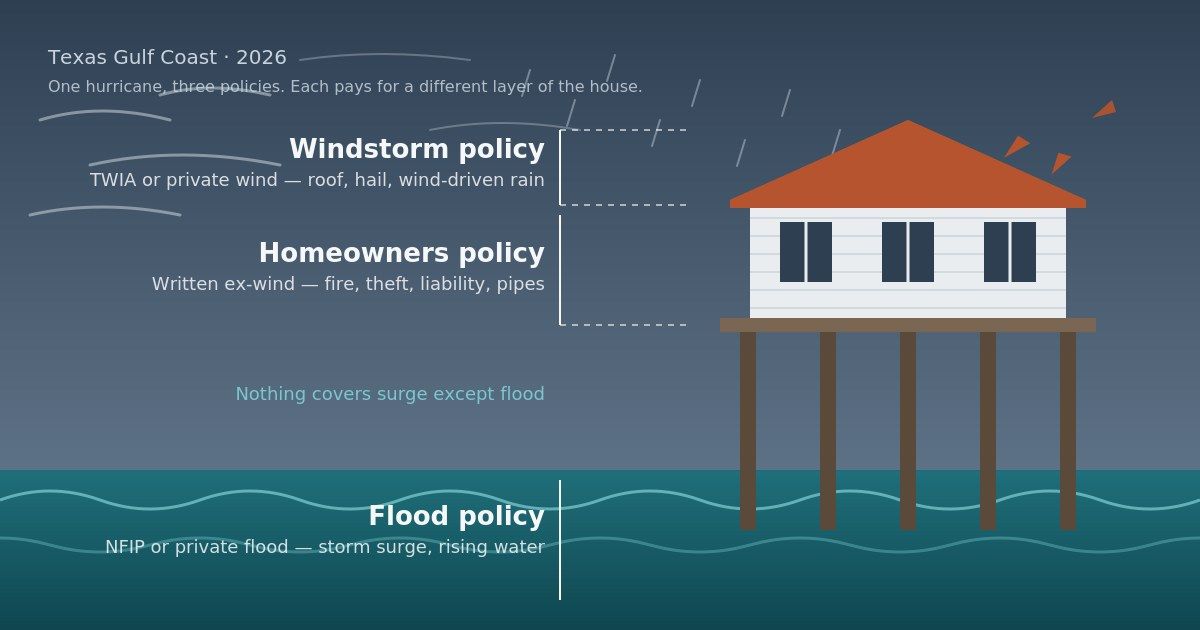
Home, homeowners, and flood policy comparison over a flooded house illustration
September 7, 2026
How Texas coastal homeowners actually get hurricane coverage: TWIA 2026 limits, the declination rule, WPI-8 certificates, named-storm deductibles, and the flood policy that pays for surge. Written by a Gulf Coast agent.
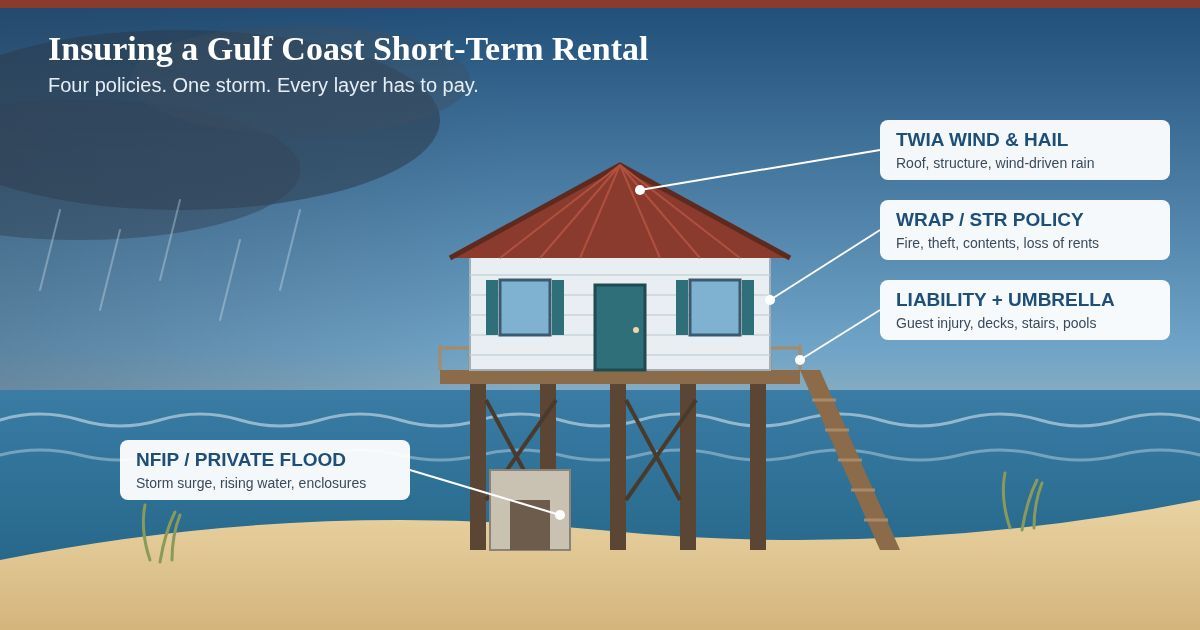
Flooded beach house on stilts with roof damage and insurance claim callouts about a Gulf Coast short-term rental
September 7, 2026
How to insure a Galveston, Crystal Beach, Surfside, or Port Aransas short-term rental: TWIA wind, NFIP flood, Fire & Liability policy, from an experienced local Gulf Coast Insurance agent.
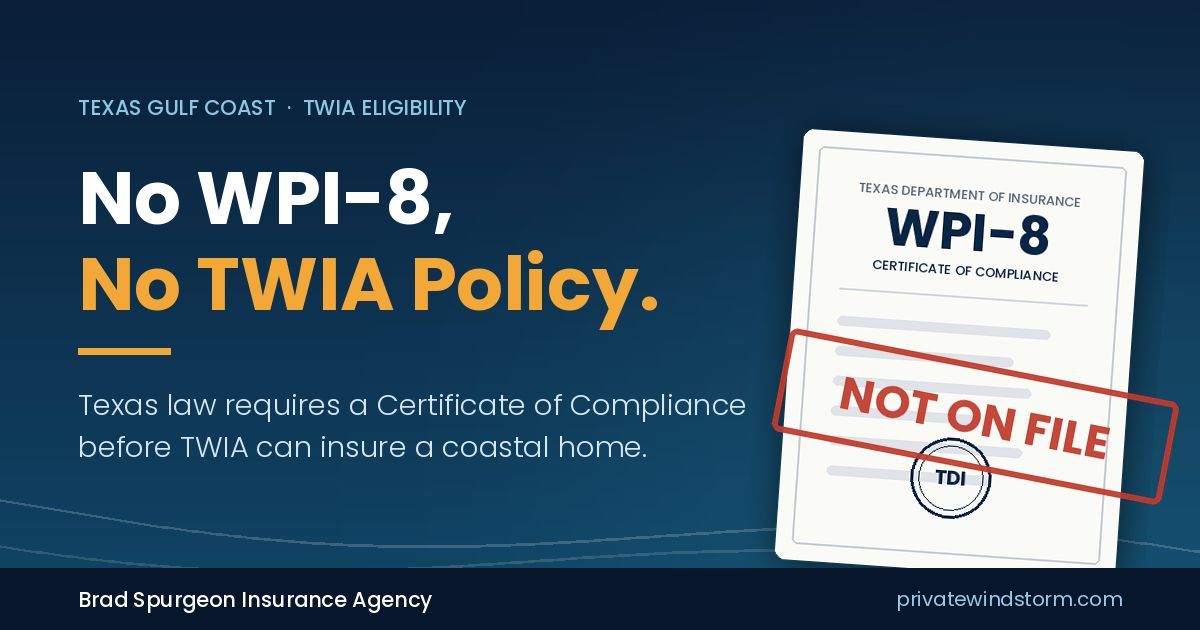
August 25, 2026
Learn why TWIA requires WPI-8 certification, which Texas coastal homes need it, key exceptions, and what to do if your certificate is missing.

A smiling parent sits on a couch and lifts a happy young child
August 19, 2026
Kids explore everything, and that curiosity is part of what makes childhood fun — but it also means everyday spaces in your home can hide risks you might not think twice about as an adult. A few thoughtful changes around the house can prevent the kinds of accidents that send families to the emergency room every year.
A view of two suburban houses
August 17, 2026
It's a question we hear often in Texas City, especially once a tropical system starts showing up in the forecast: can I still get flood insurance now, or is it too late? The honest answer is that it depends on your policy type and timing, and understanding how flood insurance waiting periods work can save you from a co
An American Red Cross emergency kit with supplies like water, a flashlight, goggles, and a poncho for flood survival.
August 10, 2026
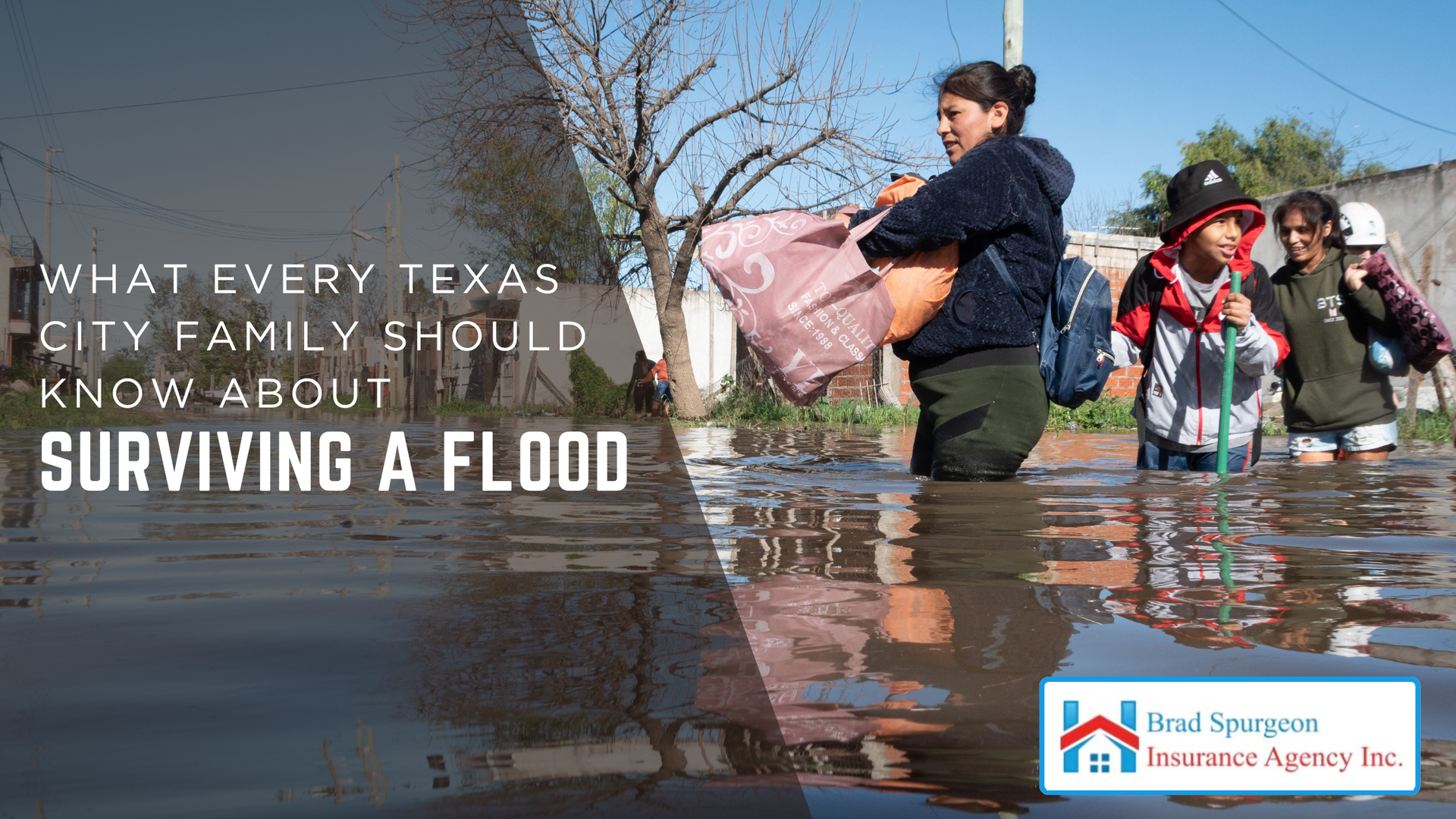
Living near the Texas Gulf Coast means flooding isn't a rare or distant threat — it's a real possibility every hurricane season, and sometimes even after a heavy afternoon thunderstorm. Whether you're right along the water or a few miles inland, knowing how to prepare, evacuate, and recover safely can make all the diff
Show More