
A Guide To Product Liability Insurance And Why Your Business Needs It

October 13, 2025
Two people converse at a shop counter

No matter how carefully you design, manufacture, or sell your products, there’s always a chance that something can go wrong once it reaches the consumer. A single product defect or customer injury can lead to costly lawsuits that threaten your company’s finances and reputation. That’s where product liability insurance comes in.


This type of coverage protects your business from claims related to defective products—helping you stay focused on growth, not legal battles. Whether you run a small retail shop, a manufacturing plant, or an e-commerce business in Texas City, Texas, understanding product liability insurance is essential for long-term success and stability.


What Is Product Liability Insurance?

Product liability insurance is a type of business insurance that protects companies from financial losses if a product they make, sell, or distribute causes injury or property damage.


Even if your business follows every regulation and safety standard, accidents and defects can still occur. This coverage helps you pay for legal defense costs, settlements, and medical expenses related to product-related incidents.


Who Needs Product Liability Insurance?

Virtually any business involved in the product chain can benefit, including:

  • Manufacturers – design and produce the product.
  • Wholesalers or distributors – move products through supply chains.
  • Retailers – sell products directly to consumers.
  • Online sellers – operate through e-commerce platforms like Amazon, Etsy, or Shopify.


If your business touches a product at any point before it reaches the customer, you could be held liable for damages.


What Does Product Liability Insurance Cover?

1. Design Defects

If a flaw in the product’s design makes it inherently dangerous, product liability insurance helps cover the resulting claims.


Example:

A toy manufacturer creates a children’s toy with small detachable parts that pose a choking hazard. If a child is injured, the company may face lawsuits for design negligence.


2. Manufacturing Defects

Even with strict quality control, mistakes can happen during production. This coverage applies when a product is safely designed but becomes dangerous due to a manufacturing error.


Example:

 A batch of kitchen appliances leaves the factory with faulty wiring, causing electrical fires. The manufacturer’s product liability policy would help cover claims and damages.


3. Marketing and Labeling Errors

Sometimes, products cause harm because consumers weren’t adequately warned of risks or given proper usage instructions. This is where failure-to-warn claims come into play.


Example:

 A cleaning product lacks sufficient warning labels about toxic fumes. If a user falls ill, the company could face claims for insufficient labeling or inadequate safety instructions.


4. Property Damage or Bodily Injury

Product liability insurance also covers:

  • Medical expenses if someone is injured by your product.
  • Repair or replacement costs if a defective product damages another person’s property.
  • Legal defense fees and court costs associated with lawsuits.


What’s Not Covered

While comprehensive, product liability insurance doesn’t cover everything. Exclusions may include:

  • Intentional misconduct or fraud
  • Product recalls (often available as separate coverage)
  • Employee injuries (covered under workers’ compensation)
  • Damage to your own products


Always review your policy closely or consult an insurance professional to understand specific exclusions.


Why Product Liability Insurance Is Essential

Even one lawsuit can financially cripple a small business. Product liability insurance offers multiple benefits that help protect your operations and reputation.

1. Financial Protection

Covers expensive legal fees, settlements, and court judgments that could otherwise drain your business’s resources.


2. Credibility and Trust

Having proper coverage shows customers and business partners that you take responsibility for your products, which builds credibility and strengthens relationships.


3. Peace of Mind

Running a business involves enough risks already. Knowing you’re protected against unforeseen product-related claims allows you to focus on growth, innovation, and customer satisfaction.


4. Contractual Requirements

Many retailers, distributors, and business partners require proof of product liability insurance before doing business with you—especially in industries like manufacturing or food production.


Product Liability Insurance in Texas City, Texas

Businesses in Texas City, Texas, face unique challenges due to the area’s industrial economy and proximity to Gulf Coast shipping and manufacturing hubs. Whether you’re producing goods, distributing components, or selling retail products locally, the potential for product-related claims is always present.


Working with an experienced local insurance agent ensures you get customized coverage that fits your business type, risk level, and regulatory environment. Local professionals understand the Texas legal landscape and can help you navigate compliance requirements while keeping your premiums affordable.


How Much Coverage Do You Need?

The amount of coverage your business needs depends on several factors:

  • Industry type and risk level – Medical devices and automotive parts carry higher risk than clothing or candles.
  • Business size and revenue – Larger operations usually need higher limits.
  • Product reach – Nationwide or international distribution increases exposure.
  • Client or partner requirements – Some contracts specify minimum coverage amounts.


Most small to mid-sized businesses start with $1 million to $2 million in product liability coverage, but it’s best to consult your insurer for an assessment tailored to your risk profile.


Tips for Reducing Product Liability Risk

  • Implement strict quality control: Inspect raw materials, test products, and maintain clear production logs.
  • Keep documentation: Save design records, testing data, and customer feedback.
  • Use clear labeling: Provide detailed instructions and safety warnings.
  • Train employees: Ensure all staff understand manufacturing and safety standards.
  • Stay compliant: Follow all local, state, and federal safety regulations.


Reducing risk not only improves safety but can also lower your insurance premiums over time.


The Bottom Line

Product liability insurance is more than just another business policy—it’s a critical layer of protection that shields your company from lawsuits, financial losses, and reputational damage.


If you own a business in Texas City, Texas, or anywhere in the Gulf Coast region, now is the perfect time to review your coverage and ensure your operations are properly protected. A local insurance expert can help tailor a policy that meets your specific needs and keeps your business resilient, no matter what challenges come your way.


At Brad Spurgeon Insurance Agency Inc., we aim to provide comprehensive insurance policies that make your life easier. We want to help you get insurance that fits your needs. You can get more information about our products and services by calling our agency at (409) 945-4746. Get your free quote today by 
CLICKING HERE. 


Disclaimer: The information presented in this blog is intended for informational purposes only and should not be considered as professional advice. It is crucial to consult with a qualified insurance agent or professional for personalized advice tailored to your specific circumstances. They can provide expert guidance and help you make informed decisions regarding your insurance needs.

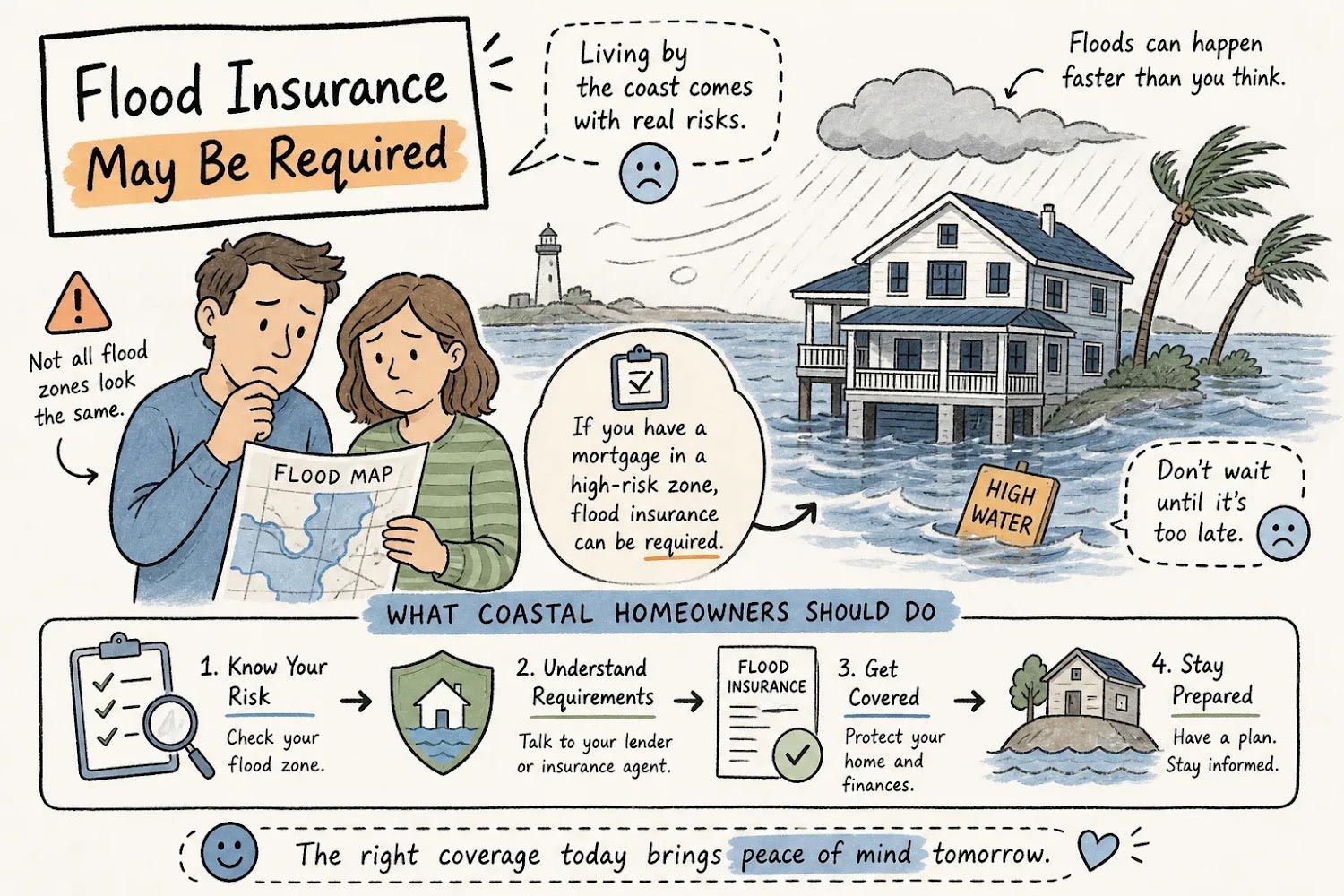
Flood insurance explainer infographic with a house, worried couple, and tips about flood risk and coverage
By Brad Spurgeon • November 16, 2026
Flood insurance is required for properties located in a FEMA-designated Special Flood Hazard Area when the mortgage is federally backed or made by a federally regulated lender. Both conditions must be true at the same time. Having a federally backed loan does not trigger the requirement on its own, and being in a high-risk flood zone does not trigger it either if your financing is fully private. When both boxes are checked, coverage is mandatory for the life of the loan, and your lender enforces it. For Texas Gulf Coast homeowners, flood risk does not arrive alone. Storm surge, windstorm exposure, and hurricane activity all layer on top of the basic flood question, and the gaps between standard insurance policies can leave a claim partially or entirely uncovered. This article walks through the key situations that trigger mandatory flood coverage, how to verify your flood zone, and how to build a complete coastal insurance strategy.

Collage of travel scrapbook pages with “Cover the Gap,” a couple by the sunset, and a desert road trip theme
By Brad Spurgeon • November 16, 2026
Gap coverage insurance pays the difference between what you still owe on your car loan or lease and what your insurer actually pays out after a total loss. Guaranteed asset protection, the full name behind the acronym, is the product that closes that hole. If you financed or leased a vehicle in the last few years, this article is worth reading before you assume you're fully covered.
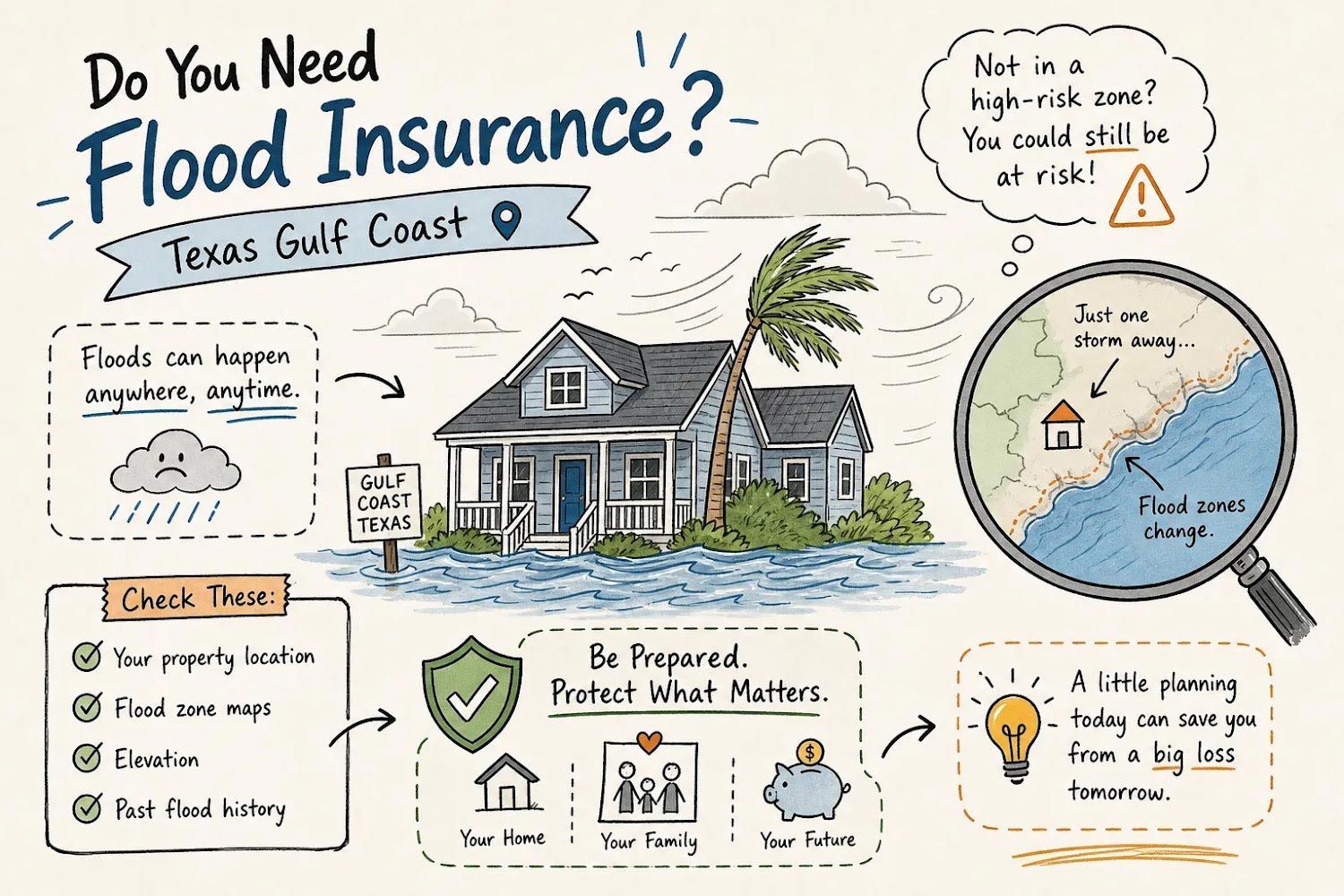
Flood insurance infographic for Texas Gulf Coast homes, with storm surge map and preparedness tips.
By Brad Spurgeon • November 16, 2026
Does my property require flood insurance? If you have a federally backed mortgage and your home sits in a FEMA-designated AE or VE flood zone, flood insurance is required by federal law. That is the short answer. If you are not sure which zone your property falls into, or you have heard conflicting things from your lender, your real estate agent, and your neighbor, conflicting guidance is common along the Texas Gulf Coast due to frequent remapping and local ordinance variability. The Gulf Coast carries unique flood exposure. Roughly 23,000 to 25,000 residential properties in Galveston County alone are mapped inside FEMA Special Flood Hazard Areas, according to a residence-level FEMA-zone analysis. The question homeowners here face is rarely as simple as "do I need it?" More often, it is "does the law require it, and is what I have actually enough?" This guide walks through the exact steps to check your flood zone, understand your lender's requirements, weigh NFIP against private coverage, and figure out your next move.
November 11, 2026
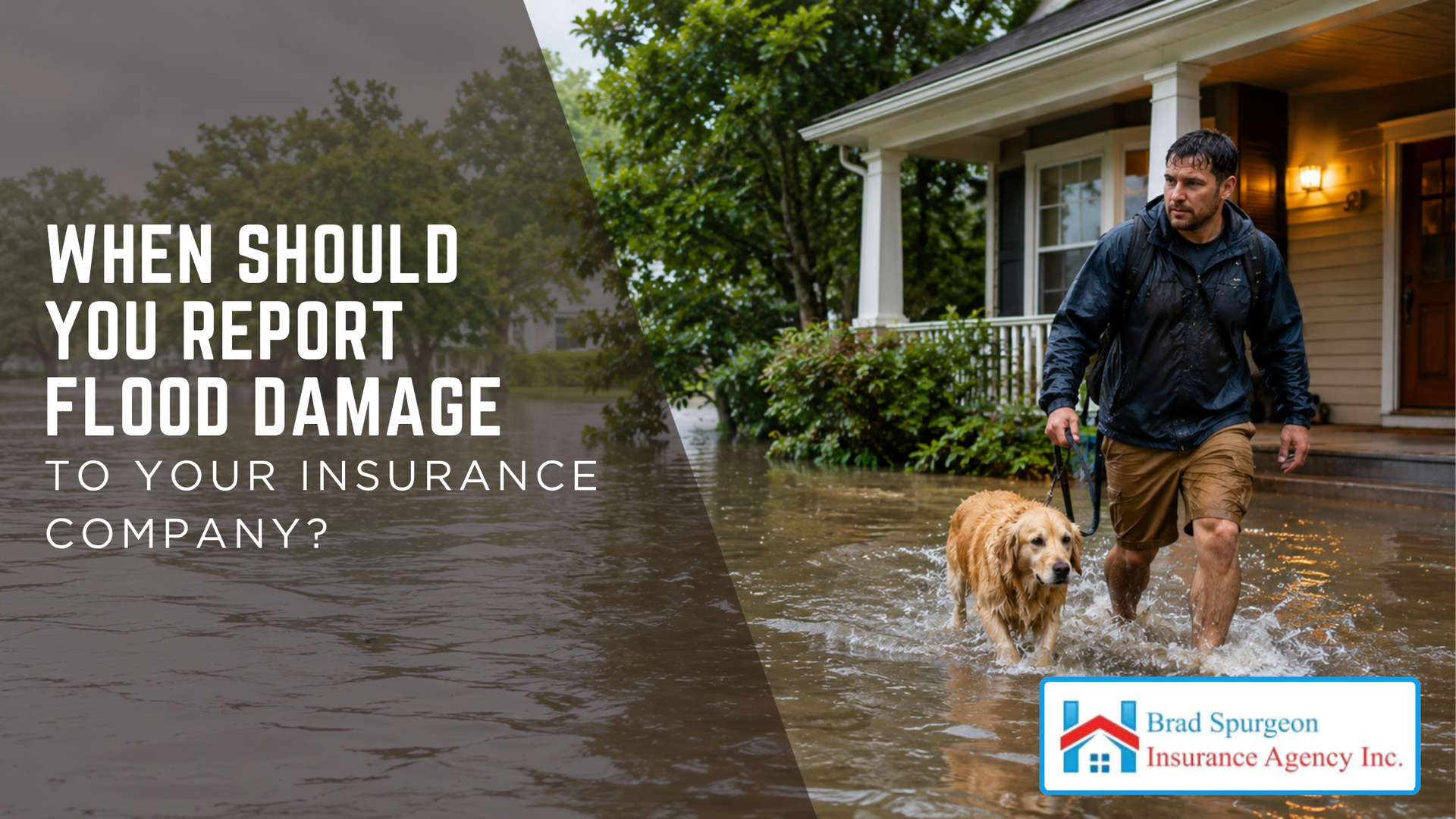
Flooding can cause extensive property damage, leaving homeowners with important decisions about repairs, documentation, and insurance claims. For residents of Texas City, TX, understanding when to report flood damage is especially valuable because coastal storms and heavy rainfall can create unexpected flooding risks.
November 11, 2026
Living along the Texas Gulf Coast means preparing for powerful winds, hurricanes, and unpredictable weather conditions. For homeowners in Texas City, TX, having windstorm insurance is an important step, but understanding additional coverage options can make a meaningful difference. Windstorm insurance riders may provid
November 10, 2026
A burst pipe can release significant amounts of water into a home, damaging floors, walls, furniture, and personal belongings within minutes. For homeowners in Texas City, TX, understanding how insurance responds to unexpected plumbing problems is an important part of protecting their property. Knowing which types of w
November 10, 2026
Protecting a home along the Texas Gulf Coast requires understanding how different insurance policies respond to property damage. For homeowners in Texas City, TX, comparing homeowners insurance and windstorm insurance is especially important because coastal properties may have unique coverage requirements. Knowing how
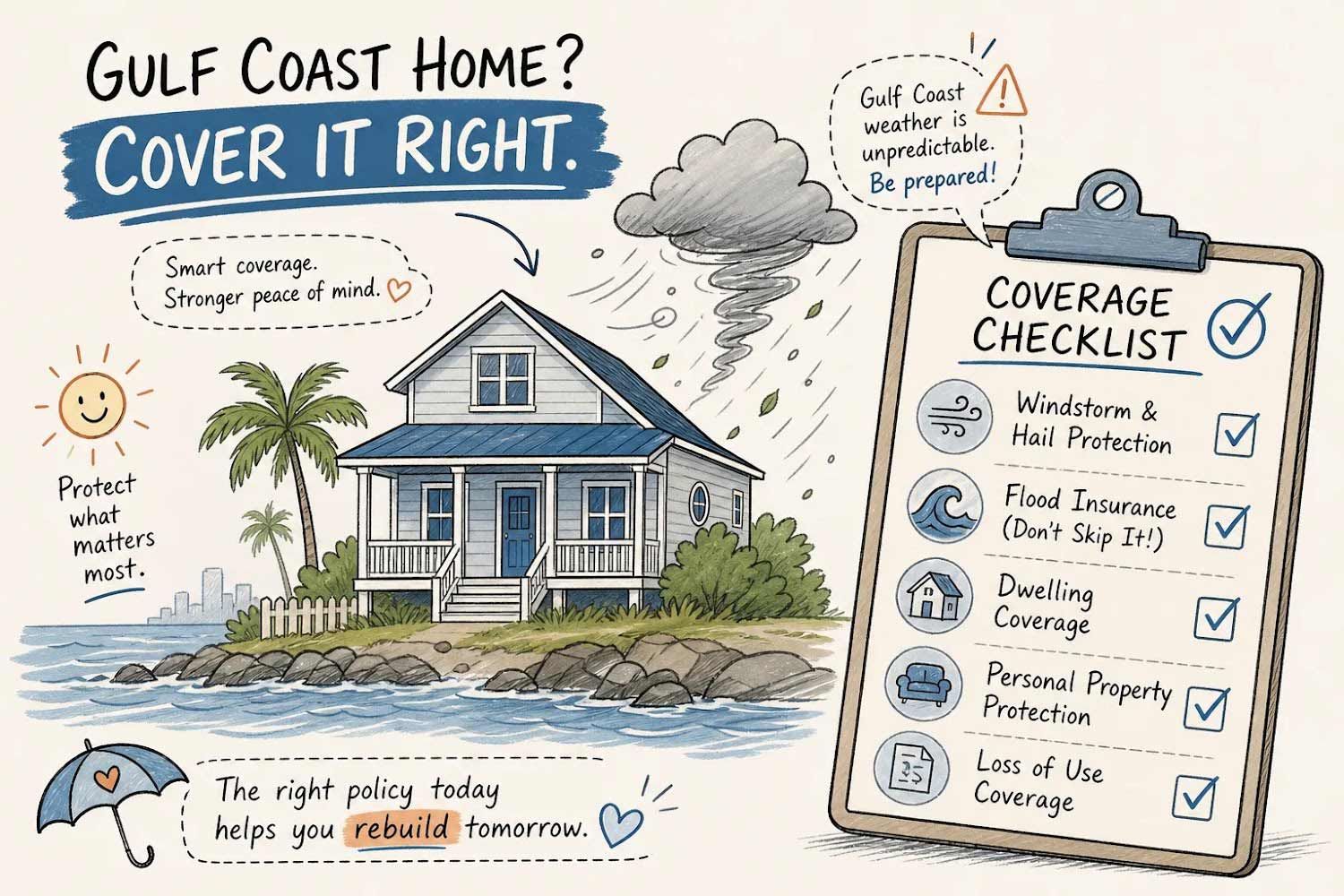
Illustrated coastal home under storm clouds with roof and drainage checklist for hurricane preparedness
By Brad Spurgeon • November 2, 2026
When buying on the Gulf Coast, understanding home owners insurance in Texas is essential, because a standard HO-3 policy covers fire, theft, and many everyday perils, but excludes windstorm, hail, and flood in most coastal counties. That means a single hurricane can trigger three separate claims under three separate policies, and if you only carry one policy, two of those losses come out of your own pocket. This checklist walks through what each layer covers, what it costs in 2026, and which option closes all three gaps most efficiently. Whether you're closing on a home next week or reviewing a policy you've had for years, the sequence below gives you a clear path forward.
TW login screen with woman at laptop, smiling and pointing at a sign-in panel with security icons and house illustration
By Brad Spurgeon • November 2, 2026
If you're searching for a TW login and you live on the Texas Gulf Coast, you're likely trying to reach one of two portals: the Texas Windstorm Insurance Association (TWIA) policyholder site or your insurance agency's online client account. TWIA uses "TW" prominently in its name and branding, and it's the essential portal for managing windstorm and coastal home coverage. Knowing which portal you need, and what to expect at the sign-in screen, makes the whole process much simpler. This guide covers the most common TW portals Gulf Coast homeowners land on, how to log into each one, how to fix errors that block access, how to recover a forgotten password, and how to verify you're on a legitimate page before you type a single credential. And if you still can't get through, Brad Spurgeon Insurance Agency Inc., a third-generation family-owned agency serving the Texas Gulf Coast since 1986, can walk you through it directly.
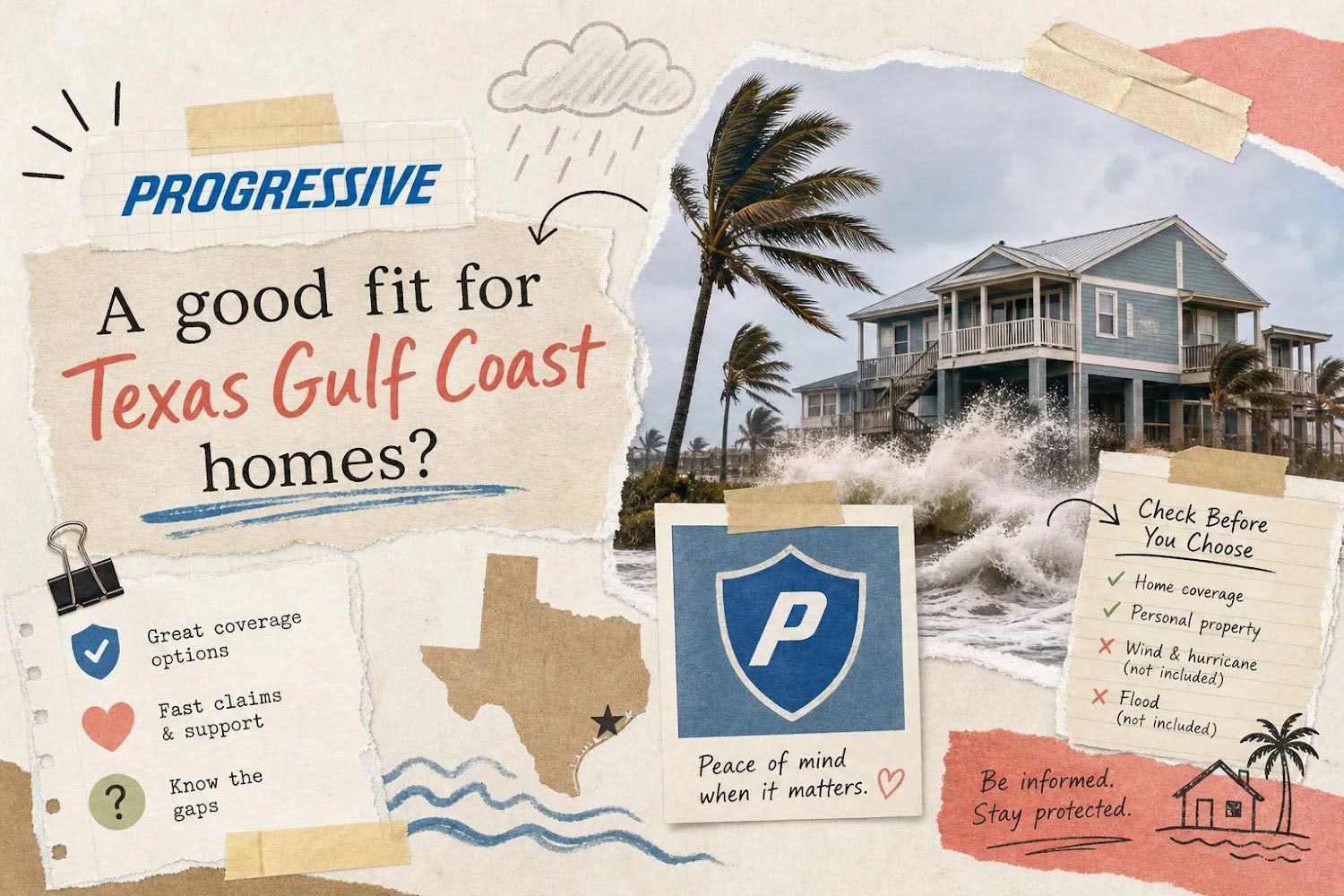
Progressive ad: “A good fit for Texas Gulf Coast homes?” with beach house, storm surf, and map graphic
By Brad Spurgeon • October 29, 2026
Progressive home insurance offers standard HO-3 coverage that works well for most American homeowners, but for Texas Gulf Coast properties, that base policy typically excludes the two biggest threats in the region: windstorm damage and flooding. Those aren't minor omissions for a home in Galveston County or along the Brazoria coastline. They're exactly what a hurricane or tropical storm delivers. Texas already carries some of the highest home insurance premiums in the country, and coastal ZIP codes push that figure even further above the national average. Spending that much on a policy that leaves windstorm and flood damage uncovered is a critical mistake. This article breaks down what progressive home insurance actually includes, where it falls short for coastal properties, and what a complete coverage picture looks like.
Show More